Last Updated on December 28, 2025
Your granite countertops add beauty and value to your home, but keeping them looking fresh can be tricky. If you want to avoid stains, scratches, and dullness, you need the right care routine.
This guide will show you simple, effective ways to treat your granite so it stays shiny and strong for years. Keep reading to discover easy tips that save you time and money while protecting your investment.
Daily Cleaning Tips
Daily cleaning keeps granite countertops looking fresh and shiny. It stops dirt and stains from building up. A simple routine helps protect the stone’s natural beauty. Follow easy steps to clean safely and effectively every day.
Choosing The Right Cleaner
Pick a cleaner made for granite or natural stone. These products clean well without harming the surface. Avoid cleaners with vinegar, lemon, or ammonia. They can dull or damage the stone over time. Mild dish soap mixed with water works well too.
Avoiding Harsh Chemicals
Harsh chemicals can erode the granite’s seal. This makes the stone more likely to stain or chip. Skip bleach, oven cleaners, and abrasive powders. Use gentle products only. Protect your countertop with safe, non-acidic cleaners.
Proper Wiping Techniques
Use a soft cloth or sponge for wiping. Rough scrubbers can scratch the surface. Wipe spills immediately to prevent stains. Clean in circular motions to lift dirt gently. Dry the surface with a clean cloth to avoid water spots.

Credit: www.expressgranite.net
Sealing Granite Surfaces
Sealing granite surfaces is a key step in keeping your countertops strong and beautiful. Granite is a natural stone, so it can soak up liquids and stains without protection. A good sealant blocks spills and dirt from reaching the stone. This helps your countertops stay clean and last longer.
Sealing is simple but needs care. The right sealer and method keep granite looking fresh. Below are important points on how to seal granite surfaces properly.
When To Seal Your Countertops
Check your granite often to see if sealing is needed. Pour a small amount of water on the surface. If it absorbs quickly, it is time to seal. New granite usually needs sealing after installation. After that, seal every 1 to 2 years. High-use areas may need sealing more often.
Types Of Sealers
Choose between penetrating and topical sealers. Penetrating sealers soak into the stone and protect inside. They keep granite looking natural and reduce stains. Topical sealers create a thin layer on the surface. They add shine but may peel or wear off faster. Penetrating sealers are best for kitchen countertops.
Step-by-step Sealing Process
First, clean the granite well with a mild soap and water. Let it dry completely. Next, apply the sealer with a clean cloth or sponge. Spread it evenly over the surface. Wait 10 to 15 minutes to let the sealer soak in. Wipe off any extra sealer with a dry cloth. Allow the granite to dry for 24 hours before use.
Preventing Damage
Granite countertops are strong but need care to stay beautiful. Preventing damage helps keep their shine and strength for years. Simple habits can protect your granite from stains, scratches, and heat. Learn how to handle spills fast, avoid scratches, and use tools like cutting boards and trivets. These small steps make a big difference in keeping granite in top shape.
Handling Spills Quickly
Spills can stain granite if left too long. Wipe up liquids right away with a soft cloth. Avoid harsh cleaners that can harm the surface. Use mild soap and water for cleaning. Acting fast stops stains from setting deep into the stone.
Protecting Against Scratches
Granite is hard but not scratch-proof. Avoid dragging heavy pots or sharp items across the surface. Use soft cloths or pads when placing objects down. Regularly check for rough spots that can scratch the stone. Protecting the surface keeps it smooth and shiny.
Using Cutting Boards And Trivets
Cutting directly on granite dulls knives and can cause scratches. Always use a cutting board to protect both your knives and countertop. Hot pans can cause cracks or discoloration. Place hot items on trivets or heat pads to avoid damage. These tools help maintain granite’s beauty and strength.

Credit: www.empirekb.com
Stain Removal Methods
Granite countertops can develop stains over time from spills or daily use. Removing these stains quickly helps keep the surface looking fresh. Different stains need different treatments. Knowing how to identify and treat each type saves time and effort. Below are effective methods to remove stains safely.
Identifying Stain Types
First, figure out what kind of stain is on the granite. Oil-based stains come from grease, cooking oil, or cosmetics. These stains often look dark and sticky. Organic stains come from coffee, tea, or food. They may leave a brown or yellow mark. Metal stains appear as rust or blue-green marks. Ink or dye stains come from markers or wine. Each stain type needs a specific cleaning approach.
Homemade Stain Remedies
Home remedies work well for many stains. For oil stains, use baking soda mixed with water to form a paste. Apply the paste to the stain and cover it with plastic wrap. Let it sit for 24 hours, then rinse with water. For organic stains, use a mixture of hydrogen peroxide and a few drops of dish soap. Dab gently on the stain and rinse. Avoid harsh scrubbing to protect the granite surface.
Commercial Stain Removers
Choose commercial stain removers made for granite. These products often contain safe ingredients that break down stains effectively. Follow the instructions on the label carefully. Test the product on a small hidden area first. Some strong cleaners can damage the seal or dull the finish. Use a soft cloth or sponge to apply and rinse well after treatment.
Long-term Maintenance
Granite countertops are durable and beautiful. To keep them looking great, regular care is key. Long-term maintenance helps prevent damage and extends the life of your countertops. Small efforts done regularly save time and money later.
Regular Inspection Tips
Check your granite countertops often for cracks or stains. Look closely at seams and edges where damage starts. Wipe the surface daily with a soft cloth and mild cleaner. Avoid harsh chemicals that can dull the stone. Spot any spills quickly to stop stains from setting.
When To Call A Professional
Call a professional if you see deep cracks or chips. Professionals can fix damage without making it worse. Seek help if your countertop loses its shine despite cleaning. Experts can reseal the granite to restore protection. Do not try to repair serious issues on your own.
Enhancing Shine And Finish
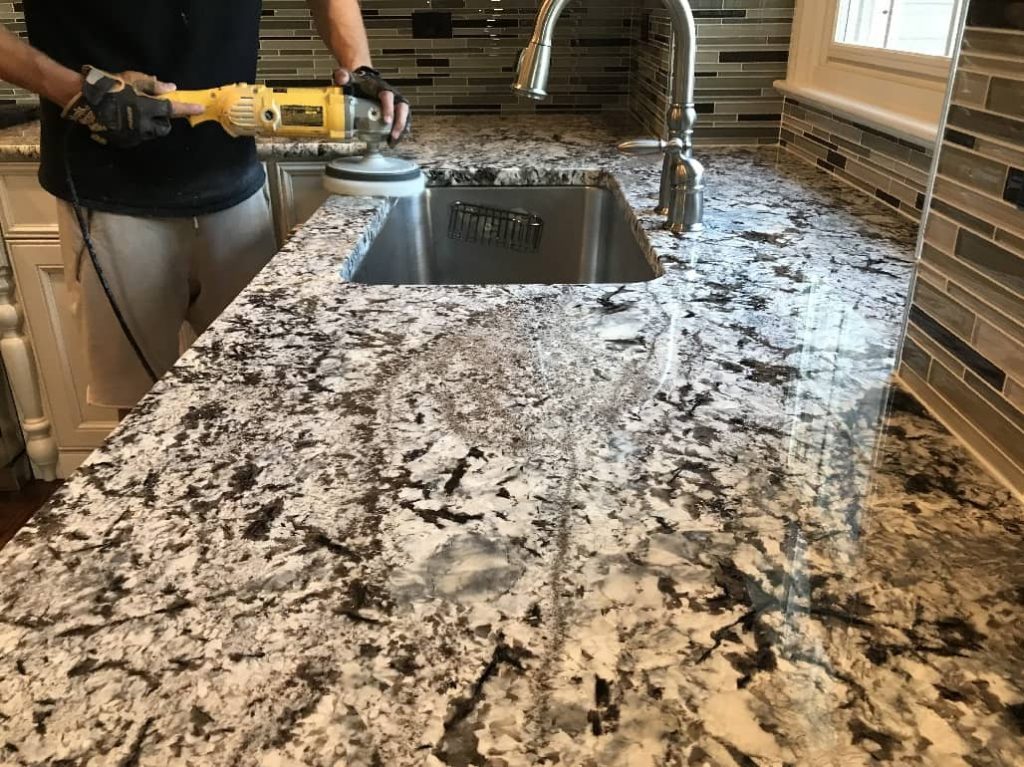
Use a granite polish to keep the surface shiny. Apply polish with a soft cloth in small circles. Buff the countertop gently after applying polish. Avoid wax or oil-based products that can cause build-up. Polishing every few months helps maintain a smooth finish.
Credit: graniteheroes.com
Frequently Asked Questions
How Often Should I Seal Granite Countertops?
Granite countertops should be sealed every 1 to 2 years. Sealing prevents stains and damage. Check water absorption to decide if resealing is needed.
What Cleaning Products Are Safe For Granite?
Use pH-neutral cleaners or mild dish soap with warm water. Avoid acidic or abrasive cleaners as they can dull or damage granite surfaces.
Can Granite Countertops Be Repaired If Chipped?
Yes, small chips can be repaired using epoxy or resin kits. For larger damage, professional restoration is recommended to restore the surface.
How Do I Prevent Stains On Granite Countertops?
Wipe spills immediately, especially oil, wine, or acidic substances. Use coasters and cutting boards to avoid direct contact with food and liquids.
Conclusion
Treating granite countertops properly keeps them looking great longer. Clean spills quickly to avoid stains. Use mild soap and warm water for daily care. Avoid harsh chemicals that can damage the surface. Regular sealing protects granite from moisture and dirt.
Small scratches can be buffed out gently. With simple steps, your granite stays shiny and strong. A little effort goes a long way in maintaining beauty. Your kitchen or bathroom will always feel fresh and inviting. Caring for granite is easy when you follow these tips.