Last Updated on December 6, 2025
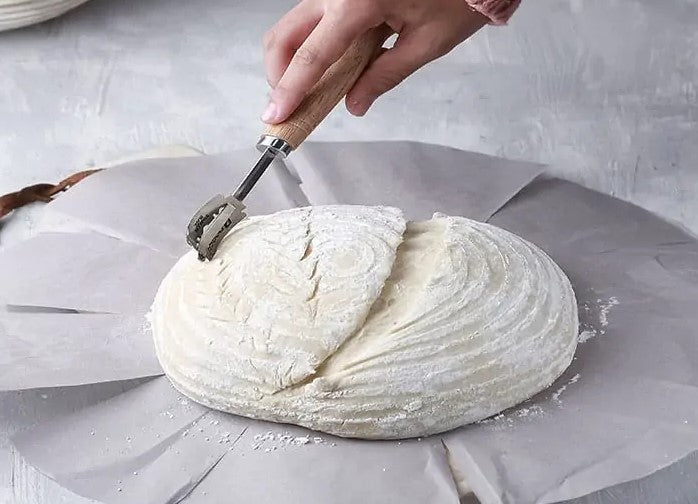
If you’ve ever admired a perfect loaf of bread with those beautiful, crisp cuts on top, you might wonder how bakers achieve that look. The secret is a simple tool called a bread lame.
Using a bread lame can transform your homemade bread, giving it a professional finish and helping it bake evenly. In this guide, you’ll learn exactly how to use a bread lame like a pro, so your bread not only tastes amazing but also looks irresistible.
Ready to impress yourself and others with your baking skills? Let’s get started.
Credit: bannetonman.com.au
Choosing The Right Bread Lame
Choosing the right bread lame is key for great bread scoring. A good lame gives clean cuts for better bread expansion. It also helps create beautiful patterns on your bread crust. Picking the right lame depends on your baking style and comfort. Understanding blade types, handle materials, and blade care helps you choose well.
Types Of Blades
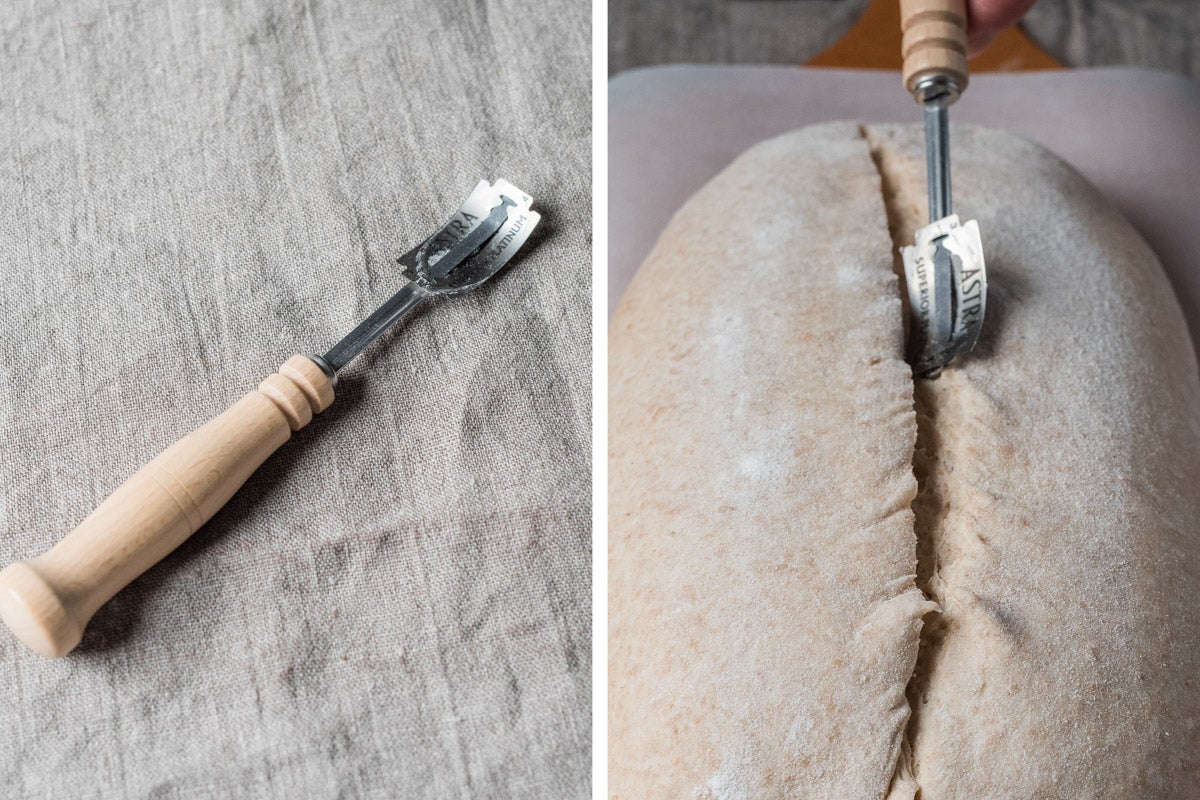
Bread lames use different blade types. Straight blades cut smooth, straight lines on dough. Curved blades offer more control for artistic cuts. Some blades are single-edged, others double-edged. Double-edged blades last longer but need careful handling. Choose a blade based on the style of bread you bake.
Handle Materials
Handle comfort matters for safe and easy cutting. Common materials include wood, plastic, and metal. Wooden handles feel warm and natural in hand. Plastic handles are lightweight and easy to clean. Metal handles offer durability and a modern look. Pick a handle that fits well and feels balanced.
Blade Replacement Tips
Replacing blades keeps your lame sharp and safe. Use new blades often for clean cuts and better bread rise. Always handle blades carefully to avoid cuts. Store spare blades in a safe, dry place. Change blades when you notice dullness or uneven cuts.
Preparing Your Dough
Preparing your dough is a key step before using a bread lame. The right dough sets the stage for clean cuts and beautiful bread patterns. Each part of preparation affects how well the lame will work.
Optimal Dough Consistency
The dough should feel soft but not sticky. It needs enough strength to hold shape after cutting. If too wet, the blade will drag and tear the dough. Too dry, and the cuts won’t open properly during baking.
Proper Proofing Time
Proof your dough until it doubles in size. Under-proofed dough is tight and hard to score. Over-proofed dough can collapse when cut. Aim for a dough that springs back slowly when pressed.
Surface Preparation
Lightly flour the surface before scoring. This prevents the blade from sticking. Avoid using too much flour; it can cause rough cuts. A smooth surface helps the lame glide easily for neat slashes.
Techniques For Scoring
Scoring bread dough is a key step before baking. It controls how bread expands in the oven. The right technique helps create beautiful bread with a good crust. Using a bread lame properly improves both look and texture. Learning the main scoring techniques makes baking easier and more fun.
Angle And Depth Of Cuts
Hold the lame at a shallow angle, about 30 degrees. This helps create thin, clean cuts that open nicely. Avoid cutting too deep. Aim for 1/4 to 1/2 inch deep. Shallow cuts make the bread rise evenly without collapsing. A steady hand is important for smooth lines.
Common Scoring Patterns
Simple straight lines are the most common pattern. They allow the bread to expand well. Crosshatch patterns add texture and help steam escape. Parallel lines give a classic look. Choose patterns that match the bread shape. Practice common designs for consistent results.
Creating Decorative Designs
Decorative scoring adds style to your bread. Use curved or wavy lines for a soft look. Leaf and wheat shapes are popular for artisan bread. Light, shallow cuts work best for designs. Take your time to create neat patterns. This makes your bread look special and inviting.
Safety Tips For Using A Bread Lame
Using a bread lame can improve your baking, but safety comes first. The blade is very sharp. Careful handling prevents accidents and injuries. Follow these safety tips to keep your fingers safe and your lame in good shape.
Handling The Blade Safely
Always hold the lame firmly by the handle. Keep your fingers away from the blade edge. Cut slowly and gently to avoid slips. Use a stable surface when scoring your dough. Replace the blade if it becomes dull or damaged.
Storage And Maintenance
Store the bread lame in a protective cover or case. Keep it out of reach of children. Clean the blade carefully after each use. Dry the lame well to prevent rust. Change blades regularly for the best results.
Avoiding Common Injuries
Never rush while scoring bread. Use controlled, precise movements. Keep your non-cutting hand clear of the blade path. Do not use the lame for other tasks. Stay focused to prevent slips and cuts.
Troubleshooting Scoring Issues
Scoring bread with a lame can be tricky at first. Problems often occur during the scoring process. These issues affect how your bread looks and bakes.
Understanding common scoring problems helps fix them quickly. This guide covers three main issues: cuts not opening properly, uneven scoring, and blade dullness.
Cuts Not Opening Properly
If your cuts stay closed, the dough may be too dry or cold. Dough needs to be soft and at room temperature for good scoring. Press the blade firmly but gently. Avoid dragging the lame across the dough. Make quick, confident cuts instead.
Also, flour on the dough surface can block the cuts. Lightly dust the dough to prevent sticking but not too much. Too much flour seals the dough back together.
Uneven Scoring Results
Uneven scores create irregular shapes and poor oven spring. Hold the lame at a consistent angle, about 30 to 45 degrees. Keep your hand steady during each cut. Practice smooth, straight strokes for better results.
Try scoring similar cuts in length and depth. This helps the bread expand evenly while baking. Uneven pressure causes some cuts to open more than others.
Blade Dullness And Replacement
A dull blade tears the dough instead of cutting it cleanly. This leads to ragged, messy scores. Replace the blade regularly to keep cuts sharp and clear.
Use fresh blades for every loaf or after several uses. Store blades safely to avoid damage. Sharp blades improve scoring and reduce stress on your hands.
Credit: www.kingarthurbaking.com
Cleaning And Maintaining Your Bread Lame
Cleaning and maintaining your bread lame is key to good baking. A clean lame cuts dough smoothly. It helps create perfect bread scores every time. Proper care keeps the blade sharp and safe. It also stops rust and damage. This section shows simple ways to clean and care for your lame. Follow these tips for a longer-lasting tool.
Cleaning Techniques
Rinse your bread lame with warm water after use. Avoid soaking it for long times. Use a soft brush to remove stuck dough. Dry it completely with a clean cloth. Never put your lame in the dishwasher. This can dull the blade and ruin the handle.
Blade Care
Replace the blade often to keep cuts clean. Use only blades made for bread lames. Store blades safely in a container or cover. Handle blades carefully to avoid cuts. Sharpen the blade only if it becomes dull and you have the right tool. Otherwise, changing the blade is best.
Extending Tool Lifespan
Keep your lame dry to stop rust. Store it in a dry place away from moisture. Avoid dropping or bending the lame. Regular cleaning prevents buildup that harms the blade. Treat your lame gently and it will last for many loaves.

Credit: www.amazon.com
Frequently Asked Questions
What Is A Bread Lame Used For?
A bread lame is a tool used to score dough before baking. It creates controlled cuts that allow the bread to expand. This improves the bread’s texture and appearance. Scoring also helps prevent cracking during baking.
How Do You Hold A Bread Lame Correctly?
Hold the bread lame like a pen with a firm grip. Position the blade at a 30 to 45-degree angle. Use gentle, swift motions to score the dough. Proper grip ensures precise cuts and prevents injury.
Can I Use A Knife Instead Of A Bread Lame?
A sharp knife can score dough but lacks precision. Bread lames have curved blades designed for controlled cuts. Using a lame results in better expansion and aesthetic patterns. For best results, invest in a bread lame.
How Deep Should I Score The Dough With A Bread Lame?
Score the dough about 1/4 inch deep. This depth allows the bread to expand without collapsing. Shallow cuts won’t open properly, while deep cuts may deflate the dough. Adjust depth based on dough type.
Conclusion
Using a bread lame helps create clean, sharp cuts on dough. These cuts let bread expand while baking. Practice makes your cuts more precise and neat. Always handle the lame carefully for safety. Try different angles and depths for varied patterns.
Fresh bread looks and bakes better with proper scoring. Keep your lame sharp and clean for best results. Enjoy the art of baking with simple tools. Your bread will look more professional and bake evenly. Small steps lead to great bread every time.