Last Updated on April 15, 2026
Have you ever wanted fresh, warm bread right from your kitchen without the hassle? Using a bread machine can make that dream come true with ease.
But if you’re unsure how to get started or want to make the best loaf possible, this guide is made just for you. You’ll discover simple steps that turn basic ingredients into delicious bread, saving you time and effort. Ready to unlock the secret to homemade bread that smells amazing and tastes even better?
Keep reading, and you’ll be baking like a pro in no time.

Credit: www.youtube.com
Choosing The Right Bread Machine
Choosing the right bread machine makes baking easier and more fun. A good machine fits your needs and kitchen space. It helps you bake fresh bread often without hassle. Think about what types of bread you want to make and how much bread you need. This guide helps you pick the best bread machine for your home.
Types Of Bread Machines
Bread machines come in simple and advanced models. Basic machines bake standard white or wheat bread. Advanced machines offer settings for gluten-free, whole grain, or sweet breads. Some have extra functions like dough making or jam. Choose a type that matches your baking style and recipe needs.
Key Features To Look For
Check if the machine has a timer for delayed baking. A viewing window lets you watch the bread as it bakes. Non-stick pans make cleaning easier. Some machines have multiple kneading paddles for better dough mixing. Quiet operation helps if you bake early or late. These features add convenience and improve baking results.
Capacity And Size Considerations
Consider how much bread your family eats. Machines vary from small 1-pound to large 2.5-pound loaves. Larger capacity suits big families or frequent bakers. Smaller machines save kitchen space and energy. Measure your counter space before buying. A well-sized machine fits your home and baking habits.
Essential Ingredients For Bread
Bread making starts with the right ingredients. Each one plays a key role in the final taste and texture. Knowing these essentials helps make better bread in your bread machine.
Flour Varieties
Flour is the base for any bread. All-purpose flour works well for most recipes. Bread flour has more protein and makes bread chewier. Whole wheat flour gives bread a nutty flavor and denser texture. Experiment with blends for different results.
Yeast Types
Yeast makes the dough rise by creating gas bubbles. Active dry yeast is common and needs to be dissolved in water first. Instant yeast mixes directly with dry ingredients and works faster. Fresh yeast is less common but gives rich flavor.
Additional Ingredients
Salt controls yeast activity and adds flavor. Sugar feeds the yeast and helps bread brown. Oil or butter keeps bread soft and moist. Milk can add richness and a tender crumb. Eggs enrich dough and help it rise better.
Preparing Your Ingredients
Preparing your ingredients is the first step to making great bread with a bread machine. It helps ensure your bread turns out soft and tasty. Careful preparation also prevents problems like dense or flat loaves.
Focus on accurate measuring, correct ingredient temperatures, and the right order of adding ingredients. These steps make the baking process smooth and successful.
Measuring Techniques
Use dry measuring cups for flour and sugar. Fill the cup and level off with a flat edge. This stops using too much or too little.
For liquids, use a clear liquid measuring cup. Place it on a flat surface and check at eye level. This gives an exact amount every time.
Ingredient Temperature Tips
Keep ingredients at the right temperature. Water or milk should be warm, not hot. About 80-90°F (27-32°C) is best for yeast activation.
Butter and eggs should be at room temperature. Cold ingredients slow down the rising process. Warm ingredients help the dough form better.
Order Of Adding Ingredients
Add liquids first into the bread machine pan. Then add dry ingredients like flour on top. Finally, place yeast on top of the flour.
Do not let yeast touch the liquid before starting. This keeps the yeast fresh and active. Follow this order to get perfect bread every time.
Setting Up The Bread Machine
Setting up your bread machine properly is key for great bread. It helps the machine work smoothly and makes sure your bread tastes fresh and soft. This part will guide you through important steps to get started.
Understanding the settings and functions will make baking easy. Each bread machine has buttons and options. Knowing what they do saves time and avoids mistakes.
Selecting The Right Program
Most bread machines offer different programs for various bread types. White bread, whole wheat, or gluten-free—each needs a special setting. Choose the program that matches your recipe. This controls mixing, kneading, and baking times. Using the right program makes your bread rise well and bake evenly.
Choosing Crust Color And Loaf Size
Bread machines let you pick crust color: light, medium, or dark. This changes baking time to suit your taste. Also, select the loaf size. Common sizes are 1, 1.5, or 2 pounds. Picking the right size helps the bread bake fully. It also fits your family’s needs and storage space.
Using Delay And Keep Warm Functions
The delay timer lets you add ingredients and set baking to start later. You can wake up to fresh bread or have it ready after work. The keep warm function keeps bread warm after baking. It stops bread from cooling too fast. Use these features to enjoy fresh bread anytime without extra effort.
Step-by-step Bread Making Process
Baking bread at home becomes easy with a bread machine. The step-by-step process guides you through each stage. Follow these steps to make fresh bread effortlessly.
Loading Ingredients
Start by adding ingredients in the right order. Usually, liquids go in first, like water or milk. Next, add dry ingredients such as flour and sugar. Finally, place the yeast on top, avoiding contact with liquids. This keeps the yeast fresh until mixing begins.
Starting The Machine
Close the lid and select the bread type on the machine. Choose the crust color and loaf size if options are available. Press the start button to begin the mixing and kneading process. The machine will handle the rest automatically.
Monitoring The Dough
Check the dough a few minutes after mixing starts. It should form a smooth, elastic ball. Add a little water or flour if the dough is too dry or sticky. Do not open the lid often, as this can affect the baking process.

Credit: www.youtube.com
Troubleshooting Common Issues
Troubleshooting common issues with your bread machine helps you bake better bread. Small problems can stop your bread from turning out right. Knowing how to fix these issues saves time and ingredients. The following tips cover common problems and easy fixes.
Dough Not Rising
Dough that does not rise is often due to inactive yeast. Check the expiration date on your yeast package. Use warm water to activate yeast but not too hot. Cold or hot water can kill yeast. Make sure you measure ingredients accurately. Too much salt or sugar can stop dough from rising. Keep your bread machine in a warm place during rising. Avoid drafts and cold temperatures.
Uneven Baking
Uneven baking leads to bread with burnt edges or raw centers. Check if you overloaded the machine with ingredients. Use the correct amount of flour and liquid. Spread the dough evenly in the pan before baking. Use the right baking cycle for your bread type. Keep the bread machine away from direct sunlight or cold air. Make sure the heating element is clean and working well.
Machine Malfunctions
Machine malfunctions may cause your bread machine to stop or beep. Check the power cord and plug for damage. Avoid using extension cords with your machine. Clean the bread pan and kneading blade regularly. Remove crumbs or dough stuck inside the machine. Reset the machine by unplugging it for a few minutes. Contact customer support if problems continue after basic fixes.
Tips For Perfect Bread Every Time
Making perfect bread with a bread machine is easier with some key tips. Small changes can improve your bread’s taste and texture. These tips help you get consistent results every time.
Experimenting With Recipes
Try different recipes to find what you like best. Use various flours like whole wheat or rye. Add seeds, nuts, or dried fruits for flavor. Measure ingredients carefully for best results. Note how changes affect the bread’s texture and taste.
Maintaining Your Bread Machine
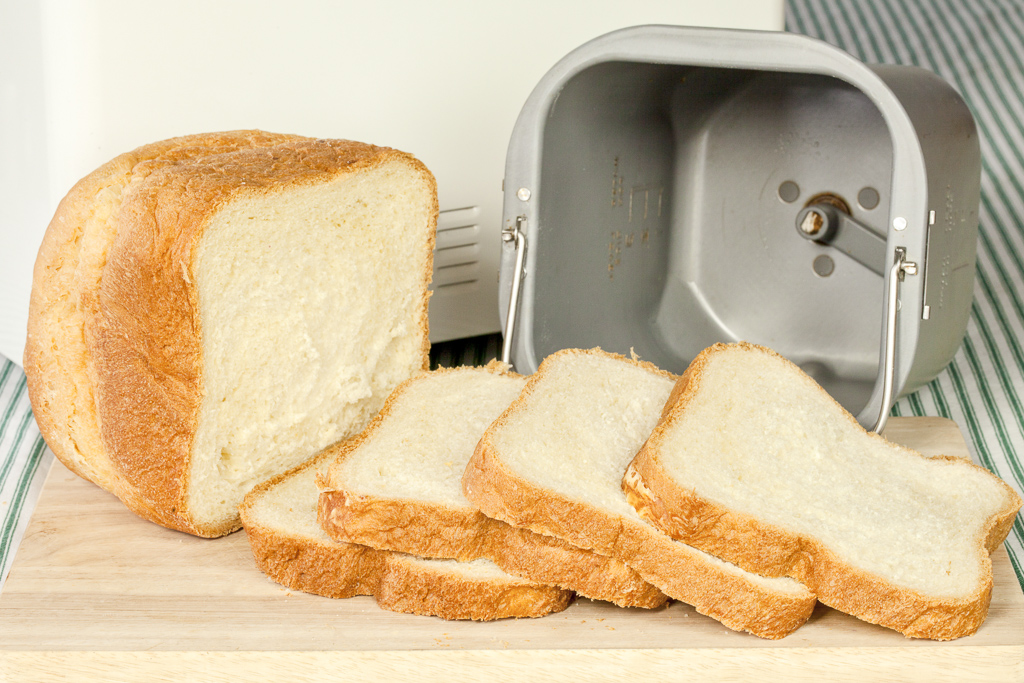
Clean the bread pan and paddle after each use. Check for leftover dough or crumbs inside. Wipe the machine’s exterior with a damp cloth. Regular cleaning helps keep the machine working well. Inspect parts for wear and replace if needed.
Storing Homemade Bread
Let bread cool completely before storing. Use a paper bag or cloth to keep crust crisp. Avoid plastic bags, which make bread soft and soggy. Freeze extra bread in airtight bags for longer storage. Thaw frozen bread at room temperature before eating.
Credit: recipeland.com
Frequently Asked Questions
How Do I Use A Bread Machine For The First Time?
Start by reading your bread machine’s manual carefully. Measure ingredients accurately. Add ingredients in the order recommended. Select the appropriate program, then press start. Avoid opening the lid during baking to ensure proper rising.
What Types Of Bread Can A Bread Machine Make?
Bread machines can make white, whole wheat, rye, gluten-free, and specialty breads. Some models also bake dough for pizza, rolls, and even cakes. Check your machine’s settings and recipes for variety and customization options.
How Do I Clean And Maintain My Bread Machine?
Unplug the machine before cleaning. Wipe the interior and exterior with a damp cloth. Remove the baking pan and kneading blade for thorough washing. Dry all parts completely before reassembling to prevent rust and ensure longevity.
Can I Customize Bread Recipes In A Bread Machine?
Yes, you can adjust ingredients like flour type, sugar, and additives. Experiment with flavors by adding nuts, seeds, or herbs. Just ensure the ratios and order of ingredients remain suitable for your machine’s cycle.
Conclusion
Using a bread machine makes baking simple and fun. Just add ingredients, choose a setting, and wait. Fresh bread comes out warm and ready to enjoy. It saves time and effort in the kitchen. You can try different recipes and flavors easily.
Baking at home means better control over ingredients. Your kitchen will smell amazing, and guests will be impressed. Keep experimenting to find your favorite bread types. Bread machines bring joy to everyday baking. Give it a try and enjoy fresh bread anytime.