Last Updated on December 4, 2025
Are you looking for a simple way to preserve your favorite fruits, veggies, and snacks? Using a food dehydrator could be your best solution.
It’s easy, saves money, and helps you enjoy healthy treats anytime. Imagine having delicious, homemade dried foods ready whenever you want—no additives, no waste. In this guide, you’ll discover step-by-step how to use a food dehydrator to get the best results every time.
Keep reading, and you’ll soon master this skill that turns everyday ingredients into tasty, long-lasting snacks.

Credit: www.youtube.com
Choosing The Right Dehydrator
Choosing the right food dehydrator makes drying food easy and effective. A good dehydrator saves time and energy. It also keeps food fresh for longer. Understanding different types and features helps pick the best one for your needs. Setting a budget guides the buying process. Let’s explore the key points to consider.
Types Of Food Dehydrators
There are three main types of food dehydrators. Stackable models use trays that stack on top of each other. They are good for small spaces and easy storage. Horizontal dehydrators have trays side by side. They dry food evenly and work well for large batches. Vertical dehydrators use a fan at the bottom. They often include a timer and adjustable temperature.
Key Features To Look For
Look for adjustable temperature controls. Different foods need different drying temperatures. A timer helps avoid over-drying. A clear door lets you check food without opening the machine. Non-toxic materials ensure safe food drying. Easy-to-clean trays save time and effort. A quiet motor makes the process more pleasant.
Setting A Budget
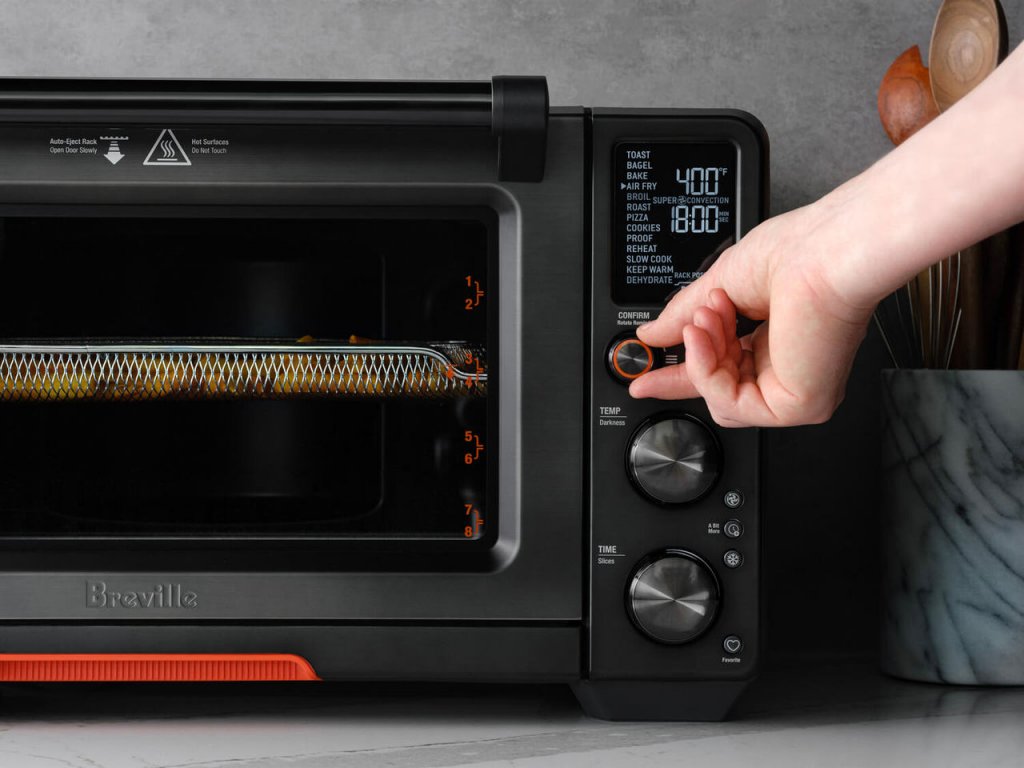
Prices vary from basic to advanced models. Basic dehydrators work well for beginners. Advanced models have more features and larger capacity. Decide how often you will use the dehydrator. Small budgets can still buy good quality machines. Plan your spending to get the best value. Avoid overspending on features you may not use.
Credit: www.breville.com
Preparing Food For Drying
Preparing food for drying is the first step to get good results from a food dehydrator. Proper preparation helps preserve the taste, texture, and nutrients of the food. It also makes drying faster and more even.
Different foods need different preparation methods. Some require washing and slicing, while others need blanching or pretreatment. Knowing how to prepare food properly ensures it dries well and stays safe to eat.
Selecting Fresh Ingredients
Choose fresh, ripe fruits and vegetables for drying. Avoid bruised or spoiled items. Fresh food dries better and lasts longer after drying. Pick firm vegetables and fruits without soft spots or mold.
Cleaning And Slicing Techniques
Wash all food thoroughly under cold water. Remove dirt, pesticides, and bacteria. Use a sharp knife to slice food evenly. Thin, uniform slices dry faster and more evenly. Cut fruits and vegetables into pieces about 1/4 inch thick.
Blanching And Pretreatments
Blanching softens vegetables before drying. It stops enzyme actions that cause spoilage. Boil water and dip vegetables for 1 to 3 minutes. Cool them quickly in ice water after blanching. Fruits may need pretreatment to stop browning. Use lemon juice or ascorbic acid for this step.
Setting Up Your Dehydrator
Setting up your food dehydrator properly is key to drying foods evenly and safely. A good setup helps keep flavors intact and ensures all moisture leaves the food. Before you start, clean the trays and place the dehydrator on a flat surface. This prepares the machine for the best drying results.
Arranging Food On Trays
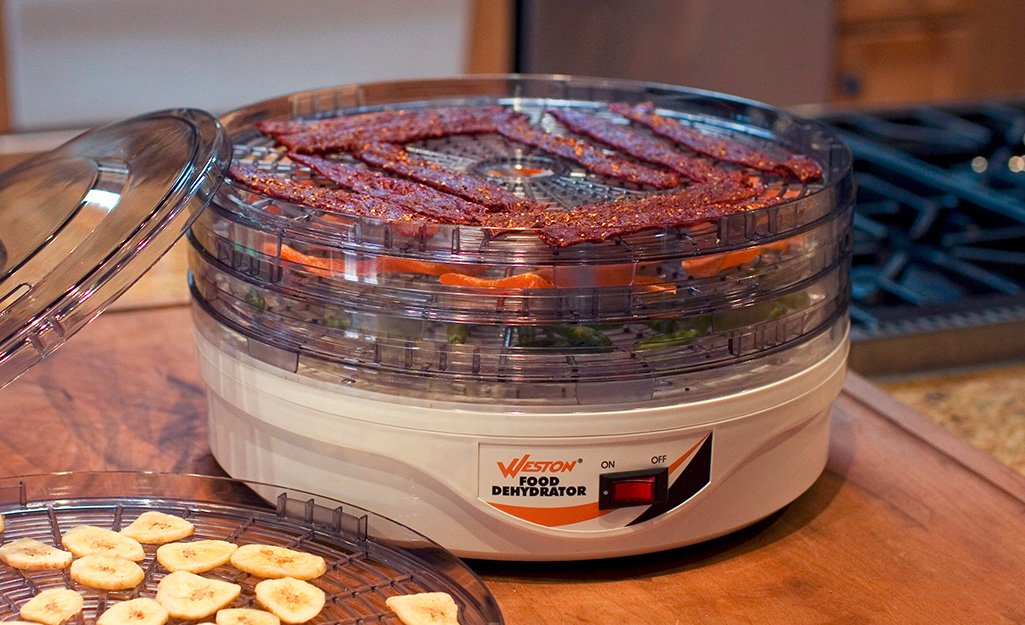
Place food pieces in a single layer on each tray. Avoid overlapping or stacking items to allow even drying. Cut larger pieces into smaller, uniform sizes for consistent results. Leave space between pieces so air can flow freely around them.
Optimal Temperature Settings
Set the temperature based on the type of food you dry. Fruits usually need 135°F (57°C), while vegetables require about 125°F (52°C). Herbs and leafy greens dry best at lower temperatures, around 95°F (35°C). Check your dehydrator’s manual for exact settings.
Proper Airflow And Spacing
Good airflow is essential for removing moisture quickly. Keep trays spaced evenly inside the dehydrator. Do not block the air vents or fan. Arrange trays so air flows from the bottom to the top or side to side, depending on your model.
Drying Times For Common Foods
Drying times vary for different foods in a food dehydrator. Knowing the right time helps keep flavors and nutrients. It also stops food from becoming too dry or staying wet.
Each type of food needs a specific drying time. Factors like thickness and moisture affect this time. Below are common drying times for popular foods.
Fruits And Berries
Fruits and berries usually dry between 6 and 12 hours. Thin slices dry faster than whole pieces. Apples, bananas, and strawberries take about 6 to 10 hours. Berries like blueberries and raspberries may take 10 to 12 hours. Spread them out in one layer for even drying.
Vegetables And Herbs
Vegetables need about 4 to 12 hours to dry. Leafy herbs dry the fastest, around 2 to 4 hours. Sliced carrots and peppers can take 6 to 10 hours. Tomatoes and mushrooms usually need 8 to 12 hours. Cut vegetables into thin pieces to reduce drying time.
Meats And Jerky
Meats require longer drying times than fruits or veggies. Thin strips of beef or turkey dry in about 4 to 8 hours. Make sure to use lean cuts for best results. Check jerky often to avoid over-drying. Proper drying kills bacteria and keeps meat safe to eat.
Checking And Storing Dehydrated Food
After dehydrating food, checking and storing it properly is very important. This step helps keep your food safe and tasty. It also stops mold and spoilage. Follow simple methods to test dryness, cool the food, and store it well. These steps help your dried food last longer.
Testing For Dryness
Check if food is dry before storing. It should feel hard or leathery. Fruits often bend without breaking. Vegetables and meats should be brittle or snap easily. Any sticky or soft spots mean more drying is needed. Proper dryness stops mold and keeps flavor.
Cooling And Conditioning
Cool the dried food to room temperature. Warm food can cause moisture buildup inside containers. After cooling, place food in a jar or container for 7-10 days. Shake the container daily to spread moisture evenly. This process, called conditioning, helps prevent mold growth.
Storage Tips For Longevity
Store dehydrated food in airtight containers. Use glass jars, vacuum bags, or plastic containers with tight lids. Keep containers in a cool, dark, and dry place. Avoid heat, sunlight, and humidity to protect food quality. Label containers with dates for easy use. Proper storage keeps food fresh for months to years.
Troubleshooting Common Issues
Troubleshooting common issues with your food dehydrator can improve your drying results. Small problems may cause uneven drying or spoilage. These issues often have simple fixes. Understanding these solutions helps keep your food safe and tasty.
Uneven Drying
Uneven drying happens when some pieces dry faster than others. This can result from poor air circulation. Arrange food in a single layer, leaving space between pieces. Rotate trays halfway through the drying process. Use similar-sized pieces to ensure even drying times. Avoid overloading the dehydrator with too much food.
Mold And Spoilage Prevention
Mold grows when food stays damp too long. Dry food completely before storing. Check for any moisture by bending or breaking pieces. Store dried food in airtight containers. Use clean, dry trays to reduce contamination. Keep the dehydrator clean to stop mold growth. Dry food at the right temperature for safety.
Dehydrator Maintenance
Regular maintenance keeps your dehydrator working well. Clean trays and walls after every use. Remove food scraps and dust to prevent smells. Check the fan and heating element for dust build-up. Replace any broken parts quickly. Store the dehydrator in a dry, cool place. Proper care extends its life and improves drying results.
Creative Uses For Dehydrated Foods
Dehydrated foods offer many fun and tasty options beyond just preserving fruits and vegetables. They bring new flavors and textures to snacks and meals. Using a food dehydrator opens doors to creative cooking and gift ideas.
Dehydrated foods keep well and are easy to store. They add crispness or chewiness to dishes. Their concentrated flavors make snacks more exciting. Explore these creative uses to enjoy dehydrated foods every day.
Snack Ideas
Dehydrated fruits make perfect snacks. Try apple chips, dried mango, or banana slices. They are sweet, crunchy, and healthy. Mix dried berries with nuts for a simple trail mix. Dehydrated vegetables like kale or zucchini chips offer a savory treat. Keep these snacks handy for quick energy boosts.
Cooking With Dehydrated Ingredients
Use dehydrated foods in soups and stews for rich flavor. Add dried tomatoes or mushrooms to pasta dishes. Rehydrate dried herbs to sprinkle on salads or meats. Powders from dehydrated fruits can enhance smoothies or baked goods. Dehydrated garlic and onions provide depth without extra prep time. These ingredients save cooking time and reduce waste.
Gifting Homemade Treats
Homemade dried fruits and veggies make thoughtful gifts. Package apple chips or fruit leather in decorative jars. Create spice blends from dehydrated herbs for cooking lovers. Personalized trail mixes are easy to prepare and share. Gifts like these show care and creativity. They are perfect for holidays or special occasions.
Credit: www.homedepot.com
Frequently Asked Questions
What Foods Can You Dehydrate With A Food Dehydrator?
You can dehydrate fruits, vegetables, herbs, and meats. Popular choices include apples, tomatoes, kale, and beef jerky. Dehydrating preserves nutrients and extends shelf life. It’s ideal for making healthy snacks and storing seasonal produce.
How Long Does It Take To Dehydrate Food?
Dehydration time varies by food type and thickness. Fruits usually take 6-12 hours, vegetables 8-14 hours, and meats 4-10 hours. Always check dryness to avoid spoilage. Using consistent temperature and airflow speeds up the process.
What Temperature Should A Food Dehydrator Be Set At?
Set your dehydrator between 125°F and 160°F depending on food type. Lower temperatures work for herbs; higher ones suit meats. Proper temperature ensures safe drying and preserves flavor. Always follow your dehydrator’s guidelines for best results.
How Do You Store Dehydrated Foods Properly?
Store dehydrated foods in airtight containers or vacuum-sealed bags. Keep them in a cool, dark, and dry place. Proper storage prevents moisture and mold. Label containers with dates to track freshness. This extends shelf life up to several months or more.
Conclusion
Using a food dehydrator saves food and cuts waste. It helps keep fruits, vegetables, and meats fresh longer. Drying food at home is simple and cost-effective. You control the taste and ingredients without added chemicals. Try different foods to find what you like best.
Store your dried snacks in airtight containers. Enjoy healthy, homemade snacks anytime you want. Start small and learn with each batch you dry. A food dehydrator adds value to your kitchen routine.