Last Updated on February 15, 2026
Are you wondering if reverse osmosis water is truly good for you? You’ve probably heard both praise and doubts about this popular water purification method.
But what does it really mean for your health and daily hydration? Understanding the benefits and potential downsides can help you make the best choice for your body and lifestyle. Keep reading to discover everything you need to know about reverse osmosis water and how it might impact your well-being.

Credit: www.shamrockplumbing.net
How Reverse Osmosis Works
Reverse osmosis is a popular method to clean water. It uses a special filter to remove many unwanted substances. This process makes water safer and better to drink. Understanding how reverse osmosis works helps you see its benefits clearly.
Filtration Process
Water first passes through a pre-filter to remove large particles. Then, it moves to a semi-permeable membrane. This membrane allows only water molecules to pass through. It blocks many impurities like salts, chemicals, and bacteria. The clean water collects on one side, while contaminants stay on the other. Finally, water goes through a post-filter to improve taste and quality.
Common Impurities Removed
Reverse osmosis removes many harmful substances from water. It eliminates dissolved salts like sodium and chloride. It also removes heavy metals such as lead and mercury. Bacteria, viruses, and pesticides do not pass through the membrane. This process reduces chlorine and other chemicals that affect water taste. The result is clean, fresh water, free from many common pollutants.
Health Benefits Of Reverse Osmosis Water
Reverse osmosis water offers several health benefits. It provides clean and safe drinking water. This water comes from a process that removes many impurities. Drinking pure water supports overall health and well-being.
People who drink reverse osmosis water often notice better taste and fewer stomach issues. Clean water helps the body work better. It also protects against harmful substances found in some tap water.
Purity And Safety
Reverse osmosis water is very pure. It removes dirt, bacteria, and chemicals. This makes the water safer to drink. Pure water lowers the risk of waterborne illnesses. It also reduces exposure to harmful substances like lead and chlorine.
Reduction Of Contaminants
This water removes many contaminants. It blocks pesticides, heavy metals, and salts. The filter stops particles that cause bad taste and odor. Clean water helps protect your organs from damage. It also supports a strong immune system.
Impact On Hydration
Reverse osmosis water hydrates the body well. It is free from minerals and impurities that can block absorption. Clean water enters cells easily. Proper hydration improves energy and skin health. Drinking enough clean water helps the body stay balanced.
Potential Drawbacks To Consider
Reverse osmosis (RO) water has many benefits, but it also comes with some drawbacks. Understanding these can help you decide if RO water is right for you. Here are some points to think about before choosing this water type.
Mineral Removal Effects
RO systems remove many minerals from water. This includes calcium and magnesium. These minerals are good for your health. Drinking water without minerals may affect your body over time. Some people may need to add minerals back to their diet.
Taste And Ph Changes
RO water often tastes flat or bland. This happens because minerals that add flavor are removed. The pH of RO water can be slightly acidic. Acidic water might not be ideal for everyone. Some people prefer to balance the pH before drinking.
Environmental Impact
RO systems waste some water during filtration. For every gallon purified, more water is discarded. This can increase water usage and waste. Also, RO filters need regular replacement. This creates plastic waste that impacts the environment.
Credit: espwaterproducts.com
Comparing Reverse Osmosis To Other Water Types
Reverse osmosis water is often compared to other common water types. Each type has different qualities that affect taste, health, and safety. Understanding these differences helps choose the best water for daily use.
Tap Water
Tap water is the most common water source in homes. It contains minerals and sometimes chlorine or fluoride. These chemicals help kill germs but may affect taste. Tap water quality varies by location. Some places have high purity, while others may have pollutants.
Distilled Water
Distilled water is pure water with no minerals. It comes from boiling water and collecting the steam. This process removes all impurities and minerals. Distilled water tastes flat due to the lack of minerals. It is often used in labs or medical settings, not for daily drinking.
Mineral Water
Mineral water contains natural minerals from underground sources. These minerals give the water a unique taste and health benefits. Mineral water is bottled and sold for drinking. It usually costs more than tap or reverse osmosis water. Some people prefer it for its flavor and mineral content.
Tips For Using Reverse Osmosis Water Wisely
Using reverse osmosis (RO) water can improve your drinking quality. Following some simple tips helps you get the best from this water. Smart use keeps the water healthy and safe daily. Below are key points to consider for wise use of RO water.
Re-mineralization Options
RO water lacks minerals like calcium and magnesium. These minerals are important for taste and health. Adding a re-mineralization filter restores these minerals. Another option is to mix RO water with mineral water. This improves flavor and provides essential nutrients. Choose a method that fits your needs and budget.
Maintenance And Filter Replacement
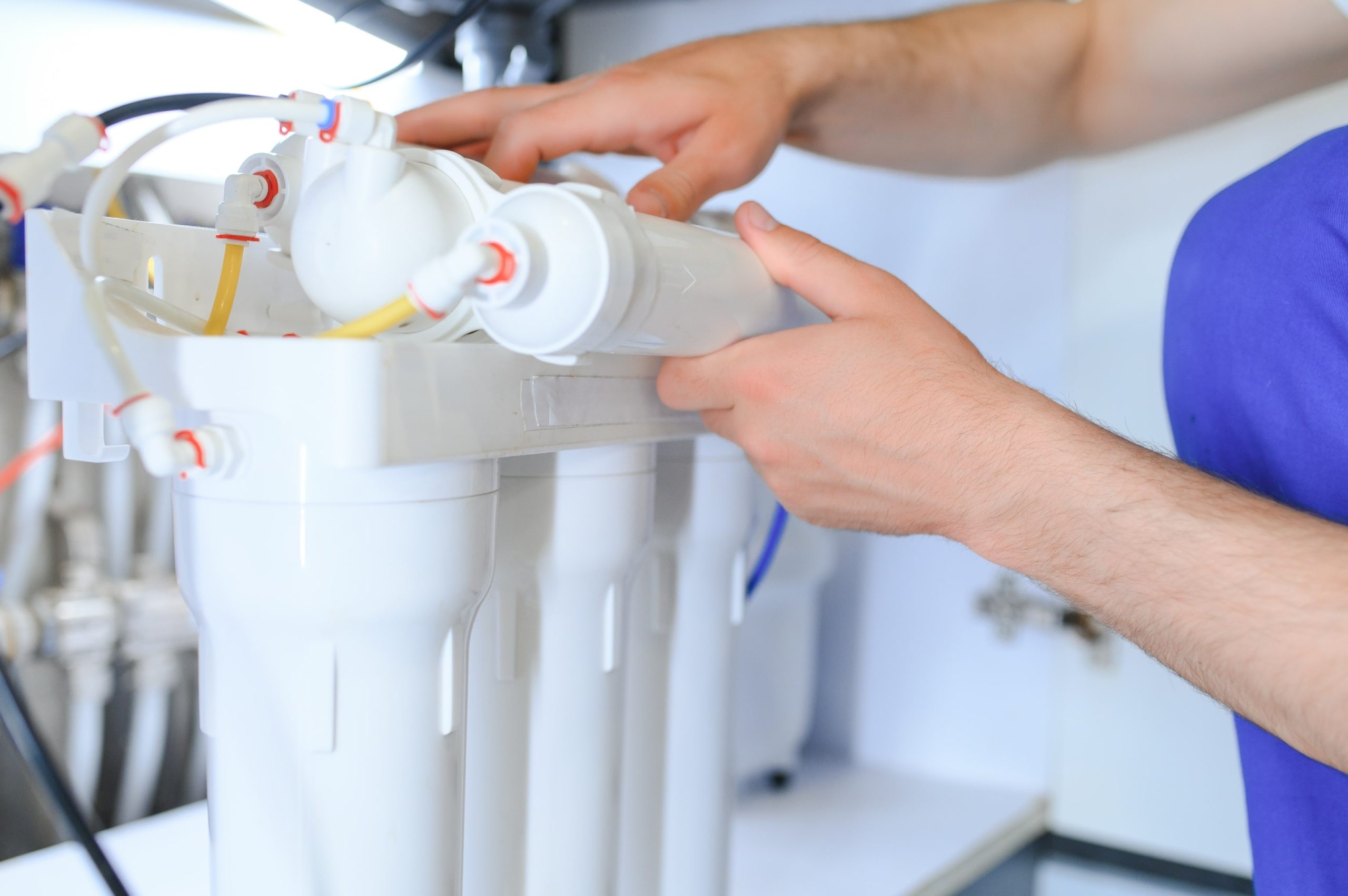
Regular cleaning keeps your RO system working well. Filters block dirt and impurities but get full over time. Replace filters as the manufacturer suggests. Failing to change filters can cause poor water quality. Check the system monthly for leaks or damage. Proper care extends your system’s life and water purity.
Choosing The Right System
Select a system that suits your household size and water use. Some systems include extra filters for specific needs. Look for certifications to ensure water safety and quality. Systems with easy filter replacement save time and effort. Consider space and installation before buying your RO unit.
Credit: www.raynewater.com
Frequently Asked Questions
Is Reverse Osmosis Water Safe To Drink Daily?
Yes, reverse osmosis water is safe for daily consumption. It removes contaminants, making water clean and pure. However, it may also remove some minerals, so a balanced diet is important to maintain mineral intake.
Does Reverse Osmosis Water Remove Essential Minerals?
Reverse osmosis filters out most minerals like calcium and magnesium. While this improves water purity, it can reduce beneficial minerals. You can get minerals from a healthy diet or by using mineral-replenishing filters.
How Does Reverse Osmosis Improve Water Taste?
Reverse osmosis removes impurities, chlorine, and odors that affect taste. This results in cleaner, fresher-tasting water. Many users prefer it for its crisp and neutral flavor compared to tap water.
Can Reverse Osmosis Water Benefit People With Health Issues?
Yes, it benefits people sensitive to contaminants or with weakened immune systems. RO water reduces bacteria, chemicals, and heavy metals. It provides safer drinking water for those with health concerns.
Conclusion
Reverse osmosis water removes many impurities and tastes clean. It can help protect your health by reducing harmful chemicals. Some minerals may be missing, but a balanced diet can fix this. Many people prefer its pure and fresh flavor. Choosing good water supports your body and daily life.
Think about your needs and water quality at home. Clean water matters for everyone’s health and wellbeing.