Last Updated on April 4, 2026
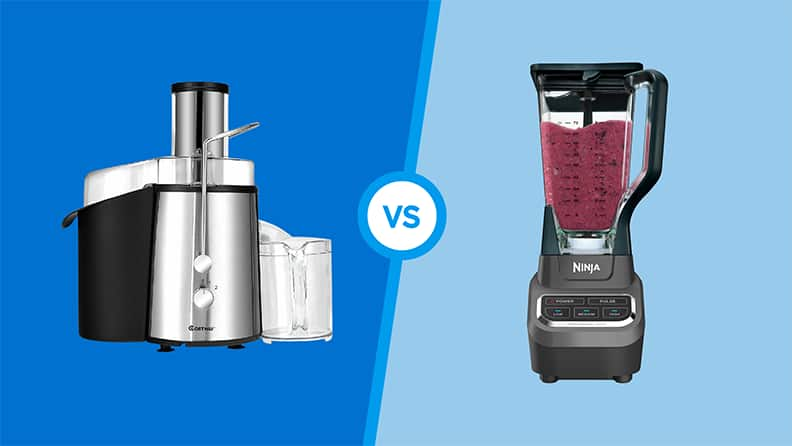
Are you confused about whether to choose a juicer or a blender for your kitchen? You’re not alone.
Both appliances promise fresh, healthy drinks, but they work in very different ways. Understanding these differences can help you make the best choice for your lifestyle and health goals. Keep reading, and by the end, you’ll know exactly which one fits your needs—and why it matters more than you think.
Credit: www.lowes.com
Juicer Types And Their Benefits
Choosing the right juicer can improve your juice quality and ease of use. Juicers come in different types. Each type has its own way of extracting juice and unique benefits. Understanding these types helps you pick the best one for your needs.
Centrifugal Juicers
Centrifugal juicers use fast spinning blades to shred fruits and vegetables. The juice is separated by spinning at high speed. This type works best for hard produce like apples and carrots. It is usually faster and less expensive. Easy to clean and use, it suits beginners.
Masticating Juicers
Masticating juicers crush and press fruits and vegetables slowly. This method keeps more nutrients and juice in the final product. It works well with leafy greens and soft fruits. The juice lasts longer without separating. These juicers are quieter and more efficient but cost more.
Triturating Juicers
Triturating juicers use two gears to crush produce finely. They extract the highest amount of juice with rich flavor. This type handles all kinds of fruits and vegetables, including wheatgrass. They take longer to juice but produce thick, nutrient-packed juice. Cleaning takes more time.
Blender Varieties And Uses
Blenders come in various types, each designed for specific tasks. Knowing the right blender helps in making smoothies, soups, and sauces. Different blenders offer different features and benefits. This section explains the main blender varieties and their uses.
Countertop Blenders
Countertop blenders are the most common type. They have large jars and powerful motors. These blenders crush ice and blend fruits easily. Perfect for smoothies, milkshakes, and purees. Many models come with multiple speed settings. Great for families or frequent use.
Immersion Blenders
Immersion blenders are handheld and portable. They blend food directly in pots or bowls. Ideal for soups and sauces. Easy to clean and store. They save time by avoiding extra dishes. Best for quick blending tasks.
Personal Blenders
Personal blenders are small and compact. Made for single servings and quick use. They usually come with travel cups. Perfect for making smoothies on the go. Less powerful but very convenient. Suitable for busy individuals.
Nutritional Differences
Nutritional differences between juicers and blenders affect what you get from fruits and vegetables. Both tools change the texture and nutrients in different ways. Knowing these differences helps you pick the right one for your health needs.
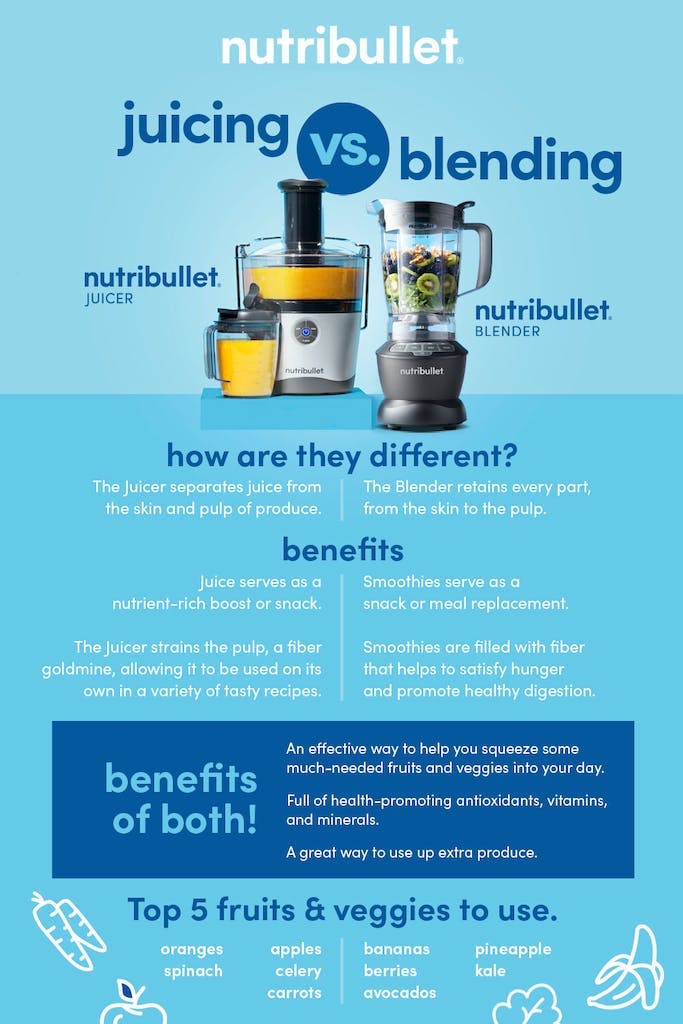
Juicers extract liquid and separate the pulp. Blenders mix whole fruits and vegetables into a thick drink. This process changes fiber, vitamins, and sugar levels.
Fiber Content In Juices Vs Smoothies
Juices remove most of the fiber during extraction. This leaves a smooth, thin drink that is easy to digest. Smoothies keep all the fiber because they blend whole fruits and veggies. Fiber helps digestion and keeps you full longer. Smoothies provide more fiber, which supports gut health.
Vitamin And Mineral Retention
Juicing can reduce some vitamins and minerals due to exposure to air. Vitamins like C and A may break down faster in juice. Blending keeps all parts of the fruit or vegetable, preserving more nutrients. Quick consumption is best for both to get the most vitamins and minerals.
Impact On Blood Sugar Levels
Juices can cause a quick rise in blood sugar. They contain natural sugars without fiber to slow absorption. Smoothies release sugar slower because of the fiber content. This helps avoid spikes and crashes in blood sugar. People with blood sugar concerns may prefer smoothies over juices.
Credit: www.nutribullet.com
Texture And Flavor Profiles
The texture and flavor of your drink depend a lot on whether you use a juicer or a blender. Each machine changes the feel and taste in different ways. Understanding these differences helps you choose the right tool for your needs.
Smoothness And Consistency
Blenders keep all parts of the fruit or vegetable. This makes drinks thick and creamy. You get a smooth texture but with some pulp and fiber. Juicers remove the fiber and skin. This creates a thinner, clearer juice. The texture is lighter and easier to drink fast.
Taste Variations
Juicing extracts pure juice, leaving behind bitter parts. This makes the flavor sweeter and sharper. Blending mixes everything, including the skin and seeds. This can add a slight bitterness but more natural taste. Blended drinks taste fuller and richer. Juiced drinks taste fresh and bright.
Suitability For Different Ingredients
Juicers work best with watery fruits and vegetables like oranges and cucumbers. They do not handle soft fruits well. Blenders handle all kinds of ingredients, including bananas and avocados. They also make smoothies with nuts and yogurt. Choose a blender for thick and creamy drinks. Choose a juicer for light, clear juices.
Health Benefits Comparison
Choosing between a juicer and a blender can affect your health in different ways. Both tools help you eat more fruits and vegetables. Yet, they offer unique benefits that impact your body differently. Understanding these effects can guide you to better health choices.
Detoxification Effects
Juicing removes the fiber, leaving pure liquid nutrients. This allows fast absorption of vitamins and minerals. It helps flush out toxins quickly. Blending keeps the fiber, which slows digestion. This supports gradual detox and steady energy release. Both aid detox, but juicing offers quicker nutrient delivery.
Weight Management Support
Juicers provide low-calorie drinks that fill you up fast. They can reduce hunger and calorie intake. Blenders create thicker drinks with fiber, helping you feel full longer. Fiber slows digestion and controls blood sugar levels. For weight loss, juicing offers quick drinks, while blending supports fullness and balance.
Digestive Health Impact
Blended drinks keep all the fiber from fruits and vegetables. Fiber improves digestion and bowel regularity. It feeds good bacteria in your gut. Juicing removes fiber, so it may not support digestion as well. Blending helps maintain healthy digestion by preserving natural fiber content.
Ease Of Use And Cleanup
Choosing between a juicer and a blender often depends on how easy they are to use and clean. These factors can save time and effort in the kitchen. Both tools have different setups and require different levels of maintenance. Understanding these differences helps make a better choice.
Setup And Operation
Juicers usually have more parts to assemble before use. You need to attach the pulp container and the juice collector. Blenders come with fewer pieces. Just place the jar on the base and secure the lid. Operating a juicer involves feeding fruits or vegetables slowly. Blenders work by adding ingredients and pressing a button. Overall, blenders are simpler to set up and start.
Cleaning Time And Effort
Cleaning a juicer takes more time. Many small parts trap pulp and juice. Each part needs rinsing and scrubbing. Blenders have fewer parts, usually just a jar, lid, and blade. These parts wash quickly under running water. Some blender jars go in the dishwasher. Juicers require more care to avoid clogged filters. Blenders offer faster cleanup after use.
Maintenance Tips
For juicers, clean parts immediately after use. Dry all pieces completely to avoid mold. Check and sharpen blades regularly for better performance. Blenders need less frequent maintenance. Remove blades carefully for deep cleaning. Avoid grinding hard items that dull the blades. Store both appliances in dry, safe places. Regular care extends their lifespan and keeps them working well.
Cost And Durability
Cost and durability matter most when choosing between a juicer and a blender. Both appliances have different price points and build quality. These factors affect how long they last and how much you spend overall. Understanding these differences helps you make the right choice for your kitchen and budget.
Initial Investment
Juicers often cost more than blenders at the start. This is because juicers have complex parts to extract juice efficiently. Blenders are usually simpler and cheaper. You can find blenders for under $50. Juicers tend to start around $100 and go higher.
Long-term Reliability
Durability depends on the brand and model. Juicers have many moving parts that can wear out faster. Blenders have fewer parts, so they often last longer. Maintenance is key for both. Cleaning juicers thoroughly prevents damage. Blenders need less frequent deep cleaning.
Warranty And Customer Support
Check the warranty before buying. Juicers often come with shorter warranties, about 1 to 3 years. Blenders may offer longer coverage, sometimes up to 5 years. Good customer support helps fix problems quickly. Choose brands known for reliable service and easy repairs.
Best Choices For Different Lifestyles
Choosing between a juicer and a blender depends on your daily habits and goals. Each appliance suits different lifestyles and needs. Understanding which fits best helps you enjoy healthy drinks more often.
Busy Professionals
Busy professionals need quick, easy options. Juicers work well here. They extract juice fast and leave pulp behind. This means less cleanup and more time saved. Fresh juice offers a quick vitamin boost before work. Blenders take longer to clean and prepare. Juicers provide a convenient way to stay healthy on the go.
Fitness Enthusiasts
Fitness lovers want nutrient-rich drinks for energy and recovery. Blenders are ideal. They keep all fiber, which helps digestion and fullness. Smoothies mix fruits, vegetables, and protein powders easily. Juicers remove fiber, so the drink is lighter but less filling. Blenders help build balanced meals in a glass. They support active lifestyles with more substance.
Families And Kids
Families need versatile tools for different tastes and ages. Blenders suit families well. They make smoothies, soups, and sauces quickly. Kids enjoy creamy, sweet drinks with hidden veggies. Juicers make pure juices but may waste parts of fruits and vegetables. Blenders offer more variety and fun for all family members. They encourage healthy eating habits for children.
Popular Recipes To Try
Exploring recipes can help you decide between a juicer and a blender. Each appliance suits different types of drinks and textures. Trying out popular recipes gives you a clear idea of what works best for your taste and needs.
Juicer-based Drinks
Juicers extract pure juice from fruits and vegetables. They create smooth, pulp-free drinks. Classic carrot and apple juice is refreshing and full of vitamins. Green juices with spinach, cucumber, and lemon offer a healthy boost. Beetroot juice provides a rich, earthy flavor and natural energy. Juicers keep drinks light and easy to digest.
Blender Smoothies
Blenders mix whole fruits, vegetables, and liquids. Smoothies are thick and creamy with fiber included. Banana and strawberry smoothies taste sweet and smooth. Adding yogurt or milk makes them richer and more filling. Green smoothies with kale, avocado, and pineapple offer nutrients and fiber. Blenders allow for thicker textures and more variety.
Hybrid Creations
Combining juicing and blending brings the best of both worlds. Start with fresh juice as a base for your smoothie. Add blended fruits like banana or mango for texture. This mix creates flavorful drinks that are both smooth and rich. Try mixing orange juice with blended berries and spinach. Hybrid drinks offer unique taste and good nutrition.

Credit: www.youtube.com
Frequently Asked Questions
What Are The Main Differences Between A Juicer And Blender?
A juicer extracts liquid from fruits and vegetables, leaving pulp behind. A blender blends whole fruits and vegetables, including fiber, into a thicker smoothie. Juicers produce clear juice, while blenders create a thicker, fiber-rich drink.
Which Is Healthier: Juicer Or Blender?
Blenders retain fiber, aiding digestion and blood sugar control. Juicers remove fiber but provide quick nutrient absorption. Both offer health benefits; choose based on your dietary needs and preferences.
Can A Blender Replace A Juicer?
Blenders can mimic some juicer functions but won’t separate pulp from juice. They make smoothies with fiber, not clear juice. For pure juice, a juicer is better.
Is Cleaning Easier For A Juicer Or Blender?
Blenders usually have fewer parts and clean faster. Juicers have multiple components that require thorough cleaning. Both need regular maintenance to avoid residue buildup.
Conclusion
Choosing between a juicer and a blender depends on your needs. Juicers extract juice, leaving pulp behind. Blenders keep the whole fruit or vegetable. Juicers give a smooth, thin drink. Blenders create thicker, fuller smoothies. Both tools help you eat more fruits and veggies.
Think about texture and fiber before deciding. Use your choice to enjoy healthy drinks daily. Simple and fresh—your body will thank you.