Last Updated on February 13, 2026
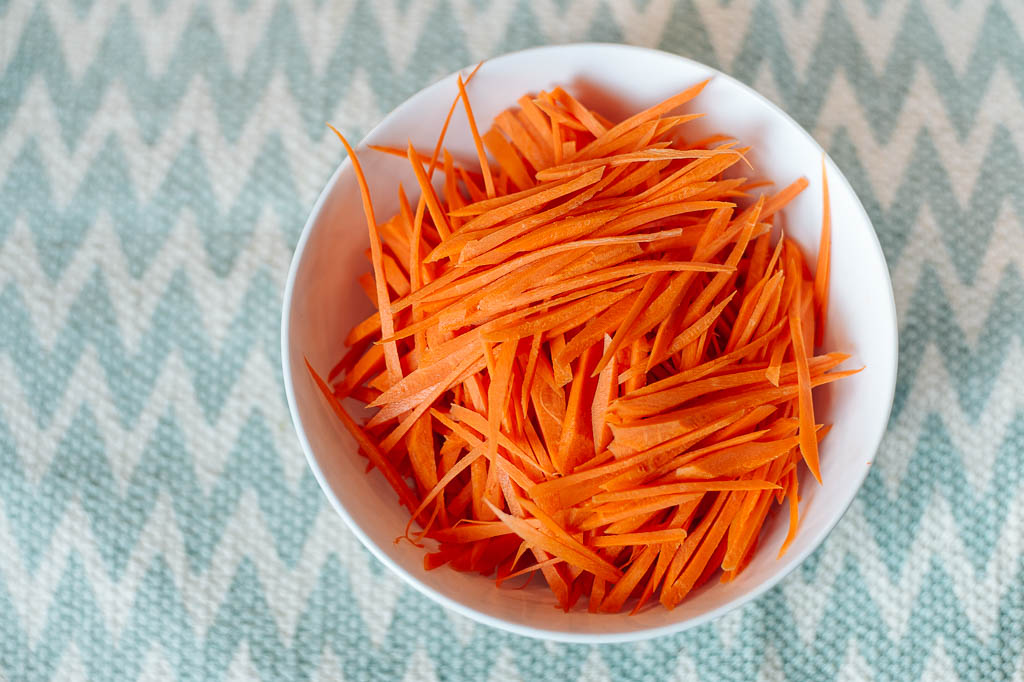
If you want to take your cooking to the next level, mastering julienne vegetables is a simple trick that can make a big difference. Imagine perfectly thin, matchstick-sized veggies that cook evenly and look beautiful on your plate.
Whether you’re prepping a salad, stir-fry, or garnish, knowing how to julienne can save you time and impress everyone at the table. Ready to discover how this easy technique can transform your meals and boost your kitchen confidence? Keep reading—you’re about to unlock a game-changing skill.
Credit: arbuz.com
Choosing The Right Vegetables
Choosing the right vegetables is key to perfect julienne cuts. Not all vegetables work well with this thin, stick-like shape. Some hold their shape better and taste great when cut this way. Picking the right veggies makes cooking easier and the dish more appealing.
Best Veggies For Julienne Cuts
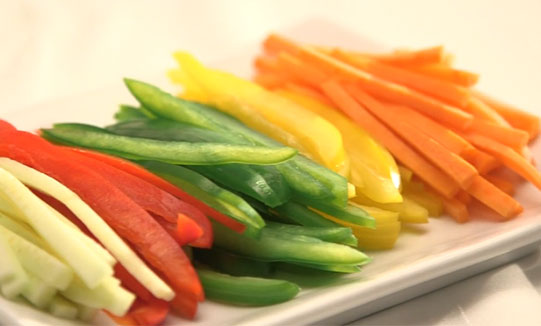
Carrots are classic for julienne cuts. They are firm and hold their shape well. Zucchini also works well because it is soft but not mushy. Bell peppers add color and crunch. Cucumbers give a fresh, crisp texture. Celery sticks are perfect for their natural crunch. These vegetables make your dish look neat and taste great.
Freshness And Texture Tips
Choose vegetables that are fresh and firm. Soft or old vegetables will break when cut thin. Look for bright colors and smooth skins. Avoid veggies with bruises or spots. Wash them well and dry before cutting. Freshness keeps the taste strong and texture crisp. This makes your julienne cuts clean and easy to cook.
Essential Tools For Julienne
Julienne vegetables need precise cutting tools. The right tools make slicing easier and safer. Using proper equipment helps create thin, even strips. These tools are basic but important for any kitchen.
Knives And Blades
A sharp knife is key for julienne cuts. A chef’s knife with a thin blade works best. It allows clean, straight slices. Keep knives sharp to avoid slipping. A paring knife can help with smaller vegetables.
Mandoline Slicers
Mandoline slicers speed up the julienne process. They have adjustable blades for uniform cuts. Use the julienne blade setting for perfect strips. Always use the hand guard for safety. Mandolines save time and effort in the kitchen.
Cutting Boards
Choose a sturdy cutting board for julienne vegetables. It keeps the vegetables stable during cutting. Wooden or plastic boards work well. Clean boards prevent cross-contamination. A large board gives enough space for easy slicing.
Preparing Vegetables For Cutting
Preparing vegetables for cutting is the first step to perfect Julienne slices. Clean, trimmed vegetables ensure even cuts and better cooking. Proper preparation also makes the cutting process safer and faster. Follow simple steps to get your vegetables ready.
Washing And Peeling
Start by washing vegetables under cold running water. This removes dirt, bacteria, and pesticides. Use a soft brush for firm vegetables like carrots or potatoes. After washing, peel the vegetables if needed. Peeling removes tough skins and makes slicing easier. Always use a sharp peeler to avoid wasting vegetable flesh.
Trimming And Squaring
Trim off ends and damaged parts of the vegetable. Cut a small slice to create a flat surface. This helps the vegetable stay stable while cutting. Next, square the vegetable by cutting edges to form a rectangle. Squaring ensures uniform thickness for all slices. This step is key for consistent Julienne strips.
Step-by-step Julienne Technique
Julienne is a classic cutting style that creates thin, even strips of vegetables. This technique works well for carrots, zucchini, and peppers. It helps vegetables cook evenly and look attractive on the plate. Follow these steps to cut perfect julienne vegetables every time.
Creating Uniform Strips
Start by washing and peeling the vegetable. Cut it into sections about 2 to 3 inches long. Slice each section into thin, flat slabs, about 1/8 inch thick. Stack the slabs carefully and cut them into thin strips of the same width. Keep your cuts steady and consistent. Uniform strips ensure even cooking and a neat presentation.
Safety Tips While Cutting
Use a sharp knife for clean cuts and better control. Keep your fingers curled inward to avoid cuts. Hold the vegetable firmly but do not press too hard. Cut on a stable cutting board to prevent slipping. Take your time and focus on each slice. Safety helps you work faster and avoid injuries.
Common Mistakes To Avoid
Julienne vegetables look great and cook evenly when cut right. Many beginners make mistakes that affect texture and appearance. Avoiding these common errors helps improve your cooking and presentation.
Uneven Cuts
Cutting vegetables unevenly leads to uneven cooking. Thin pieces cook fast, thick ones take longer. This causes some parts to burn while others stay raw. Use a ruler or guide to keep strips the same size. Consistent cuts create better texture and flavor in dishes.
Improper Knife Handling
Holding your knife incorrectly slows you down and risks injury. A poor grip reduces control and precision. Hold the knife handle firmly with your dominant hand. Use your other hand to steady the vegetable, curling fingers inward. This technique protects your fingers and helps make clean cuts.
Using Julienne Vegetables
Using julienne vegetables adds texture and style to many dishes. Their thin, even strips cook quickly and look neat. This cutting method works well in many recipes. It helps vegetables blend with other ingredients while keeping a nice crunch.
Cooking Methods
Julienne vegetables cook fast because of their thin shape. Sautéing is a popular choice. It cooks vegetables evenly and keeps their color bright. Stir-frying is another great option. It preserves the crispness and flavor. Steaming julienne vegetables works too. It softens them without losing nutrients. These methods suit many vegetables like carrots, zucchini, and peppers.
Presentation Ideas
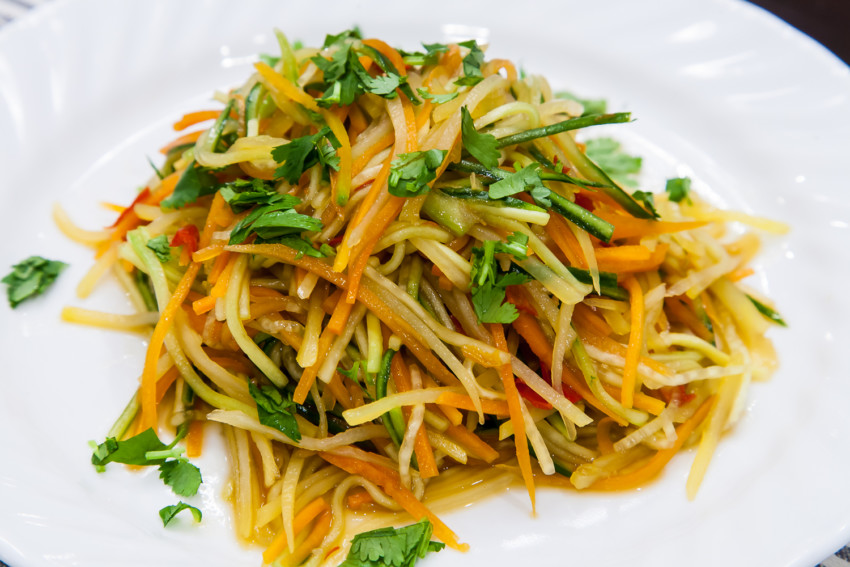
Julienne vegetables improve a dish’s look. Use them as a colorful garnish on plates or bowls. They add height and texture to salads. Mix different colors for a vibrant effect. Serve them raw with dips for a healthy snack. Arrange strips in neat piles for a clean, elegant style. This simple cut makes meals more inviting and fresh.
Storing Julienne Vegetables
Storing julienne vegetables properly keeps them fresh and crisp. This ensures they stay tasty for your meals. Different storage methods suit short and long-term needs. Proper storage saves time and reduces waste.
Short-term Storage
Place julienne vegetables in an airtight container. Use a paper towel inside to absorb moisture. Keep the container in the refrigerator’s crisper drawer. This helps maintain freshness and crunch. Avoid washing vegetables before storage to prevent sogginess. Wash just before cooking or eating.
Freezing Tips
Freeze julienne vegetables to extend their shelf life. Blanch them in boiling water for 1-2 minutes first. Then cool quickly in ice water to stop cooking. Drain and dry vegetables completely to avoid ice crystals. Pack in freezer-safe bags or containers. Remove as much air as possible before sealing. Label with the date for easy tracking. Frozen julienne vegetables work well in cooked dishes.
Credit: www.eatright.org
Credit: www.asiancookingmom.com
Frequently Asked Questions
What Are Julienne Vegetables?
Julienne vegetables are thin, matchstick-sized strips of veggies. This cutting style ensures even cooking and elegant presentation in salads, stir-fries, and garnishes.
How To Julienne Vegetables Easily At Home?
Use a sharp knife or mandoline slicer. Cut vegetables into uniform thin strips about 1/8 inch thick for consistent texture and cooking.
Which Vegetables Are Best For Julienne Cutting?
Carrots, zucchini, cucumbers, bell peppers, and potatoes are ideal. These vegetables hold shape well and cook evenly when julienned.
Why Use Julienne Vegetables In Recipes?
Julienne vegetables cook faster and look attractive. They enhance dish texture and make meals visually appealing and restaurant-quality.
Conclusion
Julienne vegetables add a fresh, crisp touch to many dishes. They cook quickly and look nice on the plate. Cutting vegetables this way helps them blend well in recipes. You can use many kinds like carrots, peppers, and zucchini. Trying julienne cuts makes cooking easier and more fun.
Give it a try to see the difference it makes!