Last Updated on December 15, 2025
Have you ever struggled with a knife that just won’t cut through tough food or materials? Imagine having a knife with teeth—designed to grip, saw, and slice with ease.
This simple feature can transform your cutting experience, making tasks faster and less frustrating. If you want to discover why a knife with teeth could be your next kitchen or outdoor tool essential, keep reading. You’ll learn how this small change can make a big difference in your daily cutting needs.
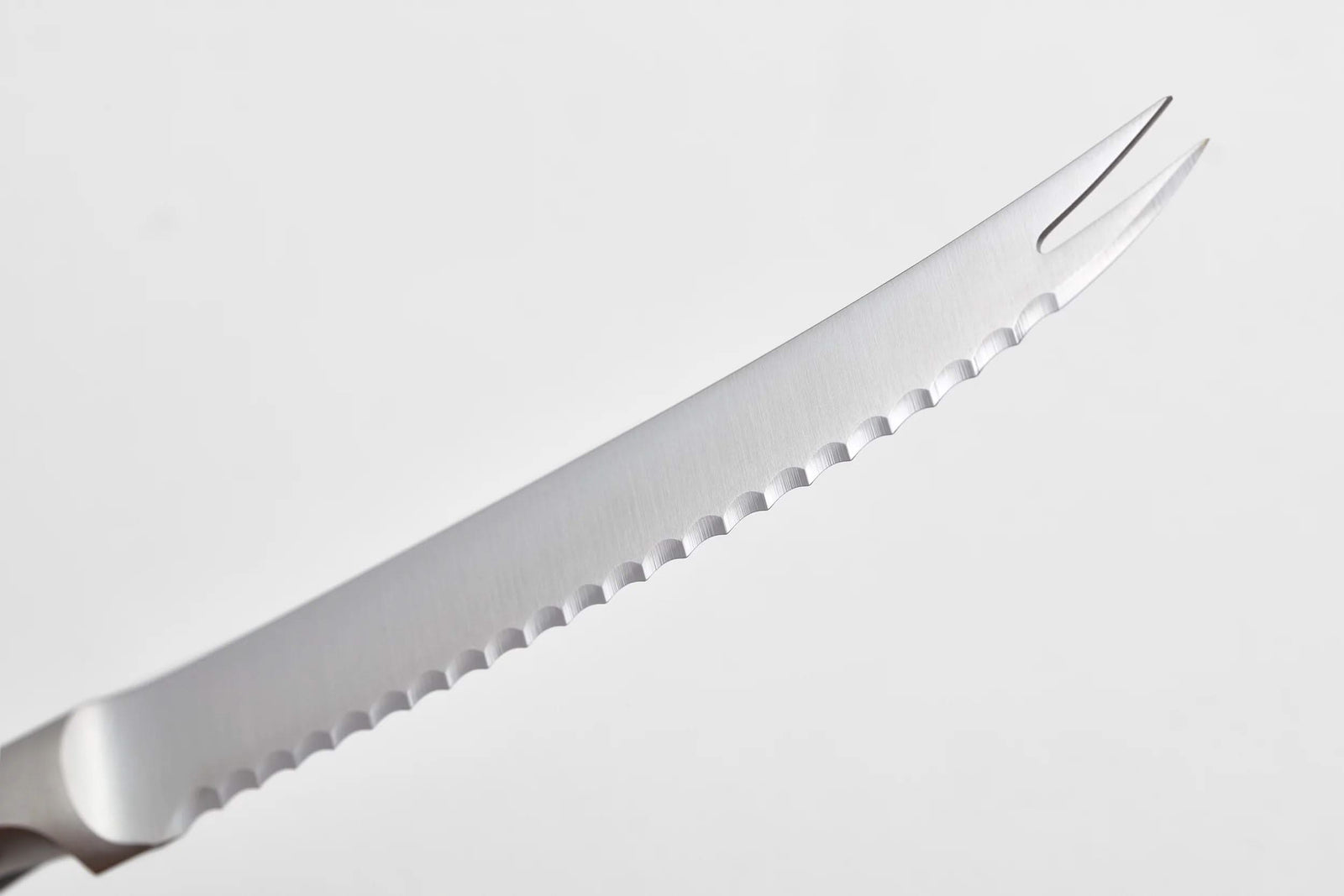
Credit: cookinglife.eu
Types Of Teeth On Knives
Knives with teeth have different types of edges designed for specific tasks. The shape and size of these teeth affect how the knife cuts through materials. Choosing the right type of teeth improves cutting performance and control.
Serrated Blades
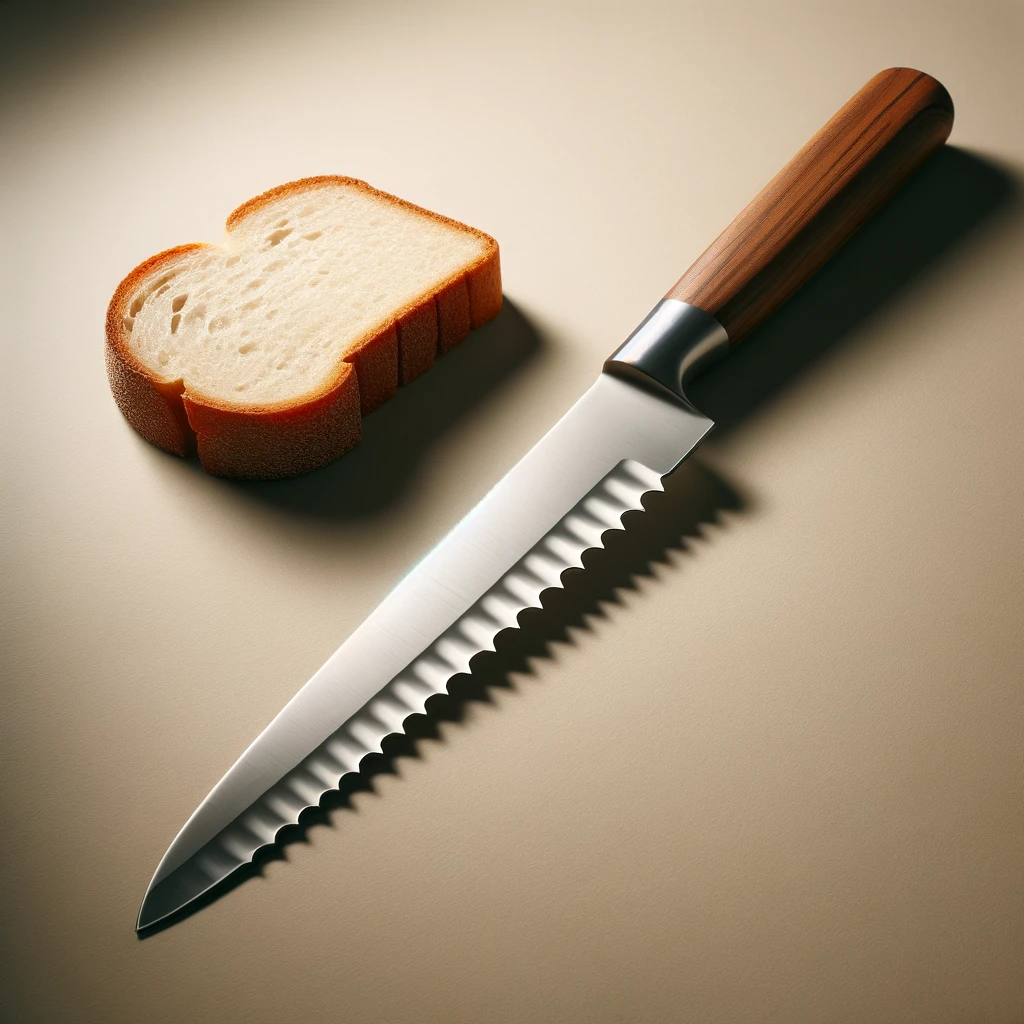
Serrated blades have sharp, saw-like teeth along the edge. These teeth cut well through tough surfaces like bread or rope. They grip the material and slice without crushing it. Serrated blades stay sharp longer than plain edges.
Scalloped Edges
Scalloped edges feature curved, wave-like indentations. These shallow teeth reduce friction while cutting. They work well on soft foods like tomatoes or cakes. Scalloped edges create smooth slices with less effort.
Micro-teeth Patterns
Micro-teeth patterns have very small, fine teeth. These tiny teeth offer precise, clean cuts on delicate items. They are common in knives for fruits and vegetables. Micro-teeth help avoid tearing or crushing soft food.
Materials And Blade Quality
The quality of a knife depends heavily on the materials used and the blade’s craftsmanship. Different steels offer various benefits like strength, sharpness, and rust resistance. The right blade material can improve cutting performance and the knife’s lifespan.
Understanding the types of steel and treatments helps in choosing the best knife for your needs. Each material has unique properties that affect how the blade holds an edge and resists wear. Let’s explore common stainless steels, high carbon steel, and special coatings.
Stainless Steel Varieties
Stainless steel blades resist rust and stains due to chromium content. Popular types include 440C, VG-10, and AUS-8. These steels balance hardness and corrosion resistance well. They are easy to maintain and stay sharp for a good time.
Stainless steel suits outdoor and kitchen knives. It handles moisture better than other steels. This makes it a reliable choice for everyday use. The blade edge stays clean and strong with proper care.
High Carbon Steel
High carbon steel contains more carbon than stainless steel. This makes the blade harder and sharper. It holds an edge longer but needs careful maintenance to avoid rust.
Knives with high carbon steel blades are popular among chefs. They offer precise cutting and easy sharpening. The downside is they can discolor or corrode if not dried properly. But many users prefer their superior cutting ability.
Coatings And Treatments
Blade coatings protect against wear and corrosion. Common coatings include titanium nitride and black oxide. These layers improve blade durability and reduce friction during cutting.
Treatments like heat hardening increase steel toughness. They make the blade less likely to chip or break. Some knives also have special finishes to enhance appearance and performance. Coatings and treatments extend the knife’s useful life.
Choosing The Right Tooth Pattern
Choosing the right tooth pattern on a knife is important for better cutting. Different tooth patterns work best on different foods. Picking the right one makes cutting easier and safer. It also helps keep the knife sharp longer. Understanding each pattern helps you use the knife well.
Cutting Bread And Soft Items
Knives with large, widely spaced teeth work best for bread. They cut through the crust without crushing the soft inside. These teeth grip the surface and slice smoothly. Soft items like tomatoes or cakes need gentle cutting. A knife with smaller, scalloped teeth handles soft foods well. It avoids squashing or tearing the item.
Slicing Meat And Tough Surfaces
Meat and tough surfaces need strong, sharp teeth. A knife with fine, pointed teeth can cut through sinew easily. These teeth grip and saw through fibrous material. Coarse teeth work well on cooked meat with a crust. They help slice cleanly without much effort. Choose teeth size based on meat texture.
Multi-purpose Use
Some knives have a mix of tooth sizes for many tasks. These work well if you want one knife for all foods. Medium-sized teeth balance cutting power and smoothness. They handle bread, meat, and soft foods fairly well. A multi-purpose tooth pattern suits kitchens with limited knives. It offers flexibility without switching blades often.
Handle Designs And Comfort
The handle design of a Knife With Teeth plays a big role in how comfortable it feels. A good handle helps you hold the knife firmly and reduces hand fatigue. Comfort and control come from the handle’s shape, material, and balance.
Ergonomic Handles
Ergonomic handles fit the natural shape of your hand. They reduce strain during use. Curves and finger grooves guide your grip. This design lowers the chance of slipping. You can work longer without discomfort.
Material Options
Handle materials vary widely. Common choices include wood, plastic, and rubber. Wood offers a classic look and warmth. Plastic handles are lightweight and easy to clean. Rubber grips provide extra traction when hands are wet. Each material affects comfort and durability differently.
Balance And Grip
Balance influences how well the knife feels in your hand. A well-balanced knife feels steady and easy to control. Grip texture matters too. A rough or patterned surface improves hold. This prevents slipping, especially during tough cutting tasks.
Maintenance And Sharpening
Proper maintenance keeps your knife with teeth sharp and durable. Regular care helps the blade cut well and last longer. Sharpening, cleaning, and storing are key steps to follow. Each step protects the blade and your safety.
Sharpening Serrated Blades
Serrated blades need special sharpening tools. Use a round sharpening rod made for serrations. Match the rod size to the blade’s teeth. Sharpen each serration by sliding the rod gently inside. Avoid sharpening the flat side to keep the teeth sharp. Repeat the process until the edge feels sharp. Check the blade often to keep it in good shape.
Cleaning Tips
Clean your knife after every use to prevent rust and stains. Use warm water and mild soap. Avoid harsh chemicals that can damage the blade. Dry the knife completely with a soft cloth. Do not put your knife in the dishwasher. Hand washing is safer and keeps the blade sharp longer.
Storage Recommendations
Store your knife safely to protect the blade and yourself. Use a knife block, magnetic strip, or blade guard. Avoid storing knives loose in drawers. Keep knives dry before storing to stop rust. Store knives out of reach of children for safety.
Credit: tsprof.us
Top Brands And Models
Choosing the right knife with teeth depends on the brand and model. Each brand offers different features and designs. Some knives focus on strength and sharpness. Others balance quality and price. Some models serve special purposes like hunting or cooking.
This section highlights top brands and models. It breaks them into three groups. Professional grade knives, budget-friendly options, and specialty blades. Each group fits different needs and uses.
Professional Grade Knives
Professional grade knives offer excellent sharpness and durability. Brands like Gerber, Spyderco, and Benchmade lead this category. These knives use high-quality steel and strong handles. They keep a sharp edge longer. Many professionals trust these knives for tough tasks. They often feature ergonomic designs for comfort. These knives work well for outdoor and survival activities.
Budget-friendly Options
Budget-friendly knives provide good value without high costs. Brands like Morakniv and Kershaw make reliable knives at lower prices. These models are perfect for beginners or casual users. They usually have simple designs but remain functional. Many budget knives include stainless steel blades. They resist rust and need less maintenance. These knives balance quality and affordability well.
Specialty Blades
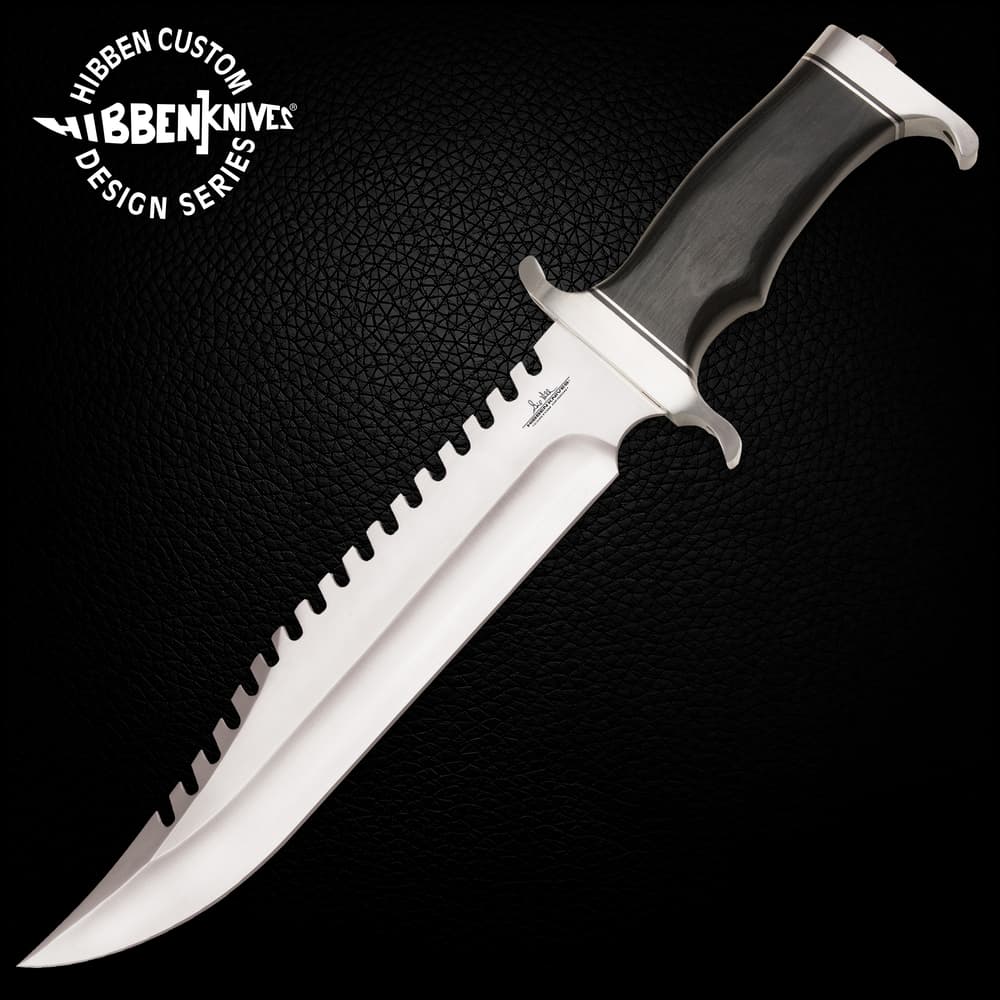
Specialty blades focus on specific tasks or styles. Some brands design knives for hunting, fishing, or camping. Brands like Buck Knives and Cold Steel excel here. These knives may have serrated edges or unique teeth patterns. They help cut through tough materials like rope or bone. Specialty blades often have added features like gut hooks or saw teeth. They serve users with precise needs and preferences.
Safety Tips For Using Teeth Blades
Using a knife with teeth blades can be very useful for many tasks. These blades cut through tough materials easily. But safety must come first. Careless use can cause serious injuries. Follow simple safety tips to protect yourself and others.
Proper Cutting Techniques
Hold the knife firmly and keep your fingers clear. Cut away from your body, never toward it. Use smooth, steady motions to avoid slips. Apply even pressure to control the blade. Avoid forcing the knife; let the teeth do the work.
Handling And Storage Safety
Always handle the knife by the handle, not the blade. Keep the blade clean and dry to prevent rust. Store knives in a sheath or knife block. Keep knives out of reach of children. Check blades regularly for damage and replace if needed.
Avoiding Common Injuries
Wear cut-resistant gloves for extra protection. Keep your work area well-lit and clutter-free. Never try to catch a falling knife. Focus fully on your cutting task. Stop using the knife if it feels dull or hard to control.
Credit: www.trueswords.com
Frequently Asked Questions
What Is A Knife With Teeth?
A knife with teeth refers to a serrated blade. It has saw-like edges that cut tougher materials easily. These knives are ideal for bread, meat, and fibrous vegetables.
How Does A Serrated Knife Work?
Serrated knives cut by slicing and tearing. The teeth grip the surface, allowing efficient cutting. This design requires less pressure and maintains sharpness longer.
When Should I Use A Knife With Teeth?
Use serrated knives for slicing bread, tomatoes, and cooked meats. They excel at cutting through tough skins without crushing the inside. Avoid using them for precise chopping tasks.
How To Maintain A Knife With Teeth?
Clean serrated knives gently by hand to protect edges. Sharpen only when necessary using special serrated sharpeners. Regular maintenance keeps the teeth sharp and effective.
Conclusion
A knife with teeth offers strong cutting power and control. It works well for tough materials and outdoor tasks. Choosing the right knife depends on your needs and preferences. Keep the blade sharp to ensure safety and efficiency. Try one yourself to see how it feels in use.
A good toothed knife can be a helpful tool every day. Simple, practical, and reliable—qualities everyone appreciates in a knife.