Last Updated on September 28, 2026
Are you tired of spending too much time mashing potatoes by hand? What if you could create smooth, creamy mashed potatoes in just minutes using your blender?
Yes, it’s possible—and it’s easier than you think. Imagine serving perfectly whipped mashed potatoes without the mess or effort. You’ll discover simple steps and insider tips to make your mashed potatoes fluffy and delicious every single time. Keep reading to unlock the secret to quick, tasty mashed potatoes that will impress your family and friends.
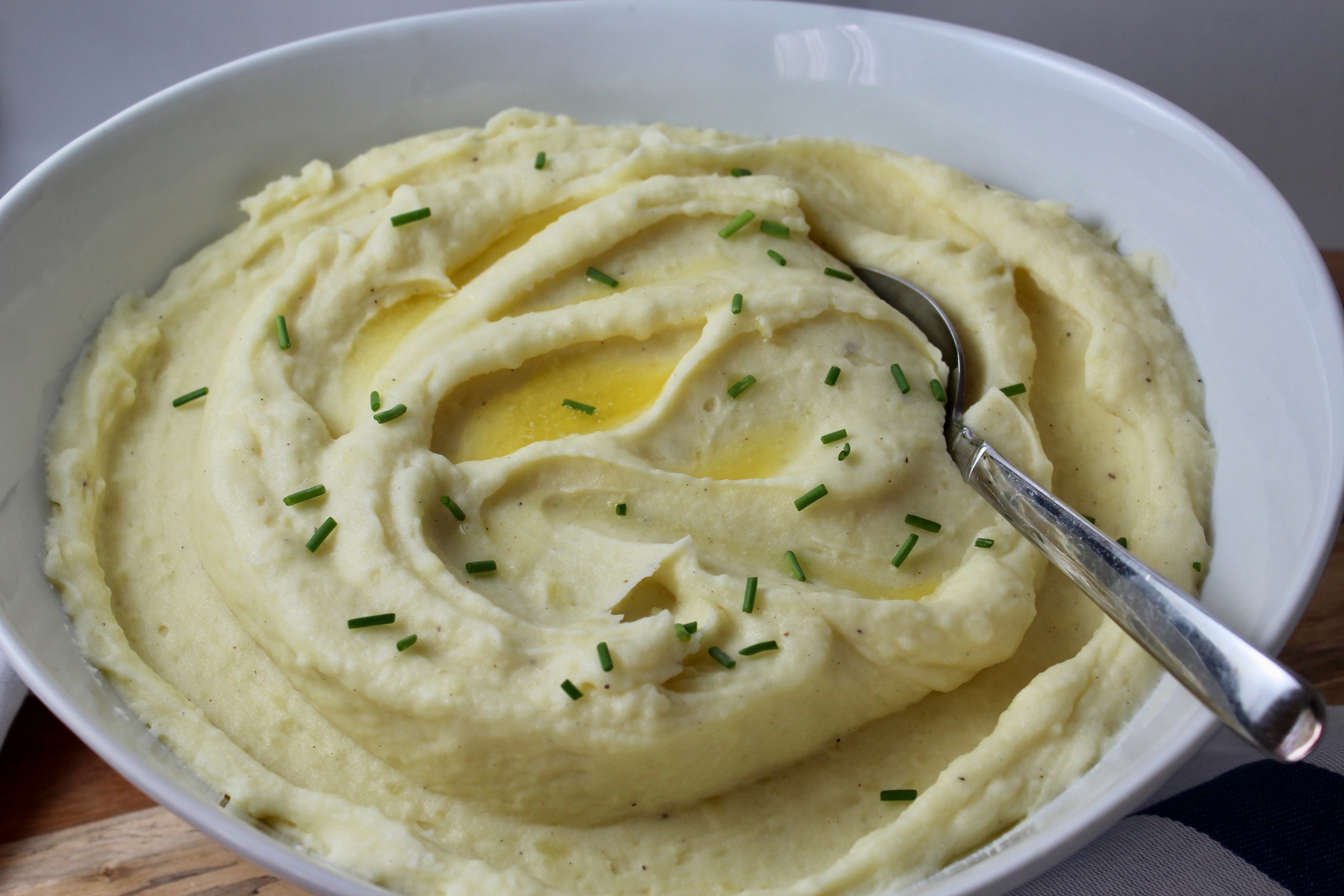
Credit: www.epicuricloud.com
Choosing The Right Potatoes
Choosing the right potatoes is key to making smooth, creamy mashed potatoes in a blender. The type and quality of potatoes affect the texture and flavor. Not all potatoes work well for blending. Knowing which ones to pick helps create perfect mashed potatoes every time.
Best Potato Varieties
Russet potatoes are a top choice. They have a high starch content that makes mash fluffy and light. Yukon Gold potatoes offer a buttery taste and smooth texture. They blend well and add richness. Red potatoes are waxy and hold shape. They are less ideal for blending but work if you want a chunkier mash.
Freshness Matters
Fresh potatoes give the best flavor and texture. Avoid potatoes with green spots or sprouts. These can taste bitter and affect safety. Store potatoes in a cool, dark place to keep them fresh. Use them within a week for the best results. Fresh potatoes blend easily and create a creamy mash without lumps.
Preparing Potatoes For Blending
Preparing potatoes correctly is key to making smooth mashed potatoes in a blender. The texture depends a lot on how you handle the potatoes before blending. Proper preparation helps you avoid lumps and watery mash. This section guides you through the simple steps.
Start with the right peeling and cutting methods. Then, boil the potatoes just enough to get the perfect soft texture. Follow these easy tips for great results.
Peeling And Cutting Tips
Peel the potatoes completely to avoid tough bits in the mash. Use a sharp peeler for easy work. Cut the potatoes into small, even pieces. About 1 to 2-inch chunks work best. Small pieces cook faster and blend smoothly. Uneven pieces lead to uneven cooking and lumps.
Boiling For Optimal Texture
Place the cut potatoes in cold water before boiling. This removes extra starch and stops browning. Boil the potatoes until they are soft but not falling apart. Test by poking with a fork. The fork should slide in easily. Drain the potatoes well to avoid watery mash. Let them sit for a minute to dry slightly. Proper boiling ensures smooth, creamy mashed potatoes in your blender.
Blender Settings And Techniques
Blending mashed potatoes can save time and effort. The right blender settings help get smooth, creamy potatoes. Using the right techniques prevents common mistakes like gluey texture or lumps. Small changes in speed and timing make a big difference in the final dish.
Learning how to control the blender helps keep the perfect texture. This section explains key settings and techniques for the best mashed potatoes.
Avoiding Overmixing
Overmixing mashed potatoes makes them sticky and dense. Potatoes release starch when blended too much. This causes gluey, unpleasant texture. Blend potatoes just enough to break lumps. Stop as soon as potatoes look smooth and creamy. Use short blending times and check often. This keeps the fluffy, light texture everyone loves.
Pulse Vs. Blend Modes
Pulse mode offers better control during blending. It mixes potatoes in short bursts. This helps avoid overmixing. Blend mode runs continuously and can overwork potatoes. Use pulse for chunkier, rustic mash. Use blend mode for very smooth potatoes. Start with pulse, then use blend briefly if needed. This method prevents mushy potatoes and keeps good texture.
Adding Creaminess And Flavor
Adding creaminess and flavor to mashed potatoes in a blender is simple. The key is choosing the right ingredients and seasoning. These choices make your mashed potatoes smooth, rich, and tasty. Even using a blender, you can get a texture just like hand-mashed potatoes.
Now, let’s explore how butter, cream, and seasoning bring life to your dish.
Butter And Cream Choices
Butter adds a rich, smooth texture to mashed potatoes. Use unsalted butter to control salt levels. Room temperature butter blends better in the blender. Heavy cream makes potatoes creamy and soft. You can also use half-and-half for a lighter option. Milk or plant-based milk works too, but cream is best for richness. Adding butter and cream little by little helps avoid a runny texture. Blend gently to keep the potatoes fluffy, not gluey.
Seasoning Tips
Salt is essential to bring out potato flavor. Add it in small amounts and taste as you go. Freshly ground black pepper adds a mild kick. Garlic powder or roasted garlic gives a nice aroma. Chives or parsley add color and a fresh taste. A pinch of nutmeg can add warmth without overpowering. Avoid heavy spices; keep it simple to highlight creaminess. Season well before blending for even flavor in every bite.
Troubleshooting Common Issues
Making mashed potatoes in a blender can save time and effort. Yet, some common problems may appear. These issues can affect the texture and taste of your mash. Knowing how to fix them helps you get the perfect result every time.
Fixing Watery Mash
Watery mashed potatoes feel thin and lack creaminess. This happens when too much liquid is added or potatoes hold extra water. To fix watery mash, avoid adding all the milk or cream at once. Add liquid slowly and check the texture. You can also cook potatoes a little longer to remove excess water. Another tip is to use starchy potatoes like Russets, which absorb moisture better. Finally, blend the potatoes for a shorter time to prevent water release.
Dealing With Lumps
Lumps in mashed potatoes make the texture uneven. They can form if potatoes are not cooked enough or blended too little. To avoid lumps, cook potatoes until they are very soft. Cut them into equal pieces for even cooking. Use the blender on a low speed to gently mash them. Over-blending can also cause lumps by making the starch clump together. Stir gently with a spoon after blending to smooth out any remaining lumps. Patience is key for creamy, lump-free potatoes.
Creative Variations
Mashed potatoes in a blender are quick and smooth. You can make them exciting by trying different flavors. These simple twists bring new life to a classic dish. Small changes create big taste differences. Explore ideas that suit your mood and meal.
Garlic And Herb Infusions
Garlic adds a warm, rich flavor to mashed potatoes. Roasted or fresh, it blends well in the mix. Herbs like parsley, thyme, or rosemary lift the taste. Chop them finely before adding to the blender. The result is fresh, tasty, and fragrant potatoes. This version pairs nicely with grilled meats or vegetables.
Cheese And Bacon Additions
Cheese brings creaminess and depth to mashed potatoes. Cheddar, Parmesan, or cream cheese melt well inside. Crispy bacon bits add crunch and smoky notes. Mix cheese and bacon in the blender or fold them in last. This combo makes a hearty side dish everyone will enjoy. Perfect for family dinners or casual gatherings.
Serving And Storing Tips
Serving and storing mashed potatoes made in a blender is easy with a few simple tips. These methods help keep the mash creamy and tasty. Proper care also saves time and reduces waste.
Keeping Mash Warm
Keep mashed potatoes warm by placing the bowl over a pot of hot water. Stir occasionally to stop a skin from forming. Use a slow cooker on low heat for longer warmth. Cover the mash with a lid or foil to hold moisture. Avoid direct heat to prevent drying out.
Reheating Without Losing Texture
Reheat mashed potatoes gently to keep their smooth texture. Use a microwave at medium power, stirring every 30 seconds. Adding a splash of milk or cream helps restore creaminess. Reheat in a saucepan over low heat, stirring often. Avoid high heat to prevent lumps and dryness.
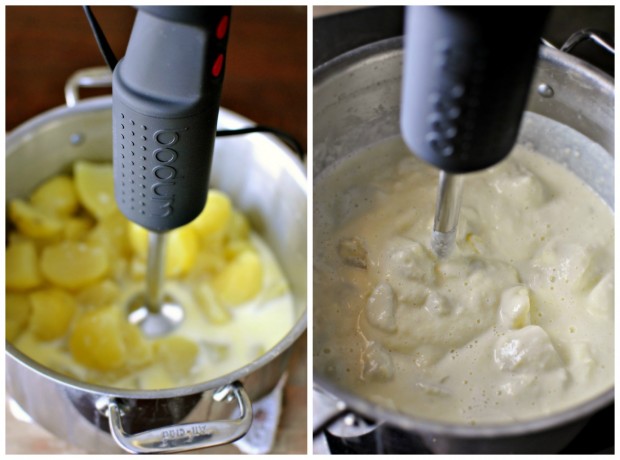
Credit: www.simplyscratch.com
:max_bytes(150000):strip_icc()/mashed-potatoes-with-blender-2000-ac8c5931250b47f78ddb60c85b450c8a.jpg)
Credit: www.realsimple.com
Frequently Asked Questions
Can You Make Mashed Potatoes In A Blender?
Yes, you can make mashed potatoes in a blender. It saves time and creates smooth, creamy potatoes. Avoid over-blending to prevent a gummy texture. Use cooked, soft potatoes and blend in short bursts for best results.
What Type Of Potatoes Work Best For Blending?
Russet and Yukon Gold potatoes work best for blending. They have a starchy texture that yields creamy mashed potatoes. Avoid waxy potatoes, as they can become gluey when blended. Boil until soft before blending for perfect consistency.
How To Avoid Gummy Mashed Potatoes In A Blender?
To avoid gummy mashed potatoes, blend gently and avoid over-processing. Use short pulses instead of continuous blending. Incorporate butter and warm milk gradually. Over-blending releases excess starch, causing a gluey texture. Stop blending once smooth and creamy.
Can I Add Flavorings While Blending Mashed Potatoes?
Yes, add flavorings like butter, garlic, cheese, or herbs while blending. Add liquids slowly to maintain smooth texture. Blend briefly after adding ingredients to combine evenly. This enhances taste without compromising texture.
Conclusion
Blending mashed potatoes saves time and effort in the kitchen. You get smooth, creamy results quickly. Just be careful not to overblend, or potatoes may become gluey. Adding butter and milk makes the taste rich and soft. This method suits busy cooks and beginners alike.
Try it for an easy, tasty side dish. Simple tools can bring great meals to your table. Give blender mashed potatoes a try today.