Last Updated on April 5, 2026
Choosing the right juicer can make a big difference in the taste and health benefits of your juice. You might be wondering whether a masticating or centrifugal juicer is better for you.
Each type works differently and affects the quality of your juice in unique ways. By understanding how these juicers operate, you can pick the one that fits your lifestyle and needs perfectly. Keep reading to discover which juicer will help you get the most from your fruits and vegetables every time.
Credit: www.goodnature.com
Juicing Mechanisms
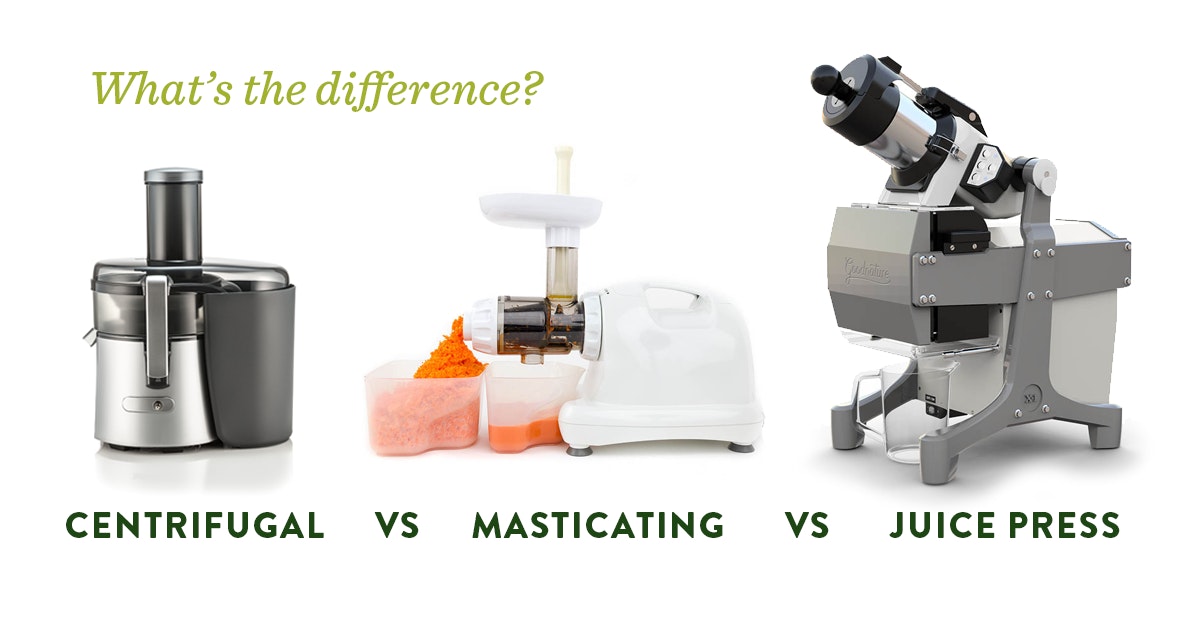
Juicing mechanisms are the core of how juicers extract juice from fruits and vegetables. They determine the juice’s quality, texture, and nutrient content. Understanding these mechanisms helps choose the right juicer for daily use. Two main types of juicers use different methods to get juice out: masticating and centrifugal.
How Masticating Juicers Work
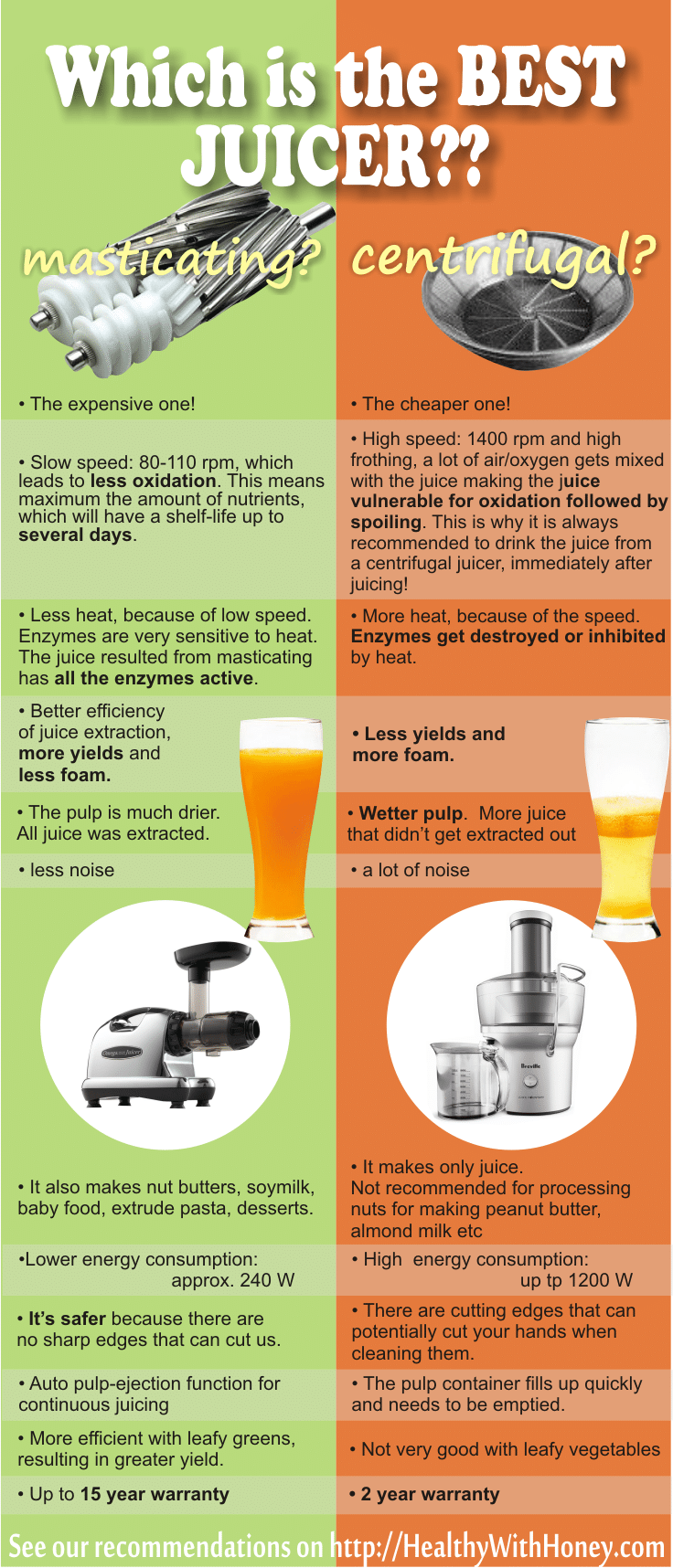
Masticating juicers use a slow, chewing motion to crush fruits and vegetables. They have a single gear or auger that slowly grinds produce. This process squeezes juice out while preserving nutrients and enzymes. The slow speed reduces heat and oxidation, keeping juice fresh longer. Masticating juicers handle leafy greens and wheatgrass well. They produce thicker juice with more pulp and fiber.
How Centrifugal Juicers Work
Centrifugal juicers use a fast-spinning blade to shred produce. The high speed pushes juice through a fine mesh filter. This method quickly separates juice from pulp. Centrifugal juicers work best with hard fruits and vegetables like apples and carrots. They produce juice quickly but may cause more foam and oxidation. Juice from centrifugal juicers is usually lighter and less thick.
Juice Quality Comparison
Juice quality is a key factor when choosing between masticating and centrifugal juicers. Each type affects the juice’s nutrients, taste, and how long it lasts. Understanding these differences helps you pick the best juicer for fresh and healthy drinks.
Nutrient Retention
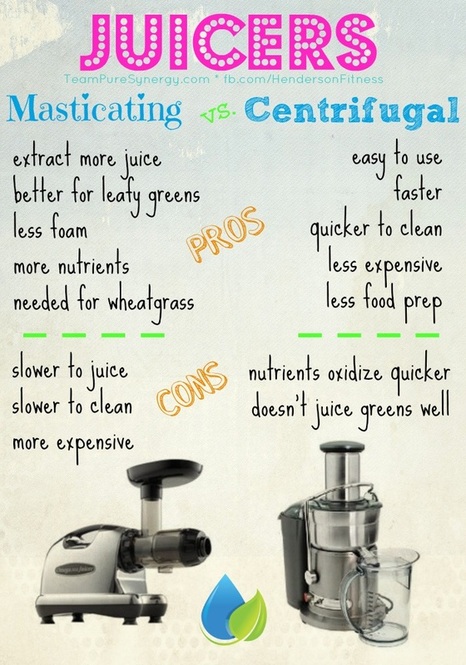
Masticating juicers crush fruits and vegetables slowly. This method keeps more vitamins and enzymes in the juice. Centrifugal juicers spin fast, which can heat the juice. Heat may reduce some nutrients. Masticating juicers usually produce juice with higher nutrient levels.
Oxidation And Shelf Life
Slow pressing in masticating juicers limits air exposure. Less air means less oxidation. Juice from these juicers stays fresh longer, often up to 72 hours in the fridge. Fast spinning in centrifugal juicers adds more air. This causes quicker oxidation and shorter shelf life, usually less than 24 hours.
Juice Texture And Taste
Masticating juicers create thick, smooth juice with less foam. The juice tastes richer and more natural. Centrifugal juicers produce thinner juice with more foam. The taste can be lighter and less fresh. Many prefer masticating juice for its better texture and flavor.
Efficiency And Yield
Efficiency and yield are key factors in choosing the right juicer. They affect how much juice you get and how well the juicer works. Both masticating and centrifugal juicers have different methods that impact these factors. Understanding these differences helps you pick the best juicer for your needs.
Juice Yield Differences
Masticating juicers crush and press fruits and vegetables slowly. This process squeezes out more juice from the produce. It also keeps more nutrients and enzymes intact. You get higher juice yield, especially from leafy greens and soft fruits.
Centrifugal juicers use fast spinning blades to shred produce. The juice is separated by force through a mesh filter. These juicers extract juice quickly but often leave wetter pulp behind. This means less juice yield compared to masticating juicers.
Speed Of Extraction
Centrifugal juicers work fast. They can make a glass of juice in under a minute. This suits those who want quick results without much prep time.
Masticating juicers take longer. They slowly press the produce to get the juice out. The process may take 2 to 5 minutes per glass. This is ideal for those who prefer quality over speed.
Credit: www.hendersonfitness.com
Ease Of Use And Cleaning
Choosing the right juicer often depends on how easy it is to use and clean. These two factors affect daily juicing habits. Both masticating and centrifugal juicers have their own strengths here. Understanding these can help you pick a juicer that fits your routine and saves time.
Setup And Operation
Masticating juicers need more parts to assemble. You must fit the auger, screen, and container properly. This can take a couple of minutes. Centrifugal juicers have fewer parts. They usually snap together quickly and easily. Operating a masticating juicer is slower. It crushes fruits and veggies gently. Centrifugal juicers work fast with a spinning blade. They juice quickly but may make more noise.
Cleaning Time And Effort
Masticating juicers require careful cleaning. The small parts and screens can trap pulp. Rinsing and scrubbing take time. Centrifugal juicers have bigger parts but fewer pieces. You can rinse them faster under water. Some parts of both juicers are dishwasher safe. Cleaning effort depends on the type of produce juiced. Hard fruits and leafy greens leave more residue. Choosing a juicer with easy-to-clean parts reduces hassle.
Versatility And Food Types
Choosing the right juicer depends on the types of food you want to juice. Some juicers handle certain foods better than others. Understanding the versatility of masticating and centrifugal juicers helps you pick the best one.
Both juicers work well with many fruits and vegetables. But their design affects how they process different food types. This affects juice quality and ease of use.
Best For Leafy Greens And Soft Fruits
Masticating juicers excel at juicing leafy greens like spinach and kale. They crush and press the leaves slowly, extracting more juice and nutrients. Soft fruits like berries and grapes also come out smoother with less foam.
Centrifugal juicers use fast spinning blades. They can juice leafy greens but leave more pulp and less juice. Soft fruits may not juice as efficiently and can clog the machine more easily.
Handling Hard Vegetables And Nuts
Masticating juicers handle hard vegetables like carrots and beets with ease. Their slow pressing action extracts maximum juice without heating or oxidizing it. Some models even allow making nut milk from almonds or cashews.
Centrifugal juicers chop hard vegetables quickly but often lose some juice in the pulp. They are not designed to handle nuts well. Using them for nuts can damage the blades or motor.
Noise Levels And Durability
Noise levels and durability are important factors when choosing a juicer. Some juicers are loud and can disturb your home. Others run quietly and last a long time. Understanding these differences helps you pick the best juicer for your needs.
Sound Comparison
Centrifugal juicers are known for being noisy. Their fast spinning blades create a loud sound. This noise can be distracting, especially in the morning. Masticating juicers work slowly and quietly. They use a slow gear to crush fruits and vegetables. This makes much less noise, allowing a peaceful juice-making experience.
Build Quality And Longevity
Masticating juicers usually have a strong build. They use tough materials to handle slow, steady pressure. This means they last longer with regular use. Centrifugal juicers have more moving parts spinning fast. These parts may wear out faster over time. Choosing a juicer with good build quality ensures it stays reliable for years.
Price And Value
Choosing between a masticating and a centrifugal juicer involves thinking about price and value. Both types offer unique benefits that affect their cost. Understanding the initial cost and long-term investment helps make a smart decision.
Initial Cost
Centrifugal juicers usually have a lower starting price. They are simpler machines with fewer parts. This makes them more affordable for many buyers. Masticating juicers cost more at first. Their design is complex to slow down the juicing process. This quality often leads to a higher price tag.
Long-term Investment
Masticating juicers tend to last longer. They work at a slower speed, reducing wear and tear. This means fewer repairs and replacements over time. They also extract more juice, giving better value from fruits and vegetables. Centrifugal juicers may need more frequent repairs. Their fast spinning blades can wear out sooner. Juice yield is usually lower, which can waste produce. Spending more upfront on a masticating juicer can save money later.
Credit: experiencia.camins.cat
Choosing The Right Juicer
Choosing the right juicer can make a big difference in your daily routine. Both masticating and centrifugal juicers have strong points. Understanding your needs helps pick the best option. Consider your lifestyle, health goals, and budget before deciding.
Lifestyle Considerations
Think about how much time you have for juicing. Masticating juicers take longer but produce more juice. Centrifugal juicers work faster and are easier to clean. Choose a juicer that fits your daily schedule and kitchen space.
Health Goals
Masticating juicers keep more nutrients and enzymes in juice. They work well with leafy greens and wheatgrass. Centrifugal juicers are good for hard fruits and vegetables. Pick the juicer that matches the types of juice you want.
Budget Factors
Centrifugal juicers usually cost less upfront. Masticating juicers are pricier but last longer. Consider how often you will use the juicer. A higher price might be worth it for regular juicers.
Frequently Asked Questions
What Is The Main Difference Between Masticating And Centrifugal Juicers?
Masticating juicers crush and press produce slowly, preserving nutrients. Centrifugal juicers use fast spinning blades, creating juice quickly but with more oxidation and foam.
Which Juicer Is Better For Leafy Greens?
Masticating juicers excel at extracting juice from leafy greens. Centrifugal juicers struggle with greens and produce less juice.
Are Masticating Juicers Quieter Than Centrifugal Ones?
Yes, masticating juicers operate at a slower speed, making them quieter. Centrifugal juicers spin fast and tend to be louder during use.
Which Juicer Yields More Juice From Fruits And Vegetables?
Masticating juicers generally yield more juice and retain more nutrients. Centrifugal juicers extract juice quickly but leave more pulp behind.
Conclusion
Choosing between a masticating and centrifugal juicer depends on your needs. Masticating juicers give more juice and keep nutrients better. Centrifugal juicers work faster and are easier to clean. Think about what matters most: juice quality or speed. Both types can help you enjoy fresh juice at home.
Your choice will fit your lifestyle and preferences best. Try to match the juicer with how often and what you want to juice. Simple and clear—pick what feels right for you.