Last Updated on March 10, 2026
Have you ever wondered why your homemade cappuccino or latte doesn’t taste quite like the ones from your favorite café? The secret often lies in the milk frothing temperature.
Getting this right can transform your coffee from ordinary to extraordinary. If you want creamier, smoother foam that enhances every sip, understanding the perfect temperature is key. Keep reading, and you’ll discover how mastering milk frothing temperature can take your coffee game to the next level.
Credit: www.latteartguide.com
Ideal Frothing Temperature
Finding the ideal frothing temperature is key to making perfect milk foam. It affects taste, texture, and how the milk blends with coffee. Frothing milk too hot or too cold can ruin your drink. Understanding the right temperature helps you create smooth, creamy foam every time.
Optimal Heat Range
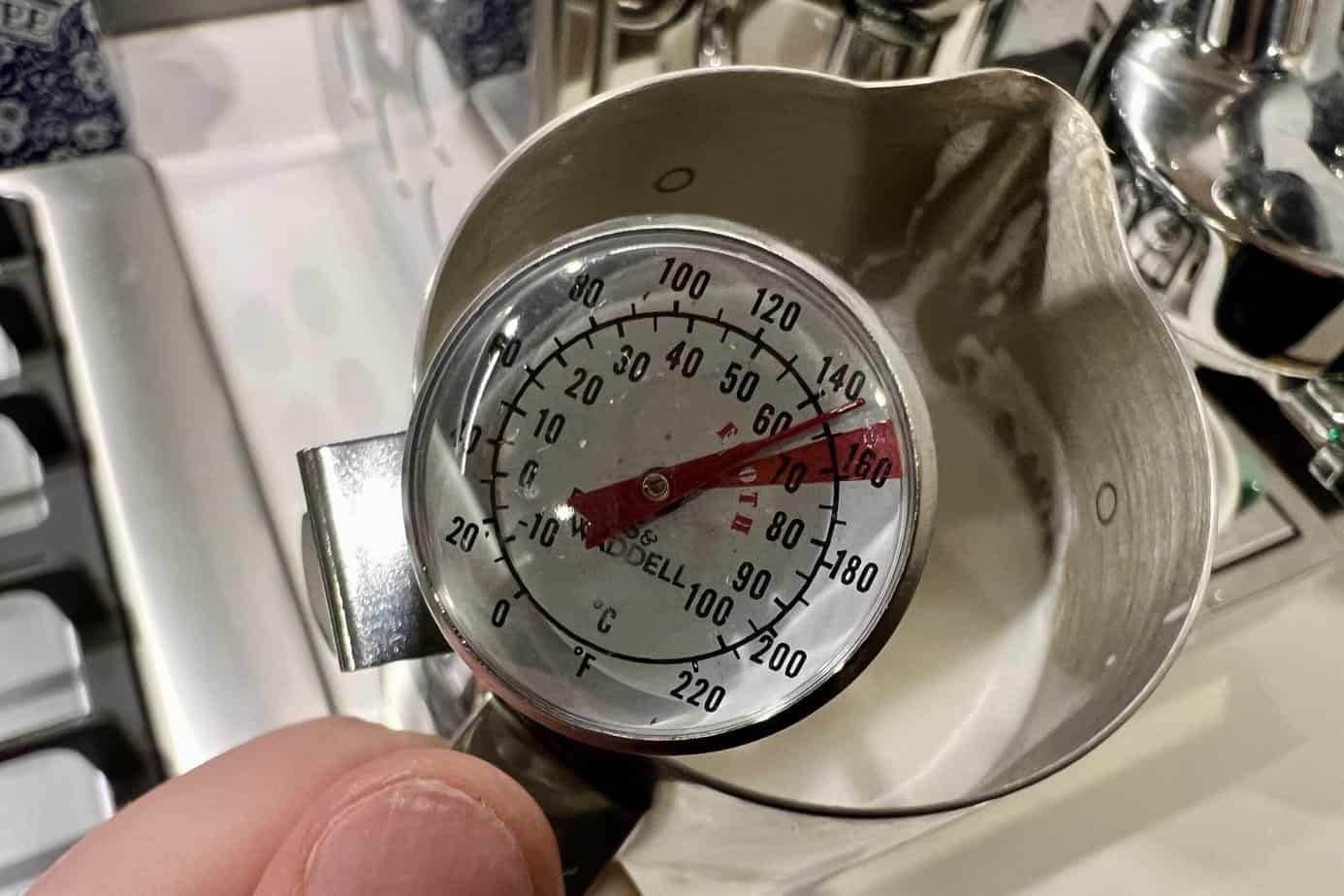
The best temperature for frothing milk is between 140°F and 155°F (60°C to 68°C). This range heats the milk enough to release sweetness without burning it. Going above 160°F (71°C) can scorch the milk, causing a burnt taste. Staying within this range keeps the milk fresh and enjoyable.
Effects On Milk Texture
Proper temperature creates fine, velvety foam. Milk heated too little stays watery and flat. Too hot milk forms large bubbles and thick foam that feels heavy. The ideal heat softens proteins in milk, creating microfoam that is smooth and glossy. This texture enhances the coffee’s flavor and mouthfeel.
Temperature And Milk Types
Different milk types need slightly different temperatures. Whole milk froths best near 150°F (65°C) due to its fat content. Skim milk foams easier but can dry out if overheated. Plant-based milks like almond or oat milk vary more. They often need lower temperatures to avoid separating and keep a creamy texture.
Credit: thesanctuarykitchen.com
Temperature Tools
Milk frothing temperature is key for great coffee. Using the right tools helps you get it just right. These tools guide you to avoid overheating or underheating milk. Let’s explore common temperature tools for frothing milk.
Using Thermometers
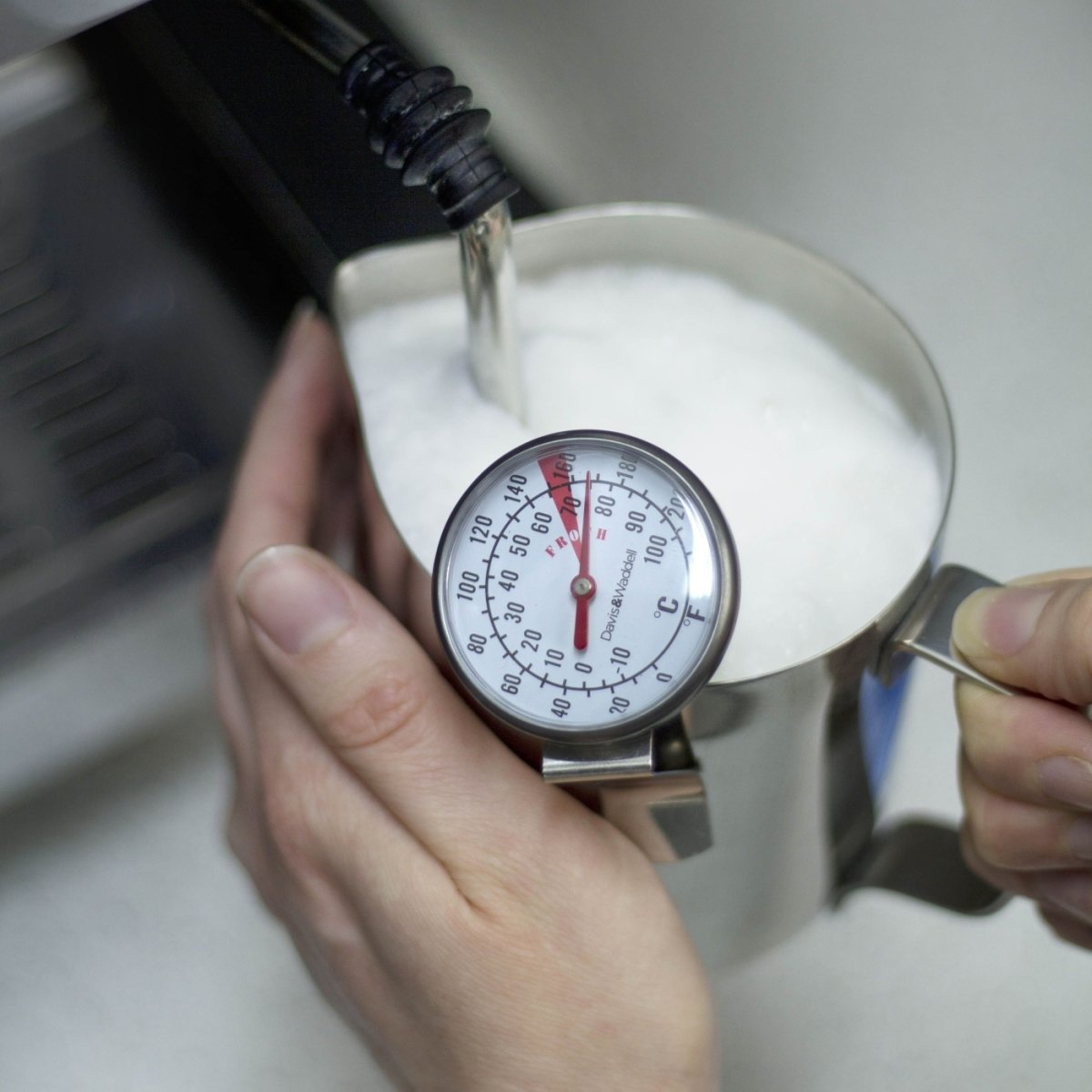
Thermometers are the classic tool for milk temperature. They show the exact heat of the milk. You can see when milk reaches the ideal 140°F to 150°F (60°C to 65°C). This range creates smooth, creamy froth without burning. Simple digital or dial thermometers work well and are easy to use.
Smart Frothing Devices
Smart frothing devices combine heating and temperature control. These machines heat milk to preset temperatures automatically. Some connect to apps for precise control and tracking. They help avoid guesswork and deliver consistent results every time. Great for beginners and busy coffee lovers.
Visual Temperature Cues
Visual cues help check milk temperature without tools. Watch for changes in milk texture and sound during steaming. Milk feels warm but not hot to touch at the right temperature. Small bubbles and a glossy appearance mean the milk is ready. These signs guide you to perfect froth naturally.
Frothing Techniques
Frothing milk is an art that enhances the flavor and texture of coffee. Different techniques create different milk textures. Understanding these methods helps you make better drinks. Focus on the temperature and the way you froth milk.
Steaming Vs. Heating
Steaming adds air to milk, creating foam. Heating only warms the milk without foam. Steaming requires a steam wand or frother. Heating is done on a stove or microwave. Steamed milk has a creamy, smooth texture. Heated milk lacks the light, airy feel of foam.
Achieving Microfoam
Microfoam is tiny, smooth bubbles mixed in milk. It looks shiny and silky. To get microfoam, place the steam wand just below the surface. Slowly lower the pitcher as milk expands. Avoid large bubbles; they make foam rough. The goal is soft, velvety milk for latte art and taste.
Common Temperature Mistakes
Milk overheated above 160°F loses sweetness and texture. Too cold milk does not froth well. Many heat milk too fast, breaking the foam. Others keep the steam wand too deep, creating big bubbles. Correct temperature is key to smooth, creamy foam. Use a thermometer or learn to feel the right heat.

Credit: fastercapital.com
Impact On Coffee Flavor
Milk frothing temperature plays a big role in how coffee tastes. The heat changes the milk’s natural sugars and texture. This affects sweetness, flavor, and the overall drinking experience. Getting the right temperature helps bring out the best in your coffee.
Heat And Sweetness
Heating milk releases its natural sugars. These sugars make the milk taste sweet. Frothing milk at around 140°F to 155°F (60°C to 68°C) creates the best sweetness. Too cold, and the milk tastes flat. Too hot, and sweetness disappears.
Avoiding Scorching
Milk scorches at temperatures above 160°F (71°C). Scorched milk tastes burnt and bitter. This ruins the coffee’s flavor. Watch the temperature carefully while frothing. Stop heating before the milk reaches this point.
Balancing Foam And Taste
Good frothing balances foam and milk flavor. Thick foam can cover coffee taste. Thin foam may lack texture. Aim for creamy foam with a smooth, sweet taste. This balance makes each sip enjoyable.
Milk Alternatives
Milk alternatives are popular choices for many coffee lovers. These plant-based milks offer different flavors and textures. They also need special care when frothing. Understanding their unique properties helps create better coffee drinks.
Frothing Plant-based Milks
Almond, soy, oat, and coconut milk are common plant-based options. Each froths differently due to their ingredients. Soy and oat milk often foam well and create creamy textures. Almond and coconut milk may produce lighter foam with larger bubbles. Use fresh, cold milk for best frothing results.
Temperature Adjustments
Plant-based milks usually froth best at lower temperatures. Heat them between 130°F and 150°F to avoid burning. Higher heat can cause separation or a burnt taste. Stir milk gently after heating to mix any layers. This keeps the texture smooth and pleasant.
Texture Differences
Plant-based milks vary in creaminess and foam stability. Oat milk is thick and creamy, making it ideal for lattes. Soy milk has a smooth texture and holds foam well. Almond milk is lighter and can create a thin foam. Coconut milk adds a rich flavor but may separate quickly. Adjust your technique based on the milk’s texture.
Troubleshooting Frothing Issues
Milk frothing can be tricky. Sometimes, the foam does not turn out right. Other times, the milk feels too hot or too cold. These common problems affect the taste and texture of your coffee. Troubleshooting frothing issues helps you get better results. Small changes in temperature or technique make a big difference.
Foam Too Thin Or Thick
Thin foam lacks bubbles and feels watery. Thick foam feels heavy and dense. Thin foam may come from cold milk or slow frothing. Thick foam often means too much air or over-frothing. Use fresh, cold milk for better texture. Move the frothing wand slowly to control air. Practice makes the perfect foam consistency.
Milk Overheating Signs
Milk that is too hot tastes burnt and loses sweetness. It may smell like cooked milk. Overheated milk feels very hot to touch. It also creates large bubbles that pop fast. Heat milk to about 140°F to 150°F (60°C to 65°C). Use a thermometer or learn to feel the right temperature by hand. Avoid overheating to keep milk smooth and creamy.
Correcting Temperature Errors
Check the milk temperature with a thermometer. Stop steaming once milk reaches 150°F. Let the milk cool slightly before frothing again. Use cold milk straight from the fridge for best results. Adjust the steam wand position to control heat and air. Try smaller batches to avoid overheating. Consistent temperature control improves your froth every time.
Frequently Asked Questions
What Is The Ideal Milk Frothing Temperature?
The ideal milk frothing temperature is between 140°F and 155°F. This range creates creamy, smooth foam without burning the milk. Staying within this range preserves milk’s natural sweetness and texture, enhancing your coffee’s flavor and mouthfeel.
Why Is Temperature Important In Milk Frothing?
Temperature impacts milk’s texture and taste when frothing. Overheating milk above 160°F can cause it to scorch and taste burnt. Frothing at the right temperature ensures a creamy texture and balanced flavor, improving your coffee experience.
How To Measure Milk Frothing Temperature Accurately?
Use a digital or instant-read thermometer to measure temperature precisely. Insert the thermometer probe into the milk while steaming. Stop heating once the milk reaches 140°F to 155°F to avoid overheating and maintain ideal froth quality.
Can Milk Frothing Temperature Vary By Milk Type?
Yes, different milk types froth best at slightly different temperatures. Whole milk froths well at 140°F to 150°F. Non-dairy milks like almond or oat may require lower temperatures for optimal texture. Adjust accordingly for best results.
Conclusion
Perfect milk frothing temperature makes all the difference. It helps create smooth, creamy foam for your drinks. Too hot, and the milk tastes burnt; too cold, and the foam lacks texture. Aim for the right warmth to enjoy richer flavors and better coffee.
Practice and feel the temperature with a thermometer or your hand. Small changes bring big improvements. Keep experimenting and enjoy every cup you make. Milk frothing is simple once you know the right temperature. Your coffee moments will taste better every time.