Last Updated on February 16, 2026
A paella pan is wide and shallow, ideal for even cooking, while a skillet is versatile with sloped sides. Both serve unique culinary purposes.
Paella pans are specifically designed for making paella, a traditional Spanish dish. They are typically wide, shallow, and have a flat bottom, which allows for even cooking and the development of a crispy layer of rice, known as socarrat. Skillets, on the other hand, feature sloped sides and are highly versatile.
They excel in tasks like sautéing, frying, and browning due to their shape and design. Skillets can be used for a variety of dishes beyond paella, making them a kitchen staple. Understanding the differences helps in choosing the right tool for your cooking needs.
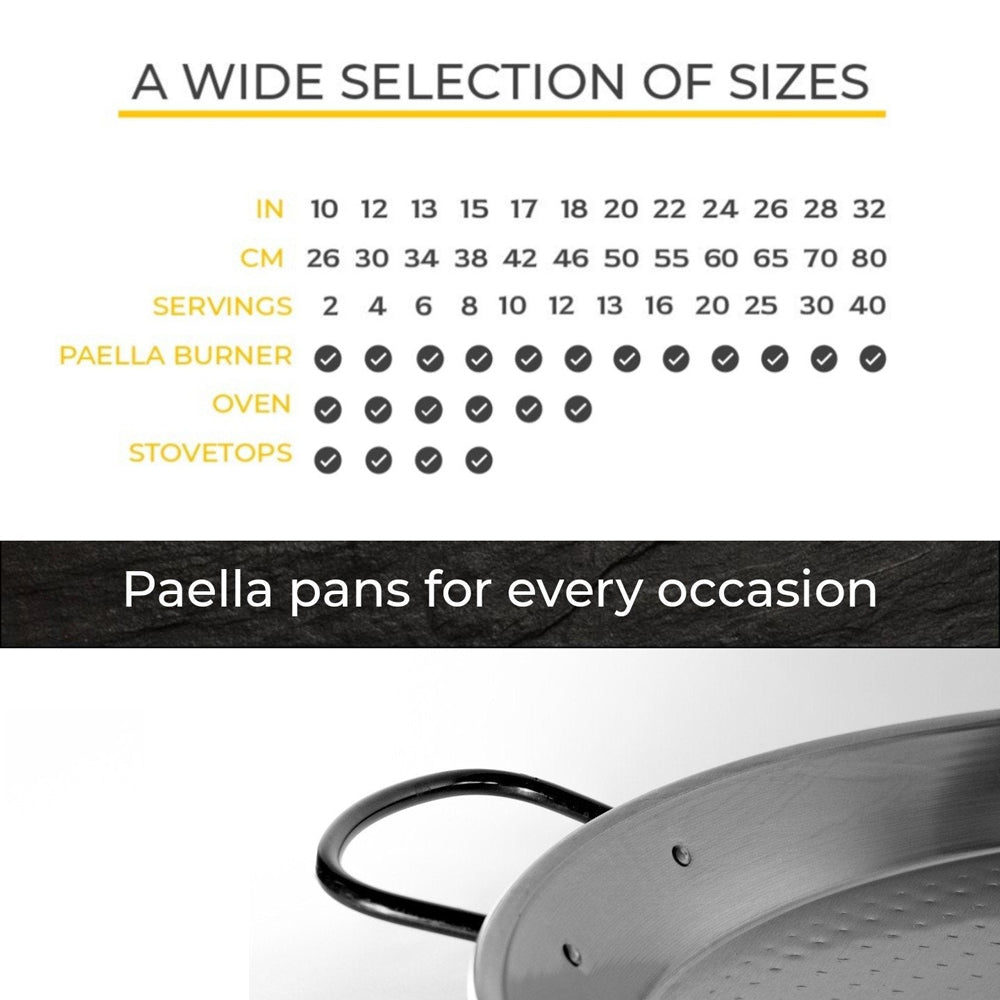
Credit: www.terramarimports.com
The Essence Of Paella Pan And Skillet
Cooking is an art that requires the right tools. Two essential tools are the Paella Pan and the Skillet. Each has its unique features and history. Knowing these helps you choose the right one for your dish.
Historical Roots Of Paella Pan
The Paella Pan originates from Spain. It’s used to cook the traditional dish called Paella. This pan is wide and shallow. It allows even cooking and helps to create the perfect socarrat, the crispy rice layer at the bottom.
Initially, people used Paella Pans over an open fire. This method added a smoky flavor. Today, you can use them on various heat sources. These include gas and electric stoves.
Evolution Of The Skillet
The Skillet has a rich history too. Early models were made from cast iron. They were heavy and durable. Over time, skillets evolved. Now, you can find them in different materials such as stainless steel and non-stick coatings.
Skillets are versatile. They are perfect for frying, searing, and sautéing. Modern skillets often feature a flat bottom. This ensures even heat distribution. They usually have a long handle. This helps in handling hot food safely.
| Feature | Paella Pan | Skillet |
|---|---|---|
| Shape | Wide and shallow | Flat-bottomed |
| Material | Carbon steel, stainless steel | Cast iron, non-stick, stainless steel |
| Best For | Paella, large dishes | Frying, searing, sautéing |
| Heat Source | Open fire, gas, electric stove | Gas, electric stove, induction |
Key Features Of Paella Pans
Understanding the key features of paella pans helps you make an informed choice. Paella pans are unique and designed specifically for cooking paella. This section explores their essential characteristics.
Design And Material
Paella pans have a unique design that sets them apart. They are broad and flat with shallow sides. This design allows even cooking and helps achieve a perfect socarrat, the crispy rice layer.
The material of paella pans is crucial. Most are made of carbon steel, stainless steel, or enameled steel. Carbon steel is common because it heats up quickly and evenly. Stainless steel is durable and easy to clean. Enameled steel is rust-resistant and requires less maintenance.
| Material | Key Features |
|---|---|
| Carbon Steel | Quick heating, even cooking |
| Stainless Steel | Durable, easy to clean |
| Enameled Steel | Rust-resistant, low maintenance |
Heat Distribution Characteristics
Heat distribution is a vital feature of paella pans. These pans are designed to distribute heat evenly across the surface. This ensures that the rice cooks uniformly and develops the desired texture.
Paella pans are suitable for use on various heat sources. They can be used on gas stoves, open flames, and even in ovens. This versatility makes them ideal for different cooking environments.
In summary, the unique design, material choice, and heat distribution make paella pans perfect for cooking paella. Understanding these features helps you choose the right pan for your cooking needs.
Anatomy Of A Skillet
A skillet is a versatile cooking tool found in almost every kitchen. It typically has a flat base and sloped sides. This design allows for easy tossing and stirring of food. Skillets come in various sizes and materials, each suited for different cooking techniques. Understanding the parts of a skillet helps you choose the best one for your needs.
Common Skillet Materials
Skillets are made from different materials, each with unique benefits. Here are some common ones:
- Cast Iron: Durable and retains heat well. Ideal for searing and frying.
- Stainless Steel: Non-reactive and easy to clean. Great for browning and deglazing.
- Non-stick: Prevents food from sticking. Perfect for eggs and delicate foods.
- Carbon Steel: Similar to cast iron but lighter. Heats up quickly.
Versatility In Cooking Techniques
Skillets are incredibly versatile. They can handle various cooking techniques:
| Cooking Technique | Explanation |
|---|---|
| Searing | High heat to brown meats, creating a flavorful crust. |
| Sautéing | Cooking small pieces of food quickly in a small amount of fat. |
| Frying | Submerging food in hot oil for a crispy exterior. |
| Deglazing | Adding liquid to a hot pan to lift browned bits for a sauce. |
| Baking | Using the skillet in the oven for dishes like frittatas or cornbread. |
Choosing the right skillet enhances your cooking experience. Whether searing a steak or baking a frittata, the skillet’s design and material make a difference. Knowing its anatomy and uses helps you cook delicious meals.
Culinary Showdown: Cooking Paella
Welcome to our culinary showdown: cooking paella. Paella is a classic Spanish dish, loved for its rich flavors and beautiful presentation. Choosing the right cookware can make a huge difference. Let’s explore the performance of a paella pan versus a skillet.
Paella Pan Performance
A paella pan is wide and shallow. This design helps the rice cook evenly. The pan has low sides, allowing steam to escape. This ensures the paella has a nice, crispy bottom. The pan often comes with two handles for easy maneuvering. It’s typically made of carbon steel, which heats quickly and evenly.
| Feature | Paella Pan |
|---|---|
| Shape | Wide and Shallow |
| Material | Carbon Steel |
| Handles | Two Handles |
| Heat Distribution | Even Heating |
| Steam Escape | Low Sides |
Skillet Adaptability For Paella
A skillet is more versatile. It’s deeper than a paella pan, so it holds more liquid. The skillet can be non-stick, stainless steel, or cast iron. It usually has one long handle, making it easier to stir. The higher sides trap steam, which is good for cooking meats and vegetables.
- Shape: Deeper than paella pan
- Material: Various options like non-stick, stainless steel, cast iron
- Handles: Typically one long handle
- Steam Management: Higher sides trap steam
In our culinary showdown, both tools have their unique strengths. The paella pan offers even cooking and a crispy bottom. The skillet provides versatility and better steam management. Choose the right tool based on your cooking needs.
Beyond Paella: Cooking Versatility
Paella pans are best for making paella. Yet, they can cook other dishes too. Skillets, on the other hand, are very versatile. They can cook many different recipes. Let’s see how they compare.
Skillet Strengths In Diverse Recipes
Skillets are great for many recipes. You can use them to fry, sear, and sauté. They can also bake and roast. Their flat bottom helps with even cooking. They have higher walls than paella pans. This helps hold more food and sauces.
- Frying: Skillets can fry chicken, fish, and vegetables.
- Searing: You can sear steaks and other meats.
- Sautéing: Skillets are perfect for onions, garlic, and more.
- Baking: Some skillets can bake cakes and casseroles.
Skillets often have lids. Lids help trap heat and moisture. This is good for slow-cooking and braising.
Limitations Of Paella Pans
Paella pans are special for paella. They have a wide, shallow design. This helps rice cook evenly. But, they are not as versatile as skillets. They are not good for deep frying or baking. They also don’t have lids. This limits their use for slow-cooking.
| Feature | Paella Pan | Skillet |
|---|---|---|
| Best for | Paella | Many recipes |
| Shape | Wide and shallow | Flat bottom, high walls |
| With Lid | No | Yes |
| Deep frying | No | Yes |
| Baking | No | Yes |
Paella pans are great for what they do. Yet, their use is limited. Skillets are more versatile. They can handle many cooking tasks. Choose the right tool for your needs.

Credit: www.reddit.com
Maintenance And Durability
Maintenance and Durability are essential factors when choosing between a paella pan and a skillet. Proper care ensures these kitchen tools last longer and perform better. Both require specific maintenance routines to keep them in top shape. Here, we’ll explore the best practices for maintaining your paella pan and skillet.
Caring For Your Paella Pan
Paella pans need special attention to maintain their quality. Here are some tips:
- Seasoning: Season your pan before first use to prevent rust.
- Cleaning: Hand wash with warm water and mild soap. Avoid dishwashers.
- Drying: Dry immediately with a soft cloth to prevent rust.
- Storage: Store in a dry place. Apply a thin layer of oil to prevent rust.
Skillet Maintenance Tips
Skillets, especially cast iron, require specific care to ensure longevity:
- Seasoning: Season your cast iron skillet regularly to maintain a non-stick surface.
- Cleaning: Avoid using soap; instead, scrub with coarse salt and warm water.
- Drying: Dry thoroughly and apply a thin layer of oil to prevent rust.
- Storage: Store in a dry place. Avoid stacking to prevent scratches.
| Aspect | Paella Pan | Skillet |
|---|---|---|
| Seasoning | Season before first use | Regular seasoning needed |
| Cleaning | Hand wash with mild soap | Scrub with salt, avoid soap |
| Drying | Dry immediately | Dry thoroughly |
| Storage | Store in a dry place | Avoid stacking, store dry |
Size And Storage Considerations
Choosing between a Paella Pan and a Skillet involves considering size and storage. Both cookware options have unique requirements. Understanding these can help make an informed decision.
Storage Solutions For Paella Pans
Paella pans are typically large and wide. This shape allows for even cooking. But it also means they need more storage space. Here are some solutions:
- Hang the pan on a wall hook.
- Store it in a wide, flat drawer.
- Place it on top of kitchen cabinets.
Paella pans can also double as serving dishes. This reduces the need for extra storage. Ensure your kitchen has the space for these versatile pans.
Skillet Sizes And Storage Ease
Skillets come in various sizes. This makes them more flexible for storage. Small skillets fit easily in drawers or cupboards. Larger skillets can still be stacked. Here are some common skillet sizes:
| Skillet Size | Storage Solution |
|---|---|
| 8 inches | Store in small drawers |
| 10 inches | Stack with other pans |
| 12 inches | Hang on a wall hook |
Skillets are easier to store due to their varied sizes. They often come with a lid. This can add to their storage needs. Ensure to find a space for both the skillet and its lid.

Credit: www.amazon.com
Making The Choice: Factors To Consider
Choosing between a Paella Pan and a Skillet can be tricky. Both have unique features and benefits. Understanding key factors will help make the right decision.
Evaluating Kitchen Space And Usage
Kitchen space is a crucial factor. Paella pans are large and wide, perfect for making traditional paella. They often require more storage space.
Skillets are more versatile and compact. They fit easily in most kitchen cabinets. Skillets are great for frying, sautéing, and even baking.
Price Point And Investment
The price point varies between Paella pans and Skillets. Paella pans can be expensive, especially high-quality ones. They are an investment for those who cook paella often.
Skillets generally have a broader price range. You can find affordable options that still offer good quality. Investing in a good skillet can be cost-effective for daily cooking needs.
| Feature | Paella Pan | Skillet |
|---|---|---|
| Size | Large and wide | Compact |
| Usage | Paella and similar dishes | Frying, sautéing, baking |
| Price Range | Higher cost | Wide range |
| Storage | More space needed | Less space needed |
Considering these factors will help you choose wisely. Whether you pick a Paella pan or a Skillet, make sure it fits your needs.
Frequently Asked Questions
What Is The Difference Between A Paella Pan And A Skillet?
A paella pan has a wide, shallow design with sloping sides, ideal for even cooking. A skillet is deeper, with straight or slightly curved sides, used for frying and sautéing.
Do You Really Need A Paella Pan To Make Paella?
No, you don’t need a paella pan to make paella. A wide, shallow skillet works well. Ensure even heat distribution for best results.
What Can I Substitute For A Paella Pan?
A large, flat, and shallow skillet works well as a substitute for a paella pan. Cast iron skillets or wide stainless steel pans are also good alternatives. Ensure even heat distribution for best results.
What Makes A Paella Pan Different?
A paella pan is wide, shallow, and features sloping sides. It ensures even cooking and optimal rice texture.
Conclusion
Choosing between a paella pan and a skillet depends on your cooking needs. Paella pans are perfect for traditional Spanish dishes. Skillets offer versatility for various recipes. Both have unique benefits and can enhance your culinary experience. Consider your cooking style and preferences to make the best choice.
Happy cooking!