Last Updated on March 11, 2026
If you love the rich, bold taste of percolator coffee, you know that getting it just right can be tricky. How much coffee should you use?
How long should it brew? Your perfect cup depends on the right balance of time, temperature, and coffee grounds. That’s where a Percolator Coffee Chart becomes your best friend. This simple guide will help you brew the ideal pot every time, making your mornings smoother and your coffee tastier.
Keep reading to unlock the secrets to brewing coffee that hits your taste buds perfectly, cup after cup.
Percolator Basics
Percolator coffee machines have a unique charm. They brew coffee by cycling boiling water through coffee grounds. This process creates a rich and robust flavor. Understanding the basics helps you make great coffee every time.
How A Percolator Works
Water heats in the bottom chamber of the percolator. As it boils, steam pushes hot water up a tube. The hot water flows over coffee grounds in the basket. It drips back down into the water chamber below. This cycle repeats until the coffee reaches the desired strength.
Key Components
A percolator has three main parts. The bottom chamber holds water. The middle basket holds coffee grounds. The central tube moves hot water upward. These parts work together to brew coffee evenly.
Choosing The Right Coffee Grind
Use a coarse grind for percolator coffee. Fine grounds can clog the basket and cause bitterness. Coarse grounds allow water to flow smoothly. This produces a cleaner and better-tasting cup.
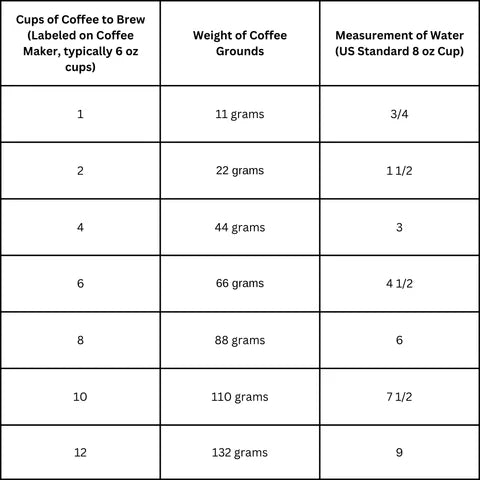
Credit: www.drivencoffee.com
Brew Timing Factors
Brew timing is key to making great percolator coffee. It affects the flavor, strength, and smoothness of your cup. Many factors change how long the coffee should brew. Knowing these helps you get the taste you want every time.
Water Temperature Impact
Water temperature controls how fast the coffee brews. Hotter water extracts flavors quicker. Too hot, and coffee tastes bitter. Too cool, and it will be weak. Ideal water temperature is around 195°F to 205°F. This range balances flavor and strength well.
Coffee Amount And Strength
The amount of coffee grounds changes brew time. More coffee takes longer to brew fully. Less coffee brews faster but may be weak. Adjust grounds to match your taste. Strong coffee needs more grounds and a bit more time. Light coffee needs less and shorter time.
Altitude And Environmental Effects
Altitude affects boiling water temperature. At high altitudes, water boils at lower temperatures. This slows down brewing in percolators. You may need to increase brew time. Cooler weather can also cool water quickly. Keep your percolator warm to maintain brewing heat.
Timing Chart Breakdown
The timing chart breakdown helps you brew perfect percolator coffee every time. It shows the best brewing times for different percolator models and coffee types. Following the chart improves taste and avoids bitter or weak coffee. Understanding timing is key to a better cup.
Ideal Brew Times For Different Percolators
Different percolators need different brew times. Small percolators usually take 5 to 7 minutes. Medium-sized ones need about 7 to 9 minutes. Large percolators may require 9 to 12 minutes. Following these times helps balance strength and flavor. Overbrewing makes coffee bitter. Underbrewing leads to weak taste.
Adjusting Times By Coffee Type
Light roast coffee needs less brewing time. Dark roast coffee requires a longer brew. Ground coffee size also matters. Coarse grounds need more time. Fine grounds brew faster. Adjust your percolator time based on coffee type. This keeps the flavor rich and smooth.
Common Timing Mistakes
Many people overbrew coffee, making it bitter. Others stop too soon, causing weak coffee. Using the wrong grind size can cause timing errors. Not watching the brewing process leads to mistakes. Use a timer to avoid over or underbrewing. Check the coffee often to get it just right.
Optimizing Brew Quality
Optimizing brew quality in a percolator is key to enjoying rich, flavorful coffee. Small changes can make a big difference. Knowing the right steps helps you get consistent, tasty coffee every time. Pay attention to brewing time, water temperature, and coffee grind. These factors affect taste and strength. Use the percolator coffee chart as a guide to find the perfect balance.
Tips For Consistent Results
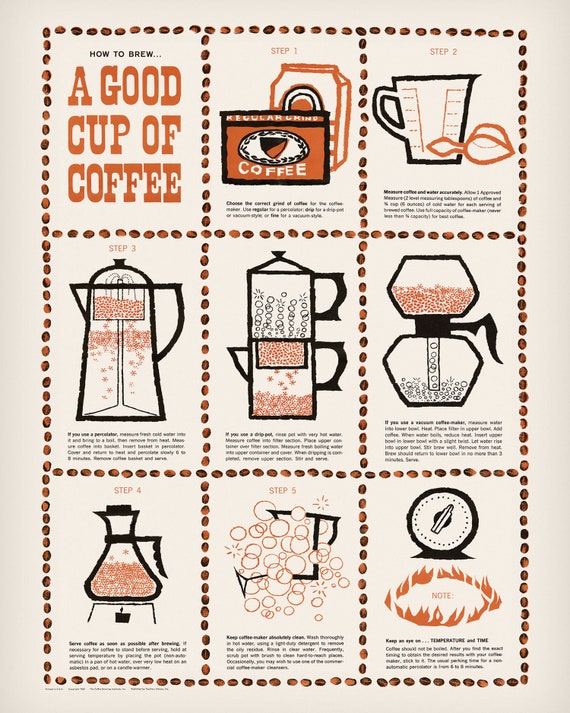
Use fresh coffee grounds for the best flavor. Choose a medium grind to avoid bitterness or weak coffee. Measure the coffee and water carefully. Follow the percolator coffee chart for timing and amounts. Start with cold water and heat slowly. Remove from heat as soon as brewing finishes. Stir the coffee gently before serving for even taste.
Maintaining Your Percolator
Clean the percolator after each use. Rinse all parts with warm water and mild soap. Remove coffee oils to prevent bad flavors. Check the filter basket for clogs or damage. Descale regularly to remove mineral build-up. Store the percolator in a dry place. Proper care keeps your coffee tasting fresh and your machine working well.
Troubleshooting Brew Issues
Bitter coffee means the brewing time was too long. Try a coarser grind or shorten the brewing time. Weak coffee signals too little coffee or too much water. Adjust amounts based on the percolator coffee chart. If coffee tastes burnt, check water temperature. Too hot water scorches the grounds. Fix leaks by tightening parts or replacing gaskets. Small fixes improve every cup.
Alternative Brewing Comparisons
Exploring different coffee brewing methods helps you find the best taste and experience. The percolator is an old favorite, but many wonder how it stacks up against other popular methods. Comparing brewing styles shows their unique strengths and flavors. This section looks at how the percolator compares to drip coffee and the French press.
Percolator Vs Drip Coffee
Both methods use hot water to brew coffee, but the processes differ. A percolator cycles boiling water through coffee grounds multiple times. This can make the coffee stronger and sometimes bitter. Drip coffee machines pour hot water once over grounds, creating a cleaner taste. Drip coffee is often smoother and less intense than percolator coffee. Percolators require more attention and timing. Drip machines are usually automatic and easy to use.
Percolator Vs French Press
The French press uses immersion brewing. Coffee grounds soak in hot water for several minutes before pressing. This method keeps natural oils and gives a rich, full-bodied flavor. The percolator’s repeated water cycling extracts more bitterness and caffeine. French press coffee tends to be less harsh and thicker. The percolator needs a heat source and careful timing. The French press is simple and quick, with no electricity needed.
When To Choose A Percolator
Choose a percolator for strong, bold coffee with a classic taste. It works well outdoors or during camping trips. Percolators are ideal when you want a rich, robust flavor. They suit those who enjoy hands-on brewing and control. The percolator can make large amounts of coffee at once. It is a good choice if you prefer traditional, old-school methods.

Credit: www.shutterstock.com
Credit: www.etsy.com
Frequently Asked Questions
What Is A Percolator Coffee Chart?
A Percolator Coffee Chart guides water-to-coffee ratios for perfect brewing. It helps adjust strength and flavor. Using it ensures consistent and balanced coffee taste every time.
How Do I Read A Percolator Coffee Chart?
The chart lists coffee amounts alongside water volumes. Match your percolator size to find the right coffee quantity. Follow the recommended ratio for ideal strength.
Why Is A Percolator Coffee Chart Important?
It prevents over or under-extraction, improving flavor quality. The chart provides precise measurements, saving time. It helps beginners brew coffee confidently and consistently.
Can I Use A Percolator Coffee Chart For Any Coffee Type?
Yes, the chart works with different coffee grinds but suits medium to coarse grind best. Adjust slightly for taste preferences. It’s versatile for most percolator coffee styles.
Conclusion
Percolator coffee charts help you brew the perfect cup every time. They show the right water-to-coffee ratio clearly. This makes your coffee strong or mild, just how you like it. Using the chart saves guesswork and avoids bitter or weak coffee.
Keep the chart handy while brewing for best results. Enjoy fresh, rich coffee with simple steps. It’s easy and fun to make coffee this way. Try following the chart and taste the difference yourself.