Last Updated on March 11, 2026
If you love brewing coffee with a percolator, you know that grind size can make or break your cup. Choosing the right grind size is key to unlocking rich flavor without bitterness or weakness.
But how do you find the perfect balance? You’ll discover exactly what percolator grind size means for your coffee, why it matters, and how to get it just right every time. Keep reading to transform your daily brew into a delicious ritual you’ll look forward to.

Credit: www.amazon.com
Why Grind Size Matters
Grind size plays a big role in how your coffee tastes. It affects how water passes through the coffee grounds. This changes the flavor, strength, and aroma of your brew. Using the right grind size for your percolator is key to making good coffee.
Impact On Extraction
Extraction means pulling flavors from coffee grounds. Finer grinds extract faster because they have more surface area. Coarser grinds take longer to extract. If the grind is too fine, coffee can taste bitter. If too coarse, it may taste weak or sour. The right grind size helps balance extraction for smooth coffee.
Flavor And Aroma Effects
Grind size changes the taste and smell of coffee. Fine grinds give strong, bold flavors. Coarse grinds create lighter, milder flavors. Aroma also shifts with grind size. Finer grounds release more scent quickly. Coarser grounds release aroma slowly, giving a softer smell. Choosing the right grind size brings out the best flavors and smells.
Brewing Time Considerations
Percolators brew coffee by cycling boiling water through grounds. Grind size affects brewing time and flow rate. Fine grounds slow water flow and increase brewing time. Coarse grounds speed up flow and reduce brewing time. Using the correct grind size helps avoid over or under-extracting coffee. This keeps brewing time just right for balanced coffee.
Credit: www.orthokintrack.com
Percolator Brewing Basics
A percolator is a classic coffee maker that brews by cycling boiling water through coffee grounds. It uses simple mechanics to extract bold flavors. Understanding how it works helps you make better coffee every time.
Percolator brewing needs the right grind size, coffee amount, and water temperature. Each part affects taste and strength. Knowing these basics makes percolator coffee enjoyable and consistent.
How A Percolator Works
Water sits in the bottom chamber and heats up. As it boils, steam pressure pushes hot water up a tube. This water sprays over coffee grounds in the basket. The water seeps through, collecting flavors, and falls back down to the bottom. This cycle repeats until the coffee is strong.
Ideal Coffee-to-water Ratio
Use about one tablespoon of coffee for every cup of water. Too much coffee makes the brew bitter. Too little coffee results in weak taste. Measure carefully for balanced flavor.
Temperature And Pressure Factors
Water should reach just below boiling, around 195°F to 205°F. Too hot water burns coffee and tastes bitter. Low pressure means slow brewing and weak coffee. Proper heat and pressure create rich, smooth coffee.
Choosing The Right Grind Size
Choosing the right grind size for your percolator is key to making great coffee. The grind size affects how water moves through the coffee grounds. It changes the flavor and strength of your brew. A good grind size helps you get the best taste from your coffee beans. Too coarse or too fine can spoil your cup.
Coarse Vs Medium Grind
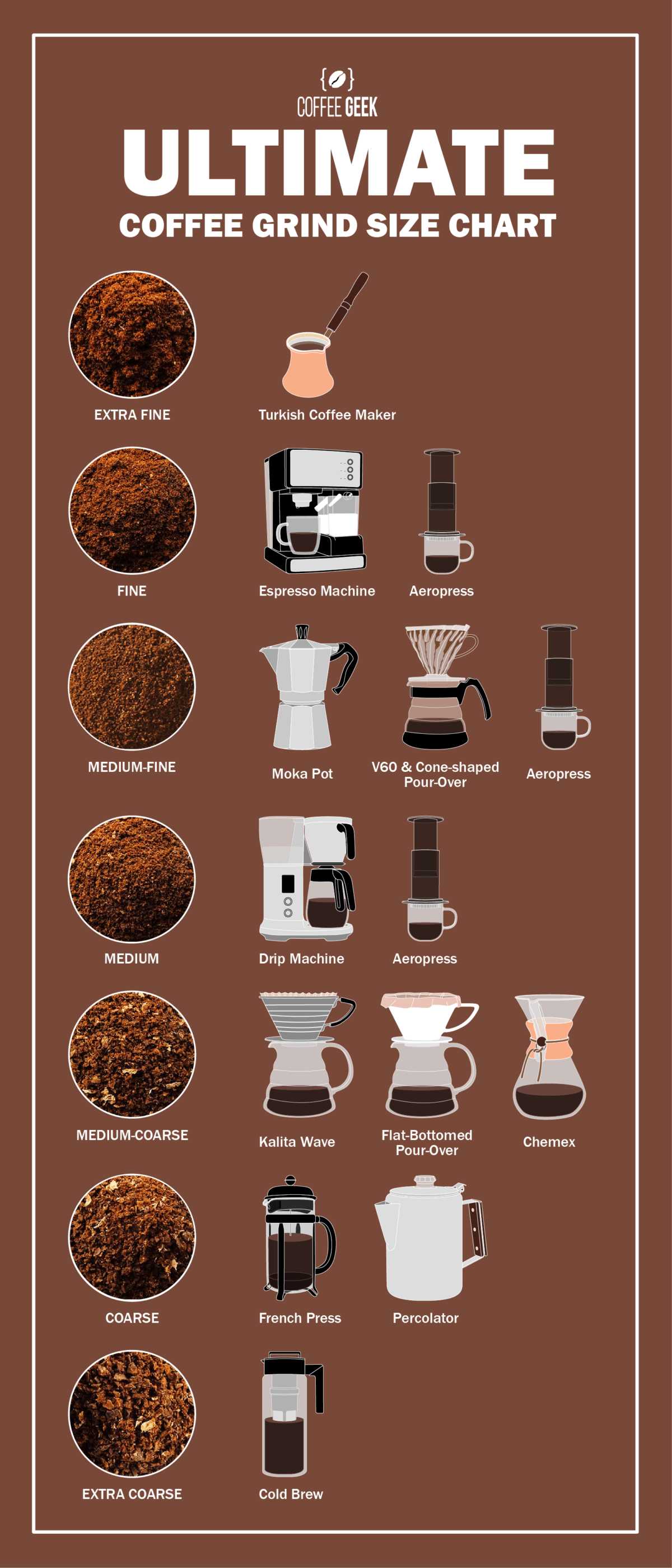
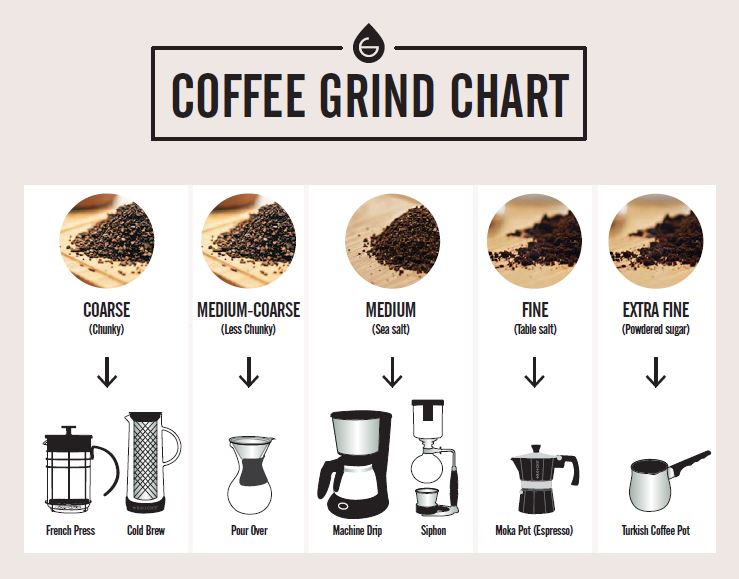
Coarse grind looks like sea salt. It lets water flow quickly through the grounds. This makes the coffee lighter and less bitter. Medium grind is finer, like sand. It slows water down and extracts more flavor. Percolators work best with medium grind. Coarse grind may cause weak coffee. Medium grind gives balanced taste.
Avoiding Over-extraction
Over-extraction happens when water stays too long on fine grounds. This pulls out bitter and harsh flavors. Using too fine a grind causes over-extraction. It can make coffee taste bitter and sour. Use medium grind to avoid this. The water flows just right and picks good flavors only.
Avoiding Under-extraction
Under-extraction occurs when water passes too fast. This happens with very coarse grind. Coffee tastes weak and watery. It misses the rich coffee notes. Using a medium grind helps water soak properly. This draws out all the good flavors. Your coffee will taste full and smooth.
Grind Size Tools And Techniques
Choosing the right grind size is key for great percolator coffee. Using the right tools and techniques helps you get the perfect grind. This section covers how to use grinders and check your grind consistency. Simple steps make a big difference in taste and texture.
Using Burr Grinders
Burr grinders crush coffee beans between two rough surfaces. They create uniform particle sizes. This uniformity helps water flow evenly during brewing. Burr grinders often have settings to adjust grind size. Choose a coarse grind for percolators. A consistent grind improves coffee flavor and reduces bitterness.
Adjusting Blade Grinders
Blade grinders chop beans with spinning blades. They are less consistent than burr grinders. Adjusting grind size means grinding for less or more time. Short bursts create larger pieces, good for percolators. Grind in short pulses to avoid powder. Blade grinders are budget-friendly but need more care.
Testing Your Grind Consistency
Check your grind by looking and feeling the coffee. The particles should be roughly the same size. Use a sieve or spread grounds on paper. If you see many fine particles, the grind is too fine. Too many large chunks means the grind is too coarse. Testing helps adjust settings for the best cup.
Troubleshooting Common Issues
Troubleshooting common issues with percolator grind size helps improve your coffee experience. Small changes in grind size affect taste and brewing performance. Understanding these problems saves time and avoids waste.
Bitter Or Burnt Taste
Too fine a grind causes over-extraction. This leads to bitter or burnt flavors. Use a coarser grind to avoid this. Also, reduce brewing time to prevent overcooking the coffee.
Weak Or Sour Coffee
Coarse grounds may cause under-extraction. Coffee tastes weak or sour when water passes too quickly. Try a finer grind for better flavor. Make sure the brewing time is long enough.
Clogging And Overflows
Very fine grounds can clog the filter basket. This blocks water flow and causes overflows. Use a medium-coarse grind to keep water moving freely. Clean the percolator regularly to prevent buildup.
Tips For Perfect Percolator Coffee
Perfect percolator coffee starts with a few simple steps. Paying attention to details makes a big difference. Small changes help bring out the best flavor in each cup.
Understanding the right grind size is important. But freshness, storage, and cleaning also play key roles. These tips will help you brew rich, balanced coffee every time.
Freshness Of Beans
Fresh coffee beans create the best taste. Buy beans in small amounts to keep them fresh. Use them within two weeks after opening for full flavor. Avoid pre-ground coffee for percolators. Grinding beans just before brewing keeps the coffee strong and vibrant.
Proper Storage
Store beans in a cool, dark place. Keep them in an airtight container to block air and moisture. Avoid storing beans in the fridge or freezer, as this causes condensation. Proper storage maintains the beans’ natural oils. These oils are essential for rich, aromatic coffee.
Cleaning Your Percolator
Clean your percolator after every use. Residue from old coffee affects taste and aroma. Use warm water and mild soap to wash all parts. Rinse thoroughly to remove soap traces. Deep clean once a month with vinegar to remove buildup. A clean percolator brews fresh, smooth coffee every time.
Credit: www.redcupcoffee.com.au
Frequently Asked Questions
What Grind Size Is Best For Percolator Coffee?
A medium-coarse grind works best for percolator coffee. It allows water to flow evenly and extracts flavor well. Too fine a grind clogs the filter, and too coarse results in weak coffee.
How Does Grind Size Affect Percolator Brewing?
Grind size controls extraction rate in percolators. Finer grinds extract faster but may cause bitterness. Coarser grinds extract slower, yielding milder coffee. Medium-coarse grind balances taste and prevents over-extraction or clogging.
Can I Use Fine Grind In A Percolator?
Using fine grind in a percolator is not ideal. It can clog the filter and create over-extracted, bitter coffee. Medium-coarse grind is recommended for optimal flavor and smooth brewing.
Why Is Medium-coarse Grind Ideal For Percolators?
Medium-coarse grind suits percolators because it allows proper water flow. It avoids clogging and ensures balanced extraction. This grind size enhances flavor clarity and prevents bitterness or weak taste.
Conclusion
Choosing the right grind size makes a big difference in taste. Percolators need a medium-coarse grind to work well. Too fine, and the coffee tastes bitter. Too coarse, and it may be weak. Grinding coffee just right helps you enjoy rich, smooth flavors.
Experiment with your grind to find what you like best. Remember, fresh coffee grounds make every cup better. Keep it simple, and enjoy your perfect percolator brew every time.