Last Updated on February 13, 2026
Have you ever struggled to lift food from boiling water without bringing along too much liquid? Or wished for an easy way to drain oil after frying your favorite snacks?
A perforated spoon could be the simple tool you’re missing in your kitchen. This handy utensil does more than just scoop—it helps you separate, strain, and serve with ease. Keep reading to discover how a perforated spoon can make your cooking smoother and your meals tastier.
Key Benefits
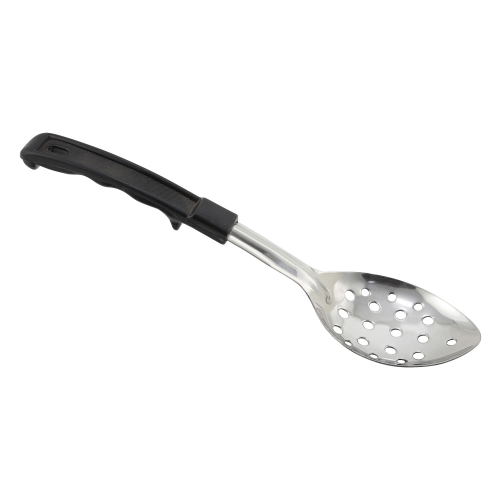
The perforated spoon is a simple kitchen tool with many useful benefits. It helps in cooking and serving food with ease. Its unique design allows liquid to drain while holding solid food. This makes it a handy utensil for many tasks.
Explore the key benefits of using a perforated spoon in your kitchen.
Drain Liquids Quickly
The holes in the spoon let liquids pass through fast. This feature helps drain water from boiled vegetables or pasta. It saves time and effort compared to using a strainer. You can scoop food directly and remove excess liquid easily.
Separate Solids Easily
A perforated spoon separates solid food from liquids smoothly. It works great for lifting fried foods out of hot oil. You avoid carrying unwanted liquid or grease with your food. This keeps the dish cleaner and ready to serve quickly.
Reduce Oil In Food
The spoon’s holes help reduce oil in fried food. When you lift food out, oil drains back into the pan. This lowers the amount of oil on your plate. It makes fried dishes less greasy and healthier to eat.
Common Kitchen Tasks
The perforated spoon is a handy tool in any kitchen. It helps with tasks that need draining or separating liquids from solids. This simple spoon saves time and keeps your cooking neat. Using it properly makes cooking easier and cleaner.
Straining Pasta And Vegetables
Use the perforated spoon to lift pasta from boiling water. It lets water drain quickly through the holes. This stops the need for a colander every time. Also, it works well for vegetables cooked in water. Scoop them out without extra water on your plate.
Scooping Fried Foods
After frying, use the spoon to remove food from oil. The holes let excess oil drip back into the pan. This keeps fried food less greasy and crispy. It is safer than using tongs or forks in hot oil.
Skimming Broths And Sauces
Use the spoon to skim fat or foam from broths and sauces. The holes catch solids and let liquid pass through. This helps keep soups clear and sauces smooth. It also improves the taste and appearance of your dishes.
Creative Uses
The perforated spoon is more than a kitchen tool. It helps with many tasks beyond stirring and serving. Its design with holes makes it useful for creative uses in cooking and serving. This section explores some smart ways to use this handy spoon.
Serving Delicate Foods
Perforated spoons gently lift soft foods like poached eggs or steamed vegetables. The holes let water drip away quickly. This keeps foods from getting soggy. It helps keep the food’s shape and texture intact. Using this spoon makes serving delicate dishes easier and cleaner.
Rinsing Small Ingredients
Small foods such as berries or herbs need careful rinsing. The perforated spoon lets you rinse these items without losing them down the drain. It works like a small colander. You can wash and drain tiny ingredients in one simple step. This saves time and reduces mess.
Cooling Hot Items
Hot foods can cool faster on a perforated spoon. The holes allow air to flow around the food. This helps release heat quickly. It works well for fried or boiled foods. Using the spoon keeps your hands safe from steam and hot water.

Credit: www.amazon.com
Material Choices
Choosing the right material for a perforated spoon affects its strength and use. Different materials offer unique benefits for cooking and cleaning tasks. Understanding these choices helps pick the best spoon for your kitchen.
Materials vary in heat resistance, durability, and how easy they are to clean. Some are better for non-stick pans, while others handle high heat well.
Stainless Steel Options
Stainless steel spoons are strong and long-lasting. They resist rust and stains, making them ideal for many kitchen tasks. These spoons handle high heat without bending or melting. They work well for draining hot liquids and lifting food safely.
Silicone Variants
Silicone perforated spoons are gentle on cookware surfaces. They do not scratch non-stick pans or delicate pots. Silicone can handle heat but melts if exposed to very high temperatures. These spoons are easy to clean and often come in bright colors.
Wooden Handles
Wooden handles add comfort and style to perforated spoons. They stay cool and provide a good grip. Wood does not conduct heat, so it protects your hands. These spoons often combine wood with metal or silicone heads for the best use.
Maintenance Tips
Proper care keeps your perforated spoon in good shape for a long time. Simple maintenance helps avoid rust, stains, and damage. It also keeps your kitchen safe and clean. Follow these tips to maintain your spoon’s quality.
Cleaning Techniques
Rinse the spoon right after use to stop food from drying. Use warm water and mild soap to clean it. Scrub gently with a soft brush or cloth to clear holes. Avoid harsh scrubbers that can scratch the surface. Dry the spoon completely to prevent rust or spots.
Storage Ideas
Store the spoon in a dry place to keep it safe. Hanging it on a hook saves space and lets it air dry. Avoid stacking it under heavy items that may bend it. Use utensil holders to keep it organized and easy to find. Make sure the storage area is clean and dry.
Longevity Practices
Check the spoon regularly for signs of rust or damage. Remove rust spots early with baking soda or vinegar. Avoid using the spoon on very hot surfaces to keep its shape. Do not leave it soaking in water for a long time. Treat your spoon gently to extend its life.

Credit: en.wikipedia.org
Choosing The Right Spoon
Choosing the right perforated spoon makes cooking easier and safer. The right spoon helps drain liquids well and handle food with care. Picking the right one depends on size, hole pattern, and comfort. Each factor affects how well the spoon works in the kitchen.
Size And Shape Factors
The size of the spoon affects how much food you can handle. Large spoons work well for big pots and lots of food. Small spoons suit delicate tasks like lifting vegetables or pasta. The shape also matters. A round spoon fits better in pots. A flat one is good for frying pans.
Hole Patterns And Sizes
Holes let water or oil drain quickly. Small holes catch tiny food pieces like rice. Big holes let water drain faster but some food might slip. The pattern of holes changes how fast liquid drains. Spread-out holes drain liquids better than clustered holes. Choose holes that fit your cooking style.
Ergonomic Considerations
Comfort matters in the kitchen. A spoon with a soft handle feels better in your hand. Long handles keep your hands safe from heat. Some spoons have grips to stop slipping. Choose a spoon that feels balanced and easy to hold. This helps you cook with less effort.
Credit: www.wbmason.com
Frequently Asked Questions
What Is A Perforated Spoon Used For In Cooking?
A perforated spoon helps drain liquids while lifting food. It’s ideal for removing boiled vegetables or fried items. The holes allow water or oil to escape, making serving easier and cleaner.
How Does A Perforated Spoon Improve Food Preparation?
It separates solids from liquids efficiently, saving time. It prevents sogginess by draining excess moisture. This tool ensures crispier fried foods and better texture in cooked dishes.
Can A Perforated Spoon Be Used For Serving?
Yes, it’s perfect for serving foods cooked in liquids. It helps portion out items like pasta or steamed vegetables without excess liquid. This keeps plates neat and presentation appealing.
What Materials Are Perforated Spoons Commonly Made From?
They are usually made from stainless steel, plastic, or silicone. Stainless steel is durable and heat-resistant. Plastic and silicone options are lightweight and safe for non-stick cookware.
Conclusion
A perforated spoon is a handy tool in every kitchen. It helps drain liquids while holding solid food. You can use it for frying, boiling, or serving. Its simple design makes cooking easier and cleaner. Everyone can find a use for this spoon.
Keep it close to speed up meal prep. Small but useful—this spoon is a kitchen must-have.