Last Updated on March 8, 2026
Are you confused about the difference between reverse osmosis and filtered water? You’re not alone.
When it comes to choosing the best water for your health, knowing how each option works can make a big difference. This article will help you understand what sets reverse osmosis apart from simple filtered water. By the end, you’ll feel confident in making the right choice for your home and your family’s well-being.
Keep reading to discover which water option truly meets your needs.
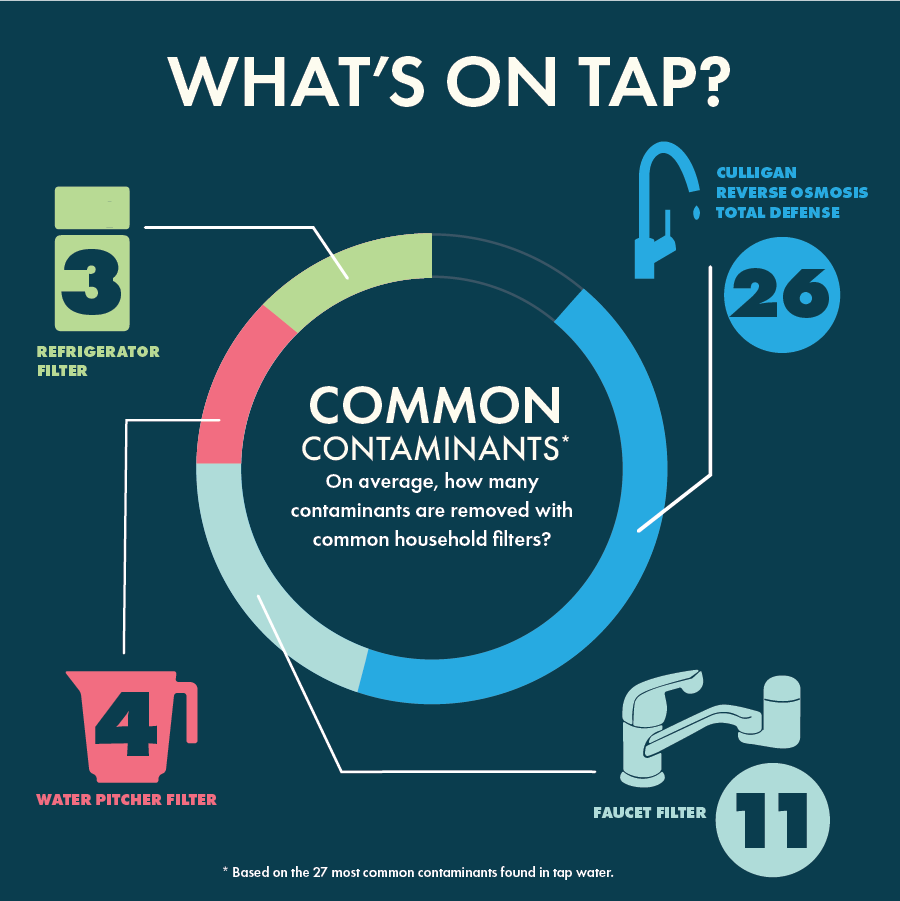
Credit: www.culligannation.com
What Is Reverse Osmosis
Reverse osmosis is a water purification process that removes impurities from water. It uses a special membrane to separate clean water from contaminants. This method produces very pure water, often better than regular filtered water.
How Reverse Osmosis Works
Water flows through a thin membrane under pressure. The membrane allows only water molecules to pass through. Larger particles, like salts and chemicals, stay behind. This process removes many impurities effectively. It works by pushing water against natural flow direction.
Key Components Of Ro Systems
There are several parts in a reverse osmosis system. A pre-filter removes large particles like dirt and rust. The RO membrane filters out tiny contaminants. A post-filter improves taste and removes odors. A storage tank holds the clean water. Some systems also include a pump for better pressure.
Common Uses Of Reverse Osmosis
Reverse osmosis is used in homes for drinking water. It is common in bottled water production. Many industries use RO to clean water for manufacturing. It helps in aquariums to provide safe water for fish. RO systems are also used in hospitals for sterile water.
What Is Filtered Water
Filtered water is water that has passed through a device to remove impurities. It improves taste and safety by reducing contaminants. Many households use filtered water to ensure cleaner drinking water. This process does not remove all minerals but targets harmful substances.
Types Of Water Filters
There are several types of water filters available for home use. Carbon filters are common and remove chlorine and bad odors. Ceramic filters trap bacteria and sediments. UV filters kill bacteria using ultraviolet light. Each type serves a specific purpose in water cleaning.
Filtration Methods Explained
Water filters work in different ways. Mechanical filtration traps particles like dirt and rust. Chemical filtration uses activated carbon to absorb chemicals. Biological filtration removes bacteria and viruses. Some filters combine these methods for better results.
Popular Filtered Water Options
Many people choose pitcher filters for convenience and affordability. Faucet-mounted filters attach directly to taps for easy use. Under-sink filters offer thorough filtration but need installation. Each option fits different needs and budgets.
Purity Levels Compared
Water purity is key for health and taste. Reverse osmosis (RO) and filtered water both improve purity. Their methods differ, impacting what they remove from water. Understanding purity levels helps in choosing the right system.
Contaminants Removed By Ro
RO systems remove many contaminants. They block dissolved salts, heavy metals, and chemicals. Lead, arsenic, and fluoride often disappear with RO. It also reduces nitrates and pesticides. This method filters out particles as small as 0.0001 microns.
Contaminants Removed By Filters
Water filters vary by type. Carbon filters remove chlorine, bad taste, and odors well. Some filters reduce sediment and rust. They also cut some pesticides and volatile organic compounds. However, many filters do not remove dissolved salts or heavy metals.
Effectiveness Against Microorganisms
RO removes bacteria and viruses by pushing water through a fine membrane. It is highly effective against germs. Standard filters may not remove all bacteria or viruses. Some use UV or ceramic to fight microorganisms better. RO offers stronger protection against harmful germs.

Credit: www.simpurelife.com
Taste And Mineral Content
Water taste and mineral content greatly affect how enjoyable drinking water is. Both reverse osmosis (RO) and filtered water systems change these factors in different ways. Understanding these changes helps you choose the right water for your needs.
Impact Of Ro On Minerals
Reverse osmosis removes most minerals from water. This process makes water very pure but also very flat in taste. Important minerals like calcium and magnesium are stripped out. Some people find this water less satisfying to drink. Others prefer it for its clean, neutral flavor.
How Filters Affect Taste
Regular water filters keep many minerals in the water. They remove chlorine and some impurities that cause bad taste or smell. This often makes water taste fresher and more natural. The presence of minerals gives water a slight flavor. This can make water more pleasant to drink.
Balancing Purity And Flavor
Choosing between RO and filtered water means balancing purity with taste. RO water is very clean but may lack flavor. Filtered water tastes better but may contain some impurities. Some systems add minerals back to RO water. This helps improve taste while keeping purity high.
Cost And Maintenance
Cost and maintenance are key factors when choosing between reverse osmosis (RO) and filtered water systems. They affect your budget and the ease of use. Understanding these costs helps you pick the right option for your home.
Initial Investment For Ro Vs Filters
Reverse osmosis systems usually cost more to buy. They need several parts and complex setup. Basic water filters are cheaper and simpler to install. The initial cost for filters is often lower by a large margin.
Ongoing Maintenance Requirements
RO systems need more care over time. They have membranes and filters that must be cleaned or changed. Filtered water systems require less regular attention. You mostly replace a single filter cartridge.
Filter Replacement Frequency
RO membranes last about 2 to 3 years. Pre and post filters in RO need changing every 6 to 12 months. Simple water filters usually need replacement every 3 to 6 months. Frequent changes add to overall maintenance cost.
Environmental Impact
Water purification methods affect the environment differently. Understanding these effects helps us choose wisely. Reverse osmosis (RO) and filtered water systems both clean water but have unique impacts on nature.
Water Wastage In Ro Systems
RO systems waste a lot of water during purification. For every gallon of clean water, several gallons may go to waste. This water often flows down the drain unused. Such wastage can strain local water supplies, especially in dry areas. The lost water affects both homes and ecosystems nearby.
Sustainability Of Filtered Water
Filtered water systems use fewer resources. They do not waste water during filtration. Filters remove impurities but keep most water intact. This leads to less water loss overall. Many filters are reusable or recyclable. This reduces plastic waste and helps the planet.
Energy Consumption Comparison
RO systems need electricity to push water through membranes. This energy use adds to their environmental footprint. Filtered water systems usually require no power or very little. Lower energy use means fewer carbon emissions. Choosing low-energy systems supports a cleaner environment.
Health Considerations
Health matters a lot when choosing between reverse osmosis and filtered water. Water affects the body in many ways. The type of water you drink can impact your minerals and safety. This section covers key health points to think about.
Mineral Deficiency Risks
Reverse osmosis removes almost all minerals from water. This means minerals like calcium and magnesium are lost. These minerals are important for bones and heart health. Filtered water keeps more minerals in the water. Drinking water without minerals might need balancing with food or supplements.
Potential Contaminants Left Behind
Filtered water may not remove all harmful substances. Some bacteria, chemicals, or heavy metals can stay. Reverse osmosis removes more types of contaminants. It uses a fine membrane to block tiny particles. Choosing the right system depends on your local water quality.
Safety For Sensitive Groups
Children, pregnant women, and elderly need safe water. Reverse osmosis water is very pure and safe for them. Filtered water is usually safe but may need testing. People with weak immune systems benefit from cleaner water. Always check water source and treatment to protect health.
Credit: espwaterproducts.com
Choosing The Right Option
Choosing the right water purification method matters for health and taste. Both reverse osmosis and filtered water offer cleaner water. Yet, each fits different needs and budgets. Understand your water quality and lifestyle to pick the best option. This guide helps you decide clearly and easily.
Assessing Water Quality Needs
Check your tap water for contaminants first. Reverse osmosis removes most impurities, including salts and chemicals. Regular filters often remove chlorine and some particles but not all minerals or toxins. Consider your local water report or test kits. If your water has heavy metals or hard minerals, reverse osmosis is better. For mild impurities, a simple filter can work well. Know what you want to remove before choosing.
Budget And Lifestyle Factors
Reverse osmosis systems cost more upfront and need space. They also waste some water during cleaning. Filters are cheaper and easier to install. They require less maintenance and save water. Think about your household size and water usage. If you want a low-cost, low-effort option, filters are good. For cleaner water and don’t mind spending more, choose reverse osmosis.
Long-term Benefits And Drawbacks
Reverse osmosis gives very pure water but can remove beneficial minerals. You might need to add minerals back for taste or health. Filters keep some minerals and taste natural. Over time, reverse osmosis filters need replacement, adding to costs. Filters also need regular changing but usually cost less. Consider maintenance, water taste, and health effects for the long run. Pick what suits your daily life best.
Frequently Asked Questions
What Is The Main Difference Between Reverse Osmosis And Filtered Water?
Reverse osmosis removes up to 99% of contaminants using a membrane. Filtered water usually involves activated carbon filters that reduce chlorine, odors, and some sediments. RO offers more thorough purification, while filtered water mainly improves taste and reduces certain impurities.
Is Reverse Osmosis Water Healthier Than Filtered Water?
Reverse osmosis water is often purer and free from most contaminants. Filtered water improves taste but may retain some minerals and impurities. RO water is better for removing harmful substances, making it generally healthier for consumption.
How Does Reverse Osmosis Affect Water Taste Compared To Filtered Water?
Reverse osmosis produces very clean, neutral-tasting water by removing minerals. Filtered water retains some minerals, which can enhance flavor. RO water tastes more pure, while filtered water may have a slightly richer taste due to mineral content.
Which System Is More Cost-effective: Reverse Osmosis Or Filtered Water?
Filtered water systems typically cost less upfront and use fewer resources. Reverse osmosis systems are more expensive but provide higher purity. Over time, RO may incur higher maintenance costs due to membrane replacements.
Conclusion
Choosing between reverse osmosis and filtered water depends on your needs. Reverse osmosis removes most impurities but uses more water. Filtered water keeps minerals and tastes fresher. Both improve water quality and safety. Think about your budget and water source.
Clean, safe water helps your health and daily life. Simple steps lead to better hydration. Pick what fits your lifestyle best. Clear water, clear choice.