Last Updated on March 8, 2026
Are you confused about the difference between reverse osmosis and water softeners? You’re not alone.
Both systems improve your water, but they do it in very different ways. Understanding which one suits your needs can save you money and give you cleaner, better-tasting water. Keep reading to discover how each works, the benefits they offer, and which one is the best fit for your home and lifestyle.
By the end, you’ll feel confident about making the right choice for your water quality.
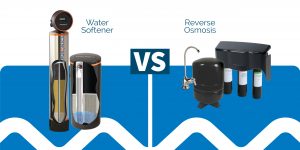
Credit: puronics.com
How Reverse Osmosis Works
Reverse osmosis is a water purification method that removes impurities effectively. It uses pressure to push water through a special filter. This process separates clean water from contaminants. Understanding how reverse osmosis works helps in choosing the right water treatment system.
Filtration Process
Water first passes through a pre-filter to remove large particles. Then, it moves through a semi-permeable membrane. This membrane blocks dissolved solids, bacteria, and chemicals. Only clean water molecules pass through the tiny holes. The impurities are flushed away as waste water.
Key Components
The system includes several parts: a pre-filter, the RO membrane, and a post-filter. The pre-filter protects the membrane by catching dirt and chlorine. The membrane is the heart of the system, filtering out most contaminants. The post-filter improves taste by removing any remaining odors.
Water Quality Improvement
Reverse osmosis significantly improves water taste and clarity. It removes up to 99% of harmful substances. These include lead, chlorine, fluoride, and nitrates. The result is safer, cleaner water for drinking and cooking. It also helps reduce hard water problems by lowering mineral content.
How Water Softeners Work
Water softeners are devices designed to remove hardness from water. Hard water contains minerals like calcium and magnesium. These minerals cause scale buildup in pipes and reduce soap effectiveness. Water softeners change hard water into soft water by removing these minerals. Understanding how they work helps to see their role in water treatment.
Ion Exchange Mechanism
Water softeners use a process called ion exchange. This process swaps hard minerals with sodium or potassium ions. Water passes through a resin tank filled with tiny beads. These beads hold sodium ions. When hard water flows through, calcium and magnesium ions stick to the beads. At the same time, sodium ions are released into the water. This exchange removes hardness and makes the water soft.
Main Parts
A water softener has key parts that work together. The resin tank holds the beads for ion exchange. A brine tank stores salt or potassium chloride. The control valve manages water flow and regeneration cycles. Regeneration cleans the resin by flushing out hardness minerals. Salt or potassium solution refills the beads with sodium or potassium ions. These parts keep the softener working efficiently.
Benefits For Hard Water
Soft water protects pipes and appliances from scale buildup. It helps soap and detergent work better. Skin and hair feel smoother after washing. Soft water reduces spots on dishes and glassware. It also saves energy by improving heater efficiency. Using a water softener extends the life of household plumbing. It offers a simple solution to hard water problems.
Differences In Purpose
Reverse osmosis and water softeners serve different roles in treating water. Knowing their main purposes helps choose the right system for your needs. Each system affects water in unique ways.
Removing Contaminants Vs Softening
Reverse osmosis removes many harmful contaminants like lead, chlorine, and bacteria. It uses a fine membrane to filter out tiny particles. Water softeners do not remove contaminants. They focus on reducing hardness by replacing calcium and magnesium ions with sodium or potassium.
Impact On Taste And Odor
Reverse osmosis improves taste and odor by removing chemicals and impurities. Water tastes cleaner and fresher after treatment. Water softeners do not change taste much. They mainly prevent scale buildup and make water feel smoother.
Effect On Mineral Content
Reverse osmosis removes most minerals from water, including good ones. This can result in very pure but mineral-free water. Water softeners keep minerals but change their form. They reduce hardness without removing beneficial minerals like calcium and magnesium.
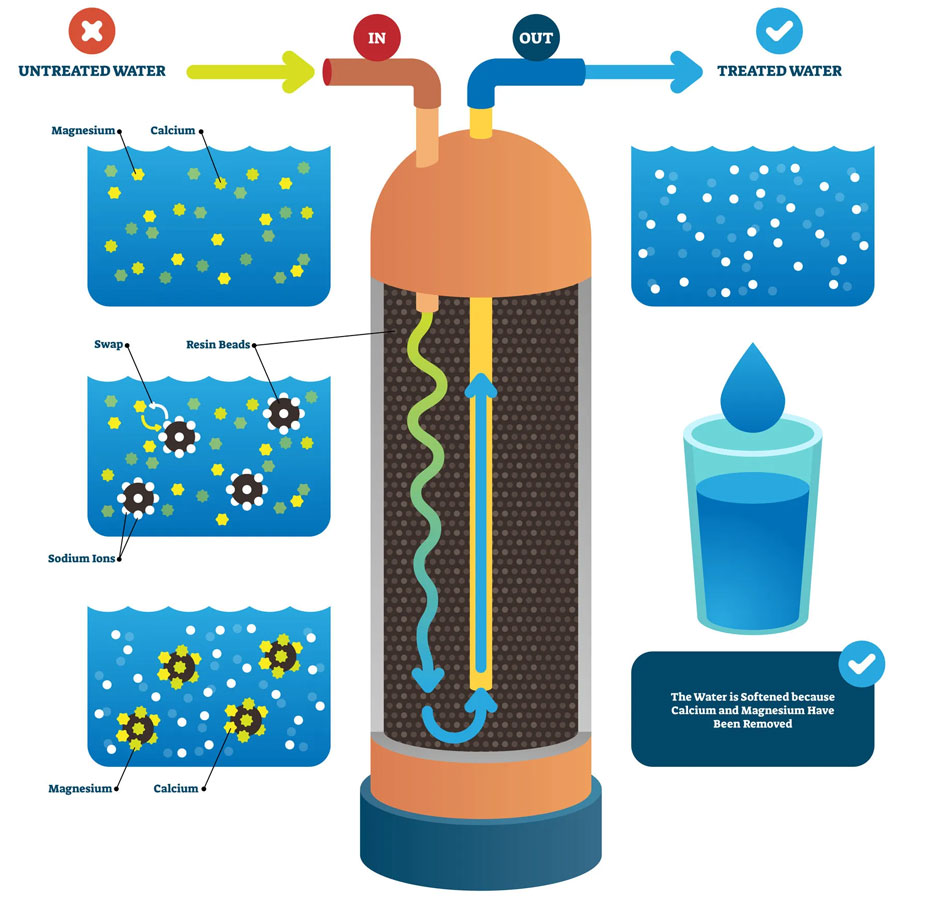
Credit: www.aquatechwatersystems.com
Installation And Maintenance
Understanding installation and maintenance helps you choose between reverse osmosis and water softeners. Both systems improve water quality but require different care and setup. Knowing what to expect saves time and money. It also ensures your system works well for years.
Setup Requirements
Reverse osmosis systems need a water line and a drain. They often fit under a sink. Installation can take a couple of hours. Some models need a storage tank for clean water. Water softeners connect to the main water supply. They require space near the water inlet. Installation usually takes a few hours. Both may need a professional for the best setup.
Regular Upkeep
Reverse osmosis filters need changing every 6 to 12 months. The membrane lasts longer but also needs replacement. Cleaning the system prevents clogging and keeps taste fresh. Water softeners require salt refills every few weeks. The salt helps remove hardness from water. Regular cleaning of the brine tank stops buildup. Checking settings ensures the softener works well.
Cost Factors
Installing reverse osmosis can cost more upfront. Filter replacements add to ongoing expenses. Water softeners usually have a higher initial price. Salt and maintenance add to monthly costs. Professional installation increases costs for both systems. Weigh upfront and maintenance costs before deciding. Choose the system that fits your budget and needs.
Health And Environmental Effects
Choosing between reverse osmosis and water softeners affects health and the environment. Both systems treat water but in different ways. Their impact on minerals, wastewater, and the environment varies. Understanding these effects helps make a better decision.
Mineral Retention
Reverse osmosis removes almost all minerals from water. This includes calcium and magnesium, which are good for health. Water softeners keep these minerals but change their form. They replace calcium and magnesium with sodium or potassium. Some people prefer water with natural minerals for taste and health.
Wastewater Concerns
Reverse osmosis produces wastewater during filtration. It wastes about 3 to 4 gallons for each gallon of clean water. This can increase water bills and strain local water resources. Water softeners do not create wastewater but need salt for regeneration. Salt use can affect soil and water quality if not managed properly.
Environmental Footprint
Reverse osmosis systems use electricity and create plastic waste from filters. This adds to environmental impact. Water softeners use salt, which may harm plants and aquatic life if discharged incorrectly. Both systems require maintenance and proper disposal to reduce their footprint. Choosing the right system can reduce harm to the planet.
Choosing Based On Water Quality
Choosing the right water treatment system depends on your water quality. Understanding what is in your water helps you pick the best option. Reverse osmosis and water softeners serve different purposes. Knowing your water’s hardness and contaminants guides your choice.
Testing your water is the first step to find out what needs fixing. This way, you avoid buying a system that does not solve your problem.
Testing Hardness And Contaminants
Water hardness means the level of calcium and magnesium in water. A simple test kit can measure hardness at home. Contaminants include chlorine, lead, and other harmful substances. More detailed tests check for these impurities. Both tests show what kind of water treatment you need.
Matching System To Needs
Water softeners remove hardness to stop scale buildup. They do not remove most contaminants. Reverse osmosis filters out many chemicals and particles. Soft water feels smooth but may still have contaminants. RO water is very clean but not soft. Choose based on what your water lacks or contains.
Professional Assessment
Experts can test your water with precise tools. They understand local water problems and solutions. A professional can recommend the best system for your home. This saves time and avoids wrong purchases. Their advice ensures safe and clean water for your family.
Cost Comparison And Long-term Value
Choosing between reverse osmosis and a water softener often depends on cost and long-term value. Both systems improve water quality but differ in price and maintenance needs. Understanding these differences helps you pick the best option for your home and budget.
Initial Investment
Reverse osmosis systems usually cost more upfront. The price depends on the system size and features. Water softeners tend to have a lower initial cost. Installation fees vary for both, depending on complexity. Budgeting for installation is important to avoid surprises.
Operating Expenses
Reverse osmosis units use filters that need regular replacement. Filter costs add up over time. They also waste some water during the purification process. Water softeners require salt or potassium to work. Refilling salt is a small ongoing expense. Both systems use electricity but at low levels.
Lifespan And Durability
Reverse osmosis systems last about 10 to 15 years. Proper care can extend their lifespan. Water softeners often last 15 to 20 years or more. Regular maintenance keeps both systems running well. Checking parts and cleaning helps avoid costly repairs.
Common Misconceptions
Many people confuse reverse osmosis systems and water softeners. These devices serve different purposes but often get mixed up. Understanding common misconceptions helps in choosing the right system for your needs.
Myths About Ro Systems
Some believe RO systems remove only chemicals. They actually remove many contaminants, including bacteria and viruses. Another myth says RO wastes a lot of water. Modern systems use water more efficiently than older models. People also think RO water lacks minerals. While some minerals reduce, you can add them back easily.
Misunderstandings About Softeners
Many think water softeners clean water. Softeners only remove hardness minerals like calcium and magnesium. They do not remove chemicals or germs. Some believe softened water tastes salty. Properly set systems do not make water salty. Others assume softeners reduce water use. They have no impact on overall water consumption.
Clarifying Effectiveness
Reverse osmosis excels at purifying water completely. It produces clean, safe drinking water. Water softeners improve water quality by preventing scale buildup. Neither system replaces the other. Knowing their functions helps avoid wrong choices. Choose based on water problems you want to solve.
Combining Both Systems
Combining a reverse osmosis system with a water softener can improve your water quality significantly. Each system targets different problems in your water supply. Using both together ensures cleaner, softer water for drinking, cooking, and household use.
When To Use Together
Use both systems if your water is hard and contains many impurities. Hard water can cause scale buildup and damage pipes. Reverse osmosis removes chemicals and particles that a softener cannot. This combination is ideal for homes with poor water quality or well water.
Benefits Of Dual Systems
Using both systems extends the life of your appliances. The softener prevents scale, and the reverse osmosis improves taste and safety. You get smoother skin, better tasting water, and fewer plumbing issues. This setup also reduces the need for bottled water.
Installation Tips
Install the water softener before the reverse osmosis unit. This order protects the RO membranes from scale damage. Check your water pressure to ensure proper flow. Hire a professional for best results and system maintenance.

Credit: www.alfaauv.com
Frequently Asked Questions
What Is The Main Difference Between Reverse Osmosis And Water Softeners?
Reverse osmosis removes impurities and contaminants from water. Water softeners specifically target hard minerals like calcium and magnesium. RO improves water purity, while softeners reduce hardness to prevent scale buildup in pipes and appliances.
Can Reverse Osmosis Systems Soften Hard Water?
No, reverse osmosis systems do not soften water. They filter out impurities but don’t remove hardness-causing minerals effectively. Water softeners are designed to exchange hard minerals for sodium or potassium, reducing water hardness.
Which System Is Better For Drinking Water Quality?
Reverse osmosis is better for drinking water quality. It removes contaminants like lead, chlorine, and bacteria. Water softeners improve water feel but do not purify water for safe drinking.
Do Water Softeners Remove Harmful Contaminants?
Water softeners do not remove harmful contaminants. They only reduce hardness by replacing minerals. For contaminant removal, reverse osmosis or other filtration methods are necessary.
Conclusion
Choosing between reverse osmosis and a water softener depends on your needs. Reverse osmosis cleans water by removing many impurities. Water softeners mainly reduce hardness caused by minerals. Both systems improve water quality but serve different purposes. Think about what problem you want to solve first.
Clean drinking water or softer water for your home? Each option has benefits that suit different homes. Understanding these differences helps you decide wisely. Take your time to pick the best system for your water. Good water means a healthier home and happier family.