Last Updated on December 10, 2025
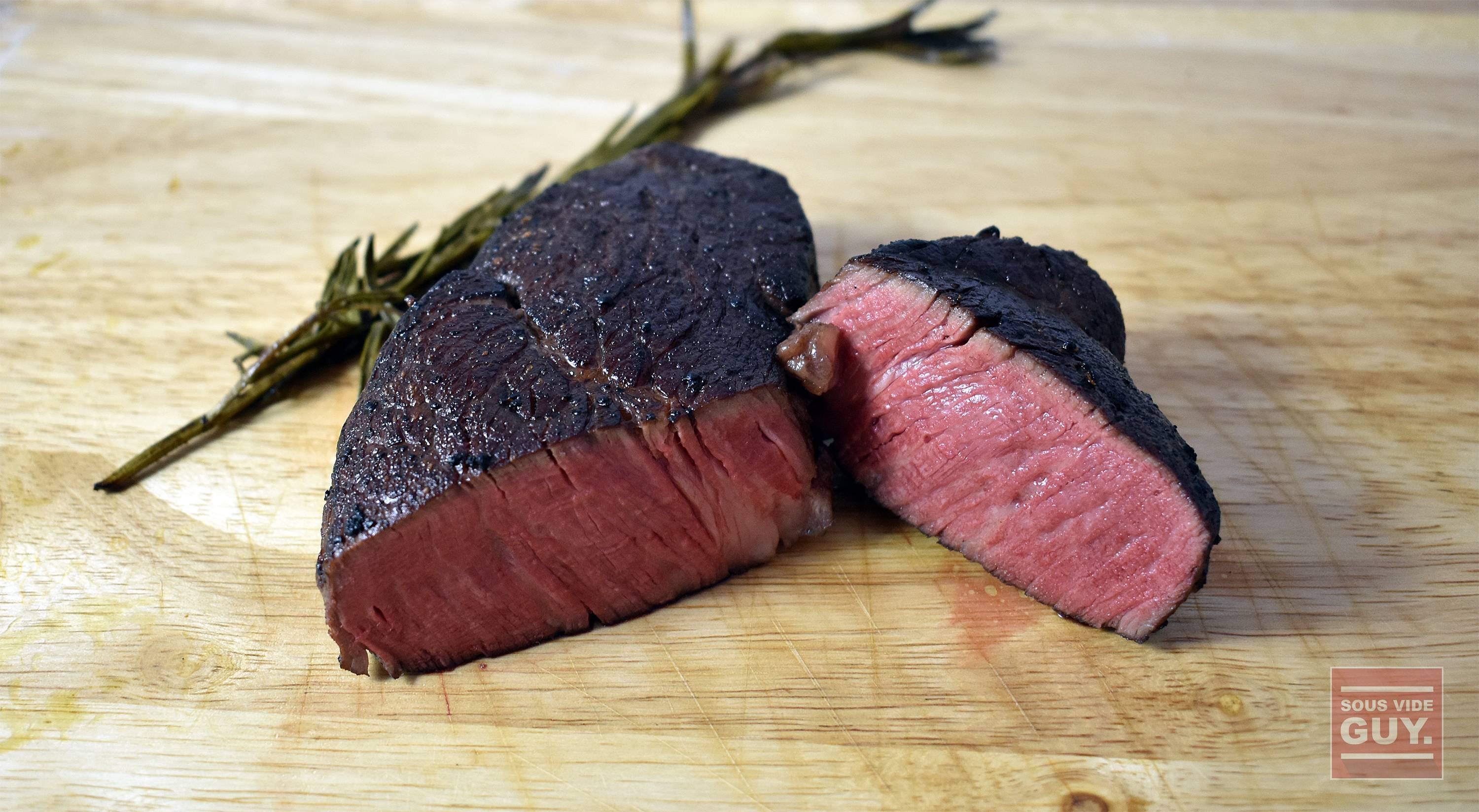
If you love steak but struggle to get it just right, this method will change everything for you. Imagine perfectly cooked meat, juicy and tender inside, with a rich, crispy crust on the outside.
That’s exactly what you get when you combine sous vide and sear. You don’t have to guess if your steak is overcooked or underdone anymore. You’ll discover how to master this simple yet powerful technique to impress yourself and anyone you share your steak with.
Ready to take your steak game to the next level? Keep reading—you won’t want to miss this.

Credit: www.amazingfoodmadeeasy.com
Why Choose Sous Vide For Steak
Choosing sous vide for cooking steak brings many benefits. It helps you cook meat perfectly every time. This method uses precise temperature control to achieve the desired doneness.
Steak cooked with sous vide stays juicy and tender. The flavor stays rich and fresh. Plus, the risk of overcooking drops to almost zero. This makes sous vide ideal for both beginners and experts.
Consistent Temperature Control
Sous vide cooks steak at a steady temperature. The water bath keeps heat even all around. This avoids hot spots that can burn or dry out meat. You get the exact doneness you want from edge to edge.
Enhanced Flavor And Texture
The sealed bag traps juices and aromas inside. The steak marinates in its own flavors. This process improves taste and tenderness. The texture becomes soft but still firm enough to enjoy.
Minimal Risk Of Overcooking
Sous vide prevents overcooking by controlling heat precisely. The steak cannot exceed the set temperature. This means no dry or tough meat. You can leave the steak in the bath longer without worry.
Selecting The Right Cut
Choosing the right steak cut is the first step in sous vide cooking. The cut affects the texture, flavor, and cooking time. Some cuts work better with sous vide and searing than others. Picking the right one makes your steak tender and juicy.
Best Cuts For Sous Vide
Ribeye offers great fat marbling and rich flavor. It stays juicy after slow cooking. Filet mignon is very tender and cooks evenly with sous vide. Sirloin is leaner but still becomes tender through this method. New York strip has a good balance of tenderness and flavor. These cuts handle the gentle heat well and make searing easy.
Thickness And Size Considerations
Steaks between 1 and 2 inches thick work best for sous vide. Thicker steaks take longer to cook evenly. Thin steaks can overcook or dry out during searing. Larger cuts need more time in the water bath. Size affects the texture after searing. Choose steaks that fit your cooking time and equipment.
Preparing Steak For Sous Vide
Preparing steak for sous vide cooking sets the foundation for tender and flavorful results. The process starts with careful seasoning and proper sealing. These steps make a big difference in taste and texture.
Follow clear methods to keep the steak moist and well-seasoned. This ensures the steak cooks evenly in the water bath. Let’s explore how to season and seal the steak before sous vide.
Seasoning Tips
Simple seasoning works best. Use salt and pepper to enhance the natural flavor. Apply salt evenly on both sides for a balanced taste.
Add herbs like rosemary or thyme for extra aroma. Place garlic cloves or butter in the bag for richness. Avoid heavy sauces before cooking, as they can affect texture.
Vacuum Sealing Techniques
Vacuum sealing removes air and locks in moisture. Use a good quality vacuum sealer for best results. Place the steak flat inside the bag to ensure even cooking.
Seal the bag tightly without wrinkles or gaps. Check the seal to avoid leaks during cooking. If no vacuum sealer is available, use the water displacement method with a zip-lock bag.
Credit: www.friccicomangiaebevi.it
Setting The Sous Vide Temperature And Time
Setting the sous vide temperature and time is key to cooking steak perfectly. This process controls how tender and juicy your steak turns out. It also helps you achieve the exact doneness you want. Following clear guidelines makes cooking easier and more consistent.
Choosing the right temperature is the first step. The cooking time depends on the thickness and cut of the steak. Careful timing ensures the steak is cooked evenly and stays moist.
Temperature Guide For Desired Doneness
Different temperatures create different doneness levels in steak. For rare steak, set the sous vide to 125°F (52°C). Medium-rare is best at 130°F to 135°F (54°C to 57°C). Medium steak cooks well at 140°F to 145°F (60°C to 63°C). For medium-well, choose 150°F to 155°F (66°C to 68°C). Well-done steak needs 160°F (71°C) or higher.
Recommended Cooking Durations
Cooking time depends on steak thickness and cut. For a 1-inch thick steak, cook for 1 to 2 hours. Thicker steaks, like 2 inches, need 2 to 4 hours. Tougher cuts like chuck or brisket require 24 to 48 hours for tenderness. Avoid cooking too long to keep texture firm but tender.
Searing For The Perfect Finish
Searing is the final step that turns a sous vide steak into a delicious meal. It creates a brown, crispy crust. This crust adds texture and deep flavor. Without searing, the steak looks pale and less appetizing. The right searing technique enhances the steak’s taste and appearance.
Choosing The Right Pan Or Grill
Use a heavy pan for searing. Cast iron is the best choice. It holds heat well and cooks evenly. A stainless steel pan also works fine. Avoid non-stick pans because they don’t get hot enough. Grilling over high heat is another great option. The grill adds a smoky flavor and char marks.
Optimal Searing Temperature And Time
Heat the pan or grill until it is very hot. The surface should be almost smoking. This high heat creates the perfect crust. Sear the steak for about 1 to 2 minutes on each side. Too long can overcook the inside. Flip once for the best crust. Keep the steak moving to avoid burning.
Adding Flavor With Butter And Herbs
Butter adds richness to the seared steak. Toss in fresh herbs like thyme or rosemary. Melt the butter in the pan after searing starts. Spoon the butter and herbs over the steak. This method infuses the steak with extra taste. It also helps the crust become shiny and appetizing.
Common Mistakes To Avoid
Cooking steak using sous vide and searing is simple but requires care. Avoiding common mistakes ensures a juicy, flavorful steak every time. Small errors can change the texture and taste. Pay attention to these key points for the best results.
Skipping The Rest After Searing
Resting steak after searing lets juices settle inside. Cutting too soon causes juices to spill out. The steak ends up dry and less tasty. Wait at least five minutes before slicing. This step keeps the meat tender and juicy.
Overcrowding The Pan
Putting too many steaks in the pan lowers the heat fast. The meat steams instead of getting a crispy crust. Cook steaks one or two at a time for best results. High heat and space make a nice sear.
Ignoring Food Safety Tips
Handling sous vide steaks safely prevents illness. Always use fresh meat and vacuum seal it properly. Keep the water temperature steady and cook long enough. Chill steaks quickly if not eating right away. Clean tools and surfaces to avoid bacteria.
Serving And Storing Tips
Serving and storing sous vide and sear steak properly keeps its flavor and texture. Follow simple steps to enjoy every bite. Proper handling after cooking ensures the steak stays juicy and tender. Store it right to keep freshness for later meals.
Resting Steak Before Serving
Rest the steak for 5 minutes before cutting. This lets juices spread inside the meat. Cutting too soon makes juices run out. Resting helps the steak stay moist and tasty. Cover it lightly with foil to keep heat.
Reheating Without Losing Juiciness
Reheat steak gently to keep it juicy. Use a low heat setting on the stove or oven. Avoid high heat that dries out the meat. Reheat steak in a water bath at the same sous vide temperature. This keeps the steak warm without overcooking it. Finish with a quick sear to refresh the crust.
:max_bytes(150000):strip_icc()/__opt__aboutcom__coeus__resources__content_migration__serious_eats__seriouseats.com__images__2015__04__20140427-sous-vide-steak-guide-food-lab-19-5adb6d2068e14e8bb04010804e1db6c0.jpg)
Credit: www.seriouseats.com
Frequently Asked Questions
What Is The Benefit Of Sous Vide And Sear Steak?
Sous vide ensures perfect doneness by cooking steak evenly. Searing adds a flavorful crust and caramelization. This combo enhances taste and texture, delivering juicy, tender steak with a rich, savory exterior.
How Long Should I Sous Vide Steak Before Searing?
Sous vide steak typically requires 1 to 4 hours at 130°F to 140°F. Cooking time depends on thickness and desired doneness. After sous vide, sear steak quickly for 1-2 minutes per side for a perfect crust.
Can I Use Any Steak Cut For Sous Vide And Sear?
Yes, most steak cuts work well for sous vide and sear. Tender cuts like ribeye or sirloin are ideal. Even tougher cuts become tender with sous vide, enhancing flavor and texture after searing.
What Oil Is Best For Searing Steak After Sous Vide?
Use high smoke point oils like avocado, grapeseed, or canola oil. These oils handle high heat without burning. They help create a crispy, golden-brown crust on your sous vide steak.
Conclusion
Cooking steak with sous vide and sear gives great results. The steak stays juicy and cooks evenly. Searing adds a tasty crust and rich color. This method is simple and helps avoid overcooking. Anyone can try it at home with basic tools.
Enjoy a restaurant-quality steak without much effort. Give sous vide and sear a shot for your next meal. You might find it becomes your favorite way to cook steak.