Last Updated on December 10, 2025
Have you ever wanted to enjoy perfectly cooked meals with juicy, tender results every time, but don’t have a sous vide machine? What if you could get those same amazing flavors and textures using tools you already have at home?
You’re about to discover simple, clever ways to cook sous vide-style without spending a dime on special equipment. Keep reading, and you’ll learn how to transform your cooking with easy methods that anyone can master. Your taste buds will thank you.
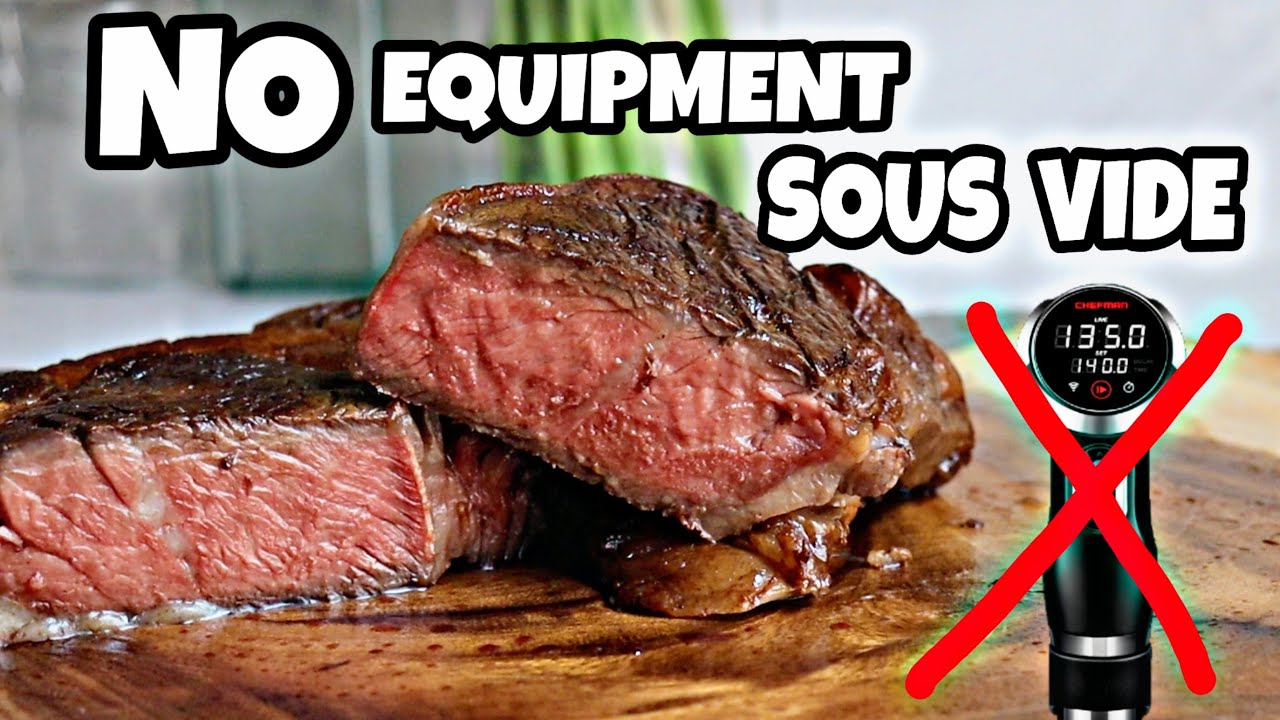
Credit: www.youtube.com
Basics Of Sous Vide Cooking
Sous vide cooking is a method that uses precise temperature control. It cooks food evenly and keeps it juicy. This technique is popular in restaurants but can be done at home. You do not always need a special machine to try it.
Understanding the basics helps you cook better meals. It also saves time and reduces mistakes. Let’s explore how sous vide works, its benefits, and common ingredients used.
How Sous Vide Works
Sous vide means “under vacuum” in French. Food is sealed in a plastic bag. The bag is placed in warm water. The water stays at a steady temperature.
This slow and gentle cooking ensures food cooks evenly. It prevents overcooking or drying out. The food cooks in its own juices. This keeps flavors and nutrients inside.
Benefits Of Sous Vide
Food cooks evenly from edge to center. No parts are raw or overdone. It locks in moisture and flavor. This makes food tender and tasty.
Precise temperature control means you cook food perfectly. It reduces guesswork and stress. You can cook ahead and store food safely. It saves time on busy days.
Common Ingredients For Sous Vide
Meat like steak, chicken, and pork works well. Vegetables such as carrots, potatoes, and asparagus are good choices. Fish and eggs also cook perfectly with sous vide.
Herbs, spices, and oils add flavor inside the bag. Simple ingredients give great results. The slow cooking brings out natural tastes.
Diy Tools For Sous Vide
Sous vide cooking usually needs a special machine. But you can try it at home without one. Using simple tools, you can cook food evenly and keep it juicy. These DIY methods work well for beginners and home cooks alike. Let’s explore some easy ways to do sous vide without a machine.
Using A Pot And Thermometer
Fill a large pot with water. Heat the water on your stove and watch the temperature. Use a kitchen thermometer to check the heat. Keep the water at the right temperature for your food. Stir the water often to keep it even. This method needs care but works well for slow cooking.
Ziplock Bags And Water Displacement
Put your food in a Ziplock bag. Seal the bag almost all the way, leaving a small gap. Slowly lower the bag into the water. The water pressure pushes air out of the bag. Seal the bag fully once the air is out. This keeps your food underwater without a vacuum sealer.
Alternative Heat Sources
You can use other heat sources besides a stove. An electric kettle with temperature control works well. Slow cookers with a temperature dial can keep water warm. Even a large insulated cooler with hot water can hold heat. These options provide steady temperatures needed for sous vide cooking.
Temperature Control Techniques
Controlling temperature is the key to sous vide cooking without a machine. Keeping the water at a steady, precise heat ensures even cooking and great taste. It might seem tricky without special equipment. Yet, with smart techniques, anyone can manage the temperature well. These methods help keep the water warm and stable for hours.
Maintaining Consistent Heat
Start with water heated on the stove to the target temperature. Use a pot with a thick bottom to keep heat longer. Turn off the heat once it reaches the right level. Stir the water gently every 10 to 15 minutes. This spreads the heat evenly. Add hot water if the temperature drops too low. Avoid boiling or letting it cool down too much.
Using A Cooler Or Insulated Container
An insulated container keeps water warm for a long time. Heat the water on the stove first. Pour it into a clean cooler or thermos. Close the lid tightly to trap heat inside. The insulation slows down heat loss. This method works well for long cooking times. You can check the temperature and add hot water if needed.
Monitoring Water Temperature
Check water temperature often with a reliable thermometer. Digital or instant-read thermometers work best. Take readings from different spots in the water. This helps find cold or hot areas. Adjust heat or add hot water to keep the right temperature. Consistent monitoring avoids overcooking or undercooking your food.
Step-by-step Diy Sous Vide Methods
Sous vide cooking delivers perfectly cooked meals every time. It uses precise temperature control to cook food evenly. A sous vide machine makes this easy, but it is not the only option. You can try simple DIY methods to enjoy sous vide at home. These methods use common kitchen tools and still give great results.
Stovetop Method
Fill a large pot with water. Heat the water on low to medium heat. Use a thermometer to check the temperature. Keep the water between 130°F and 160°F, depending on the food. Place the food in a sealed plastic bag. Submerge the bag in the water. Adjust the heat to keep the temperature steady. Cook for the recommended time based on the recipe. Remove the bag and serve or finish with a quick sear.
Oven Method
Preheat your oven to a low temperature, around 130°F to 160°F. Place the food in an oven-safe bag or airtight container. Fill a deep pan with water and place it in the oven. Put the sealed food bag in the water bath. Check the oven temperature with a thermometer often. Cook the food slowly for the set time. Remove the bag carefully after cooking. Pat dry and sear if desired for a nice crust.
Slow Cooker Method
Fill the slow cooker with water. Set the temperature to low or keep warm. Use a thermometer to monitor the water temperature. Adjust the heat to maintain a steady temperature. Place the food in a sealed bag. Submerge the bag in the water bath. Cover the slow cooker with a lid. Cook the food for the needed time. Remove the food and finish with a quick sear for texture.
Safety Tips For Diy Sous Vide
Cooking sous vide without a machine can be fun and tasty. Safety is very important to avoid food risks. Following clear safety tips helps keep food safe and delicious. Understanding these tips will help you enjoy your DIY sous vide meals.
Food Safety Guidelines
Always use fresh, high-quality ingredients. Keep food at safe temperatures to stop bacteria growth. Cook food long enough to reach a safe internal temperature. Use a thermometer to check food temperature. Chill cooked food quickly if not eating right away.
Avoiding Cross-contamination
Use separate cutting boards for raw and cooked food. Wash hands before and after handling raw meat. Clean all utensils and surfaces with hot, soapy water. Keep raw food away from other ingredients. Store raw and cooked foods in separate containers.
Proper Sealing Techniques
Seal food tightly in bags to stop water entry. Use heavy-duty zipper bags or vacuum seal bags. Remove as much air as possible before sealing. Double-bag food for extra protection. Check bags for leaks before cooking.
Recipe Ideas For Diy Sous Vide
Cooking sous vide without a machine is easier than you think. You can get tender, juicy food with simple tools. Using a pot, a thermometer, and a ziplock bag, you control the water temperature. This method locks in flavors and cooks food evenly. Try these easy recipes to enjoy sous vide at home.
Perfect Steak
Season a steak with salt and pepper. Place it in a ziplock bag and remove air. Heat water to 130°F (54°C). Submerge the bag in water and cook for 1 to 2 hours. After cooking, sear the steak quickly in a hot pan. This gives a crispy outside with a tender inside.
Tender Chicken Breast
Season chicken breasts with herbs and a little salt. Put them in a sealed bag with a splash of olive oil. Heat water to 140°F (60°C). Cook the chicken in the water for 1 to 1.5 hours. The result is moist and tender chicken, never dry. Finish by quickly browning the chicken in a pan.
Vegetable Medley
Chop vegetables like carrots, zucchini, and bell peppers. Season with salt, pepper, and a bit of olive oil. Seal vegetables in a ziplock bag and remove air. Heat water to 185°F (85°C). Cook vegetables for 30 to 45 minutes. They come out soft but still firm and full of flavor.
Troubleshooting Common Issues
Troubleshooting common issues is important when cooking sous vide without a machine. Small problems can affect the food’s taste and safety. Knowing how to fix them helps you cook better meals. This section covers common problems and easy fixes.
Temperature Fluctuations
Maintaining the right temperature is key in sous vide cooking. Without a machine, the water may get too hot or cool down fast. Use a thermometer to check water often. Adjust heat on the stove to keep it steady. Stir the water gently to spread heat evenly. Cover the pot to keep warmth inside. These steps help avoid temperature drops or spikes.
Seal Leaks
Sealing food properly is vital to keep water out. Plastic bags can leak if not closed well. Use high-quality ziplock bags or vacuum-sealed bags. Press out air before sealing to avoid leaks. Clip the bag to the side of the pot to stop it from moving. Check for holes or tears in the bag before cooking. A good seal keeps food safe and flavors locked in.
Undercooked Or Overcooked Food
Cooking time and temperature decide if food is done right. Too short or too low heat leaves food undercooked. Too long or too hot cooks it too much. Follow recipes for time and temperature carefully. Use a timer to avoid guessing. Check food texture after cooking. Adjust next time based on results. Perfect timing gives tender, juicy food every time.
:max_bytes(150000):strip_icc()/sous-vide-MS031023-84b8c78bc5474bf2b637d56fe734bd8b.jpg)
Credit: www.marthastewart.com

Credit: www.sheknows.com
Frequently Asked Questions
Can I Sous Vide Without A Sous Vide Machine?
Yes, you can sous vide without a machine using a pot, thermometer, and ziplock bags. Maintain water temperature manually for even cooking.
What Tools Replace A Sous Vide Machine At Home?
A large pot, accurate thermometer, and heat-resistant ziplock bags replace the machine. Stir water regularly to keep temperature steady.
How To Control Water Temperature Without Sous Vide Equipment?
Use a digital thermometer to monitor water. Adjust heat on the stove to maintain the desired temperature precisely.
Is Sous Vide Without A Machine Safe For Cooking?
Yes, it is safe if you keep water temperature consistent between 130°F and 185°F. Proper sealing prevents contamination.
Conclusion
Cooking sous vide without a machine is simple and fun. You only need a pot, a thermometer, and a bag. This method keeps food juicy and tender. It saves money and space in your kitchen. Anyone can try it with basic tools.
Just watch the temperature closely for best results. Enjoy restaurant-quality meals at home without fancy gadgets. Give it a shot and taste the difference yourself. Cooking can be easy and delicious, even without special devices.