Last Updated on February 15, 2026
A stock pot is ideal for slow cooking large quantities of food, while a pressure cooker speeds up the cooking process. Both have unique advantages depending on your cooking needs.
Stock pots and pressure cookers are essential kitchen tools with distinct functions. Stock pots excel in making broths, soups, and stews, allowing flavors to develop over extended cooking times. They are versatile and can handle large volumes, perfect for batch cooking.
Pressure cookers, on the other hand, cook food rapidly by trapping steam under high pressure. This method significantly reduces cooking time and preserves nutrients. Both appliances have unique benefits, making them valuable for different culinary tasks. Knowing their differences helps in choosing the right tool for your recipes.
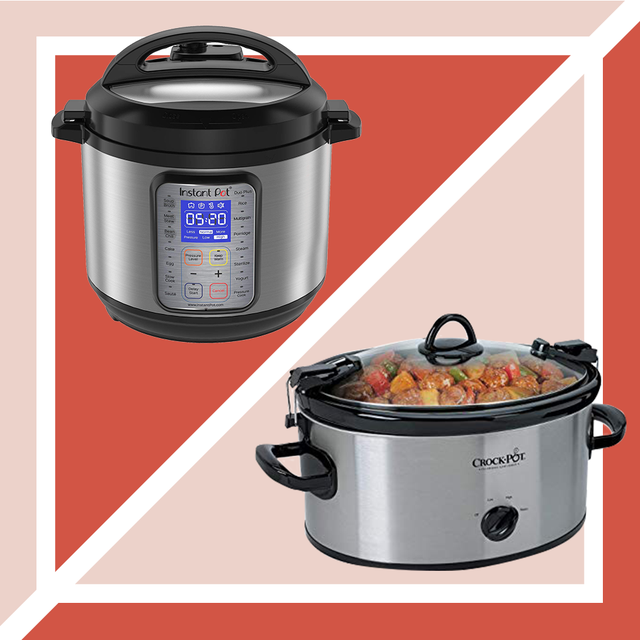
Credit: www.womenshealthmag.com
Introduction To The Culinary Duel
In the world of cooking, two kitchen tools stand out. The stock pot and the pressure cooker are essential for many dishes. Both have unique advantages and uses. This blog post will explore their differences and help you choose the best one for your needs.
Setting The Stage
Let’s set the stage for our culinary duel. The stock pot is a large, deep pot used for simmering. It’s ideal for making broth, soup, and stew. On the other hand, the pressure cooker uses steam pressure to cook food quickly. It’s perfect for speeding up slow-cooked meals.
What’s At Stake?
Choosing between these tools depends on your cooking style. Here’s a quick comparison:
| Feature | Stock Pot | Pressure Cooker |
|---|---|---|
| Cooking Time | Long | Short |
| Flavor Development | Rich and Deep | Intense but Short |
| Ease of Use | Simple | Requires Learning |
| Versatility | Very Versatile | Versatile |
The stock pot excels in slow cooking. It’s great for making rich, flavorful dishes. The pressure cooker shines in speed and efficiency. It cooks meals quickly without sacrificing taste.
Consider your cooking needs and time. Both tools have their place in the kitchen. Whether you prefer slow and steady or fast and efficient, understanding their differences will help you make the best choice.
The Basics: Stock Pot
The stock pot is a kitchen essential. It’s versatile and easy to use. Understanding its design and function can help in choosing the right one.
Design And Function
A stock pot has a tall, deep body. It usually comes with two handles for easy lifting. The pot’s base is flat, allowing even heat distribution.
Its primary function is to simmer liquids for long periods. This makes it perfect for soups, stews, and broths. The tall design helps in reducing liquid evaporation.
| Feature | Details |
|---|---|
| Material | Stainless steel, aluminum, or enamel |
| Capacity | Ranges from 6 to 20 quarts |
| Heat Source | Stovetop |
Ideal Uses
Stock pots are ideal for making large batches of food. Here are some common uses:
- Soup: Perfect for homemade chicken soup.
- Broth: Great for simmering bones and vegetables.
- Pasta: Boil pasta for large gatherings.
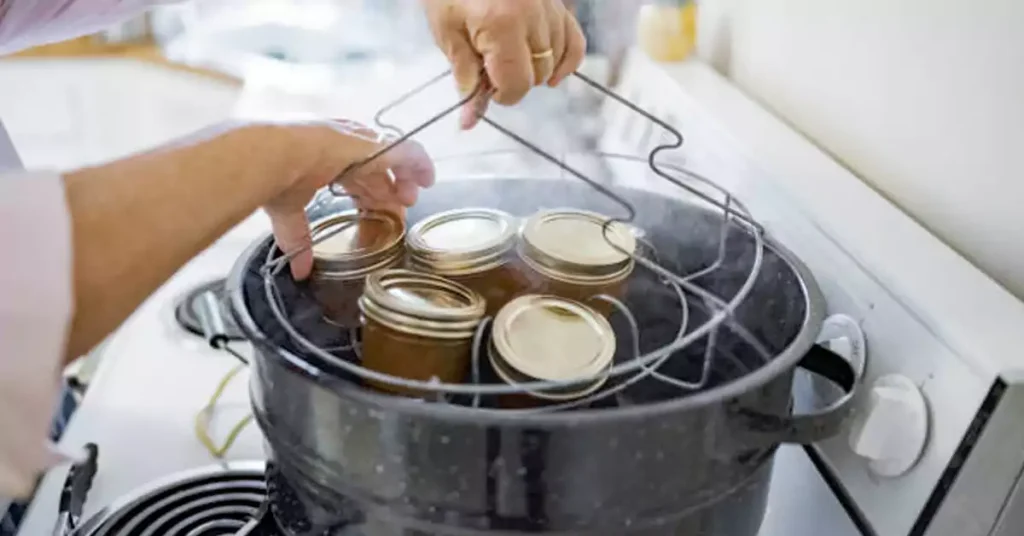
They are also used for boiling seafood and blanching vegetables. The large capacity makes them useful for canning and preserving foods.
The Basics: Pressure Cooker
Pressure cookers are kitchen marvels. They save time and energy. Learn their design and ideal uses below.
Design And Function
A pressure cooker has a sealed pot with a lockable lid. This design traps steam, increasing pressure inside.
The high pressure raises the boiling point of water. This cooks food faster. Pressure cookers often have a pressure release valve. It helps control the pressure safely.
Most pressure cookers are made of stainless steel or aluminum. They are durable and heat evenly. Some have digital controls for precise cooking. Others are manual with simple knobs.
Ideal Uses
Pressure cookers are perfect for quick meals. They can cook beans, lentils, and tough meats in minutes.
- Stews and soups: Cook hearty stews in less time.
- Rice and grains: Get fluffy rice and grains quickly.
- Vegetables: Steam veggies to retain nutrients.
They are also great for making stocks and broths. The high pressure extracts flavors faster. Some people even use them for canning. They can seal jars safely under high pressure.
| Dish | Cooking Time |
|---|---|
| Beans | 10-15 minutes |
| Chicken | 15-20 minutes |
| Rice | 5-10 minutes |
Using a pressure cooker saves time and keeps flavors intact. It is a versatile tool for any kitchen.
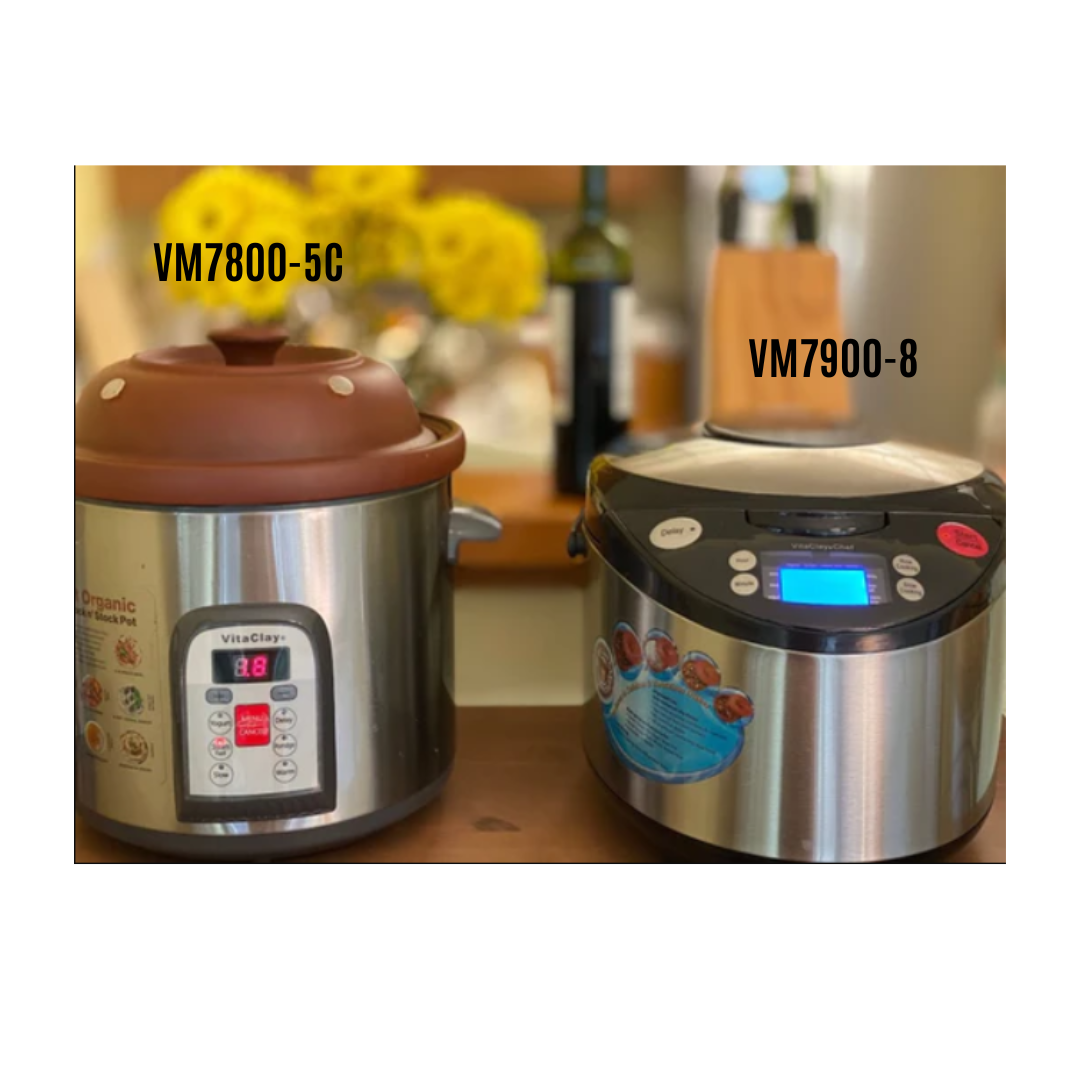
Credit: www.maria-nantes.com
Comparing Cooking Times
When it comes to preparing meals, time is a crucial factor. Both stock pots and pressure cookers have their advantages. Let’s compare their cooking times.
Speed And Efficiency
Stock pots are traditional and versatile. They are ideal for slow-cooking soups, stews, and broths. On the other hand, pressure cookers cook food much faster. They use steam and high pressure to speed up the cooking process.
| Dish | Stock Pot | Pressure Cooker |
|---|---|---|
| Chicken Soup | 2 hours | 30 minutes |
| Beef Stew | 3 hours | 45 minutes |
| Vegetable Broth | 1 hour | 15 minutes |
The pressure cooker drastically reduces cooking times. This can be a game-changer for busy households.
Impact On Nutrients
Cooking times affect the nutrient content of food. Stock pots cook food slowly. This can help in preserving more vitamins and minerals. Pressure cookers cook food quickly at high temperatures. Some nutrients may be lost due to the heat.
Here are some key points:
- Stock pots retain more vitamins in vegetables.
- Pressure cookers can break down tough fibers in meats.
- Shorter cooking times in pressure cookers can help retain flavors.
Both cooking methods have their pros and cons. Choose based on your needs and priorities.
Flavor And Texture: A Taste Test
Ever wondered how a stock pot and a pressure cooker compare in flavor and texture? We conducted a taste test to find out. This comparison reveals the differences in how each method affects your ingredients.
How They Handle Ingredients
Stock pots and pressure cookers cook ingredients differently. The slow simmer of a stock pot allows flavors to meld over time. In contrast, a pressure cooker uses high pressure to cook food quickly.
Here’s a quick comparison:
| Cooking Method | Flavor | Texture |
|---|---|---|
| Stock Pot | Rich and deep | Tender but firm |
| Pressure Cooker | Intense and concentrated | Very tender |
Expert Opinions
Culinary experts have weighed in on the debate. Many chefs prefer the stock pot for its ability to develop complex flavors.
- Chef Anna: “Stock pots create layers of flavor. Slow cooking is key.”
- Chef Ben: “Pressure cookers are great for quick, intense flavors.”
Both methods have their merits. Your choice depends on your cooking needs.
Versatility In The Kitchen
The debate between the stock pot and the pressure cooker is ongoing. Both have their unique strengths. Understanding their versatility can help you choose the right tool for your kitchen adventures.
Everyday Cooking
For everyday cooking, both the stock pot and the pressure cooker offer unique benefits.
| Feature | Stock Pot | Pressure Cooker |
|---|---|---|
| Time Efficiency | Slow cooking | Quick cooking |
| Energy Consumption | More energy | Less energy |
| Ease of Use | Simple | Requires learning |
A stock pot is perfect for soups, stews, and broths. It allows for slow cooking, which enhances flavors. You can easily prepare large batches of food, making it ideal for meal prep.
The pressure cooker excels in time efficiency. It can cook beans, rice, and meats in a fraction of the time. This makes it a great tool for busy families. It also uses less energy, saving on utility bills.
Special Occasions
Both tools shine during special occasions. Each offers distinct advantages.
- Stock Pot:
- Great for large gatherings
- Ideal for traditional recipes
- Easy to monitor cooking progress
- Pressure Cooker:
- Perfect for last-minute preparations
- Can cook tender meats quickly
- Preserves nutrients better
A stock pot is a classic choice for family dinners and holiday feasts. You can prepare hearty dishes that require long simmering times. The large capacity also allows you to feed many guests.
The pressure cooker is excellent for quick, delicious meals. It can save the day when you need to prepare a feast in a hurry. It also retains more vitamins and minerals, making your dishes healthier.
Safety And Maintenance
Ensuring the safety and proper maintenance of your kitchen tools is crucial. This section will compare the safety and maintenance of a stock pot versus a pressure cooker.
Ease Of Use
A stock pot is simple to use. You just put it on the stove. No special instructions are needed. The lid is also easy to handle.
A pressure cooker requires more attention. You need to follow specific guidelines. The lid locks tightly. This can be tricky for beginners.
Longevity And Care
Both the stock pot and pressure cooker can last a long time. Proper care is essential.
| Tool | Material | Maintenance Tips |
|---|---|---|
| Stock Pot | Stainless Steel |
|
| Pressure Cooker | Aluminum or Stainless Steel |
|
Both tools need regular cleaning. The pressure cooker has more parts to maintain. The gasket and vent pipe need special care.

Credit: www.youtube.com
Cost And Value Analysis
Choosing between a stock pot and a pressure cooker can be confusing. This section will guide you through the cost and value analysis. We will compare the initial investment and running costs of both options.
Initial Investment
Let’s first consider the initial investment for both cookware options:
| Item | Stock Pot | Pressure Cooker |
|---|---|---|
| Basic Model | $20 – $50 | $50 – $100 |
| Mid-Range Model | $50 – $100 | $100 – $150 |
| High-End Model | $100 – $200 | $150 – $300 |
Stock pots are generally less expensive. But high-end models can be costly. Pressure cookers tend to have a higher initial cost. They offer more features and functionalities.
Running Costs
Next, let’s examine the running costs:
- Energy Consumption: Pressure cookers cook faster and use less energy.
- Maintenance: Stock pots require less maintenance. Pressure cookers have more parts.
- Replacement Parts: Pressure cookers may need gasket and valve replacements. Stock pots rarely need parts replaced.
Pressure cookers save energy but may incur additional maintenance costs. Stock pots have low running costs but use more energy.
Final Verdict: Which Reigns Supreme?
Choosing between a stock pot and a pressure cooker can be tricky. Each has its unique advantages. Let’s break down the key aspects. This will help you make the right choice for your kitchen.
Pros And Cons
| Feature | Stock Pot | Pressure Cooker |
|---|---|---|
| Cooking Speed | Slow | Fast |
| Flavor | Rich and deep | Intense and quick |
| Versatility | High, for various dishes | Moderate, for specific dishes |
| Ease of Use | Simple | Requires learning |
| Safety | Very safe | Moderately safe |
Making The Choice
Consider your cooking style. Do you prefer slow-cooked meals? A stock pot might be your best friend. It allows for long, simmering times. This enhances flavors and textures.
On the other hand, if you need to cook quickly, the pressure cooker shines. It reduces cooking times significantly. It also retains nutrients better.
Think about versatility. Stock pots are great for soups, stews, and broths. They handle large quantities with ease. Pressure cookers are ideal for tenderizing meats and cooking beans fast.
Ease of use is another factor. Stock pots are straightforward. No special skills are required. Pressure cookers need a bit of learning. But once mastered, they are very efficient.
Lastly, consider safety. Stock pots are typically very safe. Pressure cookers have safety mechanisms. But they require careful handling.
In summary, both have their strengths. Choose based on your cooking needs and preferences.
Frequently Asked Questions
What Is The Difference Between A Stock Pot And A Pressure Cooker?
A stock pot is for slow cooking soups and stews. A pressure cooker cooks food quickly using steam pressure.
Can You Use A Stock Pot For Pressure Cooking?
No, a stock pot cannot be used for pressure cooking. Pressure cooking requires a sealed environment, which stock pots lack.
Which Is Better For Cooking Soups?
A stock pot is better for cooking soups. It allows for slow simmering, which enhances flavors over time.
Is A Pressure Cooker Faster Than A Stock Pot?
Yes, a pressure cooker is significantly faster. It reduces cooking time by up to 70%.
Conclusion
Choosing between a stock pot and a pressure cooker depends on your cooking needs. Both have unique benefits. Stock pots are perfect for slow simmering. Pressure cookers save time and retain nutrients. Consider what suits your lifestyle. Happy cooking with your chosen kitchen tool!