Last Updated on July 25, 2026
Are you confused about choosing between stoneware and ceramic for your kitchen or home decor? You’re not alone.
Both materials look similar but have key differences that can impact how you use and care for them. Knowing which one suits your needs can save you money and frustration. You’ll discover the real facts about stoneware vs ceramic, helping you make a smart choice that fits your lifestyle perfectly.
Keep reading to find out what makes each one unique and which might be the better fit for you.
Credit: www.rzbestceramic.com
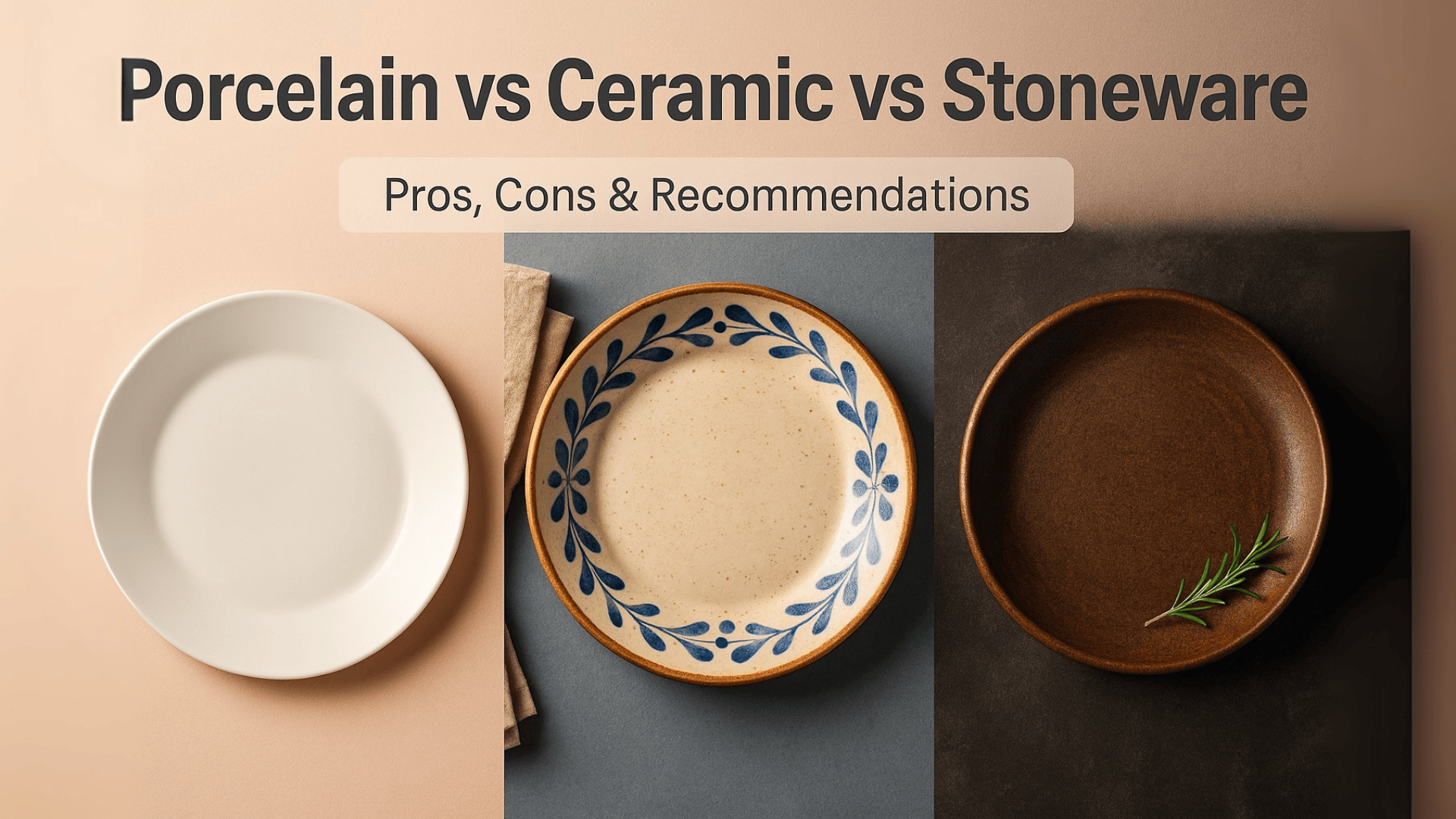
Differences In Material Composition
The difference between stoneware and ceramic lies mainly in their material makeup. This affects how they look, feel, and perform. Understanding these differences helps you choose the right option for your needs.
Clay Types Used
Stoneware uses dense, coarse clay. It contains more natural minerals and impurities. This makes stoneware strong and durable. Ceramic often uses finer clay. It has fewer impurities and is softer. This results in a lighter, more delicate product.
Firing Temperatures
Stoneware fires at higher temperatures, around 1200°C to 1300°C. High heat makes it tougher and less porous. Ceramic fires at lower temperatures, usually between 1000°C and 1150°C. This creates a more porous and fragile item.
Glaze Variations
Stoneware glazes are thick and often matte or satin. They provide a rugged, natural look. Ceramic glazes can be smooth, shiny, and colorful. They allow for more detailed and decorative finishes.
Durability And Strength
Durability and strength are key when choosing between stoneware and ceramic. Both materials offer solid options for everyday use. Knowing their differences helps you pick the best for your needs. Let’s explore how each holds up to wear and tear.
Resistance To Chipping
Stoneware is fired at higher temperatures. This makes it harder and less likely to chip. Ceramic is softer and can chip more easily. If you want tough dishes, stoneware is a safer bet.
Heat Retention
Stoneware keeps heat longer than ceramic. It stays warm on the table, which is great for serving food. Ceramic cools down faster. For meals that need to stay hot, stoneware works better.
Scratch Resistance
Stoneware resists scratches better than ceramic. Its dense surface holds up well against knives and utensils. Ceramic can show marks after repeated use. Choose stoneware for a surface that stays smooth.
Appearance And Texture
The appearance and texture of stoneware and ceramic play a big role in choosing the right pottery. These two types of clay products offer unique looks and feels. Understanding their surface finish, color options, and design styles helps pick the best fit for your space and use.
Surface Finish
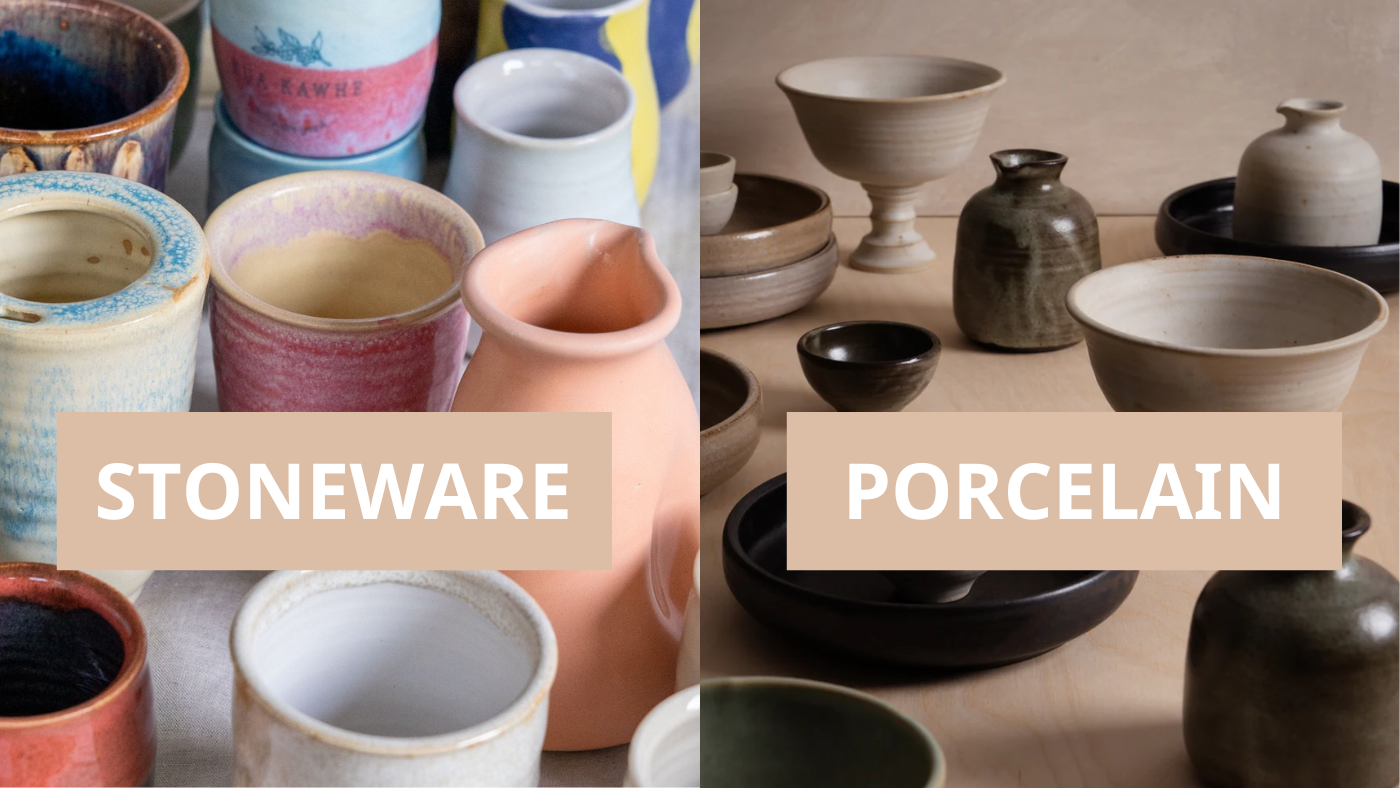
Stoneware has a thick, dense surface. It often feels rough or grainy. This texture gives it a natural, earthy look. Ceramic usually has a smooth and shiny finish. It feels slick and polished to the touch. The smoothness allows for bright, clear patterns on ceramic pieces.
Color Options
Stoneware colors tend to be muted and warm. Shades like brown, beige, and gray are common. The colors look soft and cozy. Ceramic offers a wider range of bright and bold colors. You can find ceramics in blues, reds, greens, and pastels. This makes ceramic great for adding color to any room.
Design Styles
Stoneware designs lean toward rustic and simple styles. The focus is on natural beauty and texture. Ceramic designs are often detailed and artistic. They include intricate patterns and glossy finishes. Ceramic fits well in modern or traditional decor. Stoneware fits better in casual or country-style settings.
Credit: www.kimecopak.ca
Usability In Kitchen
Choosing the right cookware affects daily kitchen tasks. Stoneware and ceramic are popular materials. Each has unique features that impact usability. Understanding these differences helps in making smart choices.
Microwave And Oven Safety
Stoneware is usually safe for microwaves and ovens. It heats evenly and can handle high temperatures. Ceramic varies more. Some ceramics resist heat well. Others may crack under sudden temperature changes. Always check the manufacturer’s instructions before use.
Dishwasher Compatibility
Stoneware handles dishwasher cleaning easily. It stays strong and does not lose color. Ceramic can be dishwasher safe but may wear faster. Repeated washing might cause fading or chipping. Hand washing ceramic often keeps it looking new longer.
Stain And Odor Resistance
Stoneware resists stains and odors well. Its dense surface does not absorb food smells. Ceramic is more porous. It can soak up stains and retain odors from strong foods. Sealed ceramic improves resistance but may still need careful cleaning.
Care And Maintenance Tips
Stoneware and ceramic need care to last long and stay beautiful. Proper care helps avoid cracks, chips, and stains. Knowing the right methods keeps your pieces safe and clean. Follow simple steps to protect your kitchenware.
Cleaning Methods
Use warm water and mild soap to clean both stoneware and ceramic. Avoid harsh chemicals or abrasive scrubbers. A soft sponge works best to prevent scratches. For tough stains, soak in warm soapy water before wiping. Never put stoneware or ceramic in the dishwasher if not labeled as dishwasher safe.
Handling Precautions
Handle with care to avoid dropping or knocking. Both materials can chip or crack on impact. Do not expose to sudden temperature changes. Let hot dishes cool before washing. Use oven mitts when moving hot stoneware or ceramic to protect your hands and the item.
Storage Recommendations
Store stoneware and ceramic pieces separately to prevent scratches. Use soft cloth or paper towels between stacked items. Keep in a dry place to avoid moisture damage. Avoid overcrowding shelves to reduce breakage risk. Store lids separately or upside down to save space and protect them.
Cost And Availability
Cost and availability matter a lot when choosing between stoneware and ceramic. Knowing the price differences helps you decide what fits your budget. Also, knowing where to find each type makes shopping easier. Some brands offer better deals or quality than others. Let’s explore these points in detail.
Price Range Comparison
Stoneware usually costs more than ceramic. It is thicker and more durable, which raises its price. Ceramic is lighter and often cheaper. Prices vary depending on design and size. Simple ceramic pieces can cost very little. Stoneware with detailed finishes often sells at higher prices.
Market Accessibility
Ceramic items are easier to find. Many stores carry a wide range of ceramic products. Stoneware is less common and may need special shops or online orders. Availability depends on your location. Urban areas often have more options for both types. Rural areas might have fewer choices, especially for stoneware.
Brand Considerations
Big brands offer both stoneware and ceramic. Some brands specialize in one type only. Brand reputation affects price and quality. Trusted brands may cost more but offer better durability. Lesser-known brands might be cheaper but less reliable. Choose brands that match your budget and quality needs.
Choosing Based On Lifestyle
Choosing between stoneware and ceramic depends a lot on your lifestyle. Both materials have unique qualities that fit different needs. Understanding how you live helps you pick the right one.
Consider how often you use your dishes and what style suits your home. Think about how much care you want to give your items. This makes choosing easier and more practical.
Everyday Use
Stoneware is strong and durable. It resists chips and cracks well. This makes it great for daily meals. Ceramic can be delicate but offers many designs. It works if you handle it with care. Choose stoneware for busy kitchens. Choose ceramic for light, careful use.
Decorative Purposes
Ceramic shines in decoration. It has many colors and patterns. Perfect for display on shelves or walls. Stoneware has a natural, earthy look. It adds warmth to rustic or simple styles. Pick ceramic for bright, artistic spaces. Pick stoneware for cozy, natural vibes.
Gift Ideas
Gifts should match the receiver’s style. Stoneware suits people who like practical gifts. It lasts long and feels sturdy. Ceramic suits those who enjoy art and color. It shows creativity and thoughtfulness. Both make nice gifts. Think about the person’s daily habits and taste.
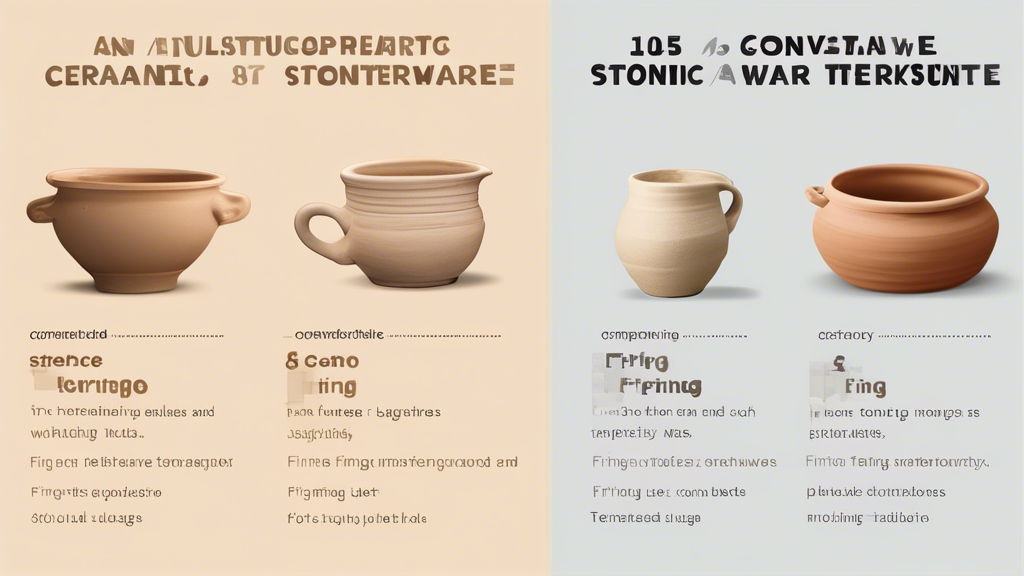
Credit: crafty-clayworks.com
Frequently Asked Questions
What Is The Main Difference Between Stoneware And Ceramic?
Stoneware is denser and fired at higher temperatures than ceramic. It is more durable, chip-resistant, and less porous than ceramic pottery.
Is Stoneware Or Ceramic Better For Everyday Use?
Stoneware is better for daily use due to its strength and durability. Ceramic is more delicate and prone to chipping.
Are Stoneware And Ceramic Safe For Microwave Use?
Both stoneware and ceramic are generally microwave safe. Always check manufacturer guidelines to avoid damage or safety risks.
How Do Stoneware And Ceramic Differ In Appearance?
Stoneware has a rustic, earthy look with a matte finish. Ceramic often features a smooth, glossy surface with bright colors.
Conclusion
Stoneware and ceramic both offer unique benefits for your kitchen. Stoneware is sturdy and heats evenly. Ceramic is lighter and often more decorative. Both materials work well for baking and serving food. Choose based on your style and cooking needs.
Either way, you get durable and attractive dishes. Simple choices can make cooking more enjoyable. Pick what feels right for your home.