Last Updated on February 13, 2026
Have you ever stopped to think about the simple tools you use every day in your kitchen? The tablespoon is one of those small but powerful helpers that can make a big difference in your cooking and measuring.
Whether you’re following a recipe or adding just the right amount of an ingredient, understanding how to use a tablespoon correctly can save you time and improve your results. Keep reading to discover tips and tricks that will change the way you see this everyday utensil—and make your cooking easier and more precise than ever before.
Types Of Tablespoons
Tablespoons come in many types, each serving a unique purpose. Choosing the right spoon makes cooking and measuring easier. Understanding these types helps in picking the best one for your kitchen needs.
Standard Vs. Measuring Spoons
Standard tablespoons are used for eating or serving food. They are larger and not always accurate for measuring. Measuring spoons show exact volume, usually marked in teaspoons or tablespoons. They ensure precise ingredient amounts in recipes.
Material Variations
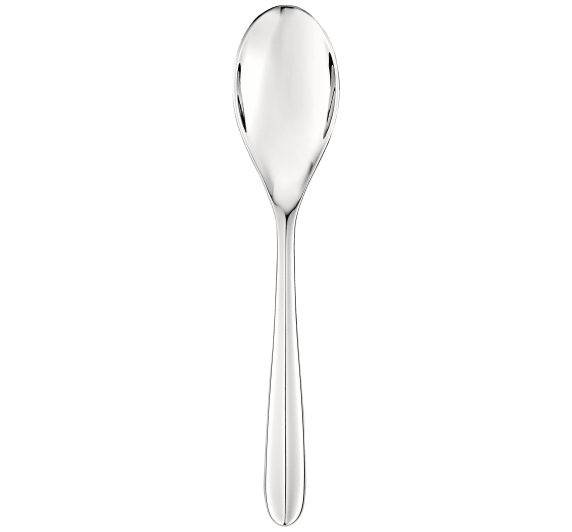
Tablespoons come in different materials like stainless steel, plastic, and wood. Stainless steel spoons last long and resist stains. Plastic spoons are lightweight and affordable but less durable. Wooden spoons add a natural look but require careful cleaning.
Designs And Styles
Tablespoons vary in handle length, shape, and bowl size. Some have flat handles for easy storage. Others feature decorative designs for style. Deep bowls hold more liquid, while shallow bowls suit solid foods. Choose design based on use and comfort.

Credit: kneenandco.com
Measuring Accuracy
Measuring accuracy matters a lot in cooking and baking. Using the right amount of ingredients helps get the best taste and texture. A tablespoon is a common tool for measuring, but its accuracy can vary. Knowing how to measure correctly ensures your recipes turn out well every time.
Volume Differences
Tablespoons do not always hold the same volume. Different countries may use slightly different sizes. A US tablespoon equals about 15 milliliters. A UK tablespoon can be 17.7 milliliters. These small differences can change your recipe results. It is important to know which size your spoon uses.
Calibrated Measuring Spoons
Calibrated spoons show precise measurements. They are made to exact standards. Using calibrated spoons helps improve cooking accuracy. These spoons reduce guesswork and errors. They are especially useful for baking and making sauces. Buying a set of calibrated spoons is a good choice for serious cooks.
Common Measurement Mistakes
Many people make errors when measuring with tablespoons. One mistake is packing ingredients too tightly. Another is using the wrong spoon size by mistake. Liquid and dry ingredients also need different measuring methods. Dry ingredients should be leveled off with a flat edge. Liquids should be measured at eye level. Avoid these mistakes for better cooking results.
Choosing The Right Tablespoon
Choosing the right tablespoon matters for your kitchen tasks. It helps with accurate measuring and comfortable cooking. Not all tablespoons are the same. Some fit better in your hand, last longer, or suit specific uses. Knowing what to consider makes your choice easier.
Purpose And Usage
Think about how you will use the tablespoon. For cooking, you need sturdy spoons for stirring and scooping. For baking, precise measurement is key. Some tablespoons are marked with measurements for accuracy. Others are better for serving food. Choose a spoon that matches your main tasks.
Durability And Maintenance
Look for tablespoons made from strong materials. Stainless steel lasts long and resists rust. Plastic spoons are light but may wear out fast. Check if the spoon is dishwasher safe. Easy cleaning saves time and keeps your spoon in good shape. Avoid spoons that bend or chip easily.
Ergonomics And Comfort
The spoon should feel good in your hand. A comfortable grip reduces hand strain. Some spoons have thick handles for better hold. Others are slim and light. Choose a spoon that fits your hand size. Comfort makes cooking more enjoyable and less tiring.
Using Tablespoons In Cooking
Tablespoons are a key tool in any kitchen. They help measure ingredients with ease. Using tablespoons correctly improves cooking results. Recipes often list tablespoons for both dry and wet ingredients. Understanding how to use tablespoons can make cooking simpler and more fun.
Measuring Dry Ingredients
Use a tablespoon to scoop dry ingredients like flour or sugar. Level off the top with a knife for accuracy. Avoid packing the ingredient unless the recipe says so. This ensures the right amount goes into your dish. Precise measuring helps maintain taste and texture.
Measuring Liquids
Pour liquids into a tablespoon slowly. Hold the spoon steady at eye level. Stop at the brim to get an exact measure. Using tablespoons for liquids works well for small amounts. It helps keep the recipe balanced and consistent.
Portion Control Tips
Tablespoons can control portion sizes in cooking and serving. Use them to measure sauces or spreads. This avoids too much or too little on your plate. Portion control supports healthy eating habits. It also reduces food waste in your kitchen.
Cleaning And Care
Keeping your tablespoon clean and well-maintained helps it last longer. Proper care keeps the spoon looking new and safe to use. Simple cleaning steps prevent damage and stains.
Different materials need different care methods. Proper storage stops scratches and rust. Follow these tips to keep your tablespoon in top shape.
Material-specific Tips
Stainless steel spoons are easy to clean with warm soapy water. Avoid harsh scrubbers to keep the surface smooth. Wooden spoons need gentle washing and quick drying to stop cracking.
Silver spoons require polishing to avoid tarnish. Use a soft cloth and special cleaner for silver. Plastic spoons should not touch hot surfaces to avoid warping.
Avoiding Damage
Do not soak spoons for too long. This can weaken glue or wood. Avoid metal scrubbers that can leave scratches. Use soft sponges or cloths instead.
Handle spoons gently to prevent bending or breaking. Avoid dishwasher use for delicate materials like wood or silver. Hand wash and dry immediately after cleaning.
Storage Solutions
Store spoons in a dry, clean drawer or container. Use dividers to keep spoons from scratching each other. Hanging spoons can save space and keep them dry.
Avoid cluttered storage to prevent damage. Keep spoons away from moisture to stop rust and mold. Proper storage keeps spoons ready for daily use.
Credit: www.christofle.com
Tablespoon Hacks And Tips
The tablespoon is a simple kitchen tool with many uses. It measures ingredients, helps with cooking, and even solves small kitchen problems. Learning tips and hacks for tablespoons saves time and effort.
These ideas help you use tablespoons in new and smart ways. They improve your cooking and make kitchen tasks easier.
Creative Uses
Use a tablespoon as a mini scoop for snacks or spices. It can also serve as a small spoon rest. Measuring sauces or dressings is easier with a tablespoon. It works well for portion control too. Try using it to press down ingredients in jars.
Troubleshooting Common Issues
Spilled ingredients? Use a tablespoon to catch drips and spills. Struggling to level off flour or sugar? A tablespoon helps smooth the top. Sticky ingredients can be tricky. Wet the tablespoon slightly to scoop easily. Bent or loose spoons? Tighten or replace to keep accuracy.
Enhancing Kitchen Efficiency
Keep tablespoons in a handy spot for quick measuring. Use different colored tablespoons for dry and wet ingredients. Stack multiple tablespoons for fast measuring. Label your tablespoons if you have several sets. Clean tablespoons right after use to save washing time later.

Credit: www.amazon.in
Frequently Asked Questions
What Is The Standard Size Of A Tablespoon?
A standard tablespoon holds approximately 15 milliliters or 0. 5 fluid ounces. It is commonly used in cooking for measuring ingredients.
How Many Teaspoons Equal One Tablespoon?
One tablespoon equals three teaspoons. This conversion is helpful for accurate cooking and baking measurements.
Can A Tablespoon Be Used For Serving?
Yes, tablespoons are often used for serving soups, cereals, and side dishes due to their moderate size.
What Materials Are Tablespoons Made From?
Tablespoons are commonly made from stainless steel, plastic, wood, or silver, each suited for different uses and aesthetics.
Conclusion
A tablespoon is a simple tool with many uses in the kitchen. It helps measure ingredients with ease and accuracy. Using the right spoon can improve your cooking results. It fits well in your hand and works for both cooking and eating.
Keep a tablespoon handy for daily meals and recipes. Small but useful. A kitchen essential you will often reach for.