Last Updated on February 13, 2026
Have you ever struggled to grab hot food without burning your fingers? Tongs are the simple tool that can make your cooking and serving experience safer and easier.
Whether you’re flipping meat on the grill or picking up salad at a party, knowing how to use tongs correctly can save you time and hassle. You’ll discover practical tips on how to use tongs like a pro, so your kitchen tasks become smoother and more enjoyable.
Keep reading to unlock the full potential of this handy tool!
Types Of Tongs
Tongs are simple tools used to grip and lift objects. They come in many types. Each type fits different needs and jobs. Understanding the main types helps choose the right tongs for your task.
Kitchen Tongs
Kitchen tongs help handle food safely. They come in many sizes and shapes. Some have silicone tips to avoid scratching pans. They make flipping, turning, and serving easy and clean.
Industrial Tongs
Industrial tongs are strong and built for tough jobs. They help move hot or heavy materials. Made from durable metals, they protect workers from heat and sharp edges. Used in factories and workshops.
Medical Tongs
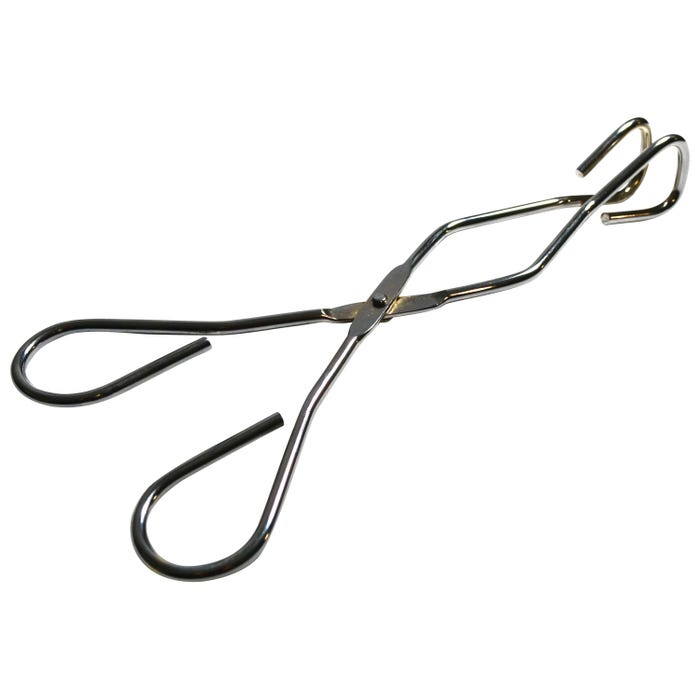
Medical tongs are precise and clean. Doctors use them to hold or move small items. They must be sterile to avoid infection. Often made of stainless steel, they are easy to clean and reuse.
Barbecue Tongs
Barbecue tongs are longer to keep hands safe from heat. They grip meat and vegetables firmly. Many have heat-resistant handles for comfort. Perfect for grilling outdoors or at a cookout.

Credit: food.ndtv.com
Choosing The Right Tongs
Choosing the right tongs is important for safe and easy cooking. The right pair helps you handle food with control and comfort. Different tongs serve different purposes, so picking the best one matters. Consider the material, size, heat resistance, and special features before buying. These factors affect how well the tongs work in your kitchen.
Material Considerations
Tongs come in various materials like stainless steel, silicone, and plastic. Stainless steel tongs last long and are easy to clean. Silicone tips prevent scratching on non-stick pans. Plastic tongs are lightweight but may melt near high heat. Choose a material that fits your cooking style and tools.
Size And Grip
Size affects how well tongs fit your hand and handle food. Short tongs give more control for small tasks. Long tongs keep hands away from heat sources. Look for a firm grip to avoid slipping. Some tongs have textured handles for better hold.
Heat Resistance
Heat resistance matters for safety and durability. Some tongs can handle high temperatures without melting. Silicone-coated tongs resist heat up to 450°F or more. Avoid tongs with low heat limits if cooking on grills or ovens. Check the heat rating before buying.
Special Features
Many tongs include features for ease and safety. Locking mechanisms keep tongs closed for storage. Some have scalloped edges to grip food better. Magnetic handles allow hanging on metal surfaces. Features like these add value to your cooking tools.
Safe Handling Practices
Using tongs safely is important to avoid accidents. Proper handling helps prevent injuries and keeps your food clean. Follow simple steps to handle tongs correctly. This protects your hands and improves control.
Proper Grip Techniques
Hold tongs near the middle for good balance. Use your thumb and fingers to control the grip. Avoid holding too close to the tips or the ends. A steady grip helps you pick up food easily.
Avoiding Pinch Injuries
Keep your fingers away from the hinge area. Open and close tongs slowly to avoid pinching. Be careful when releasing the grip. Pinching can cause painful hand injuries.
Using Tongs With Hot Surfaces
Use tongs with heat-resistant handles only. Never touch hot parts with bare hands. Keep tongs steady while moving hot food. Hot surfaces can cause burns without proper care.
Maintaining Balance And Control
Hold the tongs firmly but not too tight. Keep food centered between the tips. Avoid sudden movements to prevent dropping food. Good control makes cooking safer and easier.
Effective Use Tips
Using tongs correctly improves safety and efficiency. Proper care and handling keep them working well longer. Small habits make a big difference in tool performance. Follow these tips for the best results.
Cleaning And Maintenance
Wash tongs after each use to remove dirt and food. Use warm water and mild soap for cleaning. Dry them fully to stop rust or damage. Check for loose parts or bending often. Fix small problems before they get worse.
Storage Recommendations
Store tongs in a dry place away from moisture. Hang them or keep in a drawer with space. Avoid stacking heavy items on top to prevent bending. Proper storage stops damage and keeps tools ready.
Handling Different Materials
Use metal tongs for grilling and heavy tasks. Choose silicone or plastic tips for non-stick surfaces. Match tongs to the job to avoid scratching or breaking. Handle gently to keep the tool’s shape.
Extending Tool Lifespan
Regular cleaning prevents build-up and wear. Avoid using tongs as a hammer or pry tool. Replace worn-out parts or buy new tools if needed. Taking care of tongs saves money and effort over time.
Common Mistakes To Avoid
Tongs are simple tools, but many make mistakes that reduce their effectiveness. Avoiding common errors can improve safety and tool life. Knowing these pitfalls helps you use tongs better every time.
Overloading Tongs
Putting too much weight on tongs risks bending or breaking them. Overloading makes gripping unstable and unsafe. Always pick loads within the tong’s capacity. This keeps control steady and prevents accidents.
Ignoring Wear And Tear
Old or damaged tongs lose grip strength and safety. Rust, cracks, or loose joints weaken the tool. Check tongs regularly for signs of wear. Replace or repair them to avoid failure during use.
Using Wrong Tongs For Tasks
Different tongs suit different jobs. Using the wrong type can cause slips or damage. Match tongs to the task and material. This ensures a secure hold and protects what you handle.
Neglecting Safety Gear
Tongs protect your hands, but safety gear adds extra defense. Gloves guard against heat, sharp edges, and pinches. Always wear gloves and eye protection when needed. Safety gear lowers the risk of injury.

Credit: www.amazon.com
Credit: www.schoolspecialty.com
Frequently Asked Questions
What Are The Main Uses Of Tongs?
Tongs are versatile tools used for gripping, lifting, and turning hot or cold items safely. They are common in cooking, grilling, and serving food. Tongs help avoid direct contact with hot surfaces or food, enhancing safety and hygiene in kitchens and dining settings.
How Do Tongs Improve Kitchen Safety?
Tongs prevent burns by keeping hands away from hot surfaces and food. They provide a secure grip on slippery or hot items, reducing accidents. Using tongs minimizes direct contact with potentially contaminated food, promoting better hygiene during cooking and serving.
Which Materials Are Best For Durable Tongs?
Stainless steel is the most durable and heat-resistant material for tongs. Silicone tips prevent scratching cookware and provide a non-slip grip. Aluminum and plastic tongs are lightweight but less heat resistant and durable compared to stainless steel options.
Can Tongs Be Used For Non-cooking Purposes?
Yes, tongs are useful beyond cooking. They can handle hot coals in barbecues, pick up ice cubes, or serve salad. Tongs also assist in crafts, gardening, and medical settings where precise gripping is required without direct hand contact.
Conclusion
Tongs are simple tools that make cooking easier. They help you hold, turn, and serve food safely. Using tongs keeps your hands clean and protects you from burns. They work well for grilling, frying, and serving salads. Choose the right tongs for your kitchen tasks.
With practice, handling tongs becomes quick and natural. This small tool adds convenience to your cooking routine. Give tongs a try to see their benefits yourself. Cooking feels safer and more fun with tongs in hand.