Last Updated on February 13, 2026
Have you ever found yourself confused in the kitchen, wondering whether to use a teaspoon or a tablespoon? Mixing up Tsp and Tbsp can ruin your recipe and waste your ingredients.
You’re not alone—many people struggle with these measurements. But what if you could quickly learn the difference and never make that mistake again? You’ll discover simple tips to master Tsp vs Tbsp so your cooking turns out just right every time.
Keep reading, and you’ll gain confidence that makes measuring ingredients easy and stress-free.

Credit: mandiofthemountains.com
Measurement Basics
Understanding basic measurements is key in cooking and baking. Small differences can change a recipe’s outcome. Knowing the right amount to use helps create delicious dishes every time.
Two common measurements are tsp and tbsp. These abbreviations often confuse beginners. Learning what each means clears up that confusion.
What Is A Tsp?
Tsp stands for teaspoon. It is a small unit of volume. One teaspoon equals about 5 milliliters.
Recipes use tsp for small amounts of ingredients. Spices, baking powder, or vanilla extract often use teaspoons. Measuring spoons help get the right amount.
What Is A Tbsp?
Tbsp means tablespoon. It is larger than a teaspoon. One tablespoon equals three teaspoons or about 15 milliliters.
Tbsps measure bigger amounts of ingredients. Cooking oil, sugar, or sauces often use tablespoons. Accurate measurement ensures the recipe turns out well.
Volume Comparison
Understanding the volume difference between teaspoon (tsp) and tablespoon (tbsp) is important for cooking and baking. Each unit measures liquid or dry ingredients but they are not the same size. Knowing how they compare helps you follow recipes accurately.
Tsp Vs Tbsp Size
A teaspoon is smaller than a tablespoon. One teaspoon holds about 5 milliliters of liquid. A tablespoon is three times larger. It holds about 15 milliliters. This size difference means tablespoons measure bigger amounts than teaspoons.
How Many Tsp In A Tbsp
There are three teaspoons in one tablespoon. This means you can replace one tablespoon with three teaspoons. This simple ratio helps when you do not have a tablespoon on hand.
Common Uses In Cooking
In cooking, measuring ingredients correctly is very important. Small differences can change the taste or texture of food. Tsp and Tbsp are common units used in recipes. Knowing when to use each helps make dishes turn out just right.
When To Use Tsp
Tsp stands for teaspoon. Use tsp for small amounts of ingredients. Spices like salt, pepper, or cinnamon often use tsp. Liquid flavorings, such as vanilla extract, also use tsp. This measure is good for precise flavors. It keeps the taste balanced and not too strong.
When To Use Tbsp
Tbsp means tablespoon. Use Tbsp for larger amounts than tsp. Ingredients like oil, butter, or sauces often use Tbsp. It works well for mixing wet and dry ingredients. Tbsp adds enough flavor without overpowering the dish. It helps keep the recipe simple and clear.
Impact On Recipes
The difference between a teaspoon (tsp) and a tablespoon (tbsp) affects recipes greatly. Using the wrong measure changes the taste and texture of food. Recipes rely on exact amounts for balance. Even small errors can spoil the dish.
Knowing how these measurements impact your cooking helps avoid mistakes. It guides you in making the right changes if needed. Careful measuring keeps your meals consistent and tasty every time.
Effect Of Measurement Errors
Mixing up tsp and tbsp adds too much or too little ingredient. A tablespoon is three times larger than a teaspoon. Using a tbsp instead of a tsp triples the amount. This can make food too salty, sweet, or spicy.
Sometimes, the texture changes too. Too much flour or sugar alters the consistency. Measurement errors can ruin baking results especially. Precise amounts keep baked goods fluffy and moist.
Adjusting Quantities Correctly
Adjusting recipes needs careful math. Multiply or divide ingredients based on tsp and tbsp amounts. Use the right tools to measure accurately. This keeps flavors balanced and textures right.
For example, if a recipe calls for 1 tbsp but you only have a tsp, use three tsp instead. Always double-check your measurements. This prevents costly mistakes and wasted ingredients.
Measuring Tools
Measuring tools play a key role in cooking and baking. They help get exact amounts of ingredients. This ensures your recipes come out just right. Using the correct tool avoids mistakes in quantities. It also saves time and reduces waste.
Choosing the right measuring spoon is important. Some spoons measure small amounts, others larger. Knowing the difference between tsp and tbsp spoons helps a lot. It makes your cooking process smoother and more accurate.
Types Of Measuring Spoons
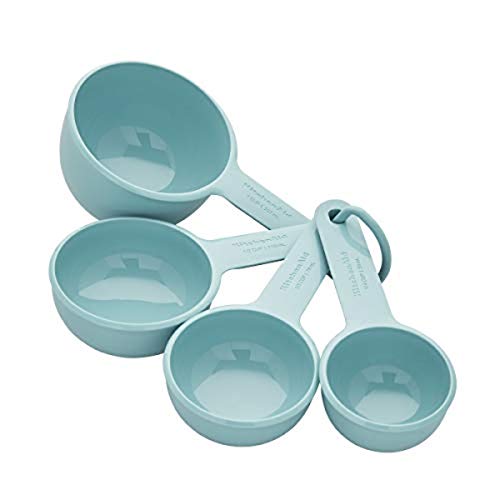
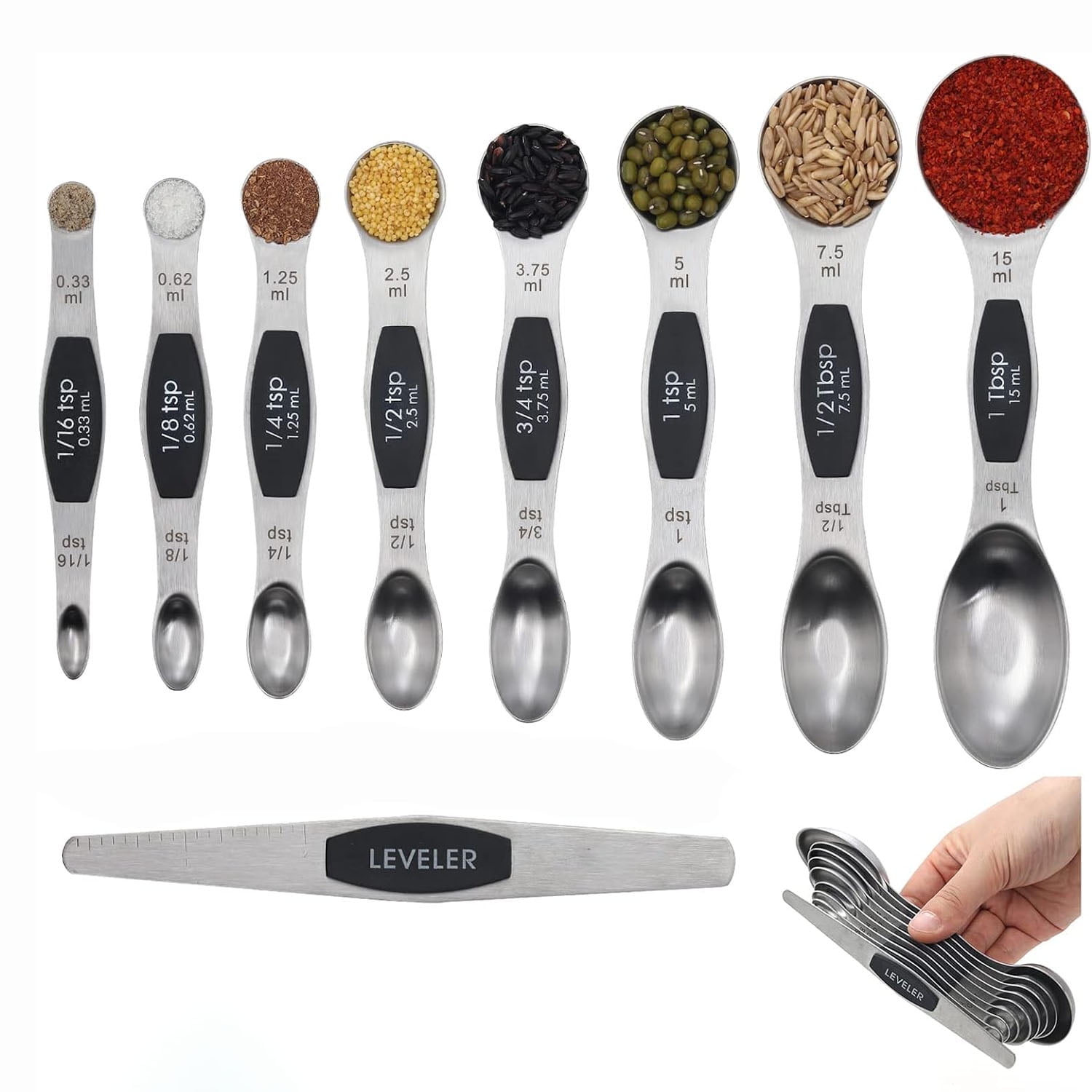
Measuring spoons come in different sizes. The most common are teaspoon (tsp) and tablespoon (tbsp). A teaspoon holds 5 milliliters. A tablespoon holds 15 milliliters. Sets often include half and quarter spoons too.
Spoons are made from metal or plastic. Metal spoons last longer and are easy to clean. Plastic ones are lightweight and often color-coded. Some spoons have long handles for deep containers. Others have flat edges for leveling ingredients.
Tips For Accurate Measurement
Use dry measuring spoons for powders and dry ingredients. Fill the spoon completely and level it with a flat edge. Avoid packing the ingredient unless the recipe says so. For liquid ingredients, use liquid measuring cups instead.
Check the spoon size before measuring. A tablespoon is three times larger than a teaspoon. Always measure on a flat surface to avoid spills. Clean spoons after each use to prevent mixing flavors.
Global Variations
Measurements like teaspoon (tsp) and tablespoon (tbsp) vary around the world. This can cause confusion in recipes and cooking. Knowing these differences helps you measure ingredients correctly. It also improves your cooking results, especially with international recipes.
Us Vs Metric Tsp And Tbsp
The US uses different sizes for teaspoons and tablespoons than metric countries. In the US, 1 teaspoon equals about 4.93 milliliters. A US tablespoon is about 14.79 milliliters. Metric teaspoons and tablespoons are simpler: 1 teaspoon is exactly 5 milliliters. 1 tablespoon is exactly 15 milliliters.
Small differences, but they add up in recipes. A US tablespoon is slightly smaller than a metric tablespoon. This difference can change the taste or texture of your dish.
How To Convert Measurements
To convert teaspoons and tablespoons between US and metric, use simple math. Multiply or divide based on milliliters. For example, to convert US teaspoons to metric, multiply by 4.93/5. For metric to US, multiply by 5/4.93.
For tablespoons, multiply US tablespoons by 14.79/15 for metric. To convert metric to US, multiply by 15/14.79. Using a digital kitchen scale can also help for precise measurement.
Common Mistakes To Avoid
Mixing up teaspoons and tablespoons is a common error in cooking and baking. This mistake can change the taste and texture of your dish. Small differences in measurement make a big impact. Being careful helps you avoid ruining recipes and wasting ingredients.
Reading labels without care also causes problems. Some packages show confusing or unclear abbreviations. Misreading these can lead to using too much or too little of an ingredient. Paying close attention to labels ensures you follow recipes correctly every time.
Mixing Up Tsp And Tbsp
Tsp means teaspoon and Tbsp means tablespoon. A tablespoon is three times bigger than a teaspoon. Using a Tbsp instead of a Tsp adds too much ingredient. This can make food too salty, sweet, or spicy.
Check your measuring spoons before use. Use the correct tool for each measurement. Double-check recipe instructions to avoid mistakes.
Reading Labels Carefully
Labels sometimes use small fonts or unclear abbreviations. This can confuse Tsp and Tbsp. Look closely at the label to spot the right unit. If unsure, verify with a quick search or ask someone.
Always measure ingredients with the right spoon. Avoid guessing or eyeballing amounts. Careful reading helps keep your cooking precise and tasty.
Credit: www.walmart.com
Credit: www.webstaurantstore.com
Frequently Asked Questions
What Is The Difference Between Tsp And Tbsp?
A tsp (teaspoon) equals 1/3 of a tbsp (tablespoon). Tsp is smaller and used for precise measurements. Tbsp is larger and common in recipes for bigger ingredient amounts.
How Many Tsp Are In One Tbsp?
There are exactly 3 teaspoons (tsp) in 1 tablespoon (tbsp). This conversion is standard in cooking and baking worldwide. Knowing this helps measure ingredients accurately.
Can I Substitute Tsp For Tbsp In Recipes?
You can, but adjust quantities carefully. Using 1 tsp instead of 1 tbsp reduces ingredient amount by two-thirds. This can alter the recipe’s taste and texture significantly.
Why Are Tsp And Tbsp Important In Cooking?
Tsp and tbsp ensure precise ingredient measurement for consistent flavor and texture. Proper use prevents recipe failures and maintains cooking balance. They are essential in both professional and home kitchens.
Conclusion
Knowing the difference between tsp and tbsp helps in cooking. A teaspoon is smaller than a tablespoon. Using the right measure keeps recipes tasty and balanced. Mistakes can change flavor or texture a lot. Always check the recipe carefully before adding ingredients.
This small tip saves time and avoids waste. Cooking becomes easier and results better with clear measures. Simple steps, big difference. Keep this guide handy in the kitchen.