Last Updated on February 19, 2026
Saucepans are essential kitchen tools for everyday cooking, used to cook liquids, sauces, and stews.
With their deep, flat-bottomed design, Saucepans excel in tasks involving liquids and gentle simmering. Their versatile nature makes them indispensable for boiling pasta, preparing soups, and crafting delicate sauces. Typically made from materials like stainless steel, aluminum, or copper, saucepans ensure even heat distribution.
The accompanying lid helps retain moisture and heat, enhancing the cooking process. Their handles are designed for easy maneuvering, which is crucial when dealing with hot content. From novice to seasoned chefs, saucepans remain a staple worldwide, simplifying various culinary tasks and delivering consistent results. Investing in a good-quality saucepan can elevate your cooking experience significantly.
Table of Contents
Introduction To Saucepans
Saucepans are essential kitchen tools. They help with various cooking tasks and come in different sizes and materials, making them versatile for many recipes.
The Role Of Saucepans In Cooking
Saucepans are used for boiling water, making soups, cooking sauces and stews, and reheating leftovers.
- Boiling Water: Perfect for pasta and eggs.
- Making Soups: Ideal for hearty and creamy soups.
- Cooking Sauces: Essential for thick and rich sauces.
- Reheating Leftovers: Handy for quick meal prep.
Varieties And Materials
Saucepans come in various materials. Each material has its own benefits. Here are common types:
| Material | Benefits |
|---|---|
| Stainless Steel | Durable and rust-resistant |
| Non-Stick | Easy to clean, prevents sticking |
| Copper | Excellent heat conduction |
| Cast Iron | Retains heat well |
Choose the right material based on your needs. Stainless steel is good for durability. Non-stick is best for easy cleaning. Copper offers great heat conduction. Cast iron retains heat for longer periods.
Boiling And Simmering
Saucepans are essential kitchen tools. They are versatile and handy for various tasks. One of the primary uses of saucepans is boiling and simmering, which are crucial for many recipes. Whether you are making a delicious soup or cooking pasta, a saucepan is your go-to utensil.
Preparing Stocks And Soups
Preparing stocks and soups involves both boiling and simmering. Start by boiling your ingredients. This helps to release flavors quickly. Then, reduce the heat to simmer. Simmering allows the flavors to blend slowly. Use a saucepan with a lid. This helps to retain moisture and heat.
Here is a simple way to make chicken stock:
- Place chicken bones in a saucepan.
- Add water, vegetables, and herbs.
- Bring to a boil.
- Reduce heat and simmer for 2 hours.
- Strain and store the stock.
Cooking Grains And Pasta
Cooking grains and pasta is another common use for saucepans. Boiling is the key step here. Use plenty of water to cook your grains or pasta. Add a pinch of salt for flavor.
Follow these steps to cook pasta:
- Fill a saucepan with water.
- Bring the water to a boil.
- Add pasta and stir occasionally.
- Cook according to the package instructions.
- Drain and serve.
For grains like rice or quinoa, the process is slightly different. These grains require a combination of boiling and simmering. Here’s a simple table to guide you:
| Grain | Water Ratio | Cooking Time |
|---|---|---|
| Rice | 2:1 | 15-20 minutes |
| Quinoa | 2:1 | 12-15 minutes |
Boil the grains first, then reduce the heat to simmer. Cover the saucepan with a lid. This ensures even cooking and absorbs all the water.
Sautéing And Frying
Saucepans are versatile kitchen tools. They are not just for boiling and simmering. They are great for sautéing and frying too. These cooking methods bring out the best flavors in food. Let’s explore how saucepans help with these techniques.
Techniques For Sautéing Vegetables
Sautéing involves cooking food quickly in a small amount of fat. The goal is to brown the food while keeping it crisp. Use a saucepan with a wide base for even cooking.
- Heat the pan on medium-high heat.
- Add a small amount of oil or butter.
- Add your vegetables in a single layer.
- Stir them frequently for even cooking.
Common vegetables to sauté include bell peppers, onions, and zucchini. The result is tasty, crisp-tender veggies.
Frying Small Batches Of Food
Frying in a saucepan is ideal for small batches. It uses less oil than a deep fryer. Use a heavy-bottomed saucepan for best results.
- Heat the oil to the correct temperature.
- Add small amounts of food at a time.
- Fry until the food is golden brown.
- Remove and drain on paper towels.
Great foods to fry in a saucepan include chicken strips, potato wedges, and fish fillets. This method ensures crispy, delicious results.
Sauce Creation
Saucepans are essential for creating delicious sauces. Understanding the basics can elevate your culinary skills. This guide will help you master the art of sauce-making.
Mastering The Art Of Sauce-making
Using a saucepan is key for many sauces. A saucepan heats evenly, making it perfect for delicate sauces. Always use a medium to low heat setting.
Start by melting butter or heating oil. Add aromatics like garlic or onions for flavor. Next, pour in your liquid base, such as broth or wine.
Stir continuously to prevent burning. Allow the sauce to simmer and thicken. Season with salt, pepper, and herbs to taste.
Thickening Agents And Techniques
Thickening a sauce is crucial. The right technique gives your sauce the perfect texture. Here are some common thickening agents:
- Flour: Mix with butter to create a roux.
- Cornstarch: Dissolve in water before adding to the sauce.
- Egg Yolks: Whisk into the sauce for a creamy texture.
- Heavy Cream: Adds richness and thickness.
Each thickening agent has its own method. For example, flour requires cooking to remove the raw taste. Cornstarch needs to be dissolved in cold water first.
Heat plays a big role in thickening. Always simmer, never boil, to avoid curdling. Use a whisk to blend ingredients smoothly.
| Thickening Agent | Preparation | Use |
|---|---|---|
| Flour | Mix with butter | Gravies, creamy sauces |
| Cornstarch | Dissolve in water | Clear sauces, soups |
| Egg Yolks | Whisk into sauce | Custards, creamy sauces |
| Heavy Cream | Add directly | Rich, thick sauces |
Steaming And Poaching
Steaming and poaching are gentle cooking methods perfect for preserving nutrients and flavors. Saucepans are versatile tools that make these cooking techniques easy and efficient.
Healthy Cooking With Steam
Steaming is a cooking method that uses hot vapor to cook food. This method keeps nutrients, flavors, and colors intact. A saucepan with a steamer insert is ideal for this.
To steam, fill the saucepan with a small amount of water. Place the steamer insert above the water level. Add your vegetables, fish, or dumplings to the steamer. Cover with a lid to trap the steam.
Here are some foods perfect for steaming:
- Vegetables
- Fish fillets
- Dumplings
- Chicken breasts
Gentle Cooking Methods For Delicate Foods
Poaching involves cooking food in a liquid at a low temperature. This method is perfect for delicate foods that may fall apart with other methods. A saucepan provides the perfect environment for poaching.
To poach, fill the saucepan with water, broth, or wine. Heat the liquid until just before it boils. Add your food gently into the liquid. Keep the temperature low to ensure the food cooks slowly and evenly.
Here is a table of foods suitable for poaching:
| Food | Poaching Liquid |
|---|---|
| Eggs | Water with vinegar |
| Fish | Broth or wine |
| Chicken | Broth |
| Fruits | Sugar syrup |
Here are the steps to poach an egg:
- Fill the saucepan with water and add a splash of vinegar.
- Heat the water until it is just simmering.
- Crack an egg into a small bowl.
- Gently slide the egg into the water.
- Cook for about 3-4 minutes.
- Remove with a slotted spoon.
Using a saucepan for steaming and poaching opens up a world of healthy and tasty cooking.
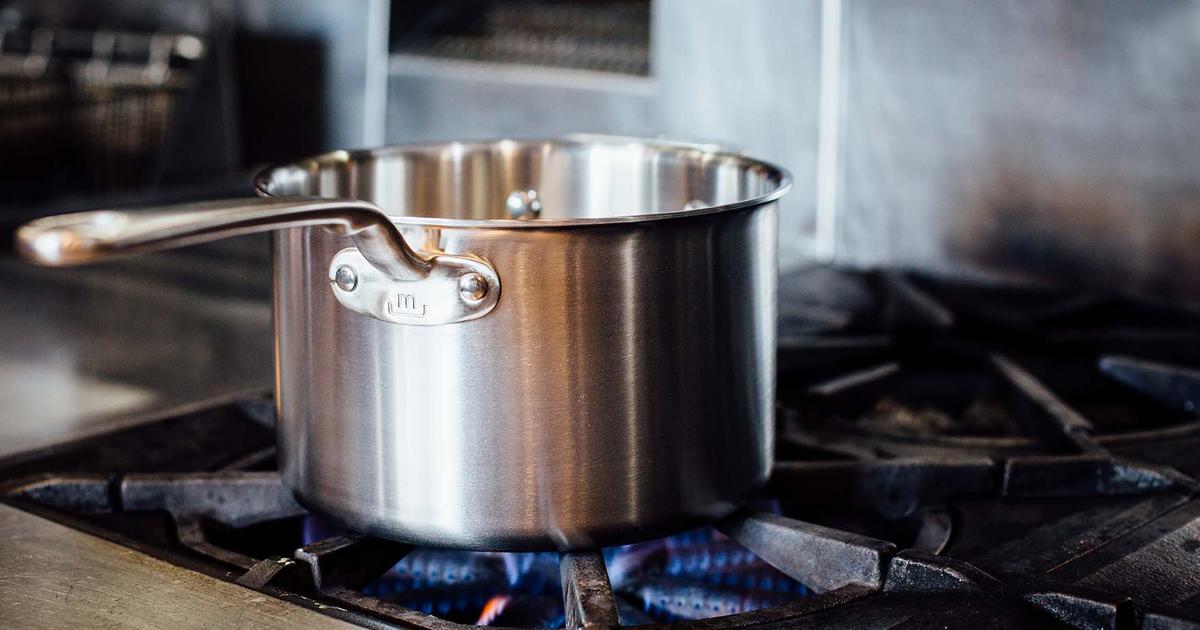
Credit: madeincookware.com
One-pan Meals
One-pan meals are a game-changer in the kitchen. They allow you to cook a complete dish using just one saucepan. This method saves time and reduces the number of dishes to wash. Let’s dive into the amazing world of one-pan meals.
Crafting Complete Dishes In One Pot
One-pan meals make cooking easy and fun. You can create a balanced dish with protein, vegetables, and grains. For example, cook chicken, rice, and broccoli together.
Follow these steps for a simple one-pan meal:
- Heat the saucepan and add a little oil.
- Cook your protein first, like chicken or tofu.
- Add vegetables and stir them around.
- Pour in some broth or water and add grains like rice or quinoa.
- Cover and let it simmer until everything is cooked.
Advantages Of Minimal Cleanup
One-pan meals mean fewer dishes to wash. You only use one saucepan, a cutting board, and a knife.
Here are some benefits of minimal cleanup:
- Save time on washing dishes.
- Less clutter in the kitchen.
- More time to relax and enjoy your meal.
Using one saucepan for cooking is simple and efficient. It helps keep your kitchen clean and organized.
Culinary Techniques
Saucepans are essential in many cooking techniques. They offer versatility in the kitchen. Knowing how to use them can enhance your cooking.
Bain-marie Method
The Bain-Marie method is a gentle cooking technique. It’s used for delicate dishes that require low, indirect heat.
- Place a saucepan with water on the stove.
- Heat until the water is simmering.
- Place a bowl with ingredients over the saucepan.
This method is perfect for melting chocolate and cooking custards. It prevents ingredients from burning.
Reduction Cooking
Reduction cooking involves simmering liquids until they thicken. This technique is crucial for making sauces and soups.
- Pour your liquid into the saucepan.
- Heat until it starts to simmer.
- Let it cook until the volume decreases.
The liquid becomes more concentrated and flavorful. This enhances the overall taste of your dish.
Care And Maintenance
Proper care and maintenance of your saucepans can extend their life. By following some simple steps, you can keep your saucepans in excellent condition for many years.
Cleaning And Storage Tips
Cleaning your saucepans properly is essential. Here are some tips:
- Always let the pan cool before washing.
- Use warm, soapy water and a soft sponge.
- Avoid abrasive cleaners that can scratch the surface.
For stubborn stains, soak the pan in warm water. You can also use a mixture of baking soda and water.
When storing, make sure your saucepans are completely dry. Stack them carefully to avoid scratches. Using pan protectors can help reduce wear and tear.
Longevity Of Saucepans
The longevity of your saucepans depends on their material and use. Here are some tips to make them last longer:
- Avoid high heat settings which can damage the pan.
- Use wooden or silicone utensils to prevent scratches.
- Regularly check for any signs of wear or damage.
By following these simple care tips, your saucepans can serve you well for many years.
| Material | Care Tips |
|---|---|
| Stainless Steel | Avoid harsh chemicals; use gentle scrubbers. |
| Non-stick | Use low heat; avoid metal utensils. |
| Copper | Polish regularly; avoid acidic foods. |
Choosing The Right Saucepan
Selecting the perfect saucepan can elevate your cooking experience. It is crucial to understand various factors that influence your choice. This ensures you get the best results and value for your money.
Size And Capacity Considerations
The size and capacity of a saucepan are vital. They determine the quantity of food you can cook. Smaller saucepans, around 1-2 quarts, are ideal for sauces and reheating.
Medium-sized saucepans, between 2-3 quarts, are versatile. They are perfect for soups, stews, and boiling vegetables. Large saucepans, 4 quarts or more, can handle bigger meals.
Here is a table to help you choose:
| Size (Quarts) | Ideal Use |
|---|---|
| 1-2 | Sauces, reheating, small portions |
| 2-3 | Soups, stews, boiling vegetables |
| 4+ | Large meals, batch cooking |
Compatibility With Heat Sources
Another key factor is compatibility with heat sources. Not all saucepans work on every type of stove.
Here are some common heat sources and suitable saucepan materials:
- Gas Stoves: Stainless steel, copper, and aluminum are great choices.
- Electric Stoves: Flat-bottomed saucepans work best.
- Induction Stoves: Ensure the saucepan is magnetic. Cast iron and some stainless steel types are suitable.
Checking the manufacturer’s guidelines can also be helpful. Always ensure your saucepan matches your stove type.
Credit: rustans.com
FAQ on What Are Saucepans Used for
What Do You Cook With A Saucepan?
A saucepan is great for simmering and boiling sauces, soups, pasta, rice, and vegetables.
What Are The Uses Of A Saucepan?
A saucepan is used for boiling, simmering, and making sauces. It can also reheat leftovers and cook grains.
What Is The Difference Between A Saucepan And A Regular Pan?
A saucepan has tall, straight sides, and a lid is ideal for simmering. A regular pan has shorter, sloped sides, which are great for frying.
Can Saucepans Be Used For Frying?
Yes, saucepans can be used for frying. Due to their depth, they work well for shallow frying. However, they may not heat as evenly as frying pans. Use medium heat for best results.
Conclusion
Saucepans are essential kitchen tools with various uses. From boiling pasta to simmering sauces, they offer versatility. Their different sizes and materials cater to diverse cooking needs. Investing in a good saucepan enhances your cooking experience. Choose wisely, and your culinary creations will benefit immensely.
Happy cooking with your new favorite kitchen companion!