Last Updated on February 15, 2026
If you’ve ever asked yourself, “What are stock pots used for?”—you’re in the right place. Stock pots are essential cookware for every kitchen, perfect for simmering rich broths, boiling pasta, making hearty stews, and even steaming seafood or prepping for canning.
With their large capacity and versatile design, stock pots make meal prep for families, gatherings, or weekly planning effortless.
In this guide, we’ll explore the many uses of stock pots, the benefits of choosing the right one, and why this kitchen workhorse is a must-have for anyone serious about home cooking.
Table of Contents

What Is a Stock Pot?
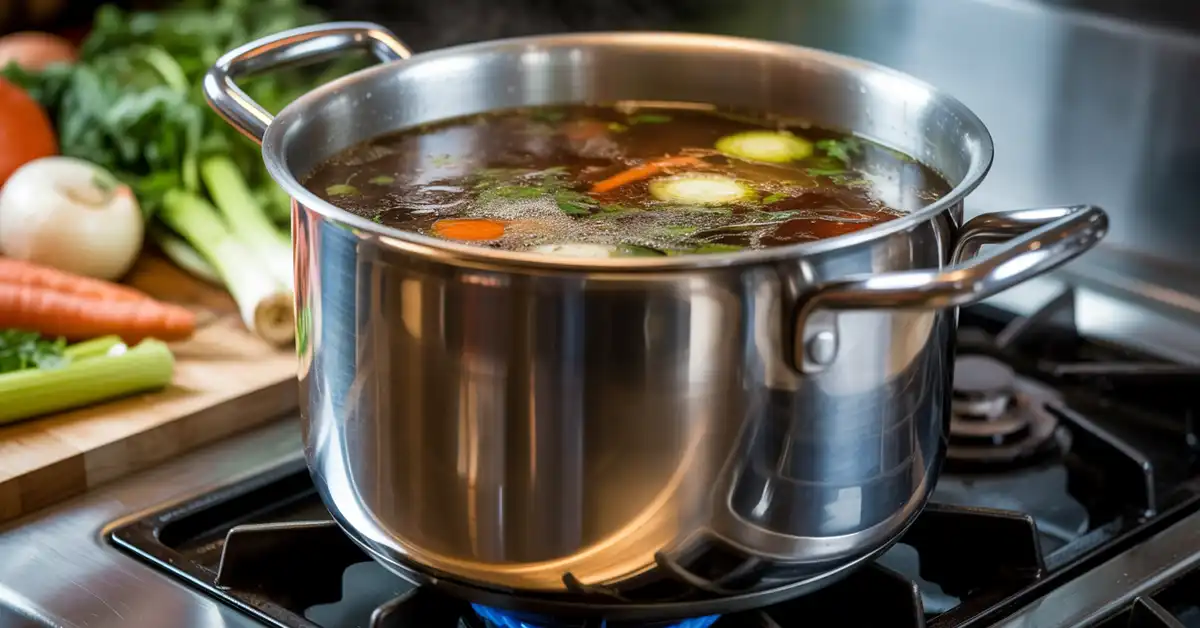
A stock pot is a large, deep cooking pot designed for preparing stocks, broths, soups, and stews. Typically, it features tall sides, a broad base, and two handles for easy lifting and handling. The tall sides help keep liquids from evaporating too fast. This makes them perfect for simmering, boiling, and slow-cooking.
The size of a stockpot can vary, but it generally holds between 4 and 20 quarts of liquid. Some even go up to 32 quarts for big batch cooking. They are ideal for cooking in large batches, which makes them perfect for feeding families or hosting dinner parties.
Stock pots are made from different materials, including stainless steel, aluminum, and enameled cast iron. The material you choose depends on your cooking preferences and needs.
What Are Stock Pots Used For?
Stock pots are incredibly versatile. Below are the primary uses of stock pots in the kitchen.
Making Soup and Stews
Stock pots are most commonly used to make soups and stews. The tall sides allow for the ingredients to simmer, extracting rich flavors. Whether you’re making chicken soup, vegetable stew, or beef chili, a stock pot gives you enough space to prepare generous portions.
Preparing Broths and Stocks
Stock pots are perfect for making homemade broths and stocks. The large size lets you fit plenty of bones, vegetables, and herbs needed to create a rich base for other dishes. A stock pot’s tall, narrow shape ensures that the liquid reduces slowly, bringing out deeper flavors.
For example, when making chicken stock, you can fit a whole chicken or large chicken parts in the pot. As it simmers, the flavors of the meat, bones, and vegetables blend, resulting in a flavorful broth.
Boiling Pasta and Noodles
Stock pots can also be used to boil pasta, noodles, and other grains, such as rice or quinoa. Their large size provides ample space for the pasta to cook evenly. When you’re boiling pasta for a crowd, a stock pot is a great choice.
Cooking Large Batches of Food
A stock pot is ideal for cooking large quantities of food. Whether you’re preparing a big batch of gumbo, pasta, or beans, a stock pot offers the necessary volume. It’s a must-have for prominent families, meal prepping, or hosting large gatherings.
Frying Foods
Some stock pots are deep enough to handle frying tasks. For instance, you can use a stock pot to fry chicken or even make your batch of French fries. The pot’s tall sides help minimize splattering while frying, making it a safer option than a shallow frying pan.
Boiling Seafood or Corn on the Cob
A stock pot is also perfect for boiling seafood, such as crab, shrimp, or lobster. The large capacity allows you to fit multiple lobsters or crabs at once, reducing the need to cook in batches. Similarly, you can use it to boil corn on the cob for large gatherings.
Canning and Preserving Foods
Stock pots with a deep base are often used for canning. The heat capacity of the pot helps maintain the ideal temperature for processing jars of fruit, vegetables, or jams. This is especially useful if you grow your produce and want to preserve it for later use.
What Makes Stock Pots Different from Other Pots?
At first glance, stock pots may seem similar to other large pots, like Dutch ovens or pasta pots. However, there are distinct differences between these types of cookware.
Stock Pot vs. Dutch Oven
While both a stock pot and a Dutch oven can be used to make soups, stews, and braises, the key difference lies in their shape and material. Stock pots are taller with narrower sides, while Dutch ovens are shorter and broader. Dutch ovens are typically made of cast iron and are great for slow, even cooking. Stockpots, on the other hand, are better suited for tasks that require large quantities of liquid or ingredients.
Stock Pot vs. Pasta Pot
A pasta pot is explicitly designed for boiling pasta. It often includes a built-in strainer, which makes it easier to drain the pasta once it’s cooked. Stock pots do not typically come with this feature, but they are more versatile and can be used for many other purposes, such as making stocks or boiling large amounts of vegetables.
Stock Pot vs. Saucepan
Saucepans are smaller than stockpots and are typically used for cooking sauces, boiling eggs, or reheating leftovers. They have a single long handle, unlike the two handles of a stock pot. Stock pots are larger and designed for cooking large batches of food.
Benefits of Using a Stock Pot
Using a stock pot in your kitchen offers several advantages. Here are some reasons why this versatile pot is a kitchen essential.
Capacity for Large Batches
One of the most significant advantages of a stock pot is its capacity. It can hold large quantities of food, making it perfect for meal prepping, family dinners, or hosting guests. When cooking for a crowd, you won’t have to worry about running out of space or making multiple pots of food.
Even Cooking
Stock pots are designed to distribute heat evenly, which helps to prevent burning and ensures consistent cooking. This feature is essential when making broths, stocks, or stews that require long simmering times.
Durability
Stock pots, especially those made from stainless steel or enameled cast iron, are durable and long-lasting. With proper care, they can last for many years. They are also resistant to corrosion, making them ideal for frequent use in the kitchen.
Versatility
As mentioned earlier, stock pots can be used for a variety of cooking tasks. From making soups and stocks to frying foods or boiling pasta, stock pots offer incredible versatility. This makes them an essential tool for both beginners and experienced home cooks.
Cost-Effective
Although stock pots may seem like a significant investment, they are often more affordable than buying multiple pots for different tasks. With a stock pot, you can do the work of several other pots, saving money and space in your kitchen.
Choosing the Right Stock Pot
Selecting the best stock pot depends on several factors, including your cooking needs, kitchen space, and budget. Here are some key points to consider when buying a stock pot.
Size
Stock pots come in a range of sizes, from small 4-quart pots to large 20-quart pots. Consider your typical cooking needs before choosing a size. If you often cook for a crowd, a larger pot is a good investment. For smaller families or individuals, a 6-quart or 8-quart stock pot is sufficient.
Material
The material of the stock pot affects its heat distribution, durability, and ease of cleaning. Stainless steel stock pots are popular because they are durable and resistant to rust. Enameled cast iron pots retain heat well, but they are heavier. Aluminum pots are lightweight but may not be as long-lasting in the long run.
Lid and Handles
Ensure the stockpot has sturdy handles that provide a secure grip. Pots with heavy lids are ideal for trapping heat and ensuring even cooking. Some stock pots come with vented lids, which can help release excess steam during cooking.
Price
Stock pots are available at various price points. While higher-end pots can be expensive, there are affordable options that offer excellent performance. Set a budget based on your needs, and choose a pot that provides the best value.
Tips for Using Stock Pots
Don’t fill the pot to the brim. Leave room for boiling and stirring
Leave space for ingredients to move. This helps with even cooking.
Start with high heat, then reduce to a simmer for optimal flavor.
Skim foam and impurities when making stock for a clear broth.
Use the lid to trap steam and accelerate the cooking process.
FAQ On What Are Stock Pots Used For
What Are Stock Pots Good For?
Stockpots are ideal for cooking large quantities of liquid-based dishes, such as soups, stews, and broths. With their high capacity and deep design, stock pots can accommodate large amounts of ingredients and evenly distribute heat for efficient cooking. They are essential for professional chefs and home cooks who enjoy making flavorful and nourishing recipes.
What Are The Disadvantages Of Stock Pots?
The disadvantages of stock pots include their large size, which can be difficult to store and handle. They also take longer to heat up and cool down compared to smaller pots. Additionally, they require more storage space.
What Is The Purpose Of A stockpot?
A stock pot is used to make large quantities of stock, soups, stews, and broth. Its tall walls and wide base allow for slow, even cooking, extracting maximum flavor from the ingredients. It is also great for boiling pasta and steaming seafood.
How Big Should A Stock Pot Be?
The size of the stock pot depends on the quantity of food you plan to cook. For home cooking, a 6-to 8-quart stockpot is generally sufficient to cook meals for a family. For larger gatherings or commercial use, a 12-to 16-quart stockpot may be required.
Conclusion
Stock pots are versatile kitchen tools essential for preparing large quantities of soups, stocks, stews, and other liquid-based dishes. Their generous size and sturdy construction make them ideal for simmering ingredients for extended periods, allowing flavors to meld together perfectly.
With the right stock pot, you can effortlessly enhance the taste and quality of your culinary creations. So why wait? Invest in a high-quality stockpot today and elevate your cooking game to new heights.