Last Updated on April 1, 2026
Have you ever wondered what a food processor can really do for you in the kitchen? If you’re looking to save time, cut down on effort, and make meal prep a breeze, understanding this powerful tool is key.
Whether you want to chop, slice, shred, or blend, a food processor can transform your cooking routine in surprising ways. Keep reading, and you’ll discover exactly how this gadget can make your life easier—and your meals tastier.
Credit: jenniferskitchen.com
Food Processor Functions
A food processor is a versatile kitchen tool. It helps with many cooking tasks. Knowing its functions makes cooking easier and faster.
This machine can handle a variety of jobs. It saves time and effort. It works better than doing tasks by hand.
Chopping And Slicing
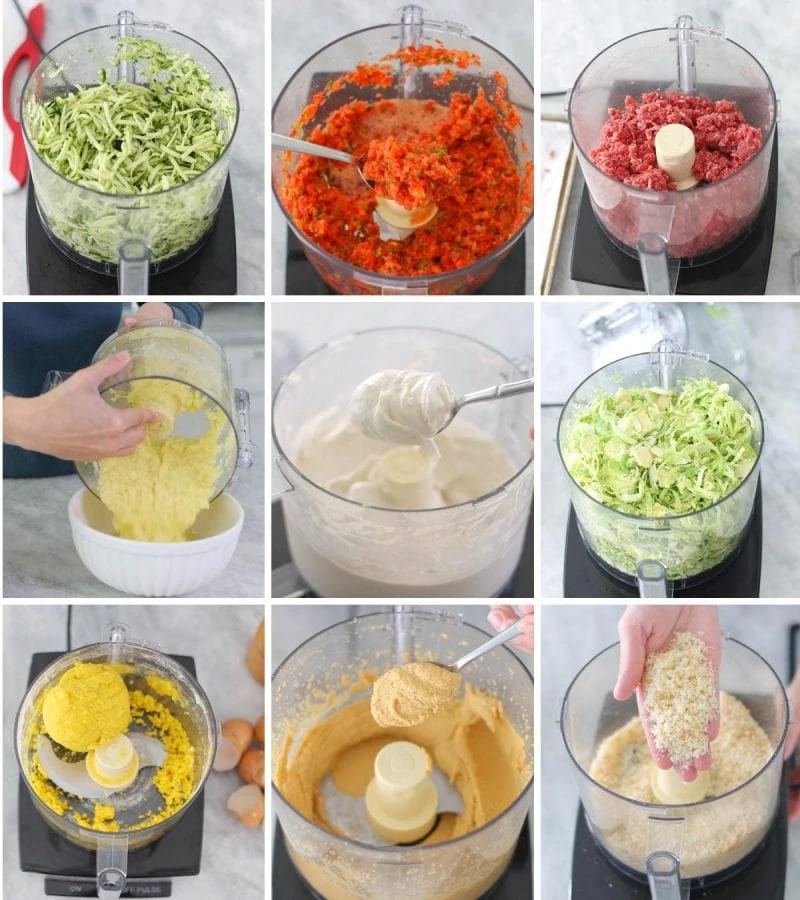
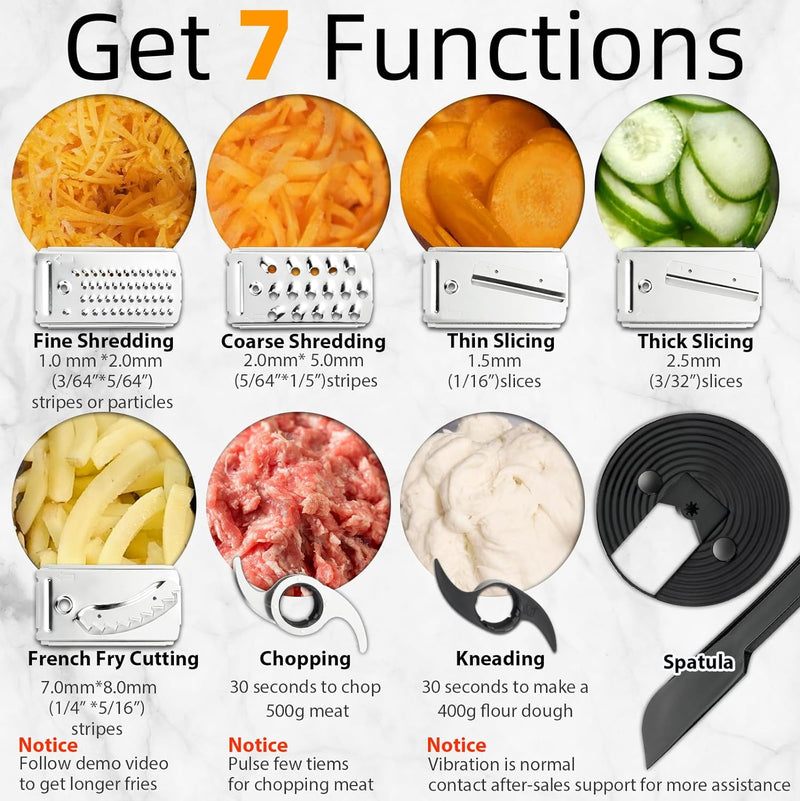
A food processor chops vegetables, fruits, and nuts quickly. It creates even slices for salads and dishes. This function saves a lot of time. It makes food look neat and uniform.
Mixing And Blending
Mixing ingredients is simple with a food processor. It blends sauces, dips, and batters smoothly. It can combine wet and dry ingredients well. This helps achieve the perfect texture every time.
Shredding And Grating
Use a food processor to shred cheese and vegetables fast. It grates ingredients uniformly for cooking or garnishing. This function cuts down preparation time. It also reduces the mess in the kitchen.
Kneading Dough
A food processor can knead dough for bread and pastries. It mixes ingredients and forms dough without tiring your hands. This tool speeds up the baking process. It ensures the dough is smooth and elastic.
Credit: www.olgasflavorfactory.com
Time-saving Benefits
Food processors save a lot of time in the kitchen. They speed up many tasks that usually take a long time. This tool helps cooks prepare meals faster and with less effort. The time saved can be used for other activities or just to relax.
Quick Meal Prep
Food processors chop, slice, and dice ingredients in seconds. This quick action reduces the time spent on cutting by hand. Preparing vegetables or nuts becomes fast and easy. Meals that once took hours can now be ready in minutes.
Reducing Manual Effort
Using a food processor lowers the need for hard work. It handles tough jobs like kneading dough or shredding cheese. This means less strain on your hands and arms. Cooking becomes less tiring and more enjoyable.
Handling Large Quantities
Food processors work well with big amounts of food. They can chop or mix large batches without stopping. This is perfect for families or parties. Preparing food for many people takes much less time.
Versatile Kitchen Uses
A food processor is a helpful tool in the kitchen. It can do many different tasks. This makes cooking faster and easier. Its versatility saves time and effort for many recipes. Let’s explore some key uses that show why it is so valuable.
Making Sauces And Dips
Food processors chop and blend ingredients quickly. This makes smooth sauces and creamy dips. You can prepare salsa, pesto, or hummus in minutes. The machine mixes flavors evenly for a perfect taste. It also helps control the texture you want.
Preparing Nut Butters
Nut butters like peanut or almond butter are easy to make. The food processor grinds nuts into a creamy spread. It takes only a few minutes to get the right consistency. You can add salt or honey for extra flavor. Homemade nut butter is fresh and free of additives.
Creating Smooth Purees
Purees for soups, baby food, or desserts become silky smooth. The food processor breaks down cooked vegetables or fruits well. It removes lumps and creates a fine texture. This helps improve the taste and appearance of many dishes. Smooth purees are healthy and easy to digest.
Choosing The Right Food Processor
Choosing the right food processor can make cooking easier and faster. It saves time on chopping, slicing, and mixing. Picking a model that fits your needs helps you get the best results every time. Consider these key features before buying.
Size And Capacity
Food processors come in various sizes. Small models hold about 3 cups, perfect for small meals. Larger ones hold up to 12 cups, good for big families or batch cooking. Choose a size that matches your kitchen space and how much food you prepare.
Power And Speed Settings
Power affects how well the processor handles tough ingredients. Models range from 400 to 1200 watts. Higher power means better chopping and blending. Speed settings let you control the texture. Multiple speeds offer more flexibility for different recipes.
Attachments And Accessories
Attachments add more uses to your food processor. Common ones include slicing discs, shredding blades, and dough hooks. Some models come with extra bowls or lids. Think about what tasks you want to do before choosing attachments.
Maintenance And Safety Tips
Maintaining a food processor keeps it working well and safe. Regular care helps avoid damage and extends its life. Safety tips protect you from accidents while using the machine.
Cleaning Techniques
Unplug the food processor before cleaning every time. Remove all detachable parts like blades and bowls. Wash these parts with warm, soapy water gently. Use a soft cloth or sponge to avoid scratches. Dry all parts completely before reassembling. Never put the motor base in water. Wipe the base with a damp cloth only.
Safe Handling Practices
Always handle the blades with care—they are very sharp. Keep fingers away from the blade area during use and cleaning. Secure the lid properly before turning the processor on. Use the food pusher to feed ingredients, not your hands. Place the processor on a stable, flat surface to avoid slips. Unplug the machine when not in use or before cleaning.
Troubleshooting Common Issues
If the food processor does not start, check if it is plugged in. Ensure the lid and bowl are locked correctly; safety locks must engage. Overheating may cause the motor to stop; let it cool down. If the blades do not spin, check for food stuck inside. Clean the parts and try again. For strange noises, inspect the blade and motor for damage.
Credit: www.buchymix.com
Frequently Asked Questions
What Tasks Can A Food Processor Perform?
A food processor can chop, slice, shred, blend, and knead dough. It simplifies food preparation by handling multiple kitchen tasks quickly and efficiently.
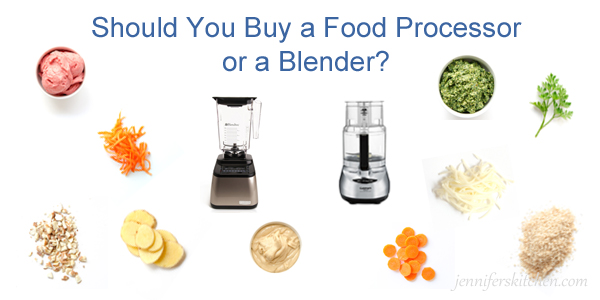
How Does A Food Processor Differ From A Blender?
A food processor is designed for chopping and slicing solid foods. A blender is best for liquids and making smoothies. Each tool serves distinct kitchen needs.
Can A Food Processor Replace Manual Chopping?
Yes, a food processor saves time by chopping vegetables and nuts evenly. It reduces effort and ensures consistent food texture for cooking.
Is A Food Processor Suitable For Dough Making?
Absolutely, many food processors come with dough blades. They mix and knead dough faster than hand kneading, making baking easier.
Conclusion
A food processor helps you prepare meals faster and easier. It chops, slices, grates, and mixes many ingredients. This tool saves time and effort in the kitchen. You can make sauces, dough, and salads with it. It suits both beginners and experienced cooks.
Choosing the right food processor depends on your needs. Using one can make cooking more enjoyable and less stressful. Try it to see how it fits your cooking style. Simple, quick, and useful — that’s what a food processor offers.