Last Updated on August 12, 2026
Have you ever wondered what makes Pyrex so special in your kitchen? Whether you’re baking, storing leftovers, or serving meals, Pyrex has become a trusted name for many.
But what exactly is Pyrex, and why should you consider using it? You’ll discover the secrets behind Pyrex’s durability, safety, and versatility. By the end, you’ll know why Pyrex might just be the perfect addition to your cookware collection—and how it can make your cooking experience easier and safer.
Keep reading to unlock the full story behind Pyrex!
Pyrex Materials
Pyrex is a popular brand known for its strong and heat-safe kitchenware. The materials used in Pyrex make it special. These materials help Pyrex products handle heat well and last a long time. Understanding the materials will help you see why Pyrex is trusted in many kitchens.
Types Of Glass Used
Pyrex originally used borosilicate glass. This glass type resists heat and thermal shock. In recent years, some Pyrex items use tempered soda-lime glass. Both types offer good clarity and strength. Borosilicate glass is better at handling quick temperature changes.
Heat Resistance Features
Pyrex glass can endure high temperatures without breaking. Borosilicate glass handles up to about 450°C (850°F). Soda-lime glass handles lower heat but still works well for most cooking needs. These heat resistance features make Pyrex safe for ovens and microwaves.
Durability Factors
Pyrex glass resists scratches and chips better than regular glass. Tempered soda-lime glass is tough and less likely to shatter on impact. Borosilicate glass is more resistant to thermal stress but can be more fragile to drops. Overall, Pyrex combines durability with safety for daily use.
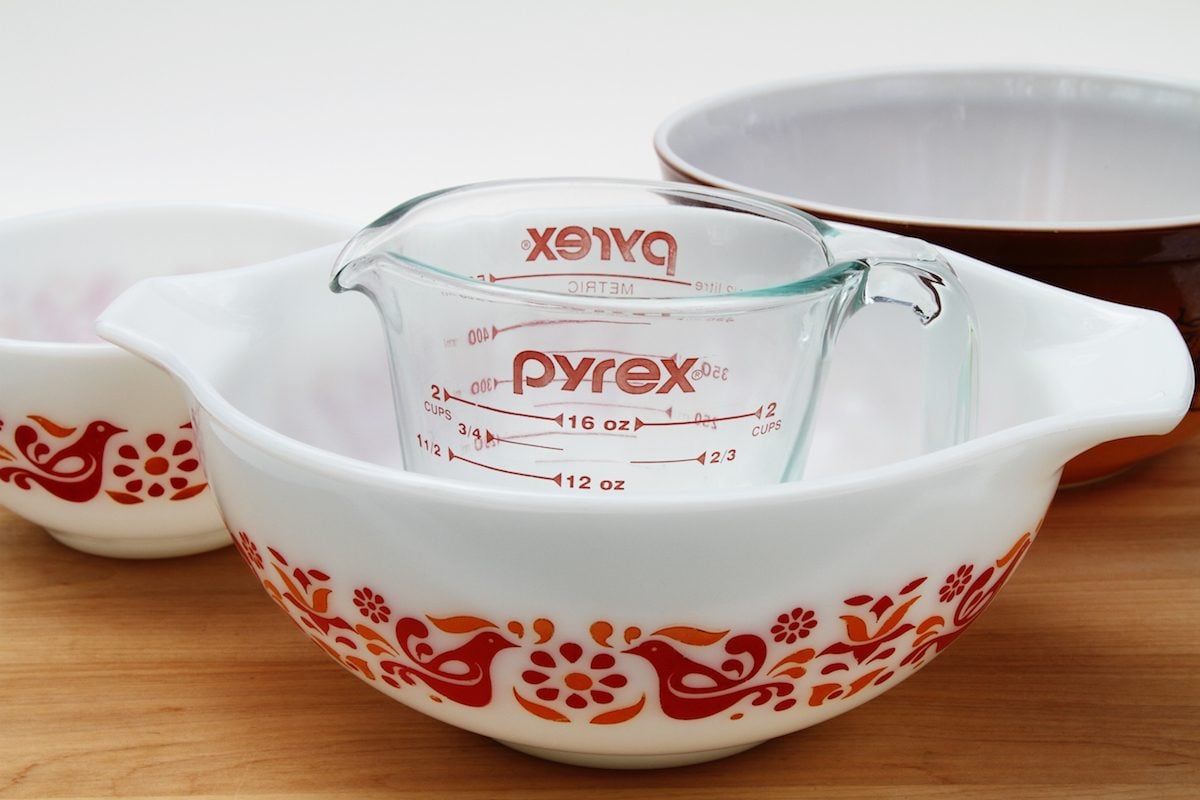
Credit: www.tasteofhome.com
Common Pyrex Products
Pyrex is a popular brand known for its durable glass kitchenware. Many homes use Pyrex for cooking, storing, and measuring food. Its clear glass makes it easy to see contents. Pyrex products are strong and can handle heat changes well. Here are some common Pyrex items you may find in your kitchen.
Bakeware Essentials
Pyrex bakeware includes dishes like casseroles, pie plates, and loaf pans. These items go from oven to table safely. The glass heats evenly to cook food well. After baking, Pyrex dishes cool down without cracking. They are easy to clean and last for years.
Storage Solutions
Pyrex storage containers come in many sizes and shapes. They keep leftovers fresh and safe. The lids seal tightly to prevent spills. These containers go in the fridge, freezer, or microwave. Their glass design does not absorb stains or smells.
Measuring Tools
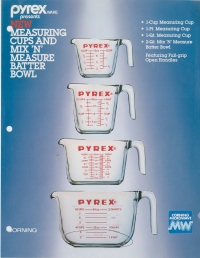
Pyrex measuring cups are clear and have easy-to-read markings. They measure liquids and dry ingredients accurately. The sturdy handle and spout make pouring simple. These cups resist heat and do not break easily. Many cooks trust Pyrex for precise cooking measurements.
Everyday Uses
Pyrex is a popular kitchen tool used in many homes. It is known for its strength and heat resistance. People use Pyrex for different tasks every day. Its design helps in cooking, storing food, and heating meals safely. Understanding these uses helps you get more from your Pyrex dishes.
Cooking And Baking
Pyrex dishes are perfect for cooking and baking. They can go from fridge to oven without breaking. Many recipes call for Pyrex because it heats food evenly. You can bake cakes, roast vegetables, or cook casseroles in Pyrex. Its clear glass lets you watch your food while it cooks.
Food Storage
Pyrex is great for storing leftovers. The glass keeps food fresh longer than plastic. It does not absorb smells or stains. Pyrex containers come with tight lids to prevent spills. You can store soup, salad, or cut fruit safely in Pyrex.
Microwave And Oven Safety
Pyrex is safe to use in microwaves and ovens. It does not release harmful chemicals when heated. This makes it a healthier choice than some plastics. Always check for cracks before heating. Avoid sudden temperature changes to prevent breaking.
Health And Safety Benefits
Pyrex offers many health and safety benefits that make it a popular choice for kitchens. It is designed to keep food safe and protect users from harmful substances. Understanding these benefits helps in choosing the right cookware.
Its materials and design focus on safe food handling and reducing health risks.
Non-toxic Properties
Pyrex is made from borosilicate glass or tempered soda-lime glass. Both types do not contain harmful chemicals like BPA or lead. These materials are safe and do not release toxins into food. Using Pyrex means you avoid exposure to dangerous substances. This makes it a healthy choice for cooking and storage.
Avoiding Chemical Leaching
Pyrex does not leach chemicals into food during heating or cooling. Many plastics release toxins when heated, but Pyrex remains stable. Its glass surface does not react with food or liquids. This prevents contamination and keeps meals safe. Choosing Pyrex reduces risks from chemical exposure.
Safe For Food Contact
Pyrex is designed specifically for food use. It meets strict safety standards for contact with food. Its smooth surface is easy to clean and does not trap bacteria. Pyrex can be used in ovens, microwaves, and refrigerators without risk. This versatility adds to its safety and convenience.
Cleaning And Maintenance
Keeping Pyrex clean and well-maintained helps it last longer. Proper care also keeps your dishes safe and looking great. Follow easy steps for washing and handling to protect your Pyrex items.
Dishwasher Compatibility
Most Pyrex products are safe in the dishwasher. Place them on the top rack to avoid high heat. Avoid harsh detergents that may dull the glass. Check the manufacturer’s guide for specific items.
Removing Stains And Residue
Stains can build up from food or minerals. Use a paste of baking soda and water for gentle scrubbing. Soak Pyrex in warm, soapy water for tough stains. Avoid abrasive cleaners that can scratch the surface.
Handling Tips To Prevent Breakage
Handle Pyrex with care to avoid chips or cracks. Do not expose it to sudden temperature changes. Avoid placing hot Pyrex on cold surfaces or vice versa. Use oven mitts to protect your hands and the glass.
Credit: pyrex.cmog.org
Comparing Pyrex To Other Materials
Pyrex is a popular choice for kitchenware. It stands out by offering unique benefits. Comparing Pyrex to other materials helps understand its value better.
This section compares Pyrex with glass, plastic, ceramic, and metal cookware. Each material has its strengths and weaknesses. Knowing these can guide better kitchen choices.
Glass Vs. Plastic
Pyrex is made of glass, not plastic. Glass is heat resistant and does not melt. Plastic can warp or release chemicals when heated. Pyrex is safer for ovens and microwaves. Glass also does not absorb food smells or stains. Plastic is lighter but less durable for high heat.
Pyrex Vs. Ceramic
Ceramic cookware is good for slow cooking. Pyrex handles sudden temperature changes better. Ceramic can crack if heated too fast. Pyrex is easier to clean and more transparent. Seeing the food while cooking helps avoid burning. Ceramic may have decorative designs, but Pyrex is more practical.
Advantages Over Metal Cookware
Metal heats quickly but can cause uneven cooking. Pyrex heats evenly, preventing hot spots. Metal may react with acidic foods, changing taste. Pyrex is non-reactive and safe for all recipes. It also does not scratch easily. Metal can be heavy, while Pyrex is lighter and easier to handle.
Tips For Choosing Pyrex Products
Choosing the right Pyrex products can make cooking and baking easier and more enjoyable. Knowing what to look for helps you pick items that fit your needs. Pay attention to size, shape, authenticity, and cost. These tips guide you to smart choices.
Size And Shape Considerations
Think about the meals you cook often. Small dishes work well for snacks or side dishes. Large sizes are great for casseroles and family meals. Round shapes suit pies and cakes. Rectangular ones fit lasagna and baked pasta. Choose sizes that match your oven and storage space.
Identifying Genuine Pyrex
Look for the Pyrex logo on the bottom or side. Genuine Pyrex is made of tough, heat-resistant glass. It feels sturdy and smooth. Avoid products with uneven edges or unclear printing. Check for any cracks or chips before buying. Real Pyrex lasts long and handles heat well.
Budget And Longevity
Set a budget before shopping. Higher quality Pyrex costs more but lasts longer. Cheap versions may break easily or lose clarity. Investing a bit more saves money over time. Think about how often you cook and what fits your budget. Choose products that balance cost and durability.

Credit: www.taste.com.au
Frequently Asked Questions
What Is Pyrex Made Of?
Pyrex is made of borosilicate glass, known for its high thermal resistance. This makes it ideal for kitchenware and laboratory glassware.
Is Pyrex Microwave And Oven Safe?
Yes, Pyrex is microwave and oven safe. It can withstand high temperatures without cracking or breaking, making it perfect for cooking and baking.
How To Clean Pyrex Cookware Effectively?
Clean Pyrex with warm soapy water and a soft sponge. Avoid abrasive cleaners to prevent scratching and maintain its clarity.
Can Pyrex Glassware Handle Sudden Temperature Changes?
Pyrex can handle moderate temperature changes but avoid extreme thermal shocks. Sudden shifts from freezer to oven may cause cracking.
Conclusion
Pyrex is a type of glass known for its strength and heat resistance. It is safe for cooking, baking, and storing food. Many people trust Pyrex for everyday kitchen use. Its durability helps prevent cracks and breaks. Using Pyrex can make cooking easier and safer.
Remember, proper care extends its life. Pyrex offers a reliable option for those who need sturdy kitchenware. It combines convenience with quality. Now you understand why Pyrex remains popular worldwide.