Last Updated on February 16, 2026
A stock pot is used for making large quantities of stocks, soups, and stews. It is also ideal for boiling pasta and steaming vegetables.
Stock pots are essential in any kitchen for their versatility and capacity. They come in various sizes, usually larger than other pots, and are made from materials like stainless steel or aluminum. The tall and narrow design helps retain heat and reduce evaporation, making it perfect for simmering broths and soups over long periods.
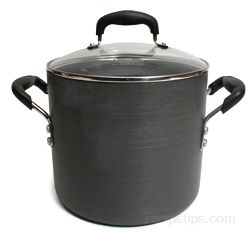
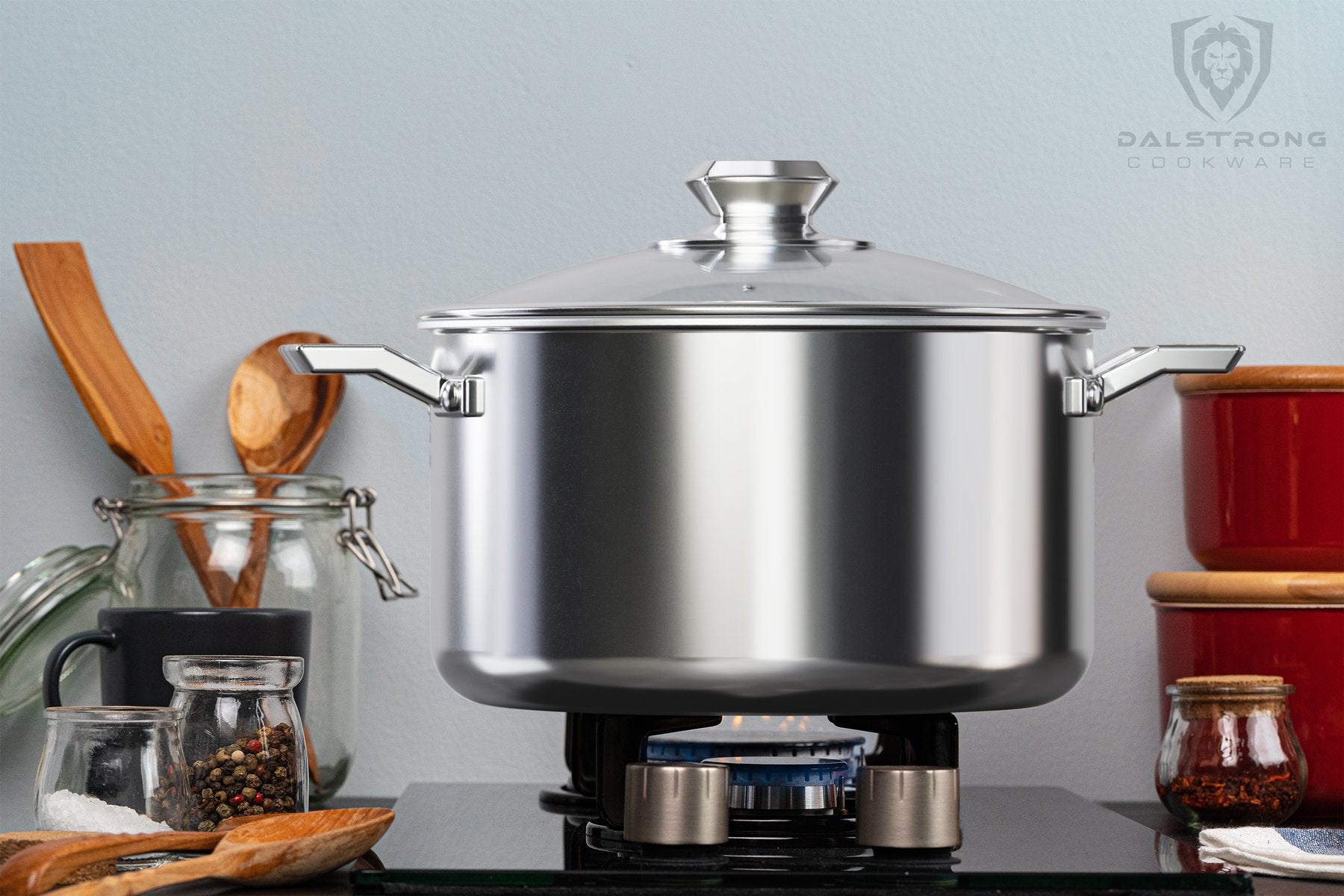
Handles on both sides provide easy lifting, even when the pot is full. Stock pots often feature a tight-fitting lid to trap moisture and flavors. These pots are indispensable for preparing large meals, especially during holidays or family gatherings. They simplify the cooking process and save time.
The Essence Of Stock Pots In Culinary Arts
Stock pots are essential in any kitchen. They help create rich flavors and hearty broths. Whether you are a home cook or a professional chef, a stock pot is indispensable.
Key Features
- Large Capacity: Stock pots can hold large quantities of liquid. This is perfect for making soups, stews, and broths.
- Durable Materials: Made from stainless steel or aluminum. These materials ensure even heat distribution.
- Sturdy Handles: Easy to lift even when full. Handles stay cool to the touch.
- Lid Included: Helps retain moisture and flavor. Keeps your kitchen cleaner.
Variety And Choice
Stock pots come in many sizes and materials. Choosing the right one can enhance your cooking experience.
| Size | Material | Best For |
|---|---|---|
| 6-Quart | Stainless Steel | Small families, quick soups |
| 8-Quart | Aluminum | Medium-sized meals, stews |
| 12-Quart | Enamel | Large gatherings, big batches |
Consider the size of your family. Think about how often you cook in large batches. The material can affect cooking time and taste.
Choosing The Right Stock Pot
Choosing the right stock pot can enhance your cooking experience. The right pot will ensure that your dishes turn out perfect every time. Below, we explore the key factors to consider when selecting a stock pot.
Material Matters
The material of a stock pot affects its durability and performance. Here are some common materials:
- Stainless Steel: Durable and resistant to rust. It’s easy to clean.
- Aluminum: Heats up quickly and evenly. Lightweight but may react with acidic foods.
- Cast Iron: Excellent heat retention. Ideal for slow cooking. It’s heavy and requires maintenance.
- Non-Stick: Prevents food from sticking. Easier to clean but may not last as long.
Size And Capacity
The size and capacity of a stock pot are crucial. It must fit your cooking needs. Consider the following sizes:
| Size (Quarts) | Ideal For |
|---|---|
| 4-6 Quarts | Small families, soups, and sauces |
| 8-12 Quarts | Medium families, stews, and stock |
| 16-20 Quarts | Large families, bulk cooking, and canning |
Choose a stock pot that suits your family size. Ensure it can accommodate your recipes.
The Role Of Stock Pots In Professional Kitchens
Stock pots are essential tools in professional kitchens. They are large, deep pots with straight sides. These pots are typically used to prepare stocks, soups, and large quantities of food. Their unique design allows for even heat distribution. This ensures consistent cooking results every time.
Versatility In Use
Stock pots offer incredible versatility in the kitchen. Chefs use them for various tasks, such as boiling pasta and making large batches of broth. They are also perfect for simmering sauces and cooking stews. Their large capacity makes them ideal for preparing meals for many people.
- Boiling pasta
- Making broths and stocks
- Simmering sauces
- Cooking stews
Besides, stock pots can be used for deep frying. Their depth helps contain splatters, making the process safer.
Impact On Food Quality
Using a stock pot can significantly impact food quality. The even heat distribution ensures that all ingredients cook uniformly. This results in better-tasting dishes and improved texture.
The capacity of stock pots allows for proper ingredient mixing. This ensures that flavors meld together perfectly. A well-made stock pot can enhance the depth of flavors in your dishes.
| Feature | Impact on Food Quality |
|---|---|
| Even Heat Distribution | Uniform Cooking |
| Large Capacity | Proper Ingredient Mixing |
| Depth | Enhanced Flavor |
Stock pots are made from durable materials like stainless steel or aluminum. These materials retain heat well, adding to the cooking efficiency. The construction of these pots also ensures longevity, making them a worthwhile investment for any professional kitchen.
Credit: www.recipetips.com
Stock Pot Maintenance And Care
Taking care of your stock pot ensures it lasts longer and performs well. Proper maintenance also keeps your food safe and tasting great. Learn how to clean and care for your stock pot below.
Cleaning Best Practices
Cleaning your stock pot correctly is crucial. Follow these steps:
- Always let the pot cool down before cleaning.
- Use warm, soapy water and a soft sponge.
- For tough stains, soak the pot in water and baking soda.
- Avoid using steel wool or abrasive cleaners.
- Rinse thoroughly to remove all soap residues.
- Dry the pot completely to prevent water spots.
Longevity Tips
Extend the life of your stock pot with these tips:
- Store the pot in a dry place to avoid rust.
- Use wooden or silicone utensils to prevent scratches.
- Avoid sudden temperature changes to prevent warping.
- Regularly check for any signs of damage or wear.
- Season your pot if it’s made of cast iron.
| Do | Don’t |
|---|---|
| Use soft sponges | Use steel wool |
| Dry completely | Leave wet |
| Store in a dry place | Expose to moisture |
By following these tips, your stock pot will stay in great shape. Proper care also ensures your meals taste their best.
Advanced Techniques With Stock Pots
Stock pots are essential in any kitchen. They offer endless culinary possibilities. Let’s explore advanced techniques with stock pots. These techniques will elevate your cooking skills.
Mastering Slow Cooking
Slow cooking is ideal for stock pots. It enhances the flavor of ingredients. Here are some tips:
- Use low heat for long periods.
- Add herbs and spices early.
- Stir occasionally to prevent sticking.
Slow cooking tenderizes meat and vegetables. It creates rich, hearty dishes. Try making beef stew or vegetable soup. Your meals will taste amazing.
Enhancing Flavors
Stock pots can enhance flavors in unique ways. Follow these techniques:
- Sauté ingredients before adding liquids.
- Use a variety of aromatics like garlic and onions.
- Add a splash of wine or vinegar for depth.
These steps build layers of flavor. Your dishes will have a complex taste. Try making a seafood broth or chicken stock. The results will amaze you.
| Technique | Benefit |
|---|---|
| Slow Cooking | Tenderizes ingredients, enhances flavor. |
| Enhancing Flavors | Adds depth and complexity. |
Utilize these advanced techniques. Your stock pot will become an invaluable tool. Enjoy cooking delicious meals with ease.
Common Mistakes To Avoid
Using a stock pot can be tricky. Many people make common mistakes. Understanding these errors helps you use your stock pot better.
Overfilling Issues
Overfilling your stock pot is a big mistake. When you overfill, your food may spill. Spills can cause burns and a messy kitchen.
Always leave space at the top. This space allows ingredients to move. It also prevents spills and overflows.
Use a larger stock pot for big meals. This way, you won’t overfill and make a mess.
Temperature Mismanagement
Temperature control is crucial. Using the wrong temperature can ruin your dish. High heat can cause burning. Low heat might not cook food properly.
Start with medium heat. Adjust as needed. Keep an eye on the pot. Stir often to distribute heat evenly.
Having a thermometer is helpful. It ensures the right temperature. Avoiding these mistakes makes your cooking better.
Accessories For Your Stock Pot
A stock pot is a versatile kitchen tool. It can be used for soups, stews, and broths. To get the best out of your stock pot, there are several accessories you should consider. These accessories help enhance your cooking experience and ensure you get the most from your stock pot.
Must-have Tools
Having the right tools makes cooking easier and more enjoyable. Here are some must-have tools for your stock pot:
- Long-handled spoon – Perfect for stirring large batches.
- Skimmer – Helps remove impurities from broths and soups.
- Thermometer – Ensures your food is cooked to the right temperature.
- Ladle – Ideal for serving soups and stews.
- Strainer – Useful for separating solids from liquids.
Investing In Quality
Investing in quality accessories is crucial. High-quality tools last longer and perform better. Look for stainless steel or silicone tools. They are durable and heat-resistant. Also, consider tools with ergonomic handles. These provide a comfortable grip and reduce hand fatigue.
| Tool | Material | Benefits |
|---|---|---|
| Long-handled spoon | Silicone | Heat-resistant and easy to clean |
| Skimmer | Stainless Steel | Durable and efficient |
| Thermometer | Digital | Accurate temperature readings |
| Ladle | Stainless Steel | Strong and long-lasting |
| Strainer | Mesh | Effective at separating solids |
Using these accessories with your stock pot enhances your cooking. They make the process smoother and more efficient. Investing in quality tools ensures you enjoy your cooking experience every time.
Credit: dalstrong.com
Inspirational Recipes For Stock Pot Mastery
Unlock the full potential of your kitchen with a stock pot. It’s more than a cooking tool; it’s your gateway to culinary mastery. Discover how to create inspiring dishes that bring joy and flavor to your table.
Classic Stocks
Creating classic stocks is the foundation of many delicious recipes. A stock pot helps you extract rich flavors from simple ingredients.
- Chicken Stock: Combine chicken bones, water, carrots, celery, and onions. Simmer for hours to extract deep flavors.
- Beef Stock: Use beef bones, water, garlic, and herbs. This will give a robust base for stews.
- Vegetable Stock: Cook onions, carrots, celery, and garlic. It’s a perfect base for vegetarian dishes.
Innovative Soups And Stews
With a stock pot, you can create innovative soups and stews. These recipes offer warmth and comfort on any day.
- Tomato Basil Soup: Blend tomatoes, basil, garlic, and onions. Simmer to perfection.
- Beef Stew: Combine beef chunks, potatoes, carrots, and peas. Cook slowly for tender meat.
- Lentil Soup: Mix lentils, onions, garlic, and spices. A healthy and hearty meal.
| Recipe | Key Ingredients | Cooking Time |
|---|---|---|
| Chicken Stock | Chicken bones, water, carrots, celery, onions | 3-4 hours |
| Beef Stew | Beef, potatoes, carrots, peas | 2-3 hours |
| Lentil Soup | Lentils, onions, garlic, spices | 45 minutes |
Experiment with these ideas and make your own creations. A stock pot offers endless possibilities for delicious meals.
:max_bytes(150000):strip_icc()/tramontina-16-quart-gourmet-stainless-steel-covered-stock-pot-b6da59143fcc483083e8a9bc75a3607c.jpg)
Credit: www.seriouseats.com
Frequently Asked Questions
What Is A Stock Pot Used For?
A stock pot is used for making stocks, soups, and broths. It’s also great for cooking large batches of pasta or boiling vegetables.
Can I Use A Stock Pot For Deep Frying?
Yes, you can use a stock pot for deep frying. Its deep sides help prevent oil splatters and maintain a consistent temperature.
What Is The Best Material For A Stock Pot?
Stainless steel is the best material for a stock pot. It’s durable, non-reactive, and provides even heat distribution.
How Do You Maintain A Stock Pot?
To maintain a stock pot, clean it after each use with mild detergent. Avoid abrasive cleaners and always dry it thoroughly.
Conclusion
A stock pot is an essential kitchen tool for every home cook. Its versatility makes meal prep easier. From soups to stews, it handles large quantities effortlessly. Investing in a quality stock pot improves your cooking experience. Make delicious and hearty dishes with this indispensable kitchen item.
Enjoy the convenience and efficiency it offers.