Last Updated on February 13, 2026
What Makes Cookies Chewy? It’s a deliciously satisfying question for every baking enthusiast. Achieving that perfect chewy texture comes down to a science of ingredients, moisture balance, and baking techniques.
Why do some cookies have that irresistible chewiness? It’s a delightful mystery with simple answers. Chewy cookies owe their texture to a mix of ingredients and techniques. The right balance of moisture, sugar, and baking time is key. Brown sugar and butter often create a soft, chewy bite.
Baking time also makes a difference. Slightly underbaking can help cookies retain their chewy texture. Ingredients like eggs and flour ratios also play a role. These elements work together to achieve the perfect chewy texture. Understanding these factors can help you make cookies just the way you like them. Whether you’re a novice baker or a cookie lover, knowing what makes cookies chewy is a tasty journey into baking science.
Table of Contents
Ingredients Impact
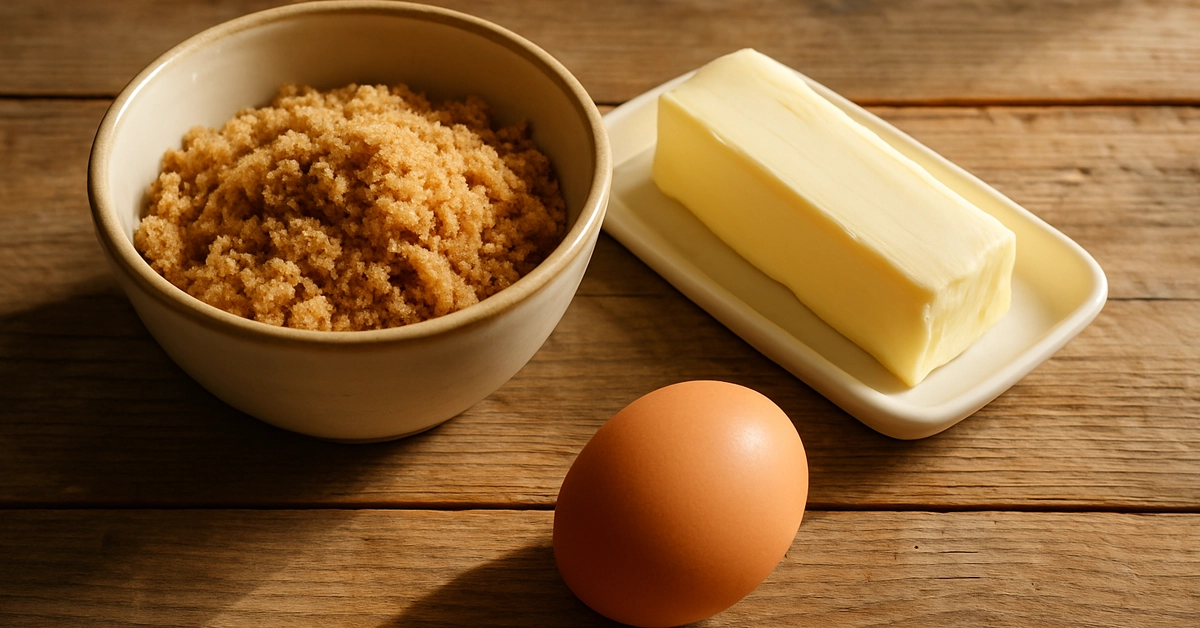
Understanding the impact of ingredients helps create chewy cookies. Each ingredient plays a unique role. Choosing the right ones makes a difference in texture. Let’s explore how butter, margarine, and brown sugar affect your cookies. For more on how ingredients affect your baked goods, explore this detailed guide to Baking Tips & Techniques from King Arthur Baking.
Butter Vs. Margarine
Butter provides a rich flavor and tender texture. It contains milk solids and water. These contribute to the chewiness in cookies. Margarine, on the other hand, has more water content. This can result in a different texture. It may not always provide the same chewiness as butter. Choosing between butter and margarine can affect the outcome of your cookies.
Role Of Brown Sugar
Brown sugar is key to chewy cookies. It contains molasses, adding moisture. This moisture helps keep the cookies soft and chewy. White sugar lacks this moisture content. So, cookies made with only white sugar can turn out crispier. Using a mix of brown and white sugar offers balance. This combination can yield a delightful chewy texture.
Flour Choice
Choosing the right flour can make cookies chewy. Different flours have varying protein contents, which affects their texture. Understanding this helps achieve the desired chewiness in cookies.
All-purpose Vs. Bread Flour
All-purpose flour is a common choice for cookies. It has a moderate protein content. This results in a balanced texture—Chewy yet not too dense. Bread flour, on the other hand, has higher protein content. It creates more gluten, resulting in chewier cookies. It can make cookies denser and more substantial. Both flours can be used depending on the desired texture. Choose wisely based on your preference.
Gluten Development
Gluten plays a crucial role in determining the texture of cookies. More gluten means chewier cookies. Kneading or mixing develops gluten. Over-mixing can make cookies tough. Balance is crucial. Using bread flour naturally increases gluten. All-purpose flour offers moderate gluten development. Adjust mixing time for desired chewiness. Experiment to find your perfect cookie texture.
Sugar Ratios
Have you ever wondered why some cookies are delightfully chewy while others are crispy? The secret often lies in sugar ratios. Sugar not only sweetens your cookies but also plays a crucial role in texture. Balancing the types and amounts of sugar can transform your baking results. Let’s explore how different sugars affect chewiness.
White Vs. Brown Sugar
White sugar is a staple in most cookie recipes. It creates a crisp texture because it absorbs less moisture and caramelizes during the baking process. If you favor crisp cookies, stick with white sugar.
On the other hand, brown sugar contains molasses. It retains moisture, making cookies soft and chewy. Try swapping some white sugar for brown sugar to achieve that perfect chewiness.
How about trying a mix? Combining both sugars can give you the best of both worlds—crispy edges and a chewy center. Experiment and see what balance you prefer.
Molasses Influence
Molasses isn’t just a component of brown sugar; it can be added separately to enhance chewiness. Adding a tablespoon to your dough can make a world of difference.
Molasses keeps cookies moist by attracting water molecules. This means your cookies stay soft longer, perfect for those who love a chewy bite.
Ever tried gingerbread cookies? Their chewy texture comes from molasses. Consider adding molasses to your chocolate chip cookies next time—it’s a simple twist that can elevate your baking game.
So, next time you bake, think about your sugar ratios. What type of cookie do you really want? Chewy or crispy? Experiment with different sugars and see how they transform your cookies.
Eggs Role
Eggs play a crucial role in making cookies chewy. They add moisture and help bind the ingredients together. This results in a soft, chewy texture that many love.
Eggs are a key ingredient in baking, especially when it comes to crafting the perfect chewy cookie. They do more than bind ingredients together. Eggs add moisture, richness, and structure to your cookie dough, influencing the texture and consistency. But have you ever wondered how different parts of the egg affect the texture of your cookies? Let’s dive into the specifics.
Whole Eggs Or Yolks
Using whole eggs in your cookie recipe provides a balance of fat and liquid, which is essential for achieving a moist texture. The white adds moisture, while the yolk contributes fat, making the cookies rich in flavor. If you’ve ever made cookies that ended up too dry, it might be because you didn’t use enough egg.
But here’s the catch: using whole eggs can sometimes make cookies cakier. That’s because the whites can add more moisture than needed. Consider your desired outcome. If you want your cookies to be chewy, consider adjusting the number of whole eggs.
Adding Extra Yolk
Want to make your cookies even chewier? Try adding an extra yolk. Yolks are rich in fat, which helps create a soft, chewy texture. This trick is great if you prefer a gooey center in your cookies.
I remember trying this method after reading about it in a baking forum. Adding an extra yolk changed everything. My cookies were not only chewy but also had a delightful richness.
Have you experimented with adding extra yolks to your recipes? It’s a simple tweak with a significant impact. You might discover a new favorite way to bake your cookies.
Eggs play a crucial role in baking cookies, and even small changes can make a significant difference. Adjust your egg usage according to the desired texture. Your perfect chewy cookie might be an egg yolk away.
Baking Techniques
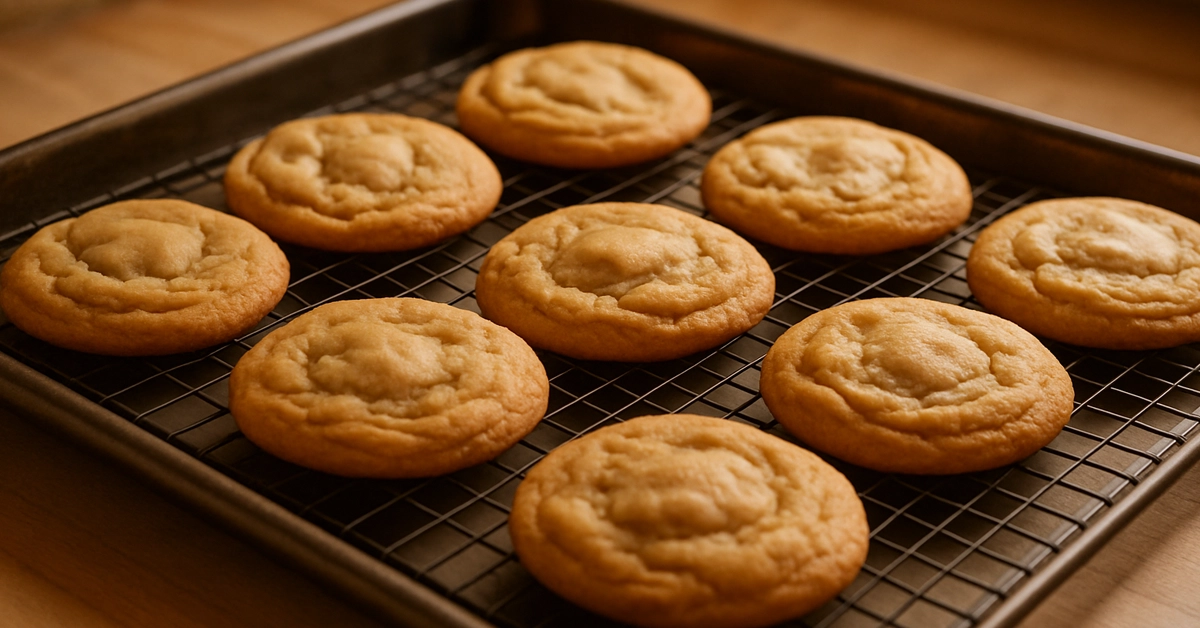
Understanding the baking techniques behind chewy cookies can transform your baking game. Have you ever wondered why some cookies turn out soft and chewy while others end up crispy? The secret lies in the details of your baking process. From oven temperature to baking time, each element plays a crucial role in achieving that irresistible, chewy texture.
Oven Temperature
Maintaining the correct oven temperature is crucial for chewy cookies. A moderate heat, around 350°F, is often ideal. If the temperature is too high, the cookies will cook too quickly, leading to a crispy texture. On the other hand, a lower temperature can help in spreading the cookies, making them dense and chewy.
Have you ever tried experimenting with your oven settings? A slight tweak can make all the difference. Aim for consistency and always preheat your oven before use. This ensures the cookies bake evenly and retain their moisture.
Choosing the right oven baking pan can also affect heat distribution and cookie texture. Opting for a heavy-duty, light-colored baking pan ensures even baking and helps maintain chewy centers.
Baking Time
Timing is everything. A shorter baking time can result in cookies that are soft and chewy. If you leave them in the oven too long, they lose moisture and become crunchy. Typically, 8 to 10 minutes is the ideal time for most recipes.
Remember the time you pulled cookies out of the oven, and they seemed underdone? Often, cookies continue to cook on the tray after removal. They firm up as they cool, so don’t be afraid to take them out a bit early.
What baking techniques do you find essential for achieving that perfect chewiness in cookies? Experiment with these tips and see how your cookie game changes. You might discover a new favorite technique that makes your cookies the talk of the town!
For more expert advice, explore our Cake Baking Tips to master the art of baking beyond cookies. Whether it’s perfecting cakes or pastries, these tips complement your baking journey.
Chilling Dough
Chilling dough is the secret behind chewy cookies. It helps achieve the perfect texture. This simple step enhances flavors and improves consistency. Let’s explore why chilling dough makes a difference.
Benefits Of Chilling
Chilling dough lets flavors meld together. This results in richer taste. It also controls spreading during baking. Chilled dough maintains its shape better. This creates thicker, chewier cookies. Another benefit? It makes handling dough easier. Less sticky, more manageable.
Chilling Duration
Chilling time affects cookie texture. For best results, chill dough for at least 30 minutes. Some bakers prefer overnight chilling. This deepens flavor and enhances chewiness. However, even a brief chill can make a significant difference.
Mixing Methods
Have you ever wondered why some cookies are irresistibly chewy, while others crumble at the slightest touch? The secret often lies in the mixing methods. Understanding how to mix your ingredients properly can make the difference between a tender and moist cookie and one that’s dry and brittle.
Creaming Butter And Sugar
The journey to chewy cookies starts with creaming butter and sugar. This method involves beating the butter and sugar together until they’re light and fluffy. It’s about more than just blending; it’s about creating tiny air pockets. These pockets give your cookies volume and tenderness.
Use room temperature butter to make the creaming process easier. Softened butter blends smoothly, trapping more air as it melts. Sugar granules also play a part. They cut into the butter, helping to create a creamy mixture. Try using a mix of brown and white sugar for an extra chewy texture.
Avoiding Overmixing
Once you add the flour and other dry ingredients, it’s crucial to avoid overmixing. Why? Because overmixing can lead to tough cookies. The more you mix, the more gluten develops, which can result in dense and complex cookies.
Mix just until the ingredients are combined. You want to see streaks of flour disappearing, not a perfectly smooth dough. If you’re using a stand mixer, keep a close watch and stop when the dough starts to come together.
Have you ever made cookies that turned out as hard as bricks? It could be because of overmixing. Remember, less mixing is more when it comes to chewy cookies. Aim for a dough that’s just barely holding together.
By understanding these mixing methods, you can elevate your cookie game. Next time you’re baking, pay attention to how you mix the ingredients. How does the texture change? Are your cookies chewier? Experiment with these techniques and see how your cookies transform.
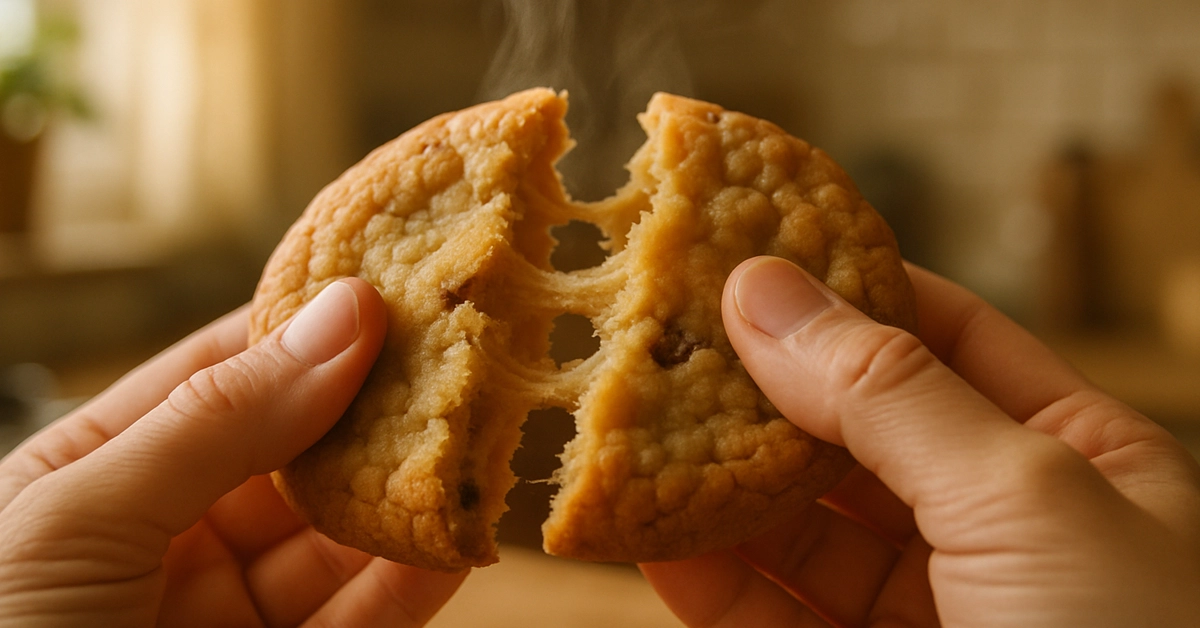
Moisture Retention
Moisture retention is crucial for achieving chewy cookies. Butter and brown sugar help keep cookies soft and moist. Baking at lower temperatures further enhances chewiness, ensuring delightful bites every time.
Moisture retention is the secret ingredient that gives cookies their irresistible chewiness. It’s what keeps them soft and delightful, even days after baking. But how do you achieve that perfect balance of moisture in your cookies? Let’s break it down with some practical tips and tricks.
Using Corn Syrup
Corn syrup is more than just a sweetener; it’s a game-changer for chewy cookies. It acts as a humectant, which means it attracts moisture and retains it within your baked goods. Just a tablespoon or two can make a noticeable difference in texture.
Have you ever tried adding corn syrup to your cookie dough? You might be surprised at how it transforms the final product. It’s like a magic trick that keeps your cookies soft and chewy longer than you thought possible.
When using corn syrup, you can reduce the amount of granulated sugar slightly. This helps balance the sweetness while maintaining that chewy texture. Experiment with different amounts and see what works best for your taste.
Adding Milk Or Cream
Adding milk or cream to your cookie dough is another effective way to retain moisture. These liquids introduce fat and liquid, which contribute to a softer texture. It’s a simple addition that can elevate your cookies to new chewy heights.
Next time you make cookies, try substituting some of the water or egg with milk or cream. You’ll notice the cookies become more decadent and more indulgent.
Do you wonder why milk works so well? It’s the combination of water and fat that creates a tender crumb. Plus, the proteins in milk can enhance the flavor, making each bite more satisfying.
Experiment with different types of milk, such as whole milk or heavy cream, to see the impact on your cookies. You might find a new favorite recipe that keeps everyone asking for more.
So, what’s your go-to method for keeping cookies chewy? Share your experiences and tips in the comments below!
Frequently Asked Questions
What Is The Secret To Chewy Cookies?
Use more brown sugar than white sugar for moisture. Add melted butter for softness. Chill the dough before baking. Avoid overbaking by removing the cookies when the edges are set but the centers appear soft.
What Are 3 Factors That Contribute To A Chewy Cookie?
Three factors contribute to a chewy cookie: a higher moisture content, the use of brown sugar, and baking at a lower temperature. Moisture helps maintain softness, brown sugar adds chewiness, and lower baking temperatures prevent cookies from becoming too crispy.
Why Are My Cookies Coming Out Chewy?
Chewy cookies often result from using high-moisture ingredients, like butter or brown sugar. Reduce baking time for a softer texture. Adjust flour quantity for balance. Ensure proper cooling before storage to maintain chewiness. Experiment with ingredient ratios to perfect your desired consistency.
What Makes Cookies Chewy? Baking Soda or Baking Powder?
Baking soda makes cookies chewy by creating a soft texture. It reacts with acidic ingredients, enhancing moisture. Baking powder, on the other hand, contributes to a fluffier texture and a lighter texture. For chewy cookies, use baking soda instead of baking powder. Adjust sugar and butter ratios for added chewiness.
Conclusion
Chewy cookies delight many taste buds—their secret lies in balance. Use more brown sugar. Add a touch of moisture. Think butter or shortening. Chill the dough before baking. This helps retain moisture. Don’t over-bake them. A shorter time keeps them soft.
The right flour also matters. Opt for bread flour. It adds chewiness. Experiment with these tips. Everyone loves a chewy cookie. Perfect for snacks and treats. Enjoy your baking adventures!