Last Updated on February 16, 2026
A stock pot is used for making large batches of soup, broth, or stock. It is also ideal for boiling pasta.
A stock pot is an essential kitchen tool for both home cooks and professional chefs. Its large size allows for the preparation of generous quantities, making it perfect for family meals or meal prepping. The pot’s design ensures even heat distribution, which is crucial for slow simmering and developing rich flavors.
Made from durable materials like stainless steel, stock pots are built to last and withstand high cooking temperatures. They often come with tight-fitting lids to help retain moisture and nutrients. Whether you’re cooking a hearty stew or a delicate broth, a stock pot is a versatile and indispensable piece of cookware.
Introduction To Stock Pots
Stock pots are essential kitchen tools. They are used to make flavorful broths and soups. These pots are versatile and come in various sizes. Let’s explore their basics and historical significance.
The Basics
Stock pots have a tall, wide shape. This shape allows for even heating. They usually come with a lid to keep moisture in. Materials like stainless steel, aluminum, and copper are common. Handles on each side make them easy to lift.
| Material | Pros | Cons |
|---|---|---|
| Stainless Steel | Durable, Non-reactive | Heavier |
| Aluminum | Lightweight, Affordable | Can react with acidic foods |
| Copper | Excellent heat conductivity | Expensive, Requires maintenance |
Historical Significance
Stock pots have been used for centuries. Early versions were made from clay and iron. They played a crucial role in food preservation. People used them to make broths that lasted longer.
In medieval times, stock pots were common in large households. They helped create nutritious meals from leftovers. Today, they remain a staple in both home and professional kitchens.
- Used for soups and broths
- Helps in food preservation
- Versatile and durable
Credit: recipes.net
Key Features Of A Quality Stock Pot
Choosing the right stock pot is essential for any kitchen. A good stock pot can make or break your cooking experience. Here are the key features to look for in a quality stock pot.
Material Choices
The material of the stock pot affects heat distribution. Stainless steel is popular for its durability and non-reactive nature. It ensures even heating and is easy to clean. Aluminum is lightweight and heats up quickly. But it may react with acidic foods. Copper provides excellent heat conduction but often needs a lining. Non-stick coatings can help with easy cleanup but may wear out over time.
Size Matters
The size of a stock pot depends on your cooking needs. For a small family, a 6-quart pot may be sufficient. For larger gatherings, consider an 8-quart or 12-quart pot. Some cooks prefer having multiple sizes. This allows for flexibility in cooking different quantities. Make sure the pot fits well on your stove.
Handles And Lids
Handles should be sturdy and easy to grip. Look for handles that stay cool while cooking. Riveted handles offer extra durability. Avoid handles that may bend or break easily. Lids are important for controlling heat and moisture. A well-fitting lid helps to retain flavors and nutrients. Glass lids allow you to monitor cooking without lifting the lid. Make sure the lid has a steam vent to prevent boiling over.
The Art Of Making Stocks
The art of making stocks is a timeless culinary skill. A well-made stock is the foundation for numerous dishes. It can elevate soups, sauces, and gravies to new heights. This section will guide you through the essential aspects of stock-making using a stock pot.
Stocks Vs. Broths
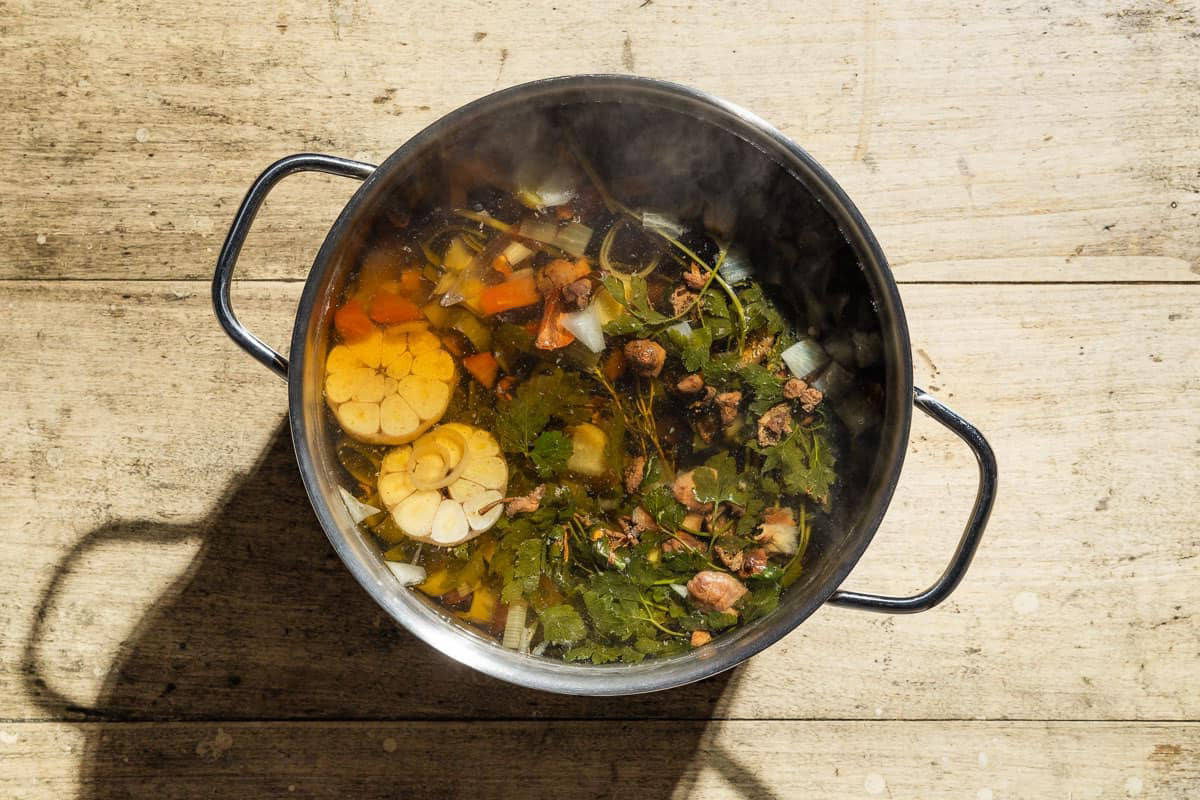
Stocks and broths are similar but have key differences. Stocks are made by simmering bones, vegetables, and aromatics. This process extracts collagen, resulting in a rich, gelatinous liquid. Broths are lighter and made by simmering meat, not bones.
Stocks are ideal for sauces due to their thickness. Broths are great for soups and sipping. Both can be made in a stock pot, but stocks need longer simmering times.
Essential Ingredients
To make a great stock, you need a few essential ingredients. These include:
- Bones: Beef, chicken, fish, or pork bones work well.
- Vegetables: Onions, carrots, and celery are must-haves.
- Aromatics: Garlic, bay leaves, and peppercorns add depth.
- Water: Use cold water to start the simmering process.
Cooking Techniques
The cooking technique is crucial for a flavorful stock. Follow these steps:
- Roast the bones for added flavor. This step is optional but recommended.
- Add bones and vegetables to the stock pot.
- Cover with cold water and bring to a simmer slowly.
- Skim off any foam or scum that rises to the top.
- Let it simmer for hours, usually 4-6 for chicken, 8-12 for beef.
- Strain the stock through a fine sieve or cheesecloth.
A long, slow simmer extracts maximum flavor and nutrients. Avoid boiling, which can make the stock cloudy.

Credit: www.amazon.com
Beyond Stocks: Versatile Uses Of Stock Pots
Stock pots are not just for making stocks. These versatile kitchen tools can do so much more. With a large capacity and sturdy design, they cater to various cooking needs. Discover the many ways you can use your stock pot.
Soups And Stews
Stock pots are perfect for making hearty soups and stews. Their deep structure allows for even cooking of ingredients. Use them to simmer a delicious chicken noodle soup. Create a rich and thick beef stew. These pots can handle large quantities, making them ideal for family meals.
Boiling And Blanching
Stock pots excel at boiling and blanching. They heat water quickly and maintain a steady temperature. You can use them to boil pasta, potatoes, or corn on the cob. Blanching vegetables in a stock pot helps preserve their color and nutrients. Simply bring water to a boil, add your veggies, then quickly cool them in ice water.
Deep Frying And Steaming
Stock pots can also be used for deep frying. Their high sides help contain splattering oil, making frying safer. Try frying up some crispy chicken wings or tasty fish fillets. Use a thermometer to maintain the right oil temperature.
Steaming is another great use. Place a steamer basket inside the pot, add water below the basket, and cover. Steam vegetables, dumplings, or even fish. This method retains the food’s flavor and nutrients.
| Cooking Method | Examples |
|---|---|
| Soups and Stews | Chicken noodle soup, beef stew |
| Boiling and Blanching | Pasta, potatoes, vegetables |
| Deep Frying and Steaming | Chicken wings, dumplings |
Choosing The Right Stock Pot
Picking the perfect stock pot can elevate your cooking game. But how do you choose the right one? Here are some tips to help you make the best decision.
Capacity And Kitchen Space
The size of your stock pot matters a lot. First, think about how many people you cook for. A 4-quart pot is great for small families. For larger meals, a 12-quart pot works better. Also, consider your kitchen space. A big pot needs a lot of storage room. Measure your cabinets before buying a large pot.
Budget Considerations
Your budget will play a role in your choice. Stock pots come in various price ranges. You can find a decent pot for around $30. High-end pots can cost over $200. Here’s a simple table to help you decide:
| Budget | Quality | Material |
|---|---|---|
| Under $50 | Basic | Aluminum |
| $50-$150 | Good | Stainless Steel |
| Over $150 | High-End | Multi-ply |
Brand And Warranty
Brands like All-Clad and Cuisinart are well-known for quality. They offer durable and reliable stock pots. Check if the pot comes with a warranty. A good warranty can save you money in the long run. Here are some trusted brands:
- All-Clad
- Cuisinart
- Calphalon
- Le Creuset
Look for brands that offer at least a one-year warranty. Some high-end brands even offer lifetime warranties.
Care And Maintenance
Proper care and maintenance of your stock pot ensure its longevity and performance. Follow these tips to keep your stock pot in top shape. Maintain cleanliness, avoid damage, and store it properly.
Cleaning Tips
Cleaning your stock pot is essential. Follow these simple steps:
- Wash with warm water and mild soap.
- Avoid abrasive sponges to prevent scratches.
- Rinse thoroughly to remove all soap residue.
- Dry with a soft cloth to prevent water spots.
For stubborn stains, use a mixture of baking soda and water. Apply the paste to the stain and scrub gently. Rinse and dry as usual.
Storage Solutions
Storing your stock pot properly is crucial. Consider these options:
- Hang it on a pot rack to save cabinet space.
- Stack with other pots, placing a soft cloth between them.
- Store with the lid off to prevent moisture buildup.
Ensure the storage area is dry and clean to avoid rust and corrosion.
Avoiding Common Damages
Preventing damage extends the life of your stock pot. Follow these tips:
| Common Damage | Prevention Tips |
|---|---|
| Scratches | Use wooden or silicone utensils. |
| Discoloration | Avoid high heat and acidic foods. |
| Warping | Let the pot cool before washing. |
Regularly inspect your stock pot for any signs of wear. Address issues promptly to maintain its quality.
Troubleshooting Common Issues
Stock pots are essential for cooking soups, stews, and broths. But like any kitchen tool, they can have problems. This section will help you fix common stock pot issues.
Handling Burnt Bottoms
A burnt bottom can ruin your dish and your pot. Follow these steps to fix it:
- Remove the food from the pot.
- Fill the pot with hot water and dish soap.
- Let it soak for an hour.
- Scrub gently with a non-abrasive pad.
- Rinse and dry the pot.
For stubborn burns, try a paste of baking soda and water. Apply it to the burnt area, let it sit, and then scrub.
Dealing With Rust
Rust can make your stock pot unsafe. Here’s how to deal with it:
- Mix baking soda and water to make a paste.
- Apply the paste to the rust spots.
- Scrub with a soft brush or cloth.
- Rinse and dry the pot completely.
To prevent rust, always dry your pot after washing. Store it in a dry place.
Fixing Lid Problems
A lid that doesn’t fit properly can cause cooking issues. Here are some solutions:
| Problem | Solution |
|---|---|
| Loose Lid | Replace the lid or use a lid clip. |
| Stuck Lid | Run warm water over the lid to loosen it. |
| Missing Knob | Replace the knob or use a temporary handle. |
Always check the lid before cooking to ensure a proper fit.
Recipes To Get You Started
The stock pot is a versatile tool in any kitchen. It can create a variety of flavorful broths and stocks. Using a stock pot helps extract rich flavors from ingredients. Here are some easy recipes to get you started.
Classic Chicken Stock
Chicken stock is a kitchen staple. It’s perfect for soups, stews, and sauces. To make classic chicken stock, follow these steps:
- Place a whole chicken or chicken parts in the stock pot.
- Add chopped carrots, celery, and onions.
- Fill the pot with water until the ingredients are submerged.
- Add salt, pepper, bay leaves, and garlic.
- Bring to a boil, then simmer for 2-3 hours.
- Strain the stock through a fine mesh sieve.
- Let it cool and store in the refrigerator.
Use this stock as a base for various dishes. It enhances flavor and adds richness.
Vegetable Stock For Beginners
Vegetable stock is easy to make and very versatile. It’s great for vegetarian and vegan dishes. Here’s a simple recipe for beginners:
- Chop carrots, celery, onions, and garlic.
- Add them to the stock pot.
- Include other vegetables like mushrooms, tomatoes, and leeks.
- Fill the pot with water to cover the vegetables.
- Add salt, pepper, and your favorite herbs.
- Bring to a boil, then simmer for 1-2 hours.
- Strain the liquid through a sieve.
- Cool and store in the refrigerator.
Vegetable stock is a great base for soups, risottos, and sauces.
Seafood Broth
Seafood broth brings a unique flavor to many dishes. It’s ideal for chowders and seafood stews. Follow these steps to make a delicious seafood broth:
- Place shrimp shells, fish bones, or crab shells in the stock pot.
- Add chopped onions, celery, and carrots.
- Pour in enough water to cover the ingredients.
- Add a splash of white wine for extra flavor.
- Include salt, pepper, and bay leaves.
- Bring to a boil, then simmer for 1 hour.
- Strain the broth through a fine mesh sieve.
- Cool and store in the refrigerator.
This broth can elevate seafood dishes with its rich, oceanic flavor.
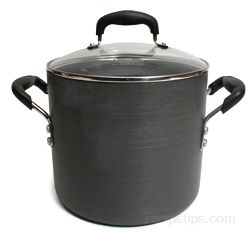
Credit: www.recipetips.com
Frequently Asked Questions
What Is A Stock Pot Used For?
A stock pot is used for making large batches of soup, stew, and broth. It’s also ideal for boiling pasta and vegetables.
Can You Cook Pasta In A Stock Pot?
Yes, a stock pot is perfect for cooking pasta. Its large size allows the pasta to cook evenly and prevents sticking.
Is A Stock Pot Necessary For Home Cooking?
While not essential, a stock pot is very useful. It simplifies cooking large meals and is versatile for various recipes.
What Size Stock Pot Should I Buy?
The size depends on your needs. For family meals, a 12-quart stock pot is ideal. For smaller portions, a 6-quart pot works well.
Conclusion
A stock pot is a versatile kitchen essential. It is perfect for making soups, stews, and broths. With its large size, it accommodates bulk cooking and meal prepping. Investing in a high-quality stock pot can elevate your culinary skills. Embrace its utility and enhance your cooking experience today.