Last Updated on August 11, 2026
Measuring sugar is simple with a few basic tools. A cup, scale, or spoon can help you get the right amount.
This guide will show you how to measure sugar accurately. Sugar is a staple in many recipes, from cookies to cakes. Getting the right sugar amount can change your dish’s taste and texture. Knowing how to measure sugar correctly ensures your recipe turns out as expected.
Whether you’re baking for fun or making a special dessert, understanding sugar measurements is key. This blog will explain different ways to measure sugar. You’ll learn the importance of precision and how it affects your recipe. With these tips, you’ll be able to measure sugar confidently and enhance your cooking skills.
Importance Of Accurate Sugar Measurement
Accurate sugar measurement is essential in cooking and baking. It ensures the desired taste and texture. Incorrect measurements can lead to unexpected results. It’s crucial for both culinary success and health considerations.
Impact On Recipes
Sugar plays a vital role in recipes. It affects taste and texture. Too much sugar can make a dish overly sweet. Too little might leave a recipe bland. Precise sugar measurement ensures balanced flavors. It helps achieve perfect consistency in baked goods. Cakes rely on sugar for moisture and sweetness. Cookies need sugar for crispness. An incorrect amount might spoil the entire batch. Accuracy in sugar measurement creates delicious and consistent dishes.
Health Implications
Measuring sugar accurately is important for health. Consuming excessive sugar can lead to health issues. It can cause weight gain and increase the risk of diabetes. Accurate measurement helps in controlling sugar intake. This is crucial for maintaining a healthy diet. It aids in managing daily sugar consumption. Precise sugar measurement can support healthier eating habits. It helps avoid unnecessary sugar-related health problems.
:strip_icc()/sugar-in-measuring-cup-102022322-889eb91f5e884ceb8fdd0903d40df9b0.jpg)
Credit: www.bhg.com
Tools For Measuring Sugar
Knowing the right tools is essential for measuring sugar accurately. This ensures recipes turn out perfectly, with just the right sweetness. Whether baking a cake or preparing tea, measuring sugar correctly matters. Let’s explore some common tools that help in this task.
Measuring Cups
Measuring cups are a staple in every kitchen. They are easy to use and come in various sizes. For sugar, use dry measuring cups. They provide precise measurements for solid ingredients. Fill the cup to the rim, then level it with a knife. This method gives consistent results. Remember, different sugars may require different measurements. Granulated sugar packs differently than powdered sugar.
Digital Scales
Digital scales offer accurate measurements for sugar. They are perfect for precision in baking. Just place a bowl on the scale, then press tare. This resets the scale to zero. Add sugar until the desired weight is reached. This tool helps with recipes requiring exact grams or ounces. Digital scales are easy to read and ensure consistency. They are ideal for professional or home use.
Types Of Sugar And Their Measurement
Measuring sugar might seem simple, but it’s crucial for recipes. Different types of sugar can impact the taste and texture of your dish. Each type of sugar requires specific measuring techniques. Understanding these can ensure your baking or cooking turns out perfect.
Granulated Sugar
Granulated sugar is a staple in many kitchens. It is the most common sugar type. It has fine, white crystals, making it easy to measure. Use a dry measuring cup for accuracy. Spoon the sugar into the cup without packing it. Level it off with a flat edge for the right amount. Granulated sugar is great for sweetening drinks and baking cakes.
Brown Sugar
Brown sugar is moist and sticky. It contains molasses, which gives it a rich flavor. When measuring brown sugar, pack it tightly into the measuring cup. The packed sugar should hold its shape when turned out. This ensures you have the right amount. Brown sugar adds depth to cookies and sauces.

Credit: www.wyldflour.com
Techniques For Measuring Sugar
Measuring sugar accurately is crucial in baking and cooking. It ensures your recipes turn out just right, balancing flavors and textures. Let’s explore some practical techniques to measure sugar effectively.
Leveling Method
The leveling method is a simple and effective way to measure granulated sugar. Start by filling your measuring cup until it overflows. Use a flat edge, like a knife, to scrape off the excess, leveling it with the rim of the cup. This method helps you avoid packing the sugar, which can lead to inaccurate measurements.
Have you ever wondered why your cookies turned out too sweet or too dry? It could be due to incorrect sugar measurement. The leveling method ensures consistency, giving you the exact amount needed for your recipe.
Packing Brown Sugar
Packing brown sugar is a different story. Unlike granulated sugar, brown sugar needs to be packed to measure correctly. Spoon the sugar into your measuring cup and press it down firmly with the back of the spoon or your fingers.
Why pack brown sugar? Its moisture content makes it clumpy. By packing it, you eliminate air pockets, ensuring you measure the right amount.
Imagine making a batch of muffins, and they come out lacking sweetness. Packing brown sugar might be the missing step. Next time you bake, try it and notice the difference.
Measuring sugar accurately might seem trivial, but it can make or break a dish. Whether you’re perfecting your grandma’s cookie recipe or trying something new, these techniques offer consistency and reliability. What’s your favorite method for measuring sugar? Have you tried these techniques before?
Common Mistakes In Sugar Measurement
Measuring sugar often leads to errors like using the wrong type of cup. Another mistake is not leveling the sugar. These small errors can affect baking results significantly.
Measuring sugar might seem like a simple task, but several common mistakes can lead to baking mishaps. Whether you’re crafting a delicate cake or a hearty cookie, precise sugar measurement is crucial. These missteps can affect texture, taste, and even the appearance of your baked goods. Let’s uncover some typical errors and learn how to avoid them.Incorrect Tools
Using the wrong tools is a frequent error when measuring sugar. Many people mistakenly use measuring cups meant for liquids instead of dry measuring cups. This can result in an inaccurate quantity, impacting your recipe’s success. Consider investing in a set of dry measuring cups. They’re designed for ingredients like sugar, flour, and spices. This ensures you get the perfect amount each time. Additionally, using a scale for precision is an excellent idea. It eliminates guesswork and gives you exact measurements. Remember, a small variance can make a big difference, especially in baking.Misjudging Texture
Another mistake is not accounting for sugar texture. Granulated, powdered, and brown sugar have different properties and volumes. Have you ever scooped brown sugar only to find your cookies too sweet and dense? That’s because brown sugar packs more tightly than granulated sugar. It’s crucial to understand how the texture affects your measurement. Make sure to fluff or pack the sugar appropriately based on your recipe needs. Granulated sugar should be scooped lightly, while brown sugar often needs to be packed. Ask yourself, are you considering the texture before measuring? This simple step can transform your baking results. By addressing these common mistakes, you’ll improve your baking skills and create delicious treats. Precision in sugar measurement isn’t just for perfectionists; it’s for anyone who loves a successful outcome.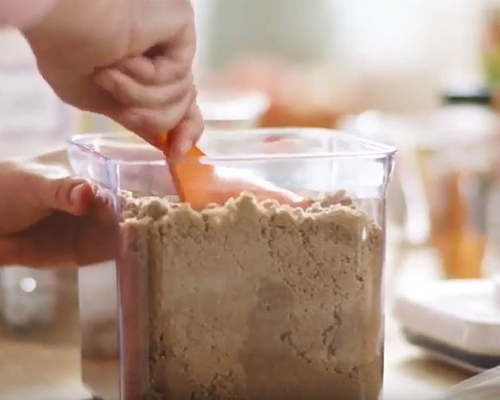
Credit: www.chsugar.com
Tips For Consistent Sugar Measurement
Achieving consistent sugar measurement is key in baking. Accurate sugar measurements ensure the desired taste and texture. Follow these tips for consistent results every time.
Using Room Temperature Ingredients
Keep ingredients at room temperature before measuring sugar. Cold ingredients can clump or stick together. This affects the sugar measurement. Room temperature ingredients mix evenly and smoothly. This leads to accurate sugar amounts in your recipe. Let ingredients sit out for 30 minutes before use. This simple step makes a big difference.
Double-checking Measurements
Always double-check your sugar measurements. Mistakes happen easily. Use a standard measuring cup or scale. Ensure you level off the sugar with a knife. This prevents over-packing the sugar in the cup. Double-checking ensures each cup has the right amount. Consistent measurements improve your baking results.
Adjusting Measurements For Recipes
Adjusting sugar measurements in recipes can make or break your culinary creations. Whether you’re cooking for a crowd or tweaking for dietary needs, knowing how to adjust sugar is crucial. Have you ever tried doubling a recipe only to find it too sweet? Or perhaps you need to cut down sugar for health reasons? This guide will walk you through practical ways to get it just right.
Scaling For Batch Cooking
When cooking for a large group, scaling a recipe is often necessary. Simply doubling the sugar might not work as expected. Large quantities can alter the texture and sweetness. Consider reducing sugar slightly when scaling recipes to avoid overpowering the flavors.
Think about the last time you made cookies for a party. Did you find them too sweet or too bland? Try adjusting by taste before baking the entire batch.
Use a table to track the original sugar amount and your scaled measurements. This can help you maintain consistency. Also, remember that some recipes need more sugar, while others may need less.
Adapting For Dietary Needs
Adapting sugar measurements for dietary needs is increasingly common. Whether you’re cutting sugar for diabetes or reducing calories, altering sugar requires a thoughtful approach.
Consider using alternatives like honey or stevia. These can change the flavor and texture, so start with small amounts. Experimenting is key—try different substitutes until you find the right balance.
How do you ensure your cake stays moist without sugar? Add fruits like apples or bananas for natural sweetness. This keeps the texture while reducing refined sugar.
Keep a list of substitutes handy. This allows you to quickly adapt recipes without losing flavor.
Storing Sugar For Optimal Measurement
Store sugar in a cool, dry place to keep it free-flowing. This ensures accurate measurement for recipes. Avoid moisture to prevent clumping and maintain consistency.
Storing sugar correctly ensures accurate measurement every time. Proper storage keeps sugar fresh and prevents clumping. This way, your recipes turn out as expected. Explore effective ways to store sugar.Preventing Clumping
Clumping affects sugar’s texture and measurement. Moisture is the main culprit. Use an airtight container to keep moisture out. Glass or plastic jars with tight lids work well. For extra protection, add a moisture absorber. Try a piece of dry bread or a few rice grains. They absorb moisture and prevent clumps. Replace them regularly for best results.Maintaining Freshness
Freshness impacts sugar’s flavor and quality. Store sugar in a cool, dry place. Avoid heat sources like stoves or windows. Heat causes sugar to degrade faster. Label your containers with purchase dates. This helps track freshness over time. Rotate older stock to the front. Use it first to maintain quality. Fresh sugar makes a difference in baking.Frequently Asked Questions
What Is The Correct Way To Measure Sugar?
Use a dry measuring cup for granulated sugar. Level it with a straight edge for accuracy. Use a spoon to fill the cup, avoiding packing. For brown sugar, pack it tightly into the measuring cup. Ensure it’s levelled for precise measurement.
Always measure at eye level for accuracy.
How Much Is 1 Cup Of Sugar?
One cup of sugar weighs approximately 200 grams or 7 ounces. It equals around 16 tablespoons. In cooking, this is a standard measurement. Always use a level measuring cup for accuracy. Adjust quantities as needed for specific recipes.
How Do You Measure Sugar Without A Scale?
Use measuring cups or spoons for accurate sugar measurement. A standard cup holds 200 grams of sugar. One tablespoon equals 12. 5 grams, and one teaspoon equals 4. 2 grams. Level the sugar with a straight edge for precision. Adjust based on your recipe requirements.
Is Brown Sugar Into The Measuring Cup Before Leveling Off?
Yes, pack brown sugar firmly into the measuring cup before leveling off for accurate measurement. This ensures the correct amount is used in recipes.
Conclusion
Measuring sugar accurately is crucial in cooking and baking. It affects taste and texture. Use the right tools for precise measurement. A scale offers the best results. Measuring cups work well, too. Remember, different sugars have different weights. Always check recipe guidelines carefully.
Practice makes perfect. Soon, you’ll measure sugar like a pro. Enjoy experimenting with new recipes. Share your sweet success with friends and family. Happy baking!