Last Updated on August 11, 2026
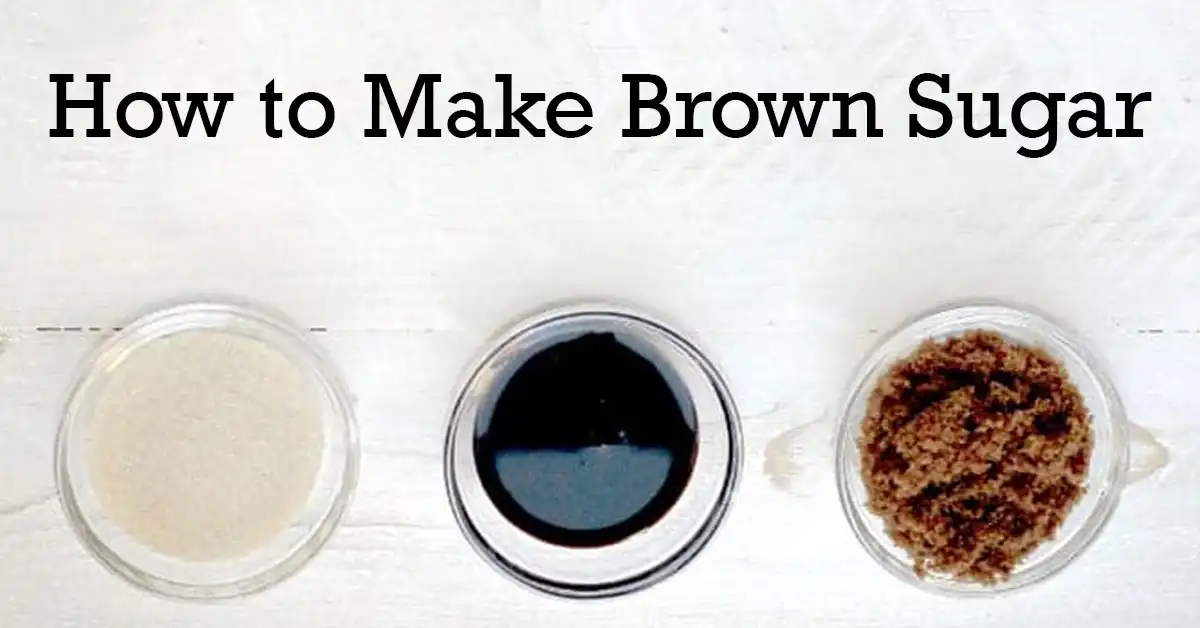
How to make brown sugar at home is surprisingly simple and takes just minutes. You only need two basic ingredients—white granulated sugar and molasses—to create a rich, flavorful brown sugar blend from scratch.
This homemade version can be fresher and more flavorful than store-bought options. Brown sugar is key in many recipes, adding moisture and a rich flavor. Sometimes, you might run out unexpectedly while baking your favorite treat. Instead of rushing to the store, you can easily make your own at home.
It allows you to control the sweetness and texture, tailoring it to your taste. Plus, you save money and can make just the amount you need. Whether you prefer light or dark brown sugar, you can adjust the molasses to match your recipe requirements. Get ready to explore the simplicity of making this essential kitchen staple.
Table of Contents
Introduction To Brown Sugar
Brown sugar adds rich flavor to desserts and meals. It’s a pantry staple with unique characteristics. Its moist texture and deep taste make it special.
What Is Brown Sugar?
Brown sugar is simply white sugar mixed with molasses. This gives it a moist feel and rich color, and the molasses adds depth to its sweetness. Light brown sugar has less molasses than dark brown sugar, and the difference affects the taste and color.
Uses Of Brown Sugar
Brown sugar is versatile in cooking. It perfectly sweetens baked goods, brings out flavors in cookies and cakes, is great for marinades and sauces, and adds depth to barbecue dishes. You can use it in oatmeal for a warm start to the day, and it also enhances the taste of coffee and tea.
Ingredients Needed
Combine granulated sugar and molasses to make brown sugar at home. For light brown sugar, use one cup of sugar with one tablespoon of molasses, or adjust the molasses for a darker hue.
Making brown sugar at home is a simple yet rewarding process. You can create a fresh and flavorful sweetener with just a few ingredients that elevates your baking and cooking. Understanding the ingredients needed is crucial to getting that perfect balance of flavor and texture.
Essential Ingredients
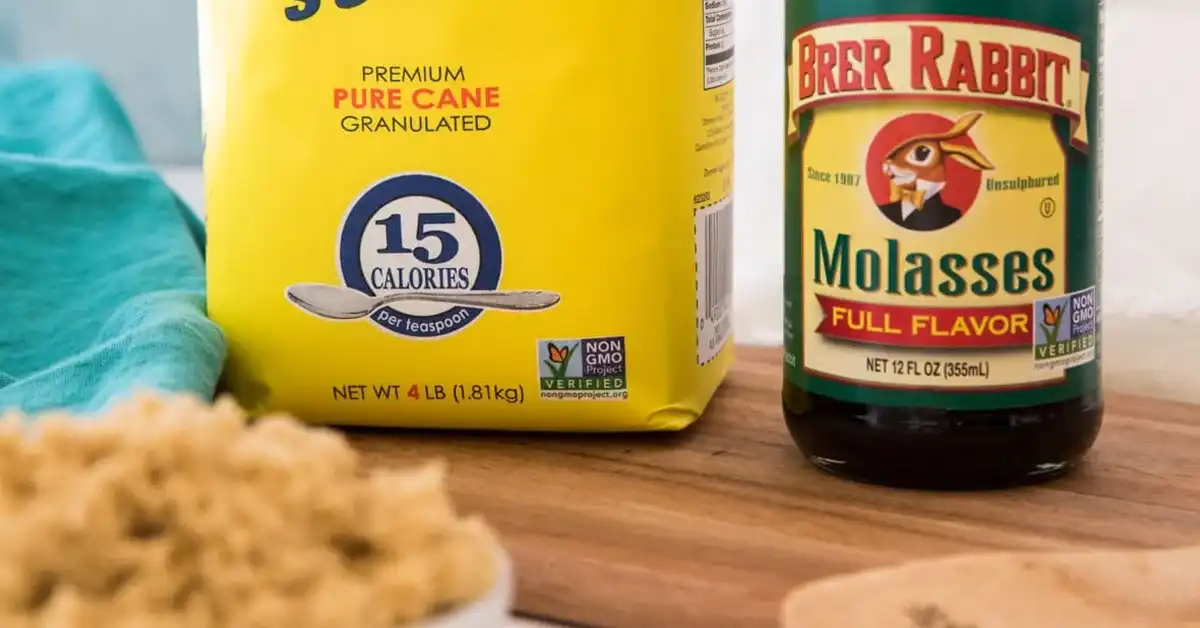
You’ll need just two basic ingredients: white sugar and molasses. White sugar forms the base, providing sweetness and structure. It’s readily available and budget-friendly, making it an ideal choice for homemade brown sugar.
Molasses, on the other hand, is the magic ingredient that gives brown sugar its rich color and distinct taste. The amount of molasses you add will determine the intensity of the flavor.
You can experiment with different types of white sugar, such as cane or beet sugar, to tweak the flavor to your liking.
Choosing The Right Molasses
Choosing the right molasses is key to achieving the perfect taste. There are several types of molasses: light, dark, and blackstrap. Light molasses is sweeter and less robust, while dark molasses adds a deeper flavor. Blackstrap molasses is more intense and slightly bitter.
If you prefer a milder flavor, go for light molasses. For a richer taste, dark molasses will be your best bet. Blackstrap molasses is for those who enjoy a bold and complex flavor.
Consider your recipe and personal taste preferences when selecting molasses. If you’ve tried different types of molasses in your baking, you know how dramatically it can change the outcome.
You might discover a new favorite flavor combination that sets your dishes apart.
To sum it up, making brown sugar requires just two ingredients. The type of molasses you choose can enhance or redefine the taste, giving you plenty of room for creativity.
Why not give it a try? You might be surprised at how easy it is to make something so delicious from scratch.
Equipment Required
Creating your own brown sugar at home is simple and rewarding. You only need a few basic tools to start. Using the right equipment ensures the process goes smoothly. Let’s explore what you need.
Basic Kitchen Tools
The first tool you’ll need is a large mixing bowl to hold the sugar and molasses. A fork or a whisk works well for mixing. These help blend the molasses evenly with the sugar. A measuring spoon is essential for accuracy. Use it to measure the molasses. A measuring cup is also useful. It ensures the right amount of sugar.
Optional Gadgets
A food processor can speed up the process, mixing the ingredients more uniformly. An electric hand mixer is another option, reducing the effort of manual mixing. A kitchen scale can be handy, helping to measure ingredients precisely. While these gadgets are not necessary, they make the job easier.

Step-by-step Process
Homemade Brown Sugar Recipe:
Ingredients: 1 cup white granulated sugar, 1 tablespoon molasses (for light brown sugar) or 2 tablespoons molasses (for dark brown sugar).
Instructions: 1. In a bowl, combine the sugar and molasses. 2. Mix with a fork or electric mixer until the molasses is evenly distributed. 3. Store in an airtight container.
Tip: If the sugar hardens over time, add a slice of bread or a damp paper towel in the container to soften it. That’s it — just two ingredients and a few minutes!
Mix molasses with white sugar to create brown sugar. Use a fork to blend them well. Adjust the molasses to get your desired darkness.
Making your own brown sugar is surprisingly simple and can be a fun project to try in your kitchen. Not only does it save a trip to the store, but it also lets you control the sugar’s texture and flavor. Let’s dive into the step-by-step process to create your own brown sugar at home.
Mixing The Ingredients
You’ll need just two ingredients: white granulated sugar and molasses. Most people already have these in their pantries. Measure one cup of white sugar and add one tablespoon of molasses for light brown sugar. For a richer flavor, use two tablespoons of molasses.
Place both ingredients in a large bowl. Use a fork or a stand mixer to combine them. As you mix, you’ll notice the sugar gradually darkening as the molasses is absorbed. This process is not only straightforward but also quite satisfying to watch.
Achieving Desired Texture
Once your sugar and molasses are mixed, it’s time to focus on texture. Do you prefer your brown sugar to be soft and fluffy, or do you like it to be more granular? If it’s too clumpy, add a bit more white sugar and mix again.
If your mixture feels dry, a touch more molasses will help. Remember, you’re in control. Keep mixing until you achieve a texture that’s perfect for your baking or cooking needs.
Making brown sugar at home also allows you to experiment. Have you ever tried adding a hint of vanilla or cinnamon for extra flavor? These small tweaks can elevate your recipes and impress your taste buds.
Have you considered the convenience of never running out of brown sugar again? What other simple kitchen hacks can you explore to make your cooking more personalized and efficient?
Tips For Perfect Brown Sugar
Creating brown sugar at home is a simple process that can elevate your baking and cooking endeavors. However, achieving the perfect texture and flavor requires a few expert tips. Whether adjusting the color to suit your recipes or storing it to maintain freshness, these insights will help you master your homemade brown sugar.
Adjusting The Color
Do you prefer lighter or darker brown sugar? It’s all about the amount of molasses you add. For light brown sugar, start with a tablespoon per cup of white sugar. If you want a richer color, add more molasses gradually until you achieve your desired shade.
Experimenting with the molasses ratio can lead to delightful surprises. I accidentally created a deep brown sugar that made my cookies incredibly rich. Adjusting the color is your chance to personalize your recipes.
Storing Tips
Have you ever found your brown sugar hard as a rock? Proper storage is key to keeping it soft and ready to use. Store your brown sugar in an airtight container. Adding a slice of bread or a few marshmallows can help retain moisture.
Consistency is crucial. Consider storing small batches separately. This way, you always have fresh sugar on hand. It’s a small effort that pays off when you’re reaching for sugar that’s soft and ready to sprinkle.
What’s your method for ensuring your brown sugar stays perfect? Share your tips with fellow readers and discover new strategies to enhance your pantry staples. Your insights might be the missing ingredient in someone else’s kitchen success.
Common Mistakes
Making brown sugar at home can be satisfying and easy. Yet, some common mistakes can spoil the process. These errors can affect texture and taste. Understanding them can lead to perfect homemade brown sugar.
Avoiding Lumps
Lumps in brown sugar are a frequent problem. They form due to uneven mixing, which can be caused by hand mixing. Use a fork or whisk for smooth blending. Ensure the molasses spreads evenly through the sugar. Sifting the sugar beforehand helps avoid lumps.
Preventing Over-mixing
Over-mixing can ruin brown sugar’s texture, making it too sticky or dense. Mix only until the sugar and molasses are combined, stopping as soon as the color looks even. Mixing too much can change the sugar’s moisture level, affecting its ability to blend in recipes.
Benefits Of Homemade Brown Sugar
Making brown sugar at home is a simple process that can provide numerous benefits. You might wonder why you should bother when you can easily buy it at the store. The answer lies in the advantages that homemade brown sugar offers over its store-bought counterpart. From saving money to tailoring the flavor to your liking, homemade brown sugar is a sweet addition to your kitchen repertoire.
Cost-effectiveness
One of the most compelling reasons to make your own brown sugar is the cost savings. A bag of brown sugar at the store might seem inexpensive, but if you bake often, those costs add up. When you make brown sugar at home, you only need granulated sugar and molasses, which are often cheaper in bulk. Consider how much you spend on store-bought brown sugar in a year. Could you save by making your own?
Moreover, homemade brown sugar can reduce waste. Have you ever had a bag go hard before you could use it all? Making it yourself means you can create just the amount you need when needed. This not only saves money but also ensures you always have fresh brown sugar on hand.
Customizable Flavor
Another exciting benefit is the ability to customize the flavor. Store-bought brown sugar comes in two varieties: light and dark. When you make it yourself, you control the ratio of molasses to sugar, allowing you to create a flavor that suits your taste perfectly. Do you prefer a richer taste in your cookies? Add a bit more molasses. Want just a hint of flavor for your morning oatmeal? Use less molasses.
Experimenting with your brown sugar can lead to delightful surprises. I once added extra molasses for a batch of gingerbread cookies and discovered a deeper, more complex flavor that impressed my friends at a holiday party. What new flavor combinations will you create by adjusting the molasses content?
Making brown sugar at home not only saves money but also invites creativity into your baking routine. Whether you’re a seasoned baker or just starting, homemade brown sugar is an easy way to enhance your culinary skills. Are you ready to try making your own and discover the benefits firsthand?
Alternative Variations
Exploring alternative variations of brown sugar can add unique flavors to your dishes. Whether you prefer light or dark brown sugar or want to experiment with flavored versions, each option brings its own distinct taste. Discover how you can create different types of brown sugar at home with simple ingredients.
Light Vs. Dark Brown Sugar
Light brown sugar contains less molasses than dark brown sugar, making it milder and sweeter. This makes it perfect for recipes requiring a subtle caramel flavor. On the other hand, dark brown sugar has more molasses, resulting in a deeper, richer taste. It is ideal for hearty dishes and baked goods needing a robust flavor. Experimenting with both can enhance the taste of cookies, cakes, and sauces.
Flavored Variants
Flavored brown sugar introduces exciting taste dimensions. Vanilla brown sugar adds a sweet, aromatic twist. Simply mix vanilla extract with your brown sugar. Cinnamon brown sugar is another popular variant. Infuse your sugar with ground cinnamon for a warm, spicy kick. For a zesty option, try lemon zest mixed into your brown sugar. Each flavored variant can elevate your culinary creations, offering a delightful surprise in every bite.
FAQ on How to Make Brown Sugar
How Do You Make Brown Sugar?
Combine granulated white sugar with molasses to make brown sugar. Mix one cup of sugar with one tablespoon of molasses. Stir until fully blended for a moist texture. Adjust molasses quantity for darker or lighter brown sugar. Store in an airtight container to maintain freshness.
How To Make Brown Sugar Without Molasses?
Mix white sugar with maple syrup to make brown sugar without molasses. Stir until evenly combined. Adjust the syrup quantity for the desired color and flavor. This alternative provides a similar taste and texture to traditional brown sugar. Store in an airtight container for freshness.
How To Make Brown Sugar 1 Cup Of amount?
Combine 1 cup of granulated sugar with 1 tablespoon of molasses. Mix thoroughly until evenly blended. Adjust molasses for desired darkness and moisture. Store in an airtight container to maintain freshness. This homemade brown sugar is perfect for baking and cooking.
What Is A Good Substitute For Brown Sugar?
A good substitute for brown sugar is white sugar mixed with molasses. Combine one cup of white sugar with one tablespoon of molasses. This mixture provides a similar flavor and moisture. You can also use maple syrup or honey, but adjust the liquid ingredients in your recipe to maintain texture.
Conclusion
Making brown sugar at home is simple and rewarding. Just mix white sugar and molasses. The ratio is easy to remember: one cup of sugar to one tablespoon of molasses. You can adjust this for more or less flavor. Homemade brown sugar is fresh and flavorful.
It adds a rich taste to your baked goods and saves you a trip to the store. Try it today and taste the difference. You’ll love how easy and quick it is. Making your own brown sugar is a fun kitchen project.
Enjoy the process and the sweet results!