Last Updated on August 19, 2026
Have you ever wondered how much brown sugar actually weighs? Whether you’re baking a favorite recipe or tracking your nutrition, knowing the exact weight of brown sugar can make a big difference.
You might think a cup of brown sugar is always the same, but the truth might surprise you. You’ll discover simple tips to measure brown sugar accurately every time. Keep reading to master the art of weighing brown sugar and avoid common mistakes that could affect your cooking and health goals.
Brown Sugar Basics
Brown sugar is a common ingredient in many kitchens worldwide. It adds a rich, sweet flavor to recipes. Understanding its basics helps in cooking and baking. One key aspect is knowing the weight of brown sugar. This affects how recipes turn out.
Brown sugar is different from white sugar in texture and moisture. These differences impact its weight and how it measures in cups or grams. Learning about these factors can improve your cooking results.
Types Of Brown Sugar
There are two main types of brown sugar: light and dark. Light brown sugar has a mild molasses flavor and a lighter color. Dark brown sugar contains more molasses, making it darker and stronger in taste. Both types weigh differently due to molasses content. Each type suits different recipes and flavors.
Moisture Content And Its Impact
Brown sugar contains moisture from molasses. This moisture makes it soft and sticky. The amount of moisture affects the sugar’s weight. Moisture also changes how brown sugar packs in a cup. More moisture means heavier sugar per volume. This factor is important for precise measurements in baking.
Measuring Brown Sugar
Measuring brown sugar is different from other dry ingredients. Its texture is soft and moist, which affects its weight. Getting the right amount is important for recipes to turn out well.
Brown sugar can be measured in two ways: packed or loose. Each method changes how much sugar you actually use. Understanding these methods helps you follow recipes accurately.
Packed Vs. Loose Measurement
Packed brown sugar means pressing the sugar firmly into the cup. This removes air pockets and increases the weight. Recipes often ask for packed brown sugar to keep sweetness consistent.
Loose brown sugar is simply scooped into the cup without pressing. It contains more air and weighs less. Using loose sugar instead of packed can change the texture and taste of your dish.
Using Measuring Cups Correctly
Use a dry measuring cup for brown sugar, not a liquid cup. Scoop the sugar into the cup. Press it down gently with the back of a spoon or your fingers. Level off the top with a flat edge to remove extra sugar.
Do not shake or tap the cup to settle the sugar. This can cause uneven packing and affect the weight. Follow the recipe’s instruction for packed or loose measurement to ensure accuracy.
Weight Vs. Volume In Baking
Baking uses two main ways to measure ingredients: weight and volume. Volume means measuring cups or spoons. Weight means using a scale. Brown sugar can change a lot in volume because it packs differently. Weight stays the same. This makes weight more reliable for baking.
Why Weight Matters
Weight gives exact amounts of brown sugar every time. Cups can be misleading. One cup of brown sugar can weigh less or more based on how tightly it’s packed. Using weight avoids this problem. Recipes turn out better. Baked goods have the right texture and taste. Weight helps keep results consistent.
Common Weight Conversions
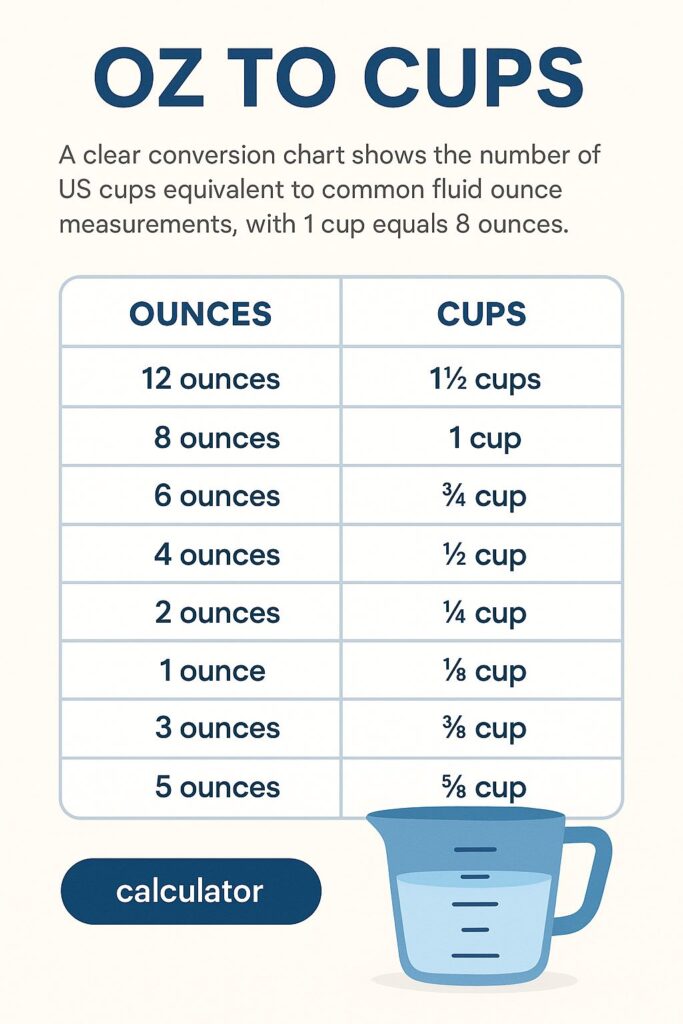
Brown sugar weighs about 220 grams per cup. Half a cup is 110 grams. One tablespoon weighs around 12.5 grams. These measures help convert cups to grams easily. Scales that show grams make baking simple. Using grams removes guesswork. It’s useful for following recipes from different countries.
Credit: www.lazada.sg
Tools For Accurate Measurement
Measuring brown sugar correctly is very important for baking and cooking. Using the right tools helps get the exact weight you need. This stops mistakes and makes your recipes turn out better. Two common tools help with accurate measurement: kitchen scales and measuring spoons or cups.
Kitchen Scales
Kitchen scales give the most exact measurement for brown sugar. They show weight in grams or ounces. This helps you avoid packing the sugar too tight or loose. Digital scales are easy to use and read. Just place a bowl on the scale and reset it to zero. Then add brown sugar until you reach the needed weight. This method is best for precise baking.
Measuring Spoons And Cups
Measuring spoons and cups work well for simple recipes. Use a spoon to scoop brown sugar into the cup. Press it down lightly to fill any air pockets. Level off the top with a flat edge. This gives a consistent amount for each cup. Though less exact than scales, these tools are quick and handy for everyday cooking.
Tips For Consistent Results
Getting the right weight for brown sugar matters in cooking and baking. Small changes affect taste and texture. Consistent results need simple, smart habits. These tips help keep brown sugar fresh and measured well every time.
Storing Brown Sugar Properly
Brown sugar can harden fast if not stored right. Keep it in an airtight container. Avoid air and moisture exposure. Store in a cool, dry place away from heat. A small piece of bread or a damp paper towel in the container keeps sugar soft. Replace it every few days to maintain moisture. Proper storage keeps brown sugar soft and easy to scoop.
Avoiding Common Measurement Mistakes
Measuring brown sugar by volume can lead to errors. Pack the sugar firmly into the measuring cup. Level off the top with a flat edge for an accurate amount. Avoid scooping sugar directly with the cup; this traps air and changes the weight. Use a kitchen scale for the best accuracy. Accurate measuring ensures recipes turn out as expected every time.

Credit: www.amazon.in
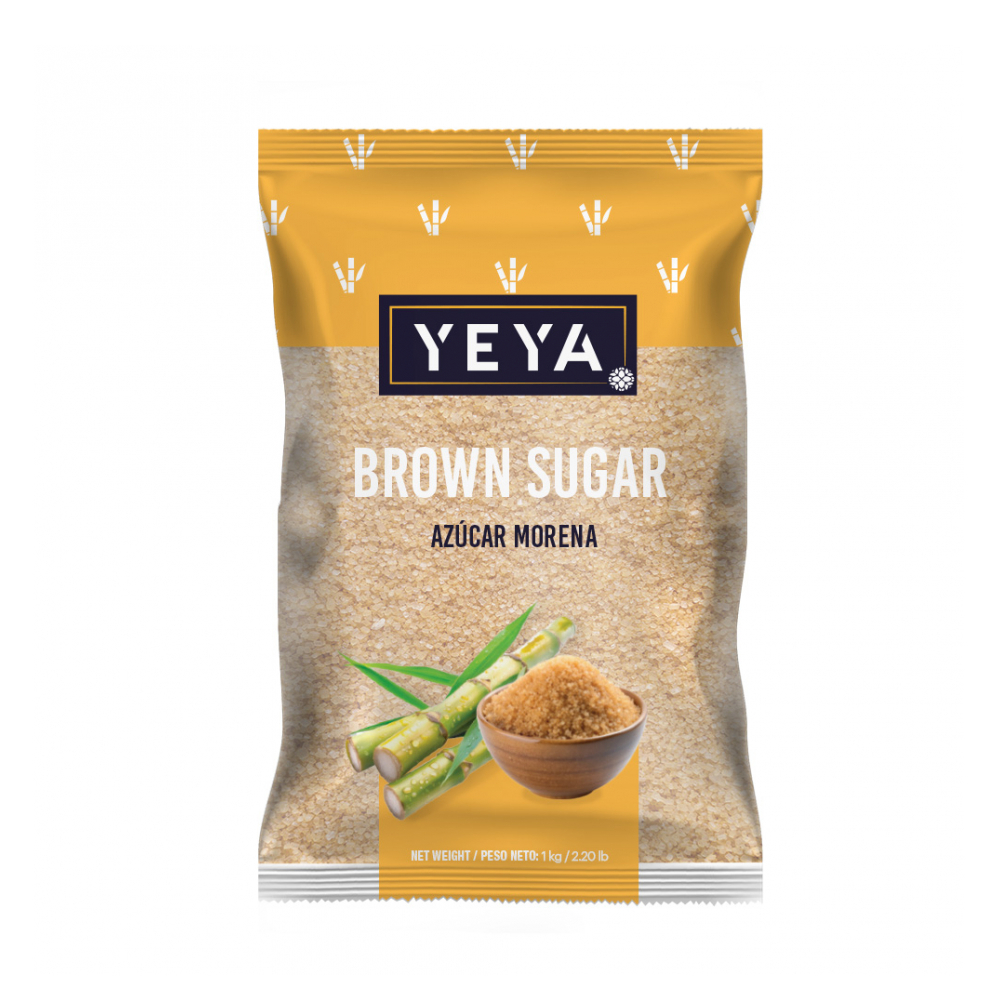
Credit: www.supermarket23.com
Frequently Asked Questions
What Is The Weight Of One Cup Of Brown Sugar?
One cup of packed brown sugar weighs approximately 220 grams or 7. 75 ounces. This measurement helps in accurate baking and cooking.
How Does Brown Sugar Weight Compare To White Sugar?
Brown sugar is denser and weighs slightly more than white sugar per cup. This affects recipe conversions and texture.
Why Is Brown Sugar Weight Important In Recipes?
Correct brown sugar weight ensures consistent sweetness and texture. Measuring by weight avoids variations caused by packing density.
Can You Substitute Brown Sugar By Weight In Recipes?
Yes, using weight ensures precise substitution. Brown sugar weight matches closely with white sugar for better results.
Conclusion
Brown sugar weight varies depending on moisture and packing. Always measure carefully for best cooking results. Knowing the exact weight helps keep recipes consistent. Store brown sugar properly to avoid clumps and weight changes. Use a kitchen scale for accuracy and ease.
Small differences in weight can change the taste or texture. Keep these tips in mind for better baking and cooking. Understanding brown sugar weight makes your kitchen work smoother. Simple steps lead to better meals every time.