Last Updated on August 19, 2026
Have you ever found yourself stuck in the kitchen, wondering exactly how many ounces are in a cup? Whether you’re baking a cake, mixing a sauce, or measuring ingredients for your favorite recipe, knowing this simple conversion can save you from frustration and ensure your dish turns out just right.
You’ll discover the easy way to convert cups to ounces, avoid common mistakes, and gain confidence in your cooking measurements. Keep reading—you’re about to unlock a kitchen tip that will make every recipe easier and more precise.
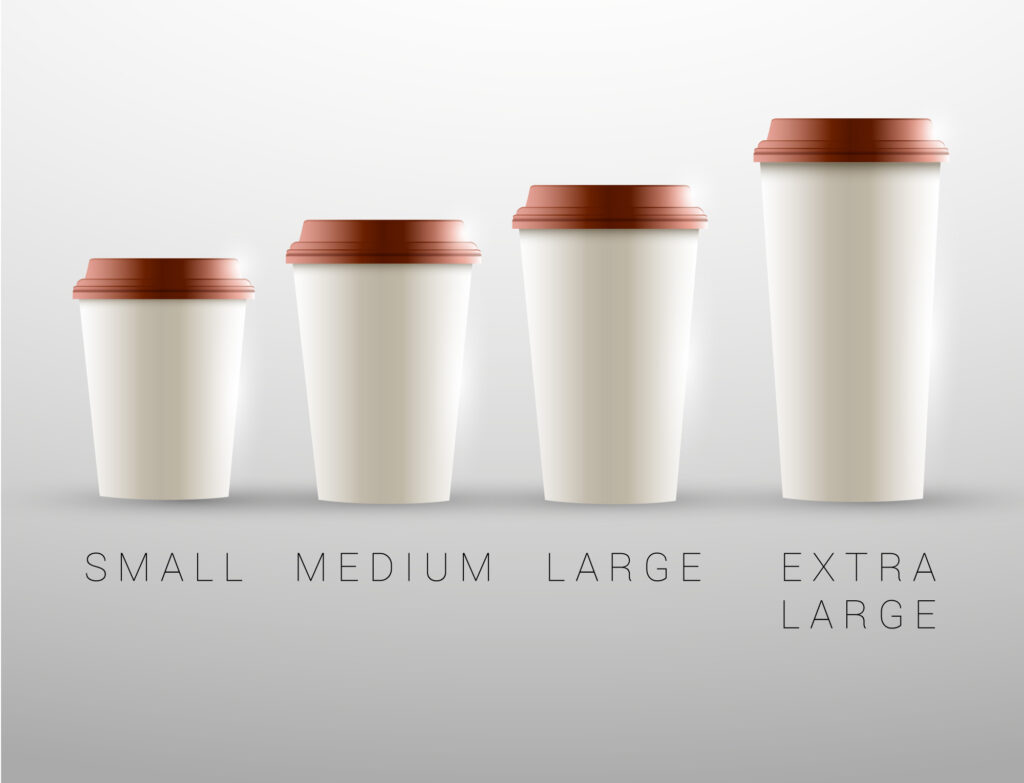
Credit: www.fusenpack.com
Cup To Ounce Basics
Understanding the basics of converting cups to ounces helps in cooking and baking. Recipes often list ingredients in cups, but some require ounces for accuracy. Knowing how many ounces make a cup prevents mistakes and improves results.
Standard Cup Measurements
A standard cup equals 8 fluid ounces in the US measurement system. This measurement applies mostly to liquids like water or milk. For dry ingredients, the weight in ounces can differ depending on the item.
In other countries, cup sizes may vary slightly. The US cup is the most common reference in recipes online.
Fluid Ounces Vs. Dry Ounces
Fluid ounces measure volume, not weight. They describe how much space a liquid takes up. Dry ounces measure weight, which depends on the ingredient’s density.
For example, 1 cup of flour does not weigh 8 ounces. It usually weighs about 4.5 ounces. This difference is important in baking and cooking accuracy.
Common Conversion Values
Understanding common cup-to-ounce conversions helps in cooking and baking. Different countries use different cup sizes. Knowing these values avoids mistakes in recipes.
Ounces In A Us Cup
A US cup holds 8 fluid ounces. This is the standard for most American recipes. It applies to both liquid and dry ingredients.
Ounces In A Metric Cup
The metric cup equals 8.45 fluid ounces. It is slightly larger than the US cup. Commonly used in Canada and Australia.
Ounces In A Uk Cup
A UK cup contains 10 fluid ounces. It is the largest among these common cups. Recipes from the UK often use this measurement.
Measuring Liquids
Measuring liquids accurately is important for cooking and baking. Using the right amount affects the taste and texture of food. Small mistakes can change the outcome of a recipe. Understanding how to measure liquids helps avoid these problems.
Liquids like water, milk, and oil need special tools to measure. Unlike dry ingredients, liquids take the shape of their container. This makes it hard to see the exact amount without proper methods.
Using Measuring Cups
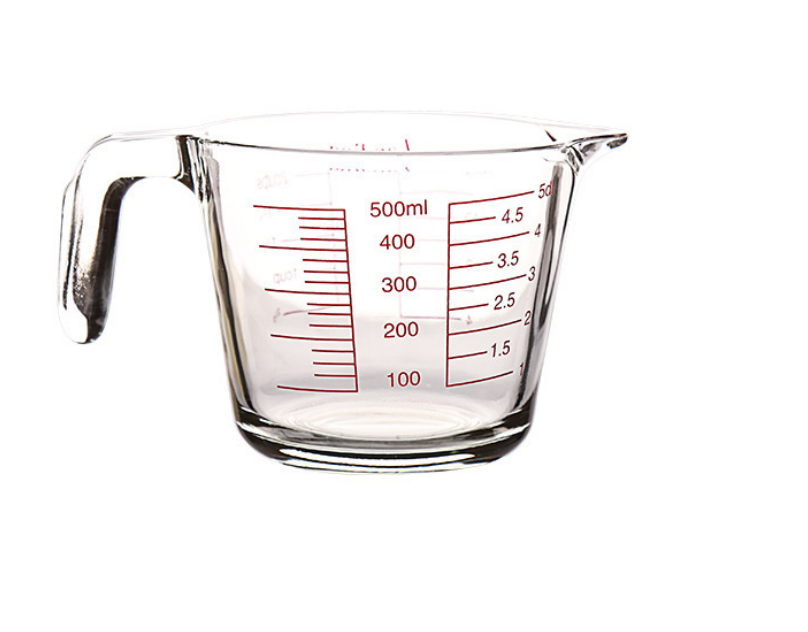
Measuring cups made for liquids are clear and have marks on the side. These marks show ounces, cups, and milliliters. Pour the liquid slowly to the desired mark. Place the cup on a flat surface for best results. Check the level at eye height to avoid mistakes.
Plastic or glass cups work well. Glass cups let you see the liquid better. Some cups have a spout for easy pouring. Use a liquid measuring cup instead of a dry one for liquids.
Tips For Accurate Liquid Measurement
Use a clean, dry measuring cup every time. Avoid filling above the top line to prevent spills. Pour liquids slowly to control the amount. Check measurement at eye level for accuracy.
Stir liquids like oil or honey before measuring. This ensures even consistency. Use a small cup for small amounts to avoid errors. Wipe spills before measuring again to keep tools clean.
Measuring Dry Ingredients
Measuring dry ingredients is a key part of cooking and baking. Using the right amount affects the taste and texture of your dish. Cups are common tools, but understanding how many ounces are in a cup helps you be precise.
Dry ingredients like flour, sugar, and oats have different weights even if the volume looks the same. Knowing the difference between weight and volume measurements makes your recipes work better.
Weight Vs. Volume Measurements
Volume measures space an ingredient fills, like cups or tablespoons. Weight measures how heavy the ingredient is, using ounces or grams. Weight is more accurate because dry ingredients pack differently in a cup.
For example, one cup of flour can weigh between 4.25 to 5 ounces. Scooping flour can pack it tighter or leave it loose. Weighing ingredients avoids this problem.
Adjusting For Ingredient Density
Density means how much an ingredient weighs in a set space. Heavy ingredients like brown sugar weigh more per cup than light ones like powdered sugar. Knowing density helps convert cups to ounces correctly.
Recipes that list ingredients by weight give the best results. If you only have measuring cups, remember to adjust for how dense your ingredient is. This keeps your cooking consistent every time.
Conversion Tools And Tips
Knowing how many ounces are in a cup helps in cooking and baking. Using the right tools makes conversions simple and quick. Here are some helpful tools and tips for accurate measurements.
Online Calculators
Online calculators convert cups to ounces instantly. Just enter the number of cups, and the tool shows the ounces. Many websites offer free calculators for common kitchen measurements. These tools save time and reduce errors.
Kitchen Scales
Kitchen scales measure ingredients by weight, not volume. This is useful for precise cooking and baking. Scales show the weight in ounces, grams, or pounds. Using a scale avoids confusion between liquid and dry measurements.
Conversion Charts
Conversion charts list common measurement equivalents. They show how many ounces are in different cup sizes. Charts are easy to print and keep in the kitchen. They help quickly check measurements without using devices.

Credit: parade.com
Common Cooking Scenarios
Understanding how many ounces are in a cup helps in many cooking situations. Recipes often list ingredients in cups, but some use ounces. Knowing the conversion makes cooking easier and more accurate. This section covers common cooking scenarios where this knowledge is useful.
Baking Recipes
Baking requires precise measurements. Flour, sugar, and butter often come in cups. Knowing that one cup equals 8 ounces helps avoid mistakes. This ensures the right texture and taste. Measuring by weight is more accurate than by volume in baking.
Sauces And Soups
Recipes for sauces and soups use cups for liquids. One cup usually means 8 fluid ounces. This helps keep the right balance of ingredients. Too much or too little liquid can change the dish. Measuring liquids carefully improves the final flavor.
Beverages
Beverages like coffee, tea, and juice are often measured in cups. One cup is equal to 8 ounces of liquid. This knowledge helps pour the perfect serving size. It also ensures consistency in taste and strength. Measuring drinks correctly makes a better experience.
Credit: thefapello.com.in
Frequently Asked Questions
How Many Ounces Are In A Standard Us Cup?
A standard US cup contains 8 fluid ounces. This measurement is used mainly for liquid ingredients in recipes. It’s important to use the correct cup size for accurate cooking and baking results.
Does A Cup Always Equal 8 Ounces In Weight?
No, the weight of a cup varies by ingredient. For example, a cup of flour weighs less than a cup of sugar. Fluid ounces measure volume, while ounces for weight differ based on the ingredient’s density.
How Many Ounces Are In A Metric Cup?
A metric cup equals 8. 45 fluid ounces. This is slightly larger than the US cup. Knowing the difference helps when following international recipes to ensure precise measurements.
Can I Use A Regular Cup For Measuring Ounces?
No, a regular drinking cup is not accurate for measuring ounces. Use a measuring cup designed for cooking to get precise fluid ounce measurements. Accuracy is key for recipe success.
Conclusion
Knowing how many ounces are in a cup helps in cooking and baking. A standard cup usually holds 8 ounces of liquid. Dry ingredients might weigh differently, so check recipes carefully. Using the right measurements keeps your dishes tasty and balanced.
Keep this simple fact in mind for easy, accurate cooking. It saves time and avoids mistakes in the kitchen. Now, you can measure with confidence every time you cook or bake.