Last Updated on August 20, 2026
Have you ever wondered how many milliliters (ml) are in 1 gram? It might seem simple, but the answer isn’t always straightforward.
Understanding this conversion can save you time and avoid mistakes, especially when cooking, measuring liquids, or working with chemicals. You’ll discover precisely how to convert grams to milliliters quickly and easily. Continue reading, as understanding this could significantly impact your daily tasks.
Table of Contents

Basics Of Milliliters And Grams
Understanding the basics of milliliters and grams helps in many daily tasks. Cooking, science, and medicine all use these units. Knowing what each unit measures is key to using them correctly. This section clearly explains the concepts of milliliters and grams. It also highlights their main differences.
Milliliters Defined
Milliliters measure volume. Volume means how much space a liquid takes up. One milliliter equals one-thousandth of a liter. This unit is small and useful for liquids. Water, milk, and juice are often measured in milliliters. Knowing milliliters is helpful for precise liquid measurements.
Grams Explained
Grams measure weight or mass. Mass means how heavy something is. One gram equals one-thousandth of a kilogram. This unit is standard for solids and powders. Sugar, flour, and salt are usually weighed in grams. Grams give a clear idea of how much something weighs.
Difference Between Volume And Weight
Volume and weight are not the same. Volume shows the space something fills. Weight indicates the heaviness of an object. Liquids use volume units like milliliters. Solids use weight units like grams. One gram does not always equal one milliliter. The type of substance changes the measure.
Why Conversion Matters
Understanding how many milliliters are in one gram is essential. It facilitates accurate measurements in various areas. This conversion is necessary because grams measure weight, while milliliters measure volume. Different substances have different densities. So, one gram of one liquid may not equal one milliliter. Knowing this helps avoid mistakes and ensures precise results.
Applications In Cooking
Cooking often requires both weight and volume measurements. Recipes may list ingredients in grams or milliliters. Converting grams to milliliters helps follow recipes exactly. It prevents the use of excessive or insufficient amounts of an ingredient. This is key for taste and texture. Accurate conversion keeps dishes consistent every time.
Importance In Science And Medicine
Science and medicine rely on precise measurements. Correct conversions ensure safety and effectiveness. Doctors need exact doses for medicines. Scientists measure liquids and solids in experiments to study their properties. Conversion mistakes can cause wrong results. Knowing how many milliliters equal one gram helps avoid errors.
Use In Everyday Life
Daily tasks often require simple conversions. Mixing cleaning solutions or watering plants needs the right amounts. Knowing how to convert grams to milliliters saves time and effort. It makes handling liquids and powders easier. This knowledge helps manage household activities smoothly.
Factors Affecting Conversion
Converting grams to milliliters is not always straightforward. The amount of milliliters in one gram can change. Several factors affect this conversion. Understanding these factors helps get accurate results.
Density’s Role
Density is the main factor in this conversion. It indicates the amount of mass that can be accommodated within a specific volume. Different substances have different densities. For example, water has a density of 1 gram per milliliter. This means 1 gram equals 1 milliliter for water. Oils and powders have different densities, so their volume for 1 gram changes.
Temperature Influence
Temperature affects density and volume. When the temperature rises, most liquids expand. This makes the volume larger for the same mass. Cold temperatures cause liquids to contract, reducing their volume. This means that 1 gram can occupy more or less space. Always consider temperature for precise conversions.
Substance Variability
Not all substances are pure or uniform in composition. Some contain mixtures or air bubbles. These factors change the density and volume relationship. Powdered substances may settle or pack differently. Liquids can have impurities or additives. The variability means that 1 gram might not always equal the same volume in milliliters.

Common Substance Conversions
Understanding how many milliliters (ml) are in one gram (g) depends on the substance. Different materials have different densities, so the conversion changes. This section explains common substance conversions to help you measure ingredients accurately. Knowing these values is helpful for cooking, baking, and science experiments.
Water
Water is the easiest to convert. One gram of water equals one milliliter. This is because water’s density is 1 gram per milliliter at room temperature. So, 1 g of water = 1 ml. This makes measuring liquids simple.
Oils
Oils are lighter than water. One gram of oil is about 1.1 milliliters. This varies slightly depending on the type of oil. For example, olive oil has a density of approximately 0.92 g/mL. Keep this in mind when measuring oil for recipes.
Flour
Flour is a powder, so its volume differs significantly from that of water. One gram of flour is about 1.9 milliliters. This number changes based on how packed the flour is. Lightly scooped flour weighs less per milliliter than packed flour.
Sugar
Sugar is denser than flour but less than water. One gram of granulated sugar is approximately equivalent to 1.2 milliliters. This helps when you need to convert sugar weight to volume for baking. Different sugars may have slightly different densities.
Methods To Convert Grams To Milliliters
Converting grams to milliliters can seem tricky because grams measure weight, and milliliters measure volume. Different substances have varying densities, making the conversion process not always straightforward. Several methods help make this conversion simple and accurate. Here are some common methods for converting grams to milliliters.
Using the Density Formula
The density formula is the most accurate method for determining density. Density equals mass divided by volume.
To find milliliters, rearrange the formula: Volume = Mass ÷ Density. You need to know the density of the substance in grams per milliliter.
For example, water’s density is 1 g/mL. So, 1 gram of water equals 1 milliliter. Other liquids, like oil or honey, have different densities and require specific values for conversion.
Conversion Tables
Conversion tables list common substances and their densities. These tables allow quick reference without calculation.
Find the substance on the table, then use the density value to convert grams to milliliters. This method is helpful for cooking, chemistry, and other daily tasks.
Tables often cover water, milk, oil, flour, and sugar. Keep a printed or digital copy handy for easy access.
Online Calculators And Tools
Online calculators simplify the conversion process. Enter the amount in grams and select the substance.
The tool uses stored density values to calculate milliliters instantly. This method saves time and reduces errors.
Many websites and apps offer free conversion tools. They are helpful for students, cooks, and professionals alike.
Tips For Accurate Measurement
Measuring ingredients accurately is crucial to achieving good results in cooking, baking, and science experiments. Small errors can change the outcome. Accurate measurement helps keep consistency and avoid mistakes. Follow these tips for precise measuring of grams and milliliters.
Choosing The Right Tools
Use tools designed for the ingredient type. A kitchen scale is most accurate for measuring grams; a measuring cup or syringe is more suitable for liquids in milliliters. Digital scales give more exact readings than manual ones. Pick tools with clear markings for easy reading.
Measuring Liquids Vs. Solids
Liquids need containers that show volume. Hold the container at eye level for an accurate read. Solids require weighing on a flat surface. Scoop or pour gently to avoid air gaps. Know the density to convert accurately from grams to milliliters.
Avoiding Common Mistakes
Do not guess measurements. Always zero your scale before use. Use the right measuring unit for the ingredient. Avoid packing powders too tightly. Clean tools after each use to prevent residue affecting weight or volume.
Practical Conversion Examples
Understanding how many milliliters (ml) are in one gram (g) is crucial for cooking and accurately measuring both liquids and solids. Different substances have different densities, so the conversion changes. Practical examples help you easily convert grams to milliliters.
Below are simple examples for common kitchen ingredients. These will help you measure with confidence and avoid mistakes.
Converting Water To Ml
Water is the easiest to convert. One gram of water equals one milliliter. This is because water has a density of 1 gram per milliliter. So, 1 g of water = 1 ml of water.
This means if a recipe calls for 100 grams of water, you can use 100 ml instead. Simple and direct.
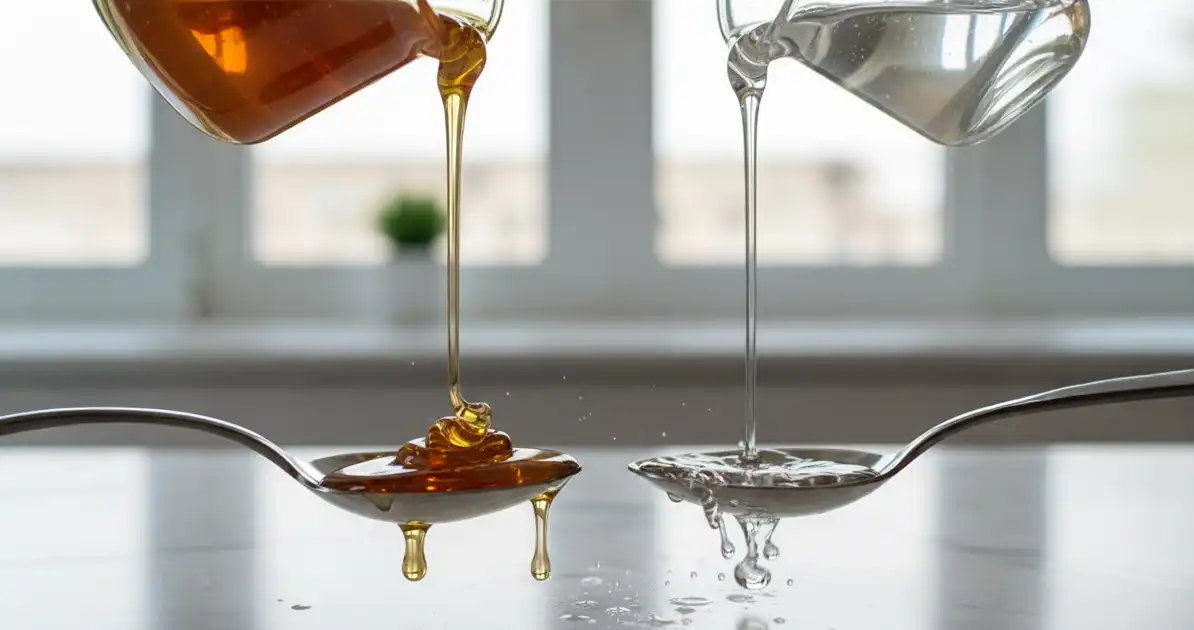
Converting Honey To Ml
Honey is thicker than water. Its density is about 1.42 grams per milliliter. To convert grams to milliliters, divide the grams by 1.42.
For example, 100 grams of honey equals about 70 ml (100 ÷ 1.42 = 70.4 ml). Use this to measure honey more accurately in recipes.
Converting Flour To Ml
Flour is a dry ingredient and its density varies. On average, 1 gram of flour is about 1.89 milliliters. This means flour is less dense than water.
If you have 100 grams of flour, it roughly equals 189 milliliters (100 × 1.89 = 189 ml). This helps when measuring flour by volume instead of weight.
Frequently Asked Questions
How Many Milliliters Equal One Gram?
The number of milliliters in one gram depends on the substance’s density. For water, 1 gram equals 1 milliliter. Different liquids vary due to density differences.
Can Grams And Milliliters Be Directly Converted?
No, grams and milliliters measure different properties. Grams measure weight, while milliliters measure volume. Conversion requires knowing the substance’s density.
Why Does 1 Gram Not Always Equal 1 Milliliter?
Because density varies by material, 1 gram does not always equal 1 milliliter. Denser substances occupy less volume per gram, altering the conversion.
How To Convert Grams To Milliliters Accurately?
To convert grams to milliliters accurately, divide the grams by the substance’s density (grams per milliliter). This gives the exact volume in milliliters.
Conclusion
Understanding the difference between milliliters and grams matters. One gram does not always equal one milliliter. It depends on the substance’s density. Water is simple: one gram equals one milliliter. Other materials can be heavier or lighter. Always check the item’s density before converting.
This helps in cooking, science, and daily tasks. Remember, knowing these basics saves time and prevents mistakes. Keep this in mind for accurate measurements every time.