Last Updated on August 21, 2026
Are you tired of dull knives and messy kitchen tools slowing you down? Graters and zesters are the secret weapons that can transform your cooking experience.
Whether you want to add fresh zest to your dishes or finely grate cheese and spices, these handy tools make your prep work faster and easier. Imagine effortlessly enhancing flavors and textures with just a simple twist or rub. Ready to discover how the right grater or zester can bring your recipes to life?
Keep reading, and you’ll unlock tips that make your kitchen work smarter, not harder.
Types Of Graters
Graters and zesters come in many types. Each type has a unique shape and use. Choosing the right one makes cooking easier. Understanding these types helps pick the best tool for your kitchen.
Box Graters
Box graters are the most common. They stand upright and have four sides. Each side has different-sized holes for coarse or fine grating. They work well for cheese, vegetables, and even chocolate. Their sturdy design makes grating safe and simple.
Microplane Graters
Microplane graters have thin, sharp blades. They create very fine shreds or zest. Perfect for citrus fruits like lemons and oranges. Also great for hard spices like nutmeg and ginger. Their slim shape fits easily in your hand.
Rotary Graters
Rotary graters have a handle you turn to grate food. Inside, a small drum with sharp edges does the work. Great for hard cheeses and nuts. They keep fingers safe and speed up grating tasks.
Flat Graters
Flat graters are simple metal plates with holes. They are lightweight and easy to clean. Good for quick tasks or small amounts of food. They fit nicely into drawers and take up little space.
Zester Varieties
Zesters come in different shapes and styles. Each type serves a special purpose in the kitchen. Understanding these varieties helps you pick the right one for your needs. Zesters are simple tools but can create big flavor changes in dishes. They grate citrus peels or hard spices finely. Below are the main types of zesters you will find.
Channel Zesters
Channel zesters cut thin strips of citrus peel. These strips are perfect for garnishing drinks and desserts. The tool has small, sharp holes that create long, narrow ribbons. It works best on lemons, limes, and oranges. Channel zesters are easy to use and clean. They do not grate the peel too finely, keeping natural oils intact.
Ribbon Zesters
Ribbon zesters produce wider, flat strips of zest. These ribbons add texture and strong aroma to dishes. They are ideal for decorating cakes or salads. Ribbon zesters have larger holes or blades compared to channel zesters. They remove more peel with less effort. The zest strips are easy to handle and look attractive on food.
Hole-pattern Zesters
Hole-pattern zesters create tiny bits of zest. These small pieces blend smoothly into recipes. The tool has many small holes arranged in a pattern. It works well for baking and cooking where zest must mix well. Hole-pattern zesters offer fine zest without including bitter white pith. They are great for adding subtle citrus flavor to sauces and batters.
Choosing The Right Tool
Choosing the right grater or zester can make cooking easier and more enjoyable. The right tool helps you add fresh flavors quickly. It also saves time and effort. Consider a few key factors before buying. These factors ensure your tool lasts and works well every time.
Material And Durability
Stainless steel is the best material for graters and zesters. It stays sharp longer and resists rust. Plastic parts may break or wear out quickly. Avoid tools with thin metal that bends easily. A solid build means your tool will last for years.
Handle Comfort
Choose a tool with a handle that fits your hand well. Soft, rubberized handles reduce slipping and improve grip. Hard plastic handles can feel uncomfortable during use. A comfortable handle helps you grate or zest without pain. This is important for long cooking sessions.
Ease Of Cleaning
Cleaning a grater or zester should be quick and simple. Look for tools that rinse clean easily under water. Tools with small holes or grooves can trap food and be hard to clean. Dishwasher-safe options save time and effort. Keeping your tool clean prevents bacteria build-up and keeps flavors fresh.
Using Graters Effectively
Using graters correctly makes cooking easier and safer. It helps you get the best texture and flavor from ingredients. Learning simple tips improves your grating experience. You can save time and avoid mistakes.
Proper Grip And Technique
Hold the grater firmly with one hand. Use your other hand to hold the food piece. Move the food up and down against the grater’s surface. Keep steady pressure but do not press too hard. Use the whole surface for even grating. Small, controlled strokes work best for safety and speed.
Safety Tips
Always watch your fingers near the grater’s sharp edges. Stop grating before the food gets too small. Use a protective glove or a food holder if available. Clean the grater carefully, using a brush to avoid cuts. Store the grater in a safe place to prevent accidents. Sharp tools need careful handling every time.
Maximizing Flavor Release
Grate ingredients finely to spread flavor evenly in dishes. Fresh zest from citrus fruits adds bright, strong aroma. Use firm, fresh vegetables and cheeses for best results. Grating releases oils and juices that enhance taste. Freshly grated spices bring more punch than ground powders. Always grate just before cooking or serving for freshness.
Zesting Tips For Flavor
Zesting adds bright, fresh flavor to many dishes. It uses the outer peel of citrus fruits. This part holds essential oils that are full of aroma. Using zest can lift the taste of desserts, drinks, and savory meals. Here are simple tips to get the best zest for your recipes.
Selecting Citrus Fruits
Choose fruits with firm, smooth skin. Fresh lemons, limes, and oranges work well. Avoid fruits with soft spots or wrinkles. Organic fruits are better to avoid pesticide residue. Bright-colored skin usually means more flavor in zest. Wash fruits thoroughly before zesting to remove dirt.
Avoiding The Pith
The white part under the skin is called pith. It tastes bitter and can ruin the dish. Use a fine grater or zester to remove only the colored peel. Light, gentle strokes help keep the pith away. Stop zesting when you see the white layer. This way, your zest stays sweet and fragrant.
Creative Culinary Uses
Sprinkle zest on salads for a fresh twist. Mix zest into yogurt or cream for a quick flavor boost. Add zest to baked goods like cakes and cookies. Stir zest into marinades for meat or fish. Use zest to decorate drinks and desserts. Small amounts can brighten many dishes with ease.

Credit: www.youtube.com
Maintenance And Care
Graters and zesters need regular care to work well and last longer. Proper maintenance keeps their blades sharp and safe. It also prevents rust and buildup of food bits. Simple habits can save time and keep your tools ready for use.
Cleaning Methods
Clean graters and zesters right after use. Rinse under warm water to remove food particles. Use a soft brush to clean small holes and blades. Avoid harsh scrubbing that may dull the blades. Dry completely with a towel to stop rust.
Storage Solutions
Store graters and zesters in a dry place. Keep them in a drawer or hang on a hook. Use blade covers if available to protect edges. Avoid stacking heavy items on top to prevent damage. Proper storage keeps tools safe and clean.
Sharpening And Replacement
Sharpen blades carefully to maintain cutting power. Use a sharpening stone or tool made for small blades. Replace the grater or zester if blades become dull or damaged. Dull tools make work harder and less safe. Regular checks help know when to sharpen or replace.
Recipes Enhanced By Graters And Zesters
Graters and zesters bring new flavors and textures to many dishes. They help create fresh and vibrant meals. These tools make cooking easier and more fun. Small touches from graters or zesters can change a recipe a lot.
Using a grater or zester can add fine details to food. These details improve taste and appearance. Chefs often use them to boost simple dishes. Let’s explore some recipes that benefit from these tools.
Cheese-based Dishes
Grated cheese melts evenly in soups and sauces. It adds creamy texture to pasta and pizza. Finely grated cheese works well for salads too. Use a grater to get fluffy cheese for topping. Freshly grated cheese tastes better than pre-shredded.
Citrus-infused Recipes
Zesting citrus adds bright, fresh flavor to recipes. Lemon or orange zest lifts cakes and cookies. Zest also enhances salad dressings and marinades. It brings a nice aroma to drinks and cocktails. A little zest goes a long way in flavor.
Spice And Herb Preparations
Graters help release oils and flavors from spices. Freshly grated nutmeg or ginger adds warmth to dishes. Zesting herbs like garlic or horseradish sharpens their taste. These fresh flavors make meals more exciting. Use graters to prepare spices just before cooking.
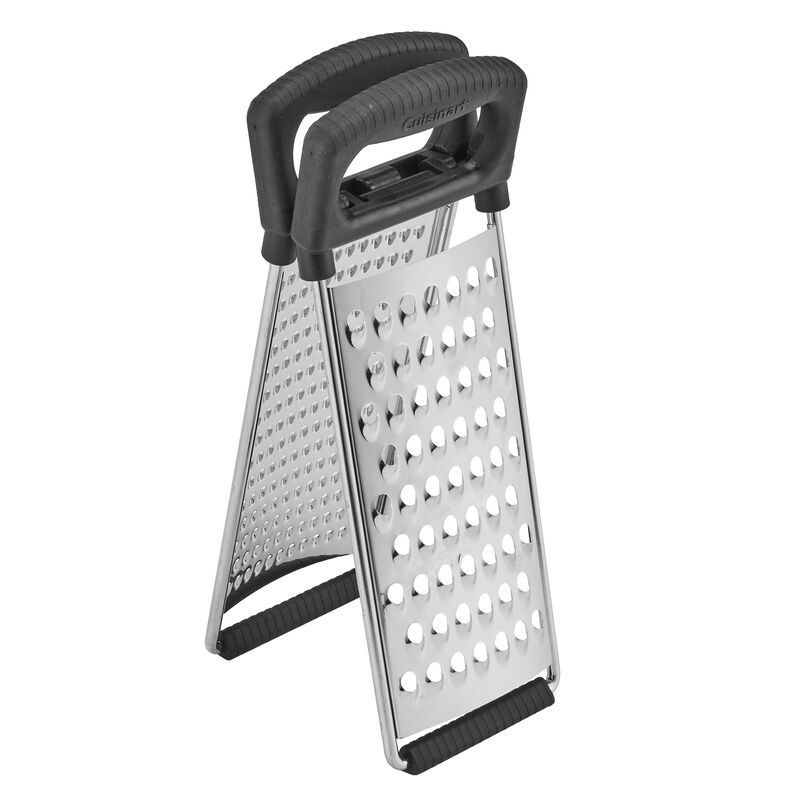
Credit: www.cuisinart.com
:max_bytes(150000):strip_icc()/Web_1500-SEA-Group-Shot-Rasp-Style-Grater-Irvin-Lin-Photo-01-4660-Irvin-cbf7c505fc3d4becb761103ccaf2cdde.jpg)
Credit: www.seriouseats.com
Frequently Asked Questions
What Is The Difference Between Graters And Zesters?
Graters have larger holes for shredding, while zesters create fine, thin strips. Zesters are ideal for citrus peels. Graters handle cheese, vegetables, and spices. Both tools add texture and flavor but serve distinct culinary purposes.
How Do I Choose The Best Grater Or Zester?
Select based on your cooking needs. Use a microplane zester for citrus and hard cheeses. Choose a box grater for versatility. Consider material quality, handle comfort, and ease of cleaning for long-term use.
Can Graters And Zesters Be Used Interchangeably?
They can, but results vary. Graters are better for shredding vegetables and cheese. Zesters excel at finely grating citrus peels and hard spices. Using the right tool enhances texture and flavor in dishes.
How To Clean Graters And Zesters Effectively?
Rinse immediately after use to prevent residue drying. Use a brush to remove stuck particles. Wash with warm, soapy water. Avoid abrasive cleaners to maintain sharpness. Dry thoroughly to prevent rust.
Conclusion
Graters and zesters make cooking easier and more fun. They add fresh flavors to your meals. Choosing the right tool helps you get the best results. Small kitchen tools can have a big impact. Try different types to see what suits you best.
Enjoy the simple joy of preparing food with care. A good grater or zester is a handy kitchen helper. Keep them clean and sharp for long use. Cooking becomes more creative with these useful tools.