Last Updated on August 22, 2026
Have you ever struggled to peel fruits or vegetables quickly and safely? If so, you’re not alone.
Peelers are simple tools that can make your kitchen tasks easier and faster. But what exactly are peelers, and how can they improve your cooking experience? Keep reading to discover everything you need to know about peelers and how choosing the right one can save you time and effort every day.
Types Of Peelers
Peelers come in different types to suit various kitchen needs. Each type has a unique design to handle specific peeling tasks. Choosing the right peeler can make cooking faster and easier.
Straight Peelers
Straight peelers have a blade that runs straight across the handle. They work well for peeling fruits and vegetables with smooth skins. Their simple design makes them easy to use and clean.
Y-peelers
Y-peelers have a blade shaped like the letter “Y.” They offer better control and comfort while peeling. These peelers are great for round or irregularly shaped produce.
Serrated Peelers
Serrated peelers have a blade with small teeth. They grip slippery or soft skins easily. These peelers are perfect for tomatoes, peaches, and other delicate fruits.
Julienne Peelers
Julienne peelers cut vegetables into thin strips. They are ideal for making salads or garnishes. This peeler adds a decorative touch to your dishes.
Materials And Design
Peelers come in many styles, but their materials and design shape how well they work. The right materials make peelers strong and sharp. Thoughtful design helps users peel easily and safely. Understanding these details helps you choose the best peeler for your kitchen.
Blade Materials
Blade quality affects how smoothly a peeler works. Stainless steel is common for its sharpness and rust resistance. Ceramic blades stay sharp longer and resist corrosion. Some peelers have carbon steel blades, which are very sharp but need careful cleaning to avoid rust. The blade’s material impacts durability and peeling ease.
Handle Materials
Handles come in plastic, wood, or metal. Plastic handles are light and easy to clean. Wood handles offer a natural feel and good grip but need more care. Metal handles last long and feel sturdy but can be slippery when wet. The handle material influences comfort and control during use.
Ergonomic Features
Ergonomic design reduces hand strain while peeling. Soft, non-slip grips prevent accidents. Curved handles fit the hand better for longer use. Some peelers have rotating blades to follow the vegetable’s shape. These features make peeling easier and safer for everyone.
Choosing The Right Peeler
Choosing the right peeler can make kitchen tasks easier and faster. A good peeler fits your needs and feels comfortable to use. It saves time and effort when preparing fruits and vegetables. Understanding your needs helps pick the best peeler for your kitchen.
Purpose And Frequency Of Use
Think about what you will peel most often. Some peelers work best for soft fruits like tomatoes. Others handle tough vegetables like carrots or potatoes. If you peel often, choose a strong and reliable peeler. For occasional use, a simple model may be enough.
Comfort And Grip
Peeling can take time. A comfortable handle reduces hand strain. Look for peelers with non-slip grips. Soft, rubbery handles feel good in the hand. A firm grip helps control the peeler safely. Comfort matters more during long peeling sessions.
Maintenance And Durability
A good peeler should last long and be easy to clean. Stainless steel blades resist rust and stay sharp. Some peelers can be washed in the dishwasher. Others need hand washing to keep blades sharp. Durable materials save money by avoiding frequent replacements.

Credit: en.wikipedia.org
Tips For Efficient Peeling
Peeling fruits and vegetables can be quick and easy. Using the right methods saves time and reduces waste. Follow these tips for efficient peeling that works well for beginners and pros alike.
Proper Technique
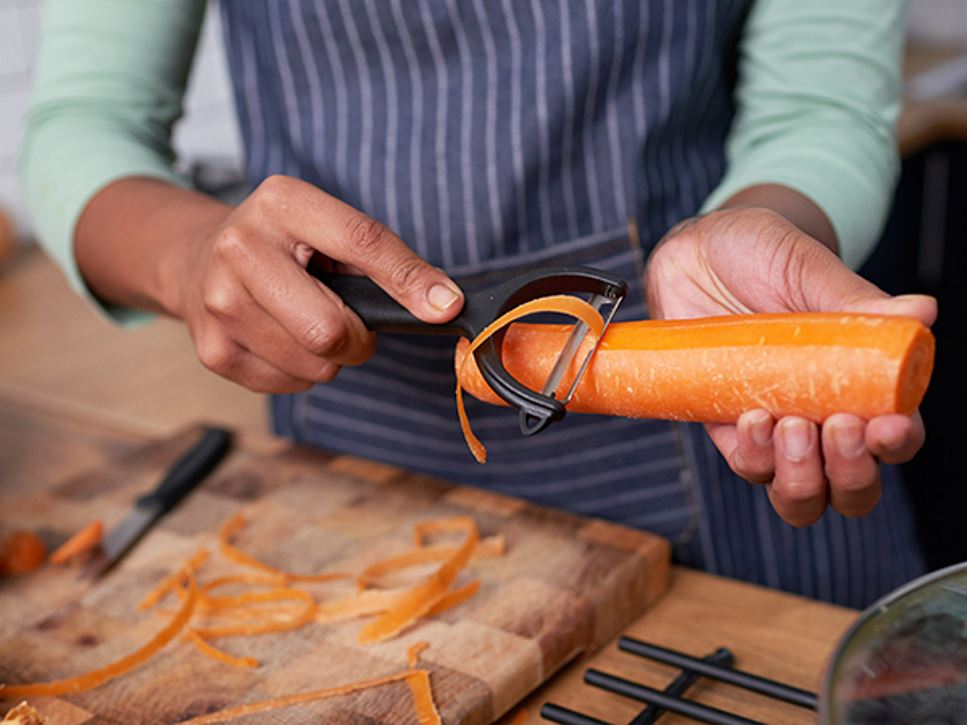
Hold the peeler firmly with your dominant hand. Keep the vegetable or fruit steady with the other hand. Peel away from your body in smooth, even strokes. Use light pressure to avoid peeling too deep. Rotate the item to reach all sides evenly.
Safety Precautions
Always peel on a clean, dry surface. Keep fingers clear of the blade path. Use a peeler with a sharp, well-maintained blade. Do not rush to prevent slips and cuts. Store peelers safely out of reach of children.
Maximizing Speed And Precision
Practice peeling in long, continuous motions. Use a swivel peeler for better control around curves. Remove large strips rather than small patches. Keep the peeler blade clean for smooth peeling. Focus on steady, consistent movements to improve speed.
Creative Uses Beyond Peeling
Peelers are not just for peeling fruits and vegetables. They have many creative uses in the kitchen that can make cooking easier and more fun. Using a peeler in different ways helps you prepare food faster and with less mess.
Making Vegetable Ribbons
Peelers create thin, long strips of vegetables like carrots, zucchini, or cucumbers. These ribbons look nice in salads or as a pasta substitute. They cook quickly and add a fresh texture to dishes. Vegetable ribbons also make meals colorful and more appealing.
Garnishing And Presentation
Use a peeler to make curls or thin slices of fruits and vegetables. These decorations improve the look of your plates. They add a professional touch to simple meals. Garnishes made with peelers are easy and fast to create.
Other Kitchen Tasks
Peelers can also help with tasks like slicing cheese or chocolate thinly. They work well for shaving butter to melt faster. Some peelers are good for scoring dough or cutting thin strips of herbs. This tool is useful beyond just removing skins.
:max_bytes(150000):strip_icc()/20231010-vegetablepeelers-06-e48cbdf984ca4872839920c01d1f8a79.JPG)
Credit: www.seriouseats.com
Credit: www.eatright.org
Frequently Asked Questions
What Are Peelers Used For In The Kitchen?
Peelers are kitchen tools designed to remove the outer skin of fruits and vegetables. They help prepare ingredients quickly and efficiently, saving time and effort. Peelers ensure a thin, even peel, reducing food waste and enhancing presentation.
How Do Different Types Of Peelers Work?
Different peelers use varied blade designs, like swivel, Y-shaped, or julienne blades. Each type suits specific peeling tasks, such as straight peeling, creating strips, or fine julienne cuts. Choosing the right peeler improves peeling ease and precision.
Why Choose A Peeler Over A Knife?
Peelers offer safer, faster peeling with less skill needed. They create thinner, more uniform peels than knives, reducing waste. Peelers minimize the risk of accidental cuts, making them ideal for everyday kitchen use.
Can Peelers Be Used For Fruits And Vegetables?
Yes, peelers work on many fruits and vegetables like potatoes, carrots, apples, and cucumbers. They handle both soft and firm skins effectively. Peelers help maintain the texture and quality of food during preparation.
Conclusion
Peelers help you remove skin from fruits and vegetables quickly. They come in different shapes and sizes for various tasks. Using a peeler saves time and effort in the kitchen. Choosing the right peeler makes cooking easier and safer. Keep your peeler clean to use it for a long time.
Now, you know what peelers are and why they matter. Try one next time you prepare food. Simple tool, big help.