Last Updated on August 22, 2026
Are you tired of struggling with dull knives and messy peeling when preparing carrots? A carrot peeler can change the way you cook, making the process faster, easier, and even enjoyable.
Imagine slicing through carrots effortlessly, saving time and keeping your hands clean. You’ll discover how the right carrot peeler can transform your kitchen routine and why it’s a tool you didn’t know you needed—until now. Keep reading to find out how to pick the best one for your needs and make your cooking smoother than ever.

Credit: www.amazon.com
Choosing The Right Peeler
Choosing the right carrot peeler makes peeling easier and faster. The right tool saves time and reduces waste. It also makes peeling safer and more comfortable. Consider the type, material, and design before buying. These factors affect performance and comfort.
Types Of Carrot Peelers
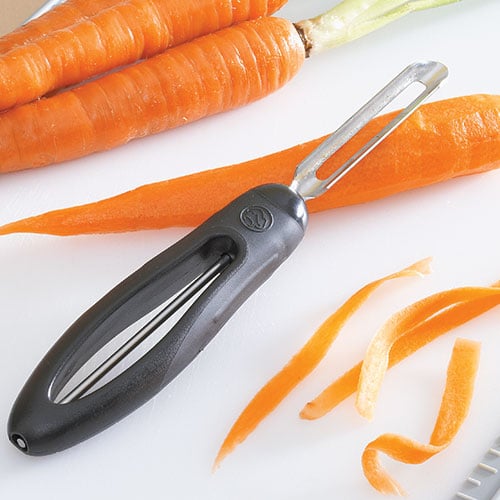
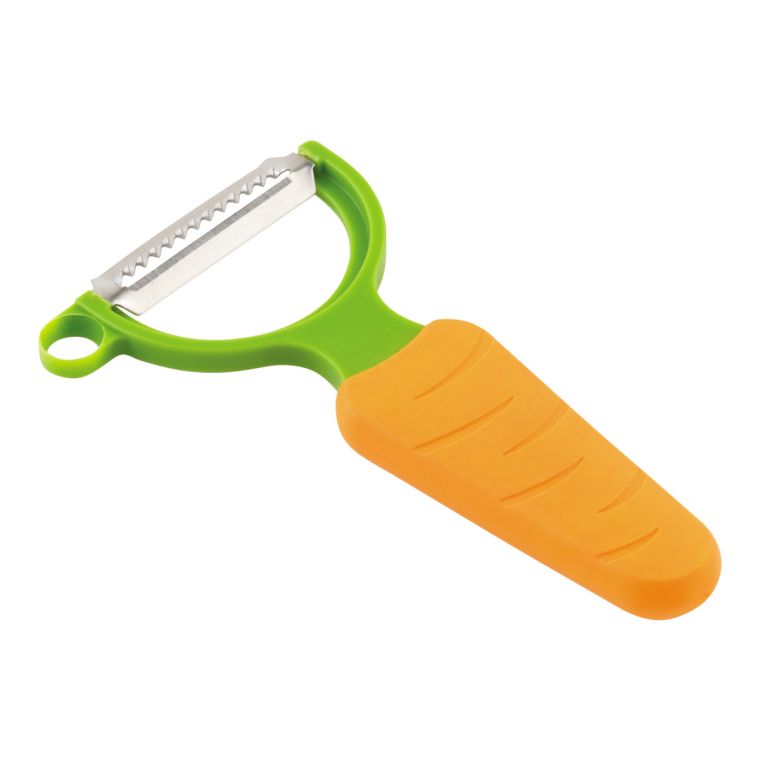
There are several types of carrot peelers. The most common are straight peelers and Y-shaped peelers. Straight peelers have a simple, straight blade. Y-shaped peelers have a horizontal blade with a handle like the letter Y. Some peelers come with serrated blades for soft skins. Others have swivel blades that move with the carrot’s shape. Choose a type that feels easy to use and suits your peeling style.
Material Matters
Peeler blades are usually made from stainless steel. Stainless steel resists rust and stays sharp longer. Handles can be plastic, wood, or metal. Plastic handles are lightweight and easy to clean. Wooden handles feel warm and natural but may need more care. Metal handles are durable but can feel cold. Pick materials that fit your needs and kitchen style.
Ergonomic Designs
Ergonomic peelers reduce hand strain during use. Look for peelers with soft, non-slip grips. These grips help you hold the peeler firmly. A comfortable handle fits well in your hand. Some peelers have curved handles to match hand shape. Good design means less effort and better control. Ergonomic peelers make peeling more pleasant, especially for frequent cooks.
Preparing Carrots For Peeling
Preparing carrots properly makes peeling easier and faster. Clean carrots help remove dirt and bacteria. Trimming the ends improves peeling and cooking quality.
Following simple steps before peeling keeps carrots fresh and safe to eat. It also gives better results with your carrot peeler.
Washing And Cleaning
Rinse carrots under cold running water. Use your hands or a vegetable brush to scrub the surface. This removes soil and debris stuck on the skin. Clean carrots prevent grit from sticking to the peeler. Dry them with a clean cloth or paper towel before peeling.
Trimming The Ends
Cut off both ends of the carrot with a sharp knife. Removing the stem end and tip helps the peeler glide smoothly. Trimming also removes any tough or dry parts. It creates a fresh surface for even peeling. Proper trimming saves time and reduces waste.
Techniques For Quick Peeling
Peeling carrots fast saves time and effort in the kitchen. With the right methods, you can peel carrots smoothly and quickly. Using proper techniques helps reduce waste and keeps your hands comfortable. Here are some simple tips to make peeling carrots easier and faster.
Proper Grip And Angle
Hold the carrot firmly but not too tight. Use your non-dominant hand to hold the carrot steady. Angle the peeler at about 45 degrees to the carrot’s surface. This angle lets the blade glide smoothly, removing the skin in thin strips. Keep your wrist relaxed for better control.
Peeling With Minimal Pressure
Apply just enough pressure to remove the skin, not the carrot flesh. Pressing too hard wastes carrot and tires your hand. Let the peeler do the work by moving it gently along the carrot. Smooth, light strokes speed up the peeling process and keep your carrot intact.
Using A Cutting Board
Place the carrot on a cutting board for stability. This setup prevents slipping and helps you peel quickly. Roll the carrot slowly as you peel to remove all sides evenly. Using a board reduces accidents and keeps your workspace clean.
Credit: www.pamperedchef.com
Maintaining Your Peeler
Maintaining your carrot peeler keeps it working well for a long time. A well-kept peeler saves time and effort during cooking. Simple care steps prevent dull blades and rust. Follow easy tips to keep your peeler sharp and clean.
Cleaning Tips
Rinse your peeler right after use to remove food bits. Use warm water and mild soap for cleaning. A soft brush helps clean hard-to-reach areas. Dry the peeler thoroughly to stop rust from forming. Avoid using abrasive sponges that can scratch the blade.
Sharpening Blades
Dull blades make peeling harder and unsafe. Use a small knife sharpener to keep the blade sharp. Sharpen gently along the blade’s edge in one direction. Test the blade on a carrot to check sharpness. Sharpen regularly to maintain smooth peeling.
Storage Suggestions
Store your peeler in a dry place to avoid moisture damage. Use a protective cover or blade guard if available. Keep it separate from other utensils to prevent blade damage. Hanging the peeler on a hook can save drawer space. Proper storage extends the peeler’s life and keeps it ready to use.
Alternative Tools For Peeling
Peeling carrots is simple with the right tool. While many use a traditional carrot peeler, other options work well too. These alternatives can help you peel quickly and safely. Some tools are easy to find at home. Others use electricity for fast peeling. Here are some common alternatives to the carrot peeler.
Using A Knife
A sharp knife can peel carrots effectively. Hold the carrot firmly and slice thin layers off the skin. This method needs care to avoid cuts. It works best for larger carrots or when you want to peel thick skin. A knife gives control over peeling thickness. It also doubles as a cutting tool after peeling.
Electric Peelers
Electric peelers save time and effort. They spin the carrot against a blade automatically. This tool is perfect for busy kitchens or large batches. Electric peelers reduce hand strain and speed up work. They offer consistent peeling with less waste. Make sure to follow safety tips when using electric peelers.
Vegetable Scrubbers
Vegetable scrubbers clean carrots without removing much flesh. They use rough bristles to scrub off dirt and thin skin. This method keeps more nutrients in the carrot. Scrubbers work well for organic carrots with thin skin. They require less skill and are gentle on the vegetable. After scrubbing, just rinse the carrot well before use.
Common Mistakes To Avoid
Using a carrot peeler seems easy, but many make common mistakes. These errors can cause accidents or damage the peeler. Avoiding them helps you peel carrots fast and safely. Pay attention to these tips for better results.
Applying Too Much Force
Pressing hard on the peeler does not speed up peeling. It can break the blade or slip and cause cuts. Use a gentle, steady motion to remove the skin. Let the sharp blade do the work.
Ignoring Safety
Carrot peelers are sharp tools. Holding the carrot or peeler carelessly can cause injuries. Always hold the carrot firmly and peel away from your hand. Keep your fingers clear of the blade at all times.
Skipping Peeler Maintenance
Dirty or dull blades make peeling harder. They also increase the risk of slipping. Clean the peeler after every use and dry it well. Sharpen or replace the blade when it becomes dull to keep it working well.
Creative Uses For Peelings
Carrot peelings often end up in the trash, but they have many uses. These thin strips hold flavor and nutrients. Using peelings creatively can reduce waste and add value to your kitchen and garden. Try these simple ideas to make the most of carrot peelings.
Cooking And Recipes
Carrot peelings add a fresh taste to many dishes. Use them in soups to boost flavor. They cook quickly and add color. Toss peelings in salads for a crunchy texture. Blend them into smoothies for extra vitamins. Dry peelings and grind into powder for seasoning.
Composting Ideas
Carrot peelings are excellent for compost bins. They break down fast and enrich soil. Mix peelings with other vegetable scraps to balance compost. Avoid adding too many peelings at once. Compost helps plants grow strong and healthy.
Craft Projects
Carrot peelings inspire simple, fun crafts. Use peelings to make natural dyes for fabric. Press peelings to create textured art on paper. Children enjoy making shapes and patterns. These projects use kitchen scraps and spark creativity.
Credit: kuhnrikon.com
Frequently Asked Questions
What Is The Best Carrot Peeler For Home Use?
The best carrot peeler is sharp, ergonomic, and durable. Stainless steel blades and a comfortable handle improve peeling efficiency. Choose a peeler with easy cleaning features for convenience. This ensures faster, safer, and smoother peeling for everyday kitchen tasks.
How Do You Use A Carrot Peeler Safely?
Hold the carrot firmly and peel away from your body. Use gentle, steady strokes to avoid slipping. Keep fingers clear of the blade. Always peel on a stable surface to prevent accidents. Proper technique ensures safe and efficient peeling every time.
Can A Carrot Peeler Be Used For Other Vegetables?
Yes, carrot peelers work well on potatoes, cucumbers, and zucchinis. Their sharp blades remove skins quickly and smoothly. This tool is versatile, saving time and effort in the kitchen. Using one peeler for multiple vegetables is practical and efficient.
How To Clean And Maintain A Carrot Peeler?
Rinse the peeler immediately after use to prevent residue buildup. Use mild soap and warm water for thorough cleaning. Dry completely to avoid rust, especially on metal blades. Regular maintenance extends the peeler’s lifespan and keeps it performing optimally.
Conclusion
A carrot peeler makes cooking easier and faster. It removes skin smoothly without wasting vegetables. Using a good peeler saves time and effort in the kitchen. It also helps keep your hands safe from cuts. Choose a peeler that feels comfortable to hold.
Simple tools like this bring big help every day. Try one and enjoy peeling carrots with less hassle. Small changes can improve your cooking routine a lot.