Last Updated on August 23, 2026
Have you ever reached for a spoon while cooking and wondered if you’re using the right one? The truth is, not all cooking spoons are the same.
Each type has a special purpose that can make your cooking easier, faster, and even more enjoyable. Knowing which spoon to use can improve your dishes and save you time in the kitchen. Keep reading to discover the different types of cooking spoons and how they can transform your cooking experience.
Your next favorite kitchen tool might be just a spoon away!
Common Spoon Materials
Cooking spoons come in many materials. Each type has its own benefits and uses. Choosing the right spoon helps in cooking better and safer. The common materials are wood, metal, silicone, and plastic. These materials affect the spoon’s durability, heat resistance, and comfort.
Understanding these materials helps pick the best spoon for your kitchen tasks. Let’s explore each material in detail.
Wooden Spoons
Wooden spoons are classic and popular in many kitchens. They do not scratch pots or pans. Wood does not conduct heat, so handles stay cool. These spoons are gentle on non-stick cookware. They absorb flavors and liquids but dry quickly. Wooden spoons last long with proper care. Avoid soaking them in water for too long.
Metal Spoons
Metal spoons are strong and durable. They handle high heat without damage. Stainless steel is the most common metal for spoons. Metal spoons clean easily and do not absorb smells. They can scratch non-stick surfaces, so use carefully. Metal spoons are great for stirring thick mixtures. Their solid feel gives good control during cooking.
Silicone Spoons
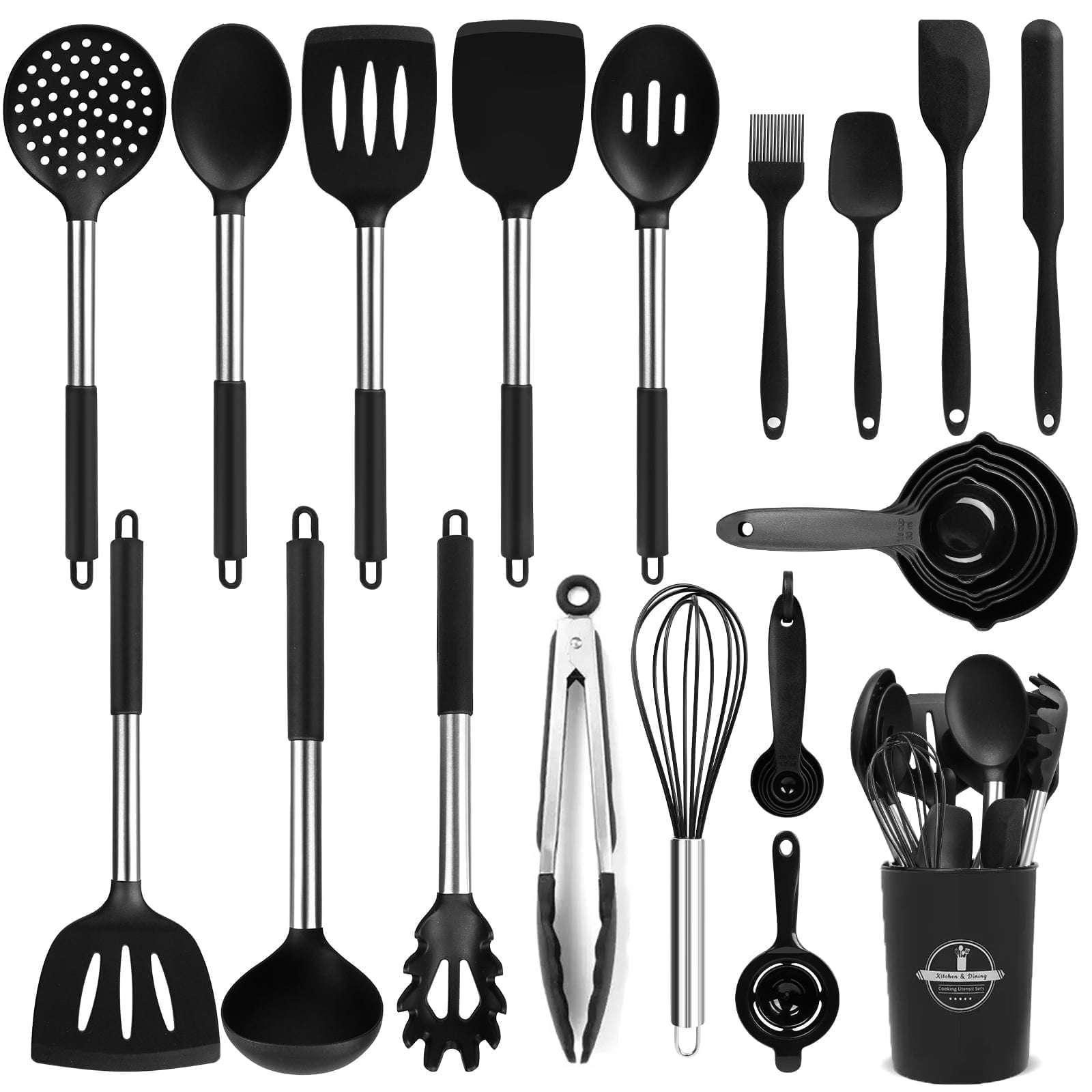
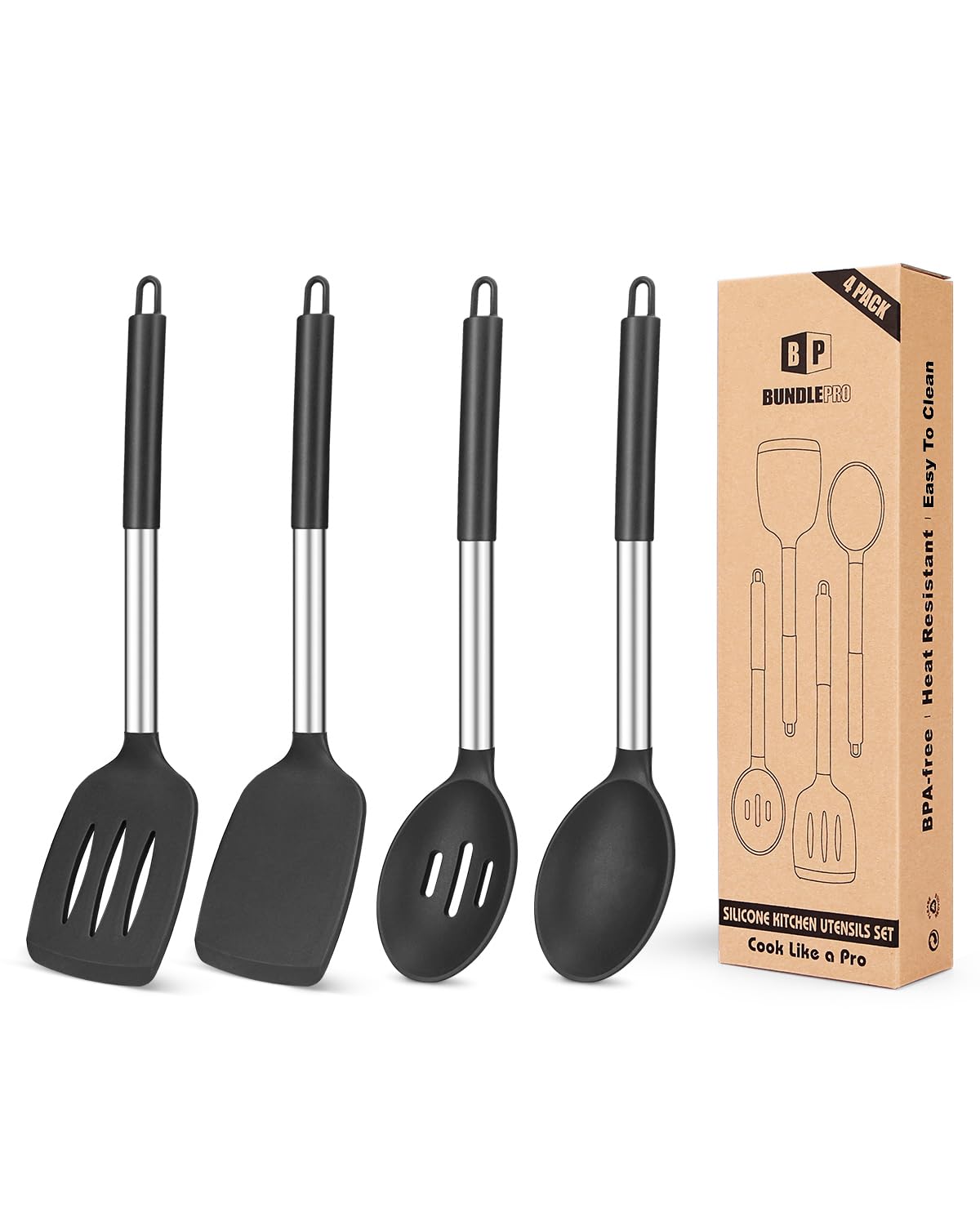
Silicone spoons are flexible and heat resistant. They can withstand temperatures up to 600°F (315°C). Silicone spoons are safe for all cookware types, including non-stick. They do not scratch surfaces or melt easily. These spoons are easy to clean and dishwasher safe. Silicone spoons come in many colors and designs. They are lightweight and comfortable to hold.
Plastic Spoons
Plastic spoons are affordable and lightweight. They come in various sizes and shapes. Plastic spoons are good for light cooking and serving. Avoid using plastic spoons with high heat. Some plastics can melt or release harmful chemicals. Choose BPA-free plastic spoons for safer use. They are easy to clean but may wear out faster than other materials.

Credit: salter.com
Varieties By Cooking Purpose
Cooking spoons come in many shapes and sizes. Each type serves a special purpose in the kitchen. Choosing the right spoon helps cook food better and easier. This section explains the main varieties by cooking purpose.
Stirring Spoons
Stirring spoons are the most common type. They mix ingredients smoothly without scratching pots. These spoons usually have long handles and flat or rounded heads. They keep food moving and prevent burning during cooking.
Serving Spoons
Serving spoons are made to transfer food from pot to plate. They often have wider and deeper heads. This shape holds more food for easy serving. They come in metal, wood, or plastic materials.
Slotted Spoons
Slotted spoons have holes or slots in the head. They drain liquids while lifting food. Perfect for removing vegetables from boiling water or fried foods from oil. They help keep food crisp and less soggy.
Ladles
Ladles have deep, bowl-shaped heads with long handles. They serve soups, stews, and sauces easily. Their design holds a good amount of liquid at once. Ladles make portioning liquids simple and neat.
Specialty Spoons
Specialty spoons are designed for specific cooking tasks. They help make cooking easier and more precise. These spoons come in different shapes and sizes. Each spoon serves a unique purpose in the kitchen.
Tasting Spoons
Tasting spoons are small and shallow. They help chefs check flavors during cooking. Using a tasting spoon keeps the food clean. It stops cross-contamination of ingredients. They are usually made of stainless steel or wood.
Sauce Spoons
Sauce spoons have a deep bowl and long handle. They help serve and stir sauces smoothly. The deep bowl holds liquid well. This spoon prevents spills and drips. It is perfect for thick or thin sauces.
Rice Spoons
Rice spoons have a wide, flat surface. They prevent rice from sticking while serving. The shape makes it easy to scoop rice. They are often made from plastic or wood. Rice spoons keep grains fluffy and separate.
Choosing The Right Spoon
Choosing the right cooking spoon makes a big difference in the kitchen. Each type of spoon suits different tasks and materials. Picking one that fits your needs helps you cook safely and easily. Consider key factors before buying or using a spoon.
Heat Resistance
Check how much heat the spoon can handle. Some spoons melt or warp with high heat. Wooden and silicone spoons resist heat well. Metal spoons get hot fast and may burn your hand. Choose a spoon that works with your cooking temperature.
Durability
Strong spoons last longer and save money. Metal spoons resist breaking but can scratch cookware. Wooden spoons may crack over time if not cared for. Silicone spoons bend but stay intact. Pick a spoon that holds up to your cooking style.
Ease Of Cleaning
Spoons that clean easily save time. Smooth surfaces like metal or silicone wash quickly. Wooden spoons absorb food and need hand washing. Avoid spoons with many grooves or rough textures. Simple designs keep your kitchen tasks quick.
Ergonomics
Comfort matters during long cooking sessions. A spoon with a good grip stops slipping. Look for handles that fit your hand well. Lightweight spoons reduce hand strain. Choose spoons that feel natural and easy to use.
Care And Maintenance Tips
Proper care and maintenance keep cooking spoons in good shape. This helps spoons last longer and work better. Cleaning, storing, and handling spoons the right way prevents damage. Follow these simple tips to protect your cooking tools.
Cleaning Methods
Wash spoons soon after use to avoid stains. Use warm water and mild soap for cleaning. Avoid harsh detergents that can harm spoon surfaces. Wooden spoons need gentle scrubbing with a soft brush. Rinse well and dry spoons with a clean cloth. Dishwashers can damage wooden and delicate spoons. Hand washing is best to keep spoons safe.
Storage Ideas
Store spoons in a dry place to stop mold and bacteria. Use a spoon holder or drawer organizer to keep them tidy. Avoid piling spoons on top of each other to prevent scratches. Hang spoons with holes in handles for easy access. Keep wooden spoons away from heat sources to avoid cracking. Proper storage keeps spoons ready for your next meal.
Avoiding Damage
Do not leave spoons soaking in water for a long time. Avoid using spoons on very hot surfaces to prevent warping. Never cut or use spoons as tools to open cans. Wooden spoons should be oiled occasionally to keep them smooth. Check spoons regularly for cracks or splinters. Replace spoons if they show signs of wear to stay safe.
Credit: www.walmart.com
Credit: www.amazon.com
Frequently Asked Questions
What Are The Main Types Of Cooking Spoons?
Common types include wooden spoons, slotted spoons, ladles, and stirring spoons. Each serves specific cooking tasks like stirring, serving, or draining.
How Do Wooden Spoons Differ From Metal Spoons?
Wooden spoons are gentle on cookware and non-reactive with food. Metal spoons are durable and better for high-heat cooking but may scratch non-stick surfaces.
When Should I Use A Slotted Spoon?
Use a slotted spoon to lift and drain foods from liquids. It’s perfect for serving vegetables, pasta, or fried items without excess liquid.
Why Choose A Ladle In The Kitchen?
Ladles are ideal for serving soups, stews, and sauces. Their deep bowl shape helps portion liquids efficiently and cleanly.
Conclusion
Choosing the right cooking spoon makes a big difference in cooking. Each spoon has a special job in the kitchen. Wooden spoons are great for stirring hot food. Slotted spoons help drain liquids easily. Ladles serve soups and sauces perfectly.
Knowing these spoons helps you cook better and faster. Keep a variety of spoons handy for different tasks. A good spoon can make cooking easier and more fun. Try using different spoons to see what works best for you. Simple tools can bring great results in your cooking.