Last Updated on August 26, 2026
Are you worried about the harmful chemicals in your drinking water? You might have heard about PFAS, a group of toxic substances that can affect your health.
If you’re using a RO filter at home, you’re probably wondering: Does a RO filter remove PFAS? Knowing the answer can help you protect your family and feel confident about the water you drink every day. Keep reading, and you’ll discover how effective RO filters really are against PFAS, and what steps you can take to ensure your water is safe.
What Are Pfas Chemicals
PFAS chemicals are man-made substances used in many products. They resist heat, water, and oil. Because of these traits, industries use PFAS in manufacturing. These chemicals do not break down easily. They can stay in the environment for a long time. This makes them a concern for health and safety.
Common Sources Of Pfas
PFAS appear in everyday items. Non-stick cookware often contains these chemicals. Water-repellent clothing uses PFAS for durability. Food packaging like microwave popcorn bags also has PFAS. Firefighting foams are another major source. These chemicals can seep into soil and water. This leads to wider environmental spread.
Health Risks Linked To Pfas
Exposure to PFAS may cause health problems. Studies suggest links to cancer and hormone disruption. Immune system effects are also possible. Some people may experience high cholesterol from PFAS. Pregnant women face risks to their babies. Long-term exposure raises the chance of disease. Understanding these risks helps in making safer choices.
How Ro Filters Work
Understanding how a reverse osmosis (RO) filter works helps clarify its role in removing contaminants. RO systems use a special membrane that blocks many impurities, including PFAS. This process makes water cleaner and safer to drink.
Key Components Of Ro Systems
An RO system has several main parts. First, a pre-filter removes larger particles like dirt and rust. Next is the RO membrane, which filters out tiny contaminants. A post-filter can polish the water for better taste. Finally, a storage tank holds the clean water until use.
Filtration Process Explained
Water first passes through the pre-filter to catch big particles. Then, it moves under pressure through the RO membrane. This membrane blocks PFAS and other small chemicals. Clean water goes to the storage tank. Wastewater carries away the filtered contaminants. The post-filter improves the water taste before it reaches the tap.
Ro Filters And Pfas Removal
RO filters are popular for cleaning water. They use a special membrane to remove many harmful substances. PFAS, or per- and polyfluoroalkyl substances, are chemicals found in water. These chemicals are hard to remove. RO filters can reduce PFAS in drinking water. Understanding how well they work helps people choose the right filter.
Effectiveness Of Ro Against Pfas
RO filters block tiny particles and chemicals. Their membrane has very small pores. These pores stop PFAS molecules from passing through. Studies show RO systems can remove over 90% of PFAS. This makes RO one of the best options for PFAS removal. It also removes other contaminants like lead and arsenic. Clean water is safer to drink and cook with.
Limitations Of Ro Filtration
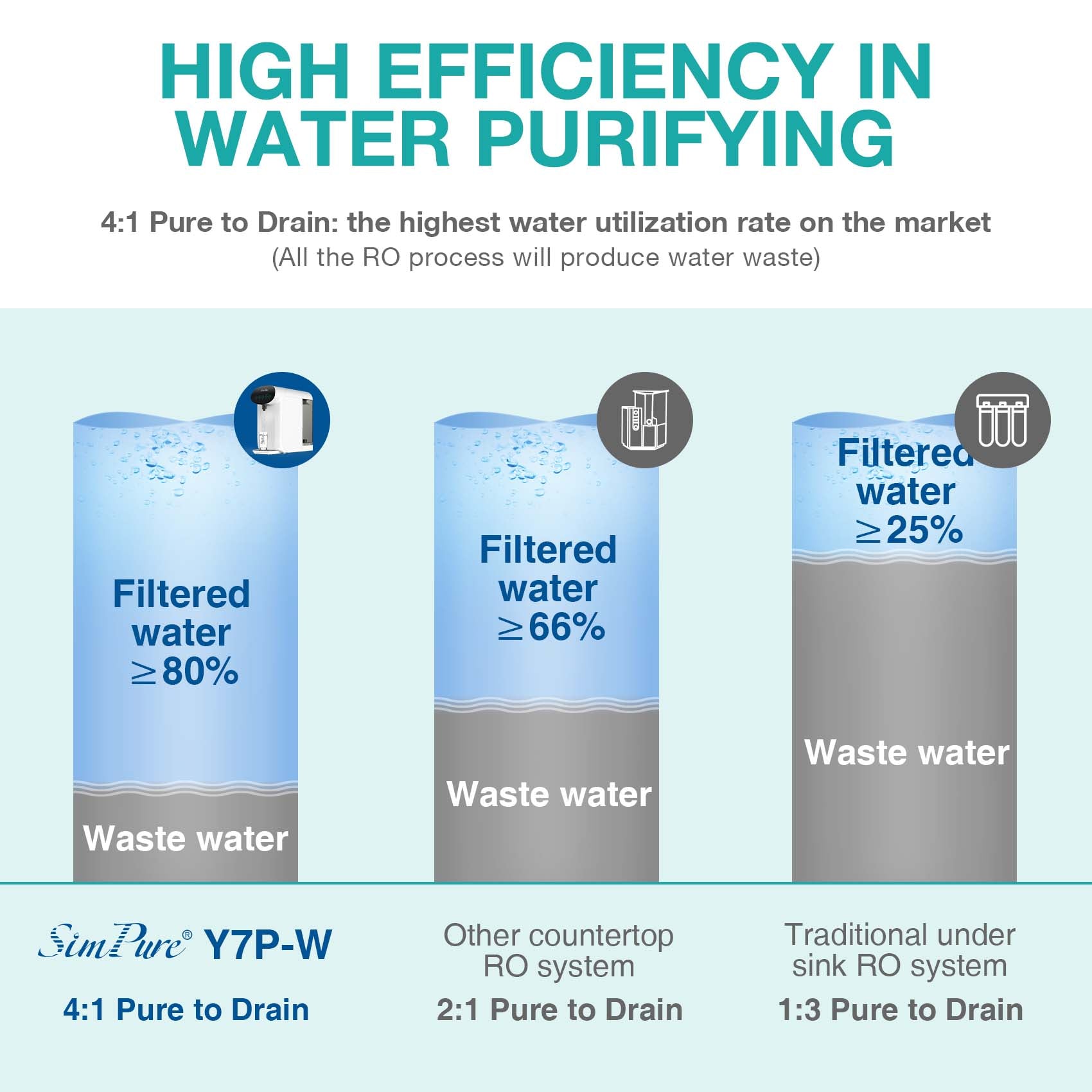
RO filters do not remove 100% of PFAS. Some small molecules may pass through the membrane. Filters need regular maintenance to work well. If not cleaned or replaced, effectiveness drops. RO systems waste some water during filtration. They also remove minerals that are good for health. Users may need to add minerals back to the water. RO filters are not the only solution but are very helpful.

Credit: www.niehs.nih.gov
Comparing Ro With Other Filters
Comparing reverse osmosis (RO) systems with other water filters helps understand their effectiveness against PFAS. PFAS, or per- and polyfluoroalkyl substances, are harmful chemicals found in water. Different filters remove these contaminants in different ways. Some filters work better for certain chemicals than others. Let’s explore how RO compares with other common filters.
Activated Carbon Filters
Activated carbon filters trap many chemicals by adsorption. They work well for chlorine and some organic compounds. These filters reduce taste and odor issues in water. However, their effectiveness against PFAS varies. Some PFAS types pass through activated carbon. The filter’s lifespan also affects PFAS removal. Once saturated, it stops working well. Regular replacement is necessary to keep it effective.
Ion Exchange Systems
Ion exchange systems swap harmful ions with safer ones. They are good at removing heavy metals and hardness. Ion exchange can reduce some PFAS compounds. The process depends on the resin type used. Resins designed for PFAS removal work better. Like carbon filters, these need regular maintenance. Their efficiency drops if not cleaned or replaced on time. Ion exchange systems work well but may not catch all PFAS.
Testing And Certification Standards
Testing and certification standards ensure that RO filters effectively remove PFAS chemicals. These standards show if a product is safe and reliable. They help buyers trust the filter’s ability to clean water.
Important Certifications To Look For
Look for certifications from recognized bodies. NSF International certifies water filters for PFAS removal. The EPA also provides guidelines on testing methods. Certifications prove the filter meets strict quality rules. Check for NSF/ANSI Standard 53 or 58 for PFAS claims.
How To Verify Pfas Removal Claims
Check the product label for test results and certifications. Visit the certifying body’s website to confirm the filter’s status. Independent lab tests offer trustworthy proof of PFAS removal. Avoid products without clear testing information. Verified claims protect your health and ensure clean water.

Credit: mytapscore.com
Maintaining Ro Filters For Best Results
Maintaining your Reverse Osmosis (RO) filter ensures it works well against contaminants like PFAS. Regular care keeps water clean and safe. Proper upkeep also extends the filter’s life and saves money on repairs or replacements.
Simple steps can keep your RO system in top shape. Checking parts and changing filters on time helps maintain water quality. A well-maintained RO system continues to remove harmful chemicals effectively.
Replacement Frequency
RO filters need changing regularly. Most manufacturers suggest replacing filters every 6 to 12 months. The exact time depends on water use and quality. Old filters lose their ability to remove PFAS and other pollutants. Timely replacement keeps your water pure and fresh.
Signs Of Reduced Efficiency
Watch for changes in water taste or smell. Cloudy or strange-smelling water may mean the filter is clogged. A drop in water flow can also signal a problem. Testing your water for contaminants helps detect reduced filter performance. Reacting quickly keeps your RO system working well.
Cost And Installation Considerations
Understanding the cost and installation factors helps in choosing the right RO filter for PFAS removal. These filters can vary in price and setup needs. Knowing these details avoids surprises later.
Initial Investment And Running Costs
RO filters that remove PFAS usually cost more than standard filters. Prices depend on brand, capacity, and filter quality. Initial costs include buying the system and any extra parts.
Running costs involve replacing filters regularly. These replacements keep the system effective against PFAS. Energy use for some units adds to monthly expenses. Budgeting for these helps manage long-term costs.
Professional Vs. Diy Installation
Professional installation ensures the system works correctly. Experts can handle plumbing and electrical needs safely. This service costs extra but saves time and stress.
DIY installation saves money upfront. Some models come with easy setup guides. Basic tools and skills are needed. Mistakes during installation can reduce filter performance. Choose based on confidence and skill level.
Credit: www.simpurelife.com
Frequently Asked Questions
Does Ro Filter Remove Pfas From Water?
Yes, RO filters effectively remove PFAS contaminants from water by using a semi-permeable membrane. This membrane blocks PFAS molecules, ensuring cleaner and safer drinking water.
How Efficient Is Ro Filtration Against Pfas?
RO filtration can remove up to 95-99% of PFAS compounds. This high efficiency makes it one of the best options for reducing PFAS levels in water.
Can Ro Filters Remove All Types Of Pfas?
RO filters remove most common PFAS types, but some long-chain variants may be less effectively removed. Complementary treatments may improve overall PFAS reduction.
Is Ro Filtered Water Safe From Pfas Health Risks?
Yes, RO filtration significantly reduces PFAS, lowering health risks linked to these chemicals. It provides safer drinking water compared to untreated sources.
Conclusion
Reverse osmosis filters do remove many PFAS chemicals effectively. They push water through a tight membrane, blocking harmful substances. This process helps reduce PFAS levels in drinking water. Still, not all filters work the same way or remove all contaminants.
Choosing a certified RO system ensures better protection. Regular maintenance keeps the filter working well. Clean, safer water supports health every day. Consider testing your water to know what’s inside. Clear information helps you make the best choice for your home.