Last Updated on August 26, 2026
Are you curious about how a 5 Stage RO System works to give you clean, pure water? Understanding the diagram behind this system can help you see exactly how each stage plays a vital role in removing impurities.
Whether you want to improve your health or save money on bottled water, knowing the process is key. You’ll discover a simple breakdown of the 5 Stage RO System Diagram that anyone can follow. Keep reading to unlock the secrets behind every stage and learn how this system transforms ordinary water into something truly refreshing.
Credit: www.cleanwaterstore.com
Basic Ro System Setup
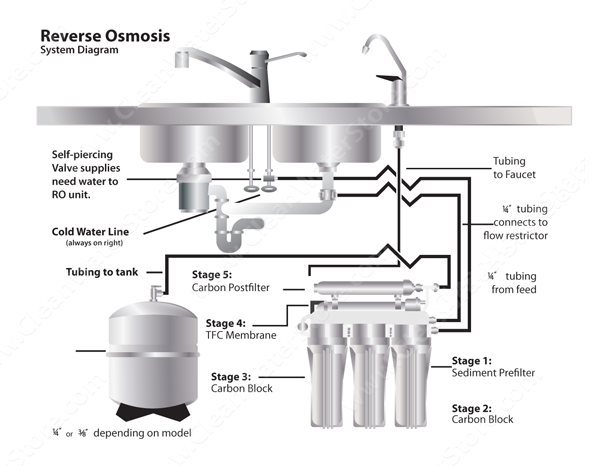
The basic RO system setup cleans water through a series of stages. It uses different filters and membranes to remove impurities. Each part plays a key role in making water pure and safe. Understanding this setup helps you see how water becomes clean.
Key Components
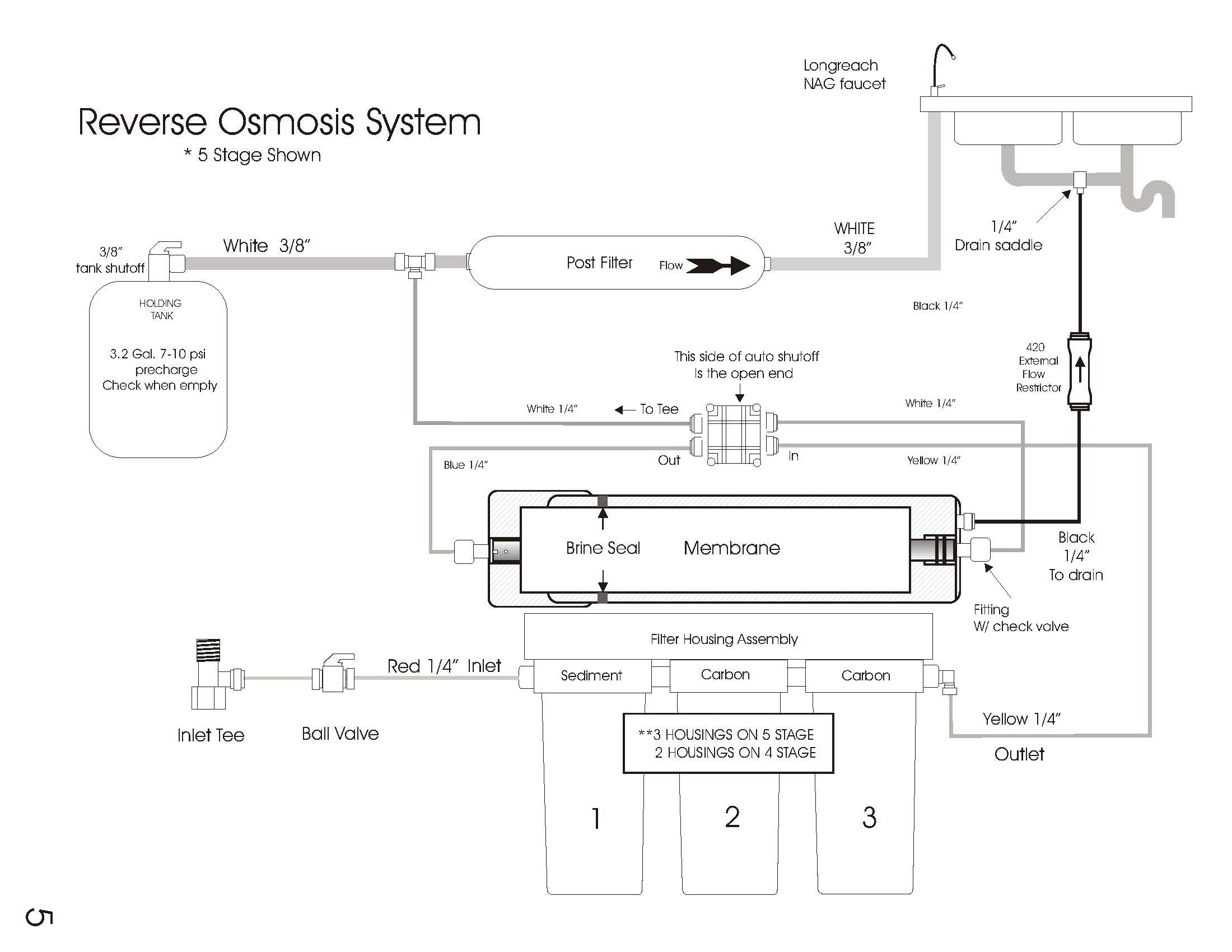
The system has five main parts. First, a sediment filter removes dirt and particles. Next, a carbon filter cuts chlorine and bad tastes. Then, the reverse osmosis membrane removes tiny contaminants. After that, a post-carbon filter improves the water’s smell. Finally, a storage tank holds the clean water ready to use.
Flow Path
Water starts at the sediment filter. It moves to the carbon filter next. Then, it passes through the RO membrane. Clean water flows into the storage tank. Wastewater goes out through the drain. The post-carbon filter cleans water just before use. This path ensures water is pure and fresh.
Credit: www.reverseosmosis.com
Stage 1: Sediment Filtration
The first stage of a 5 stage RO system is sediment filtration. This stage is crucial for protecting the entire system. It removes large particles like dirt, sand, and rust from the water. These particles can damage the delicate membranes used in later stages. Sediment filtration helps improve water clarity and extends the life of the RO system.
Purpose And Function
The main purpose of sediment filtration is to catch and block solid particles. It stops sediments from entering the next stages of filtration. This keeps the water cleaner and prevents clogging. The filter acts like a barrier, ensuring only clear water passes through. This process protects the RO membranes and keeps the system working well.
Common Filters Used
Common filters for sediment filtration include polypropylene and cellulose filters. These filters come in different sizes, usually measured in microns. A 5-micron filter is typical for catching most sediments. Some systems use pleated or spun filters to increase surface area. These filters are easy to replace and maintain. They work by trapping particles while letting water flow freely.
Stage 2: Carbon Filtration
Stage 2 of a 5 Stage RO System is Carbon Filtration. This stage plays a key role in improving water taste and safety. It removes many chemicals that can cause bad odors and flavors. The carbon filter also protects the RO membrane in the next stage. It stops chlorine and other harmful elements from damaging the system.
Removing Chemicals
Carbon filters absorb chemicals from the water. They remove chlorine, pesticides, and volatile organic compounds. These substances can make water taste and smell unpleasant. Carbon filtration also reduces harmful chemicals that affect health. This stage ensures the water is cleaner and better for drinking.
Types Of Carbon Filters
Two main types of carbon filters exist: granular and block. Granular activated carbon (GAC) uses loose particles. It traps chemicals but allows water to flow easily. Carbon block filters are denser and more effective. They remove smaller particles and more contaminants. Both types help make water safe and fresh.
Stage 3: Reverse Osmosis Membrane
The third stage in a 5 Stage RO system is the Reverse Osmosis Membrane. This stage plays a vital role in purifying water. It removes the smallest impurities that pass through earlier filters. The membrane ensures clean and safe drinking water. Understanding how this membrane works helps appreciate its importance in water purification.
Membrane Structure
The reverse osmosis membrane is a thin, semi-permeable sheet. It looks like a rolled-up tube inside the system. This structure allows water molecules to pass but blocks larger particles. These particles include salts, bacteria, and other contaminants. The membrane’s surface is smooth and dense, aiding in filtration. Its design ensures only pure water moves forward in the process.
Filtration Process
Water is pushed through the membrane under pressure. The membrane traps dissolved solids and harmful substances. Clean water passes through the tiny pores in the membrane. Contaminants stay behind and are flushed out. This process removes up to 99% of impurities. The result is fresh, clean water ready for use.
Stage 4: Post Carbon Filter
The Stage 4 Post Carbon Filter is an important part of the 5 Stage RO System. It works after the main filtration to make water cleaner and better. This filter uses activated carbon to remove any leftover odors and tastes. It helps make water fresh and pleasant to drink.
Final Purification
The Post Carbon Filter acts as a last step in purification. It catches tiny particles that passed earlier. It removes chlorine and other chemicals that affect water quality. This ensures the water is safe and clean for daily use.
Taste Improvement
This filter improves the taste of water. It removes bad smells and flavors. Water tastes pure, fresh, and natural after this stage. It makes drinking water more enjoyable for everyone.
Stage 5: Uv Sterilization
The fifth stage in a 5 Stage RO System is UV sterilization. This step ensures the water is free from harmful germs. UV light kills bacteria, viruses, and other microbes. It acts as the final barrier for safe drinking water.
Killing Microorganisms
UV sterilization uses ultraviolet light to destroy microorganisms. The light breaks down their DNA and stops them from reproducing. This process does not add chemicals or change the water’s taste. It works quickly and effectively against harmful germs.
Uv System Integration
The UV system fits after the RO membrane and filters. It treats water just before it reaches the faucet. The setup is simple and requires little maintenance. Proper installation ensures maximum exposure to UV light for safe water.
Common Issues And Troubleshooting
Understanding common issues in a 5 stage RO system helps keep it running well. Troubleshooting these problems saves time and money. This section covers typical faults and how to fix them.
Membrane Fouling
Membrane fouling happens when dirt blocks the RO membrane. This reduces water flow and quality. Causes include sediment, bacteria, and minerals. Regular cleaning helps prevent fouling. Use a proper cleaning solution made for RO membranes. Check pre-filters often to stop particles from reaching the membrane. Replace filters on time to avoid buildup. Clear membranes restore good water flow and taste.
Pressure Problems
Pressure problems affect the RO system’s performance. Low pressure means less water passes through the membrane. Check the feed water pressure with a gauge. Clean or replace clogged filters to improve pressure. High pressure can damage the membrane and parts. Make sure the pump works well and the pressure valve is set right. Fix leaks in pipes and fittings quickly. Balanced pressure keeps the system working smoothly and extends its life.
Maintenance Tips
Proper maintenance keeps your 5 Stage RO system working well. It helps the system last longer. Clean parts make better water. Simple care can avoid big problems later.
Filter Replacement Schedule
Change filters on time. Each filter has its own life span. Pre-filters usually last 6 to 12 months. The RO membrane should be replaced every 2 to 3 years. Check the manufacturer’s guide for exact times. Using old filters can reduce water quality and flow.
Cleaning Procedures
Clean the system regularly to stop dirt build-up. Flush the RO membrane with clean water monthly. Wipe the outside parts with a damp cloth. Use mild soap if needed. Avoid harsh chemicals that can damage the system. Make sure all connections are tight and leak-free after cleaning.
Benefits Of 5 Stage Ro Systems
The 5 Stage RO System offers many benefits beyond clean water. It uses five steps to remove impurities effectively. This system improves water quality for everyday use. It also supports health and protects the environment.
Health Advantages
The 5 Stage RO System removes harmful chemicals and bacteria. It filters out chlorine, lead, and other toxins. This leads to safer drinking water at home. Clean water helps reduce stomach problems and infections. It also supports better skin and overall health. People who drink pure water feel more energetic.
Environmental Impact
The system reduces the need for plastic bottled water. Less plastic waste means less pollution in landfills and oceans. It saves water by recycling during the filtration process. Using an RO system lowers your carbon footprint. It helps conserve natural resources for the future. Choosing this system supports a cleaner planet.

Credit: www.maxwaterflow.com
Frequently Asked Questions
What Are The Main Components In A 5 Stage Ro System Diagram?
A 5 Stage RO System diagram includes a sediment filter, carbon filter, RO membrane, post-carbon filter, and UV or mineral filter. Each stage removes specific contaminants to ensure clean, safe drinking water. This setup improves water taste, odor, and quality.
How Does The 5 Stage Ro System Work?
The system filters water through five stages, starting with sediment removal, then chlorine and organic compounds. The RO membrane removes dissolved solids. Post-filters enhance taste and add minerals or UV purification. This layered process ensures highly purified and healthy water.
Why Choose A 5 Stage Ro System For Home Use?
A 5 Stage RO system offers thorough purification, removing chemicals, heavy metals, and microbes. It ensures safe drinking water with improved flavor and odor. Its multi-stage filtration is ideal for households seeking reliable and effective water treatment.
What Contaminants Does A 5 Stage Ro System Remove?
This system removes sediments, chlorine, heavy metals, dissolved salts, bacteria, and viruses. Each filter targets different impurities, ensuring comprehensive purification. The RO membrane plays a key role in eliminating up to 99% of contaminants.
Conclusion
The 5 stage RO system shows how water gets clean step by step. Each stage removes different dirt and chemicals. This process helps provide safe and fresh water at home. Understanding the diagram makes it easy to know how the system works.
Clean water is important for health and daily life. Using this system can improve water quality simply and effectively. Remember, every stage plays a key role in purification. This knowledge helps you choose the right water filter for your needs.