Last Updated on August 26, 2026
Are you confused about which water is better for your health—alkaline water or reverse osmosis water? You’re not alone.
With so many options, choosing the right water can feel overwhelming. But what if you knew exactly how each type affects your body and daily life? This article will clear up the mystery and help you make an informed choice that fits your needs.
Keep reading to discover the real differences and find out which water is the best match for you.
Credit: biopluswater.in
Alkaline Water Basics
Alkaline water has gained attention for its unique properties and health claims. It differs from regular water due to its higher pH level. This means alkaline water is less acidic and may help balance the body’s pH. People drink it to feel more energized and support digestion. Understanding the basics helps decide if alkaline water fits your lifestyle.
What Makes Water Alkaline
Water becomes alkaline when it has a higher pH than regular water. The pH scale goes from 0 to 14. Seven is neutral, below seven is acidic, and above seven is alkaline. Alkaline water usually has a pH between 8 and 9.5. This happens because of minerals like calcium, magnesium, and potassium. These minerals raise the pH level and change the water’s taste. Some machines add minerals to water to make it alkaline.
Common Sources Of Alkaline Water
Natural alkaline water comes from springs and wells with high mineral content. These sources pass through rocks, picking up minerals that raise the pH. Bottled alkaline water often comes from these natural springs. Some people use home water ionizers to create alkaline water. These devices filter water and add minerals. Alkaline water can also come from mixing baking soda with water. It is important to choose clean and safe sources.

Credit: www.aosbath.com
Reverse Osmosis Water Explained
Reverse osmosis water is very pure. It comes from a process that removes many impurities. This water tastes clean and fresh. People use reverse osmosis systems at home or in businesses to get safe drinking water.
The process helps remove chemicals, salts, and other unwanted particles. This makes the water better for health and cooking. Understanding how reverse osmosis works can help you decide if this water suits your needs.
How Reverse Osmosis Works
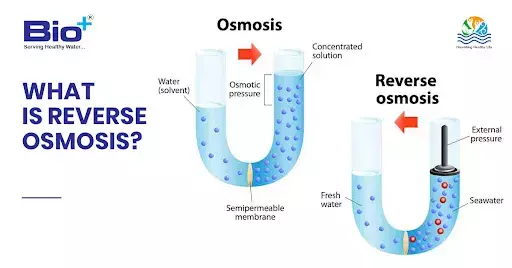
Reverse osmosis uses a special filter called a membrane. Water is pushed through this membrane under pressure. Only clean water molecules pass through the tiny holes. Larger particles like salts and bacteria stay behind.
This method removes many impurities. It filters out chlorine, lead, and other contaminants. The result is water that is much cleaner than tap water.
Typical Ro System Components
A reverse osmosis system has several parts. First, a pre-filter removes big particles like dirt and rust. Then, water goes to the RO membrane for filtering. After that, a post-filter removes any leftover taste or odor.
Most systems also have a storage tank. This holds the clean water until you need it. Some include a faucet to deliver water directly to your sink.
Health Benefits Compared
Choosing the right type of water can affect health in different ways. Both alkaline water and reverse osmosis water offer unique health benefits. Understanding these benefits helps in making the best choice for daily hydration.
Effects Of Alkaline Water On Health
Alkaline water has a higher pH than regular water. It may help neutralize acid in the body. Some people say it reduces acid reflux symptoms. It might improve hydration better than plain water. Antioxidants in alkaline water could help fight free radicals. Some studies suggest it may boost bone health. Drinking alkaline water may help maintain a balanced pH in the body.
Potential Benefits Of Reverse Osmosis Water
Reverse osmosis water is very pure and free from many contaminants. It removes chemicals, metals, and bacteria effectively. This can reduce the risk of waterborne illnesses. Pure water may support better kidney function. It can help those with sensitive digestive systems. Reverse osmosis water is gentle and clean, making it safe for daily use. It also supports better taste, which encourages drinking more water.

Credit: www.reddit.com
Taste And Mineral Content
Taste and mineral content are important when choosing water for daily use. These factors affect not just flavor but also health benefits. Alkaline water and reverse osmosis water differ in these areas. Understanding these differences helps in making a better choice.
Flavor Differences
Alkaline water often has a smooth, mild taste. It can feel less sharp than regular water. This is due to its higher pH and added minerals. Some people find it refreshing and easy to drink.
Reverse osmosis water tastes clean and pure. It lacks the minerals that add flavor. Some describe it as flat or bland. This water is close to pure H2O, without any extras.
Mineral Levels In Both Waters
Alkaline water contains minerals like calcium, magnesium, and potassium. These minerals raise its pH level above 7. Minerals can support health and add taste. The exact mineral content can vary by brand or source.
Reverse osmosis water removes most minerals. The filtration process strips out impurities and minerals alike. This results in very low mineral content. Some people add minerals back for taste or health reasons.
Purity And Contaminant Removal
Purity and contaminant removal are key factors in choosing drinking water. Clean water protects health and improves taste. Both alkaline water and reverse osmosis water aim to provide pure water. Yet, their methods and results differ. Understanding these differences helps pick the best option for your needs.
Contaminants Removed By Ro
Reverse osmosis (RO) removes many harmful substances. It filters out lead, arsenic, and fluoride. RO also removes chlorine and bacteria. It blocks pesticides and industrial chemicals. This process uses a tight membrane to catch tiny particles. The result is very pure water, almost free of contaminants.
Alkaline Water Filtration Capabilities
Alkaline water filtration mainly changes water’s pH level. It removes some impurities but not all. It may reduce chlorine and some metals. It does not remove all bacteria or viruses. Alkaline filters focus on making water less acidic. The purity depends on the filter’s quality and type.
Hydration Efficiency
Hydration efficiency shows how well water helps your body stay hydrated. Different types of water affect hydration differently. Alkaline water and reverse osmosis water have unique properties that influence hydration. Understanding these differences helps you choose better water for your health.
Absorption Rates
Alkaline water has smaller water clusters. This may help it absorb faster into cells. Reverse osmosis water is very pure but lacks minerals. Its absorption is slower compared to alkaline water. Minerals in water can improve how quickly your body absorbs it.
Impact On Body Hydration
Alkaline water can help balance your body’s pH. This balance supports better hydration. Reverse osmosis water removes impurities but also removes minerals. Lack of minerals might reduce hydration quality over time. Drinking water with minerals helps maintain proper hydration levels.
Environmental Impact
Understanding the environmental impact of different water types helps us make better choices. Both alkaline water and reverse osmosis (RO) water have effects on the planet. These effects come from how they are produced and used daily. We will explore the waste and energy use in RO systems and the sustainability of alkaline water production.
Waste And Energy Use In Ro Systems
RO systems use a lot of water to make clean water. For every gallon of drinking water, several gallons may be wasted. This waste water often goes down the drain and is not reused. RO systems also need electricity to work. The more water you filter, the more energy it uses. This energy usually comes from power plants that burn fossil fuels. The waste and energy use add to environmental harm.
Sustainability Of Alkaline Water Production
Alkaline water is often made by adding minerals to regular water or using special filters. These filters need less energy than RO systems. Making alkaline water usually creates less waste. However, bottled alkaline water can create plastic waste. Choosing reusable bottles can reduce this problem. Natural alkaline water from springs has a low environmental impact but may not be widely available.
Cost And Accessibility
Cost and accessibility play a big role in choosing between alkaline water and reverse osmosis water. Many people want clean, healthy water but need to think about price and ease of access. Both types have different costs and availability that affect daily use.
Price Comparison
Alkaline water usually costs more than regular tap water. Bottled alkaline water can be expensive, sometimes double the price of normal bottled water. Home alkaline water machines also require an upfront investment.
Reverse osmosis systems have a higher initial cost. Installation and filter replacement add to ongoing expenses. Over time, reverse osmosis water might cost less than buying bottled alkaline water regularly.
Availability In Markets
Alkaline water is widely available in supermarkets and online stores. Many brands sell bottled alkaline water, making it easy to find. Some stores also offer alkaline water dispensers.
Reverse osmosis water is less common in stores. Most people get it from home filtration systems. Some shops sell reverse osmosis water in bottles, but it is not as easy to find.
Choosing The Right Water
Choosing the right water matters for your health and daily needs. Different types of water offer different benefits. Alkaline water and reverse osmosis water are popular choices. Both have unique qualities that suit various preferences and lifestyles.
Understanding these differences helps you pick the best option. This guide will help you decide which water fits your needs better.
Factors To Consider
Check the water’s purity and mineral content. Reverse osmosis water is very pure but may lack minerals. Alkaline water contains minerals and has a higher pH. Think about taste preferences too. Some people find alkaline water smoother. Consider cost and availability. Reverse osmosis systems can be pricier. Alkaline water may be easier to buy in stores.
Matching Water To Lifestyle Needs
Active people might prefer alkaline water for its minerals. Those with sensitive digestion may benefit from pure reverse osmosis water. If your tap water is poor, reverse osmosis helps remove contaminants. For balanced hydration, alkaline water adds minerals back. Choose based on your health goals and daily routine. Both types have benefits. The right choice depends on what you want from your water.
Frequently Asked Questions
What Is The Difference Between Alkaline And Reverse Osmosis Water?
Alkaline water has a higher pH and minerals. Reverse osmosis water is purified, removing most minerals and impurities. Each offers unique health benefits depending on your needs.
Which Water Type Is Healthier To Drink Daily?
Alkaline water supports hydration and balances body pH. Reverse osmosis water is pure and free from contaminants. Health benefits depend on personal preference and water quality in your area.
Does Reverse Osmosis Water Remove Beneficial Minerals?
Yes, reverse osmosis removes most minerals like calcium and magnesium. This results in very pure but mineral-deficient water. You may need to supplement minerals separately.
Can Alkaline Water Improve Digestion And Energy Levels?
Alkaline water may aid digestion by neutralizing stomach acid and improving hydration. Some users report increased energy, but scientific evidence is limited and varies individually.
Conclusion
Choosing between alkaline water and reverse osmosis water depends on your needs. Alkaline water may help balance your body’s pH. Reverse osmosis water offers pure and clean drinking water. Each type has benefits worth considering. Think about taste, health, and budget.
Both options improve water quality compared to tap water. Staying hydrated is the main goal. Pick the water that fits your lifestyle best. Simple steps lead to better health. Drink water that supports your well-being every day.