Last Updated on September 15, 2026
Are you worried about the hard water in your home and wondering if reverse osmosis can fix it? Calcium is a common mineral that makes water hard, and it can cause problems like scale buildup and poor taste.
But does reverse osmosis really remove calcium from your water? If you want clear, clean water without the hassle of hard water issues, understanding how reverse osmosis works is key. Keep reading to find out exactly what reverse osmosis does to calcium and whether it’s the right solution for your water needs.
Credit: aosts.com
How Reverse Osmosis Works
Reverse osmosis is a popular water purification method. It removes many impurities from water. Understanding how it works helps to see if it removes calcium.
Basic Process
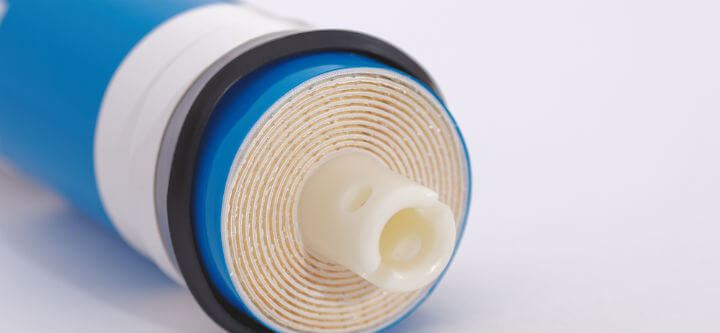
Reverse osmosis pushes water through a special filter. It uses pressure to force water through a thin membrane. This membrane blocks many substances but lets clean water pass. The process removes unwanted particles from water.
Membrane Function
The membrane acts like a barrier. It has tiny holes that allow only water molecules through. Larger particles, such as minerals and salts, cannot pass. Calcium, being a mineral, is too big to go through. This is why reverse osmosis can reduce calcium in water.
Common Contaminants Removed
Reverse osmosis removes many contaminants. It filters out chlorine, lead, and arsenic. It also removes nitrates, fluoride, and bacteria. Hard minerals like calcium and magnesium are reduced too. This makes water softer and cleaner for use.
Calcium In Water Sources
Calcium is a common mineral found in many water sources. It often comes from rocks like limestone and chalk. As water moves through these rocks, it picks up calcium. This process increases the calcium levels in water. The amount of calcium varies by location and water type.
Calcium affects water in several ways. It can change the taste and hardness of water. Hard water has more calcium and other minerals. Understanding calcium’s role helps explain water quality and treatment options.
Sources Of Calcium
Calcium enters water from natural and human-made sources. Limestone and chalk are the main natural sources. Groundwater often has high calcium because it passes through these rocks. Surface water can also contain calcium from soil and plant decay. Some industrial waste and fertilizers add calcium to water too.
Calcium’s Role In Water Quality
Calcium makes water hard. Hard water leaves deposits on pipes and appliances. It can reduce soap effectiveness and cause spots on dishes. Calcium also helps protect pipes from corrosion. Water with balanced calcium is less likely to damage plumbing. Many people notice a difference in taste with higher calcium levels.
Health Implications
Calcium in water is not harmful in small amounts. It can add to daily calcium intake. Calcium supports bones and teeth health. Drinking hard water may benefit some people. Too much calcium can cause kidney stones in rare cases. Water treatment can adjust calcium levels for safety and taste.
Effectiveness Of Reverse Osmosis On Calcium
Reverse osmosis (RO) is a popular water filtration method. It uses a special membrane to filter out many impurities, including minerals like calcium. Understanding how well RO removes calcium helps in choosing the right water treatment system.
Calcium is a common mineral found in water. It can cause hardness, scale build-up, and affect taste. Removing calcium improves water quality for drinking and appliances.
Calcium Removal Rate
Reverse osmosis can remove about 90% to 99% of calcium from water. The exact removal rate depends on the system quality and water conditions. Most RO systems reduce calcium effectively, softening the water.
Factors Influencing Removal
Water pressure affects how well RO removes calcium. Higher pressure usually improves removal. Membrane condition matters too; old or clogged membranes remove less calcium. Temperature of water also plays a role. Warmer water passes through the membrane easier, increasing removal rates. The initial calcium concentration impacts performance. Very hard water may reduce efficiency.
Comparison With Other Methods
Reverse osmosis outperforms many other methods in calcium removal. Water softeners use ion exchange and remove calcium differently. They replace calcium with sodium but do not filter it out. Distillation removes calcium but uses more energy. RO offers good balance of efficiency and cost for calcium removal.
Limitations Of Reverse Osmosis
Reverse osmosis (RO) is a popular water purification method. It effectively removes many impurities, including calcium. Still, it has some limitations that users should know. These limits affect how well it works and how you maintain the system.
Membrane Fouling
Membrane fouling happens when particles block the RO membrane. Calcium can cause scaling on the membrane surface. This buildup reduces water flow and system efficiency. Cleaning or replacing the membrane becomes necessary to restore performance.
Mineral Depletion
RO removes almost all minerals from water, including calcium. Drinking water without minerals may taste flat. Some minerals are important for health, so lack of them could be a concern. Users might need to add minerals back to the water after treatment.
Maintenance Requirements
RO systems need regular maintenance to work well. Filters and membranes must be cleaned or replaced on schedule. Ignoring maintenance can lead to poor water quality and damage to the system. Maintenance keeps the system running smoothly and extends its life.
Alternatives And Enhancements
Reverse osmosis is effective at removing many impurities, including calcium. Still, some people want to explore other ways to handle calcium in water. Alternatives and enhancements can improve water quality and taste. They also help protect pipes and appliances from scale buildup.
Water Softeners
Water softeners replace calcium ions with sodium or potassium ions. This process prevents scale and reduces hardness in water. Softened water feels smoother and is better for cleaning. Water softeners work well before reverse osmosis systems. They reduce the calcium load and extend the RO membrane life.
Post-treatment Mineralization
Reverse osmosis removes almost all minerals, including calcium. This can make water taste flat or bland. Post-treatment mineralization adds back healthy minerals. It improves the taste and balances the water’s pH. Mineral cartridges or filters add calcium and magnesium after RO. This step makes water healthier and more enjoyable to drink.
Hybrid Filtration Systems
Hybrid filtration systems combine several methods for better results. They may include water softeners, RO membranes, and mineral filters. These systems offer thorough purification and mineral balance. Hybrid systems adapt to different water conditions easily. They provide clean, soft, and tasty water from one unit.

Credit: www.simpurelife.com
Practical Tips For Home Users
Understanding how to manage calcium in your water is key for better water quality at home. Reverse osmosis systems help reduce calcium, but proper care and choices make a big difference. Follow these practical tips to keep your system efficient and your water clean.
System Selection
Choose a reverse osmosis system designed to handle hard water. Some models have extra filters to reduce calcium better. Check product details for calcium removal capabilities. Size the system to fit your household needs. A system that matches your water usage works best.
Regular Testing
Test your water regularly for calcium levels. Use simple test kits available online or in stores. Keep track of the results to spot changes early. Testing helps you know if the system works well. It also shows when filters need changing.
Maintenance Best Practices
Replace filters on time to keep calcium removal strong. Clean the system parts as the manual suggests. Avoid using harsh chemicals that can damage the membrane. Check for leaks or damage every few months. Proper care extends the life of your system and keeps water pure.

Credit: www.simpurelife.com
Frequently Asked Questions
Does Reverse Osmosis Remove Calcium From Water?
Yes, reverse osmosis effectively removes calcium by filtering water through a semi-permeable membrane. It reduces calcium hardness, improving water quality for drinking and appliances.
How Efficient Is Reverse Osmosis In Calcium Removal?
Reverse osmosis removes up to 95-99% of calcium ions from water. Its efficiency depends on membrane quality and system maintenance.
Can Reverse Osmosis Soften Hard Water Caused By Calcium?
Yes, reverse osmosis softens hard water by removing calcium and magnesium ions. It provides softer water without using salt-based softeners.
Does Reverse Osmosis Affect Water Ph After Calcium Removal?
Reverse osmosis can slightly lower water pH after removing calcium, making water mildly acidic. This change is usually safe and insignificant.
Conclusion
Reverse osmosis effectively removes most calcium from water. It uses a special membrane to block minerals. This process helps soften hard water and reduce scale buildup. Many homes use it for cleaner, better-tasting water. Keep in mind, some calcium may remain depending on the system’s quality.
Testing your water before and after helps see the change. Overall, reverse osmosis is a solid choice for lowering calcium levels. It supports healthier water for everyday use. Consider your needs to decide if it fits your home.