Last Updated on September 17, 2026
If you want to make a cappuccino that tastes like it’s from your favorite coffee shop, mastering how to foam milk is key. Perfectly frothed milk adds that creamy, velvety texture that takes your coffee to the next level.
You might think it’s tricky, but with the right tips and a little practice, you can do it yourself at home. Keep reading, and you’ll discover simple steps to create the perfect milk foam that will impress your taste buds—and anyone you share your cappuccino with.
Choosing The Right Milk
Choosing the right milk is key to a perfect cappuccino. Milk affects the taste, texture, and foam quality. Different types of milk create different foam styles. Understanding these differences helps you create a creamy and smooth cappuccino.
Whole Milk Vs. Alternatives
Whole milk is the classic choice for cappuccinos. It has fat that helps create rich, creamy foam. The fat makes the foam thick and velvety. Milk alternatives like almond, soy, or oat milk have less fat. They can still foam but often create lighter, airier foam. Some alternatives may taste different and affect the coffee flavor. Choose milk based on your taste and foam preference.
Milk Temperature Tips
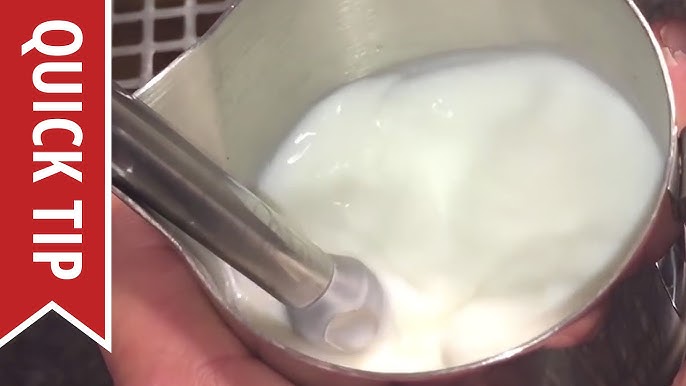
Start with cold milk for the best foam. Cold milk steams better and creates finer bubbles. Heat the milk to around 150°F (65°C). Avoid overheating, which can burn the milk and ruin flavor. Use a thermometer for accuracy. Warm milk foams well and tastes sweet. Practice helps find the perfect temperature for your cappuccino.
Credit: www.youtube.com
Essential Tools For Frothing
Frothing milk for cappuccino needs the right tools. These tools help create smooth, creamy foam that blends well with coffee. Choosing the best tool depends on your budget and kitchen space. Understanding each tool’s function makes frothing easier and more fun.
Steam Wand Basics
A steam wand is a common tool on espresso machines. It uses steam to heat and froth milk quickly. Hold the wand just below the milk surface to create bubbles. Move the pitcher slightly to mix air evenly. This tool gives the best foam texture for cappuccinos.
Handheld Frother Options
Handheld frothers are small and easy to use. They work by spinning a whisk at high speed inside the milk. This tool is good for making foam at home without an espresso machine. Place the frother deep in the milk and turn it on. Lift slowly for a thicker foam layer.
Using A French Press
A French press can also froth milk without electricity. Pour warm milk into the press. Pump the plunger up and down fast to create foam. The mesh filter mixes air into the milk. This method is simple and works well for small servings.
Step-by-step Frothing Process
Foaming milk is a key step in making a perfect cappuccino. The right foam adds creaminess and texture. Follow this step-by-step frothing process to get smooth, velvety milk foam. Each step helps you create the ideal foam for your coffee.
Preparing The Milk
Start with cold milk. Whole milk works best for thick foam. Pour milk into a clean pitcher. Fill it only one-third full. This leaves room for the milk to expand. Use fresh milk for better taste and foam quality.
Steaming Techniques
Place the steam wand just below the milk surface. Turn on the steam to introduce air. Listen for a gentle hissing sound. Move the pitcher slowly to mix air evenly. Keep the tip near the surface to create bubbles. Avoid large bubbles for smooth foam.
Creating Microfoam
Lower the steam wand deeper into the milk. This heats the milk and breaks big bubbles. Keep the milk swirling in a whirlpool motion. Stop steaming when the pitcher feels hot but not too hot. Microfoam should be shiny and smooth. Pour foam gently over espresso for a perfect cappuccino.
:max_bytes(150000):strip_icc()/froth-milk-with-steam-wand-766136-Step_5_and_Hero-5ba3ce3ec9e77c0082f8feeb.jpg)
Credit: www.thespruceeats.com
Troubleshooting Common Issues
Foaming milk for a cappuccino can sometimes be tricky. Many people face common problems that stop them from getting the perfect foam. These issues can ruin the texture and taste of your drink. Understanding these problems helps you fix them quickly.
Milk Not Frothing
Milk may not froth if it is too warm or cold. Always use fresh, cold milk for best results. Whole milk creates creamier foam than skim milk. Clean your steam wand well; dirt blocks air flow. Try lowering the steam wand tip just below the milk surface. This helps create the right amount of bubbles.
Foam Too Bubbly
Bubbly foam means too much air entered the milk. This creates big, unstable bubbles that break quickly. Move the steam wand deeper into the milk to reduce air intake. Keep the wand steady and avoid lifting it out too fast. Use a slow, smooth motion to get fine, creamy foam.
Overheated Milk
Milk that is too hot tastes burnt and loses sweetness. Stop steaming when the milk reaches about 150°F (65°C). Use a thermometer or touch the pitcher to check temperature. Overheating breaks down proteins, causing poor foam texture. Cool the milk slightly before pouring into your cappuccino cup.
Tips For Latte Art And Presentation
Creating beautiful latte art and presenting your cappuccino well makes the drink more enjoyable. Small details in pouring and foam quality can change the look a lot. These tips help you pour with care and keep foam smooth.
Pouring Techniques
Start pouring slowly to mix milk and coffee gently. Hold the cup at an angle. Pour closer to the surface as foam forms. Move the pitcher in small circles to shape designs. Finish by lifting the pitcher to draw fine lines.
Maintaining Foam Quality
Use fresh, cold milk for better foam. Foam should be creamy, not bubbly. Tap the pitcher softly on the counter to remove big bubbles. Swirl the milk to keep texture even. Pour foam soon after steaming to keep it fresh.

Credit: wild-kaffee.com
Frequently Asked Questions
How Do You Foam Milk For Cappuccino At Home?
To foam milk at home, heat milk to 150°F, then use a steam wand or frother. Move the wand just below the surface to create microfoam. Swirl gently until frothy and creamy for perfect cappuccino texture.
What Milk Type Works Best For Cappuccino Foam?
Whole milk works best for cappuccino foam due to its higher fat content. It creates rich, creamy, and stable foam. Alternatives like 2% milk also work but produce lighter foam. Non-dairy options may foam but vary in texture.
How Long Should You Steam Milk For Cappuccino?
Steam milk for about 20-30 seconds until it reaches 150°F. Avoid overheating, as it can burn the milk and ruin flavor. The goal is smooth, velvety microfoam with tiny bubbles for a perfect cappuccino.
Can I Foam Milk Without A Steam Wand?
Yes, you can foam milk without a steam wand using a handheld frother, French press, or shaking hot milk vigorously in a jar. These methods create foam but may lack the smooth texture of steam wand frothing.
Conclusion
Foaming milk for cappuccino is simple with practice and patience. Use cold milk and a clean frother for best results. Warm the milk gently and create small, steady bubbles. Pour slowly to keep the foam light and creamy. Enjoy your cappuccino with a smooth, velvety texture every time.
Keep trying, and your skill will improve quickly. Perfect foam makes every cup more enjoyable and tasty.