Last Updated on September 18, 2026
Have you ever wondered why your pour over coffee sometimes tastes bitter or weak? The secret often lies in your grind size.
Getting the perfect grind for your pour over can transform your morning cup from just okay to truly exceptional. You’ll discover exactly how the right grind size affects flavor, extraction, and brewing time. By the end, you’ll know how to fine-tune your grind for a richer, smoother, and more satisfying coffee experience every single time.
Keep reading—you’re about to unlock the key to your best pour over yet.
Choosing The Right Grind Size
Choosing the right grind size is key for a good pour over coffee. It affects how water flows through the coffee and the final taste. A proper grind size helps extract flavors evenly.
Too coarse or too fine can spoil the brew. Finding the right balance makes every cup enjoyable and smooth.
Why Grind Size Matters
Grind size controls how fast water moves through coffee grounds. Big particles let water flow quickly. Small particles slow water down.
This affects how much flavor comes out. The right size helps get a good taste without bitterness or weakness.
Common Grind Sizes For Pour Over
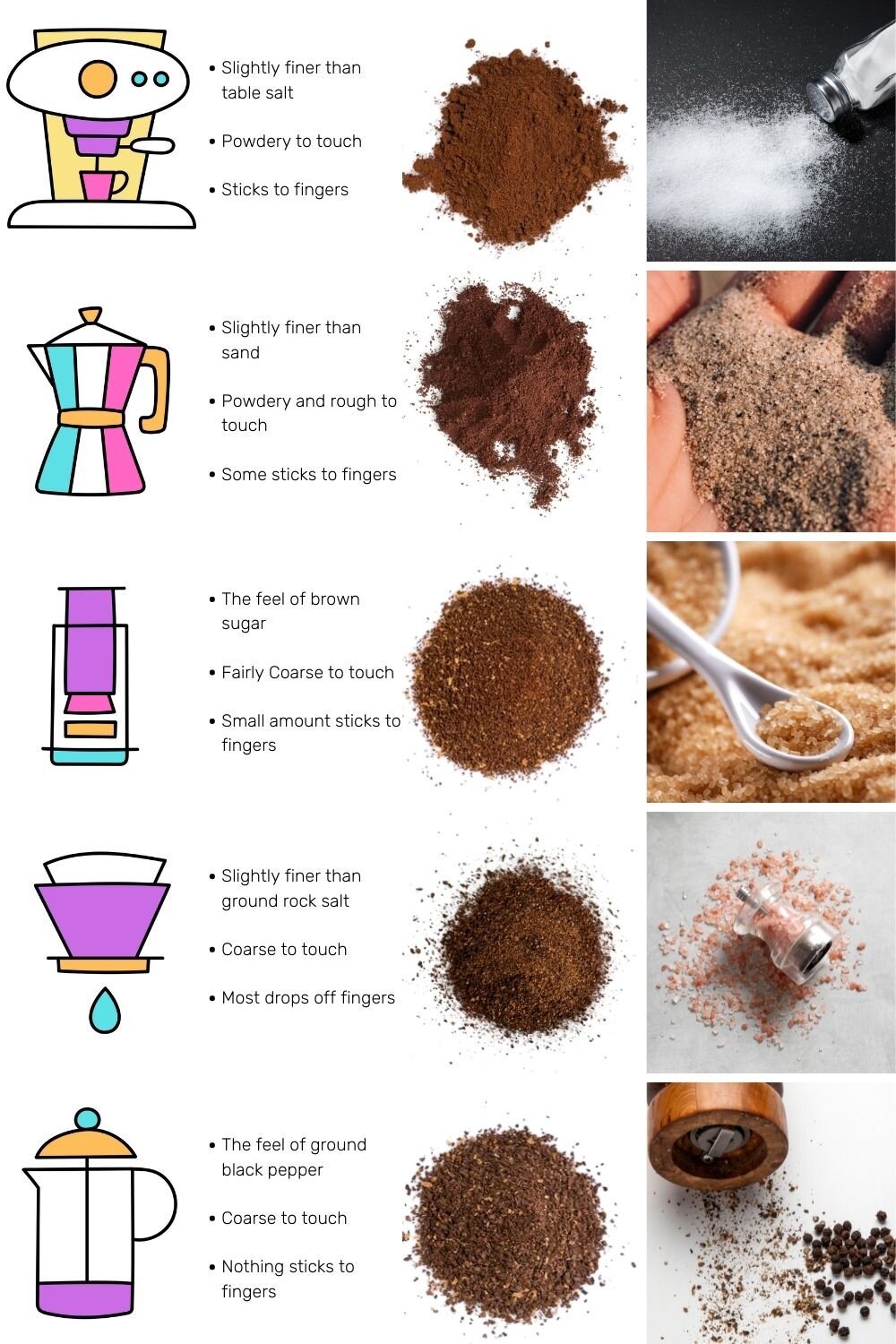
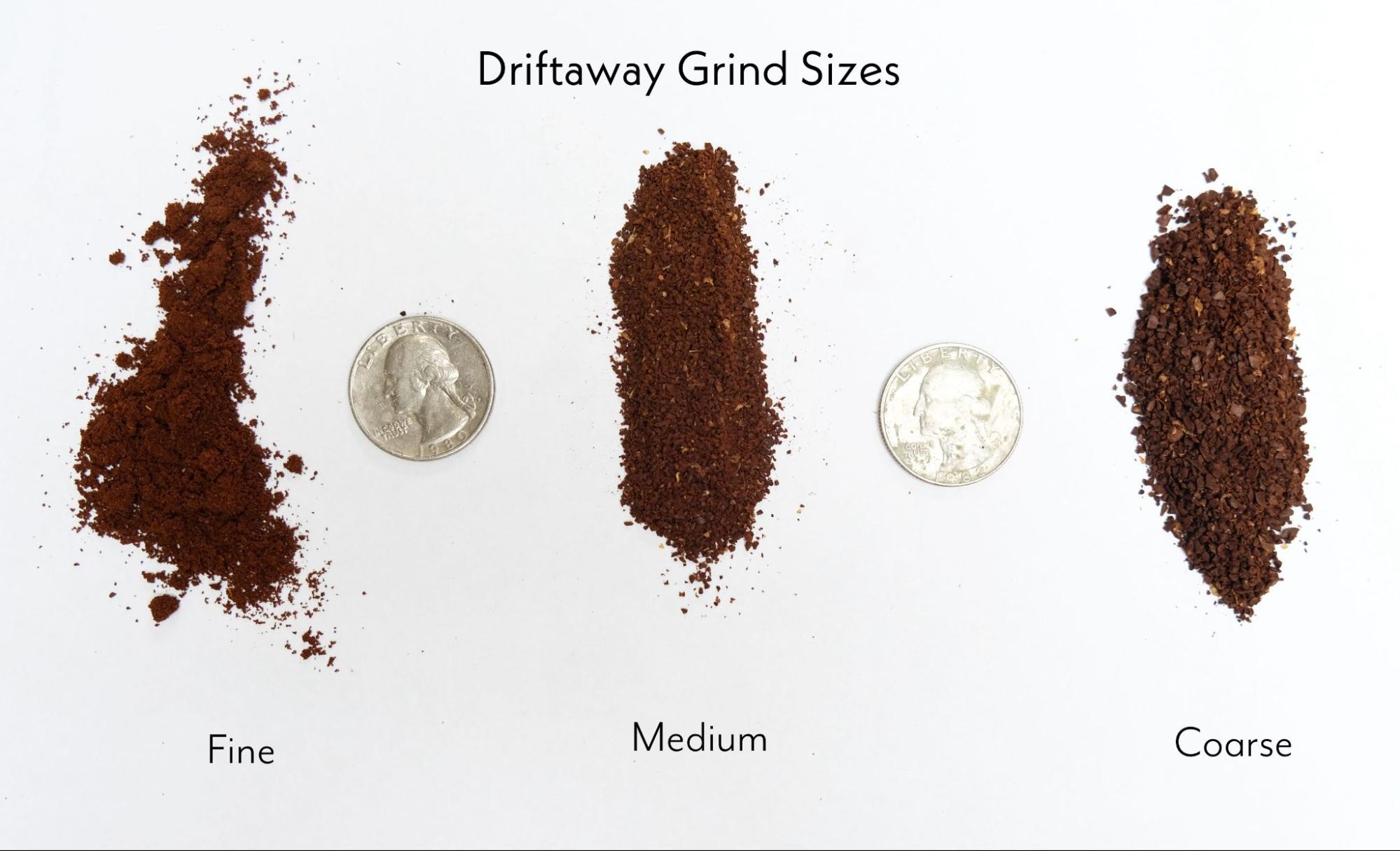
Medium to medium-fine grinds work best for pour over. They look like sand or sugar grains. This size lets water pass at a steady pace.
Too coarse makes the coffee weak. Too fine causes over-extraction and bitterness. Medium grind helps balance strength and flavor.
Impact On Brew Time And Flavor
Grind size changes how long the water touches the coffee. Finer grinds take more time and create strong flavors.
Coarser grinds brew faster but taste lighter. Adjust grind size to control brew time and get the flavor you want.
How Grind Size Affects Extraction
The grind size of your coffee beans plays a key role in how your pour over tastes. Extraction depends on how water interacts with the coffee grounds. Different grind sizes change this interaction. This affects the flavor, strength, and balance of your brew.
Choosing the right grind size helps control how much flavor comes out. Too fine or too coarse can lead to unwanted tastes. Understanding this helps you make better coffee every time.
Fine Vs Coarse Grinds
Fine grinds have a small particle size. They expose more surface to water. This means faster extraction of coffee flavors. Too fine, and the coffee can taste bitter or harsh. Water takes longer to flow through fine grounds. This can cause over-extraction.
Coarse grinds are larger and have less surface area. Water flows quickly through them. This can cause under-extraction. The coffee may taste weak or sour. Coarse grinds need shorter brew time or hotter water.
Balancing Under-extraction And Over-extraction
Under-extraction means not enough flavor is taken from the grounds. The coffee tastes sour or thin. This happens with coarse grinds or too fast brewing. Over-extraction means too many compounds are pulled out. The taste becomes bitter or astringent. This happens with fine grinds or too slow brewing.
Finding balance is key. Adjust grind size to control extraction. Use a medium grind to start and adjust from there. Pay attention to taste and brewing time. Small changes in grind size affect flavor a lot.
Adjusting Grind Size For Different Beans
Adjusting grind size for different beans helps control coffee flavor and extraction. Each bean type has unique properties that affect how water passes through. Changing the grind size can bring out the best taste and aroma from your coffee.
Light Roast Beans
Light roast beans are dense and less porous. They need a finer grind to allow water to extract flavors well. A finer grind helps release bright, fruity, and floral notes.
Coarse grind on light roasts can lead to weak, sour coffee. Adjust grind size smaller to balance acidity and sweetness. Small changes can make a big difference in taste.
Dark Roast Beans
Dark roast beans are more brittle and porous. They extract faster and need a coarser grind. A coarse grind prevents over-extraction and bitterness.
Too fine a grind on dark roasts causes harsh, burnt flavors. Use a grind size that slows water flow slightly. This brings out smooth, rich, and chocolatey notes.
Single Origin Vs Blends
Single origin beans highlight unique flavors from one region. These require careful grind adjustment to showcase their character. Finer grind can reveal subtle nuances.
Blends mix different beans for balanced taste. Grind size should suit the dominant bean type. Medium grind often works well for blends.
Experiment with grind size to find the best profile for your beans. Small tweaks improve your pour over coffee significantly.
Credit: batchcoffee.co.uk
Tools For Achieving Consistent Grind
Getting the right grind size is key to a great pour over coffee. Consistent grind size means better flavor and even extraction. The right tools make this easier. Here are some popular options to help you achieve a steady grind every time.
Manual Grinders
Manual grinders use hand power to crush coffee beans. They give you control over grind size. Most have adjustable settings for fine to coarse grinds. These grinders are quiet and portable. They work well for those who enjoy a hands-on approach. You can see and feel the grind size as you go.
Electric Grinders
Electric grinders use motors to grind beans fast. They offer consistent results with less effort. Many models let you select exact grind sizes. This helps keep your coffee taste steady. Electric grinders save time during busy mornings. They suit people who want convenience without losing quality.
Calibration Tips
Calibrating your grinder keeps the grind size steady. Start by adjusting the settings in small steps. Test the grind by brewing a cup. Notice if the coffee tastes too bitter or weak. Change the grind size slightly to fix this. Write down your best settings for future use. Regular calibration avoids unwanted flavor changes.
Troubleshooting Common Grind Size Issues
Troubleshooting common grind size issues can improve your pour over coffee. Small changes in grind size can change the taste and brewing process. Understanding these problems helps you fix them fast. This section covers common problems and simple fixes.
Bitter Or Sour Taste
A bitter taste often means the grind is too fine. Coffee brews too long and extracts unwanted flavors. Try a coarser grind to reduce bitterness.
A sour taste means the grind is too coarse. Coffee brews too fast and misses flavors. Use a finer grind for a balanced taste.
Slow Or Fast Brew Time
Slow brew time happens with very fine grinds. Water struggles to pass through, making brewing slow. Coarsen your grind to speed up the process.
Fast brew time happens with very coarse grinds. Water passes quickly without extracting flavor. Finer grinds help slow the brew for better taste.
Clogged Filters
Clogged filters happen if the grind is too fine or inconsistent. Water cannot flow smoothly, causing blockages. Use a uniform, medium grind to keep filters clear.
Also, check your filter type. Some filters handle finer grinds better than others.
Credit: driftaway.coffee
Experimenting For Your Perfect Pour Over
Finding the perfect grind size for your pour over coffee takes some trial and error. Every coffee bean and brewing setup is different. Small changes can affect the taste a lot. Experimenting helps you learn how grind size changes flavor and strength. Keep track of your tests to get closer to the ideal cup.
Keeping A Brew Journal
Write down each brew’s details. Note the grind size, coffee amount, water temperature, and brew time. Record how the coffee tastes. Is it too bitter or too weak? A journal shows patterns and helps avoid repeating mistakes. It also saves your favorite recipes for later.
Adjusting Grind With Other Variables
Grind size is not the only factor. Changing water temperature, pour speed, or coffee dose affects taste too. If your coffee tastes sour, try a coarser grind or hotter water. If it is bitter, use a finer grind or cooler water. Test one change at a time to see clear results.
Tasting And Refining
Taste each brew carefully. Look for balance, sweetness, and clarity. Does the coffee feel smooth or harsh? Use your notes to adjust grind size little by little. Keep tasting and refining until the flavor matches your preference. Patience leads to a satisfying pour over experience.
Credit: grosche.ca
Frequently Asked Questions
What Is The Ideal Pour Over Grind Size?
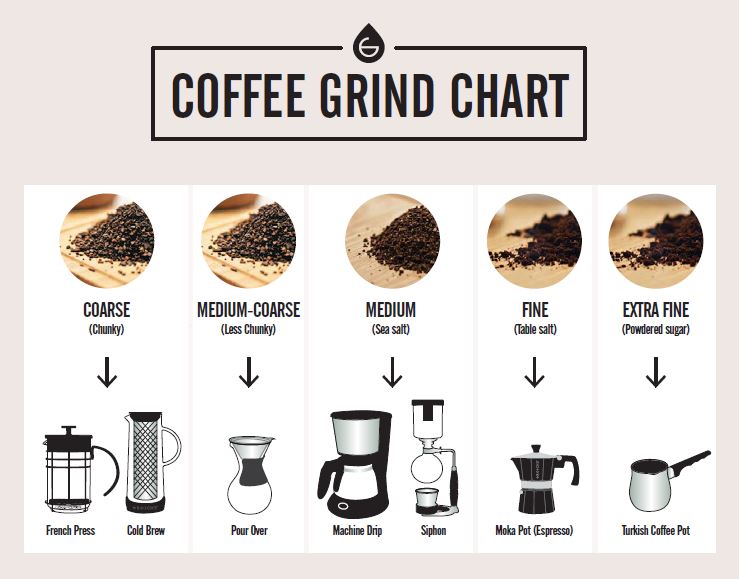
The ideal grind size for pour over coffee is medium-coarse. It resembles sea salt and allows balanced extraction. This size prevents over-extraction and bitterness, ensuring a clean, flavorful cup.
How Does Grind Size Affect Pour Over Taste?
Grind size controls extraction rate. Finer grinds extract quickly, causing bitterness. Coarser grinds extract slowly, leading to sour flavors. Medium-coarse grind balances extraction, enhancing flavor clarity and aroma.
Can I Use A Fine Grind For Pour Over?
Using a fine grind in pour over causes slow water flow and over-extraction. This results in bitter, harsh coffee. It’s best to avoid fine grinds and stick to medium-coarse for optimal taste.
How To Adjust Grind Size For Pour Over Brewing?
Adjust grind size based on brew time and taste. If coffee tastes sour, try a finer grind. If bitter or over-extracted, use a coarser grind. Small adjustments improve balance and flavor.
Conclusion
Choosing the right grind size affects your pour over coffee taste. A medium-fine grind lets water flow just right. Too coarse makes coffee weak and sour. Too fine makes it bitter and slow. Adjust the grind to match your brewer and taste.
Small changes can make a big difference. Keep trying until you find what suits you best. Enjoy the rich, smooth flavor that the perfect grind brings. Brewing coffee is simple, fun, and rewarding. Your perfect cup is just a grind away.