Last Updated on September 27, 2026
Are you torn between choosing a fast juicer or a slow juicer? Picking the right juicer can change how fresh and nutritious your juice tastes every morning.
You want something that fits your lifestyle, saves time, and keeps all the good stuff from fruits and veggies. This guide will help you understand the real differences, so you make the best choice for your health and daily routine.
Keep reading to discover which juicer matches your needs perfectly.
Juicer Types
Choosing the right juicer can change your juice experience. There are two main juicer types: fast juicers and slow juicers. Each type works differently and suits different needs. Understanding their basic functions helps pick the best one for your lifestyle.
Both juicers extract juice from fruits and vegetables but use different methods. The speed and process affect juice quality, nutrients, and taste. Let’s explore what makes each type unique.
What Is A Fast Juicer?
Fast juicers, also called centrifugal juicers, spin at high speeds. They use a sharp blade to shred produce quickly. The spinning force pushes juice through a mesh filter. This method produces juice in seconds.
Fast juicers work well for hard fruits and vegetables. They are easy to use and clean. These juicers are perfect for people who want juice fast. The juice may have more foam and less shelf life.
What Is A Slow Juicer?
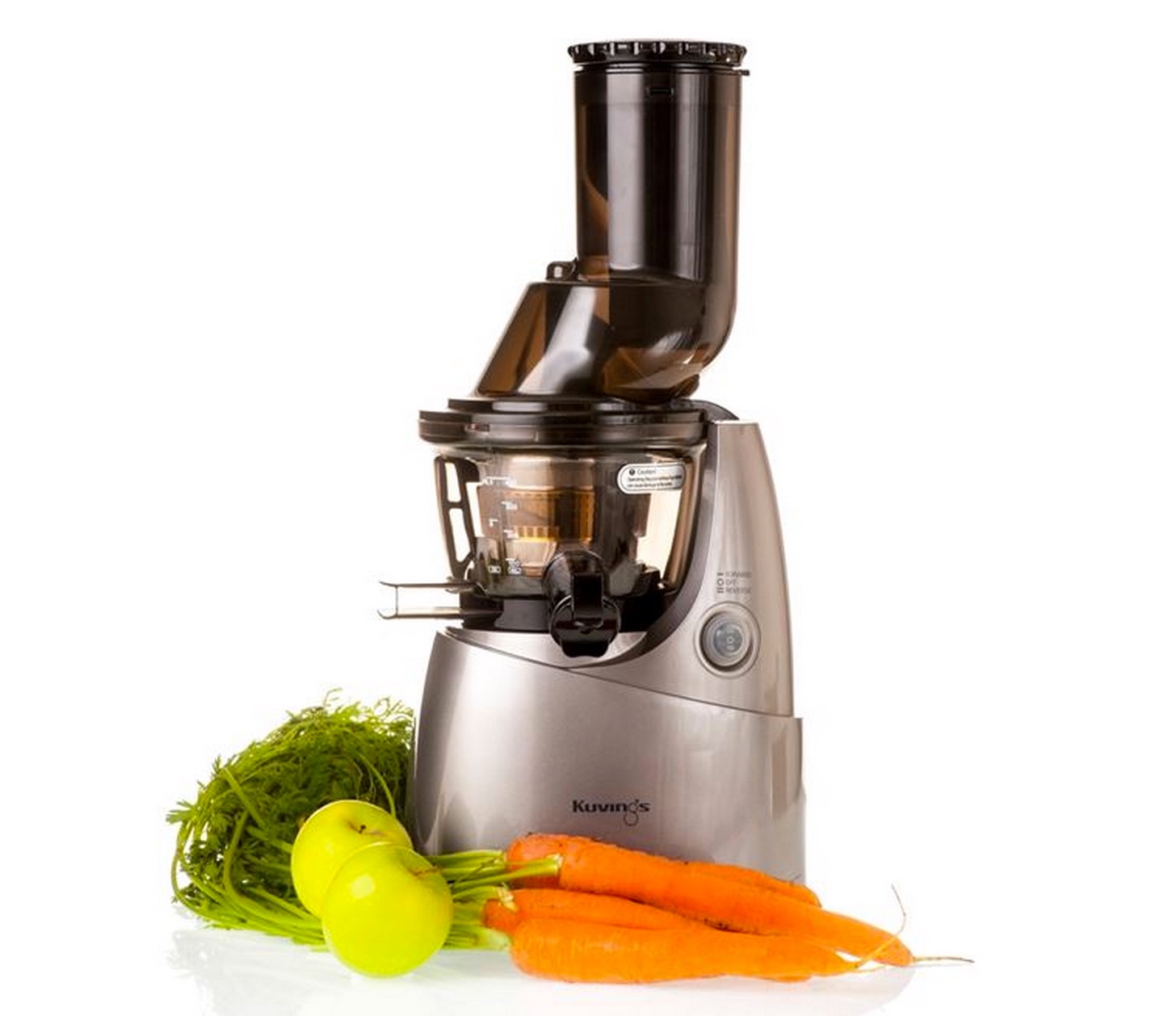
Slow juicers, also known as masticating juicers, work at low speeds. They crush and press fruits and vegetables gently. This process extracts juice slowly and carefully. It keeps more nutrients and enzymes intact.
Slow juicers are better for leafy greens and soft fruits. They make juice with less foam and more flavor. The juice lasts longer in the fridge. These juicers usually take more time to clean.
Juicing Process
Juicing is a popular way to enjoy fresh fruits and vegetables. It extracts juice by separating liquid from the pulp. Different juicers use different methods to do this. Understanding these methods helps choose the right juicer for your needs.
How Fast Juicers Work
Fast juicers use a high-speed spinning blade. This blade chops fruits and vegetables quickly. The juice is then spun out through a mesh filter. This process happens in seconds. Fast juicers are noisy but very quick. They work well for soft fruits and hard vegetables.
How Slow Juicers Work
Slow juicers crush and press fruits and vegetables slowly. They use an auger to squeeze the juice out. This process takes more time than fast juicers. Slow juicers produce more juice with less foam. They are quiet and keep more nutrients in the juice. They handle leafy greens and fibrous produce better.
Juice Quality
Juice quality is one of the most important factors to consider when choosing between a fast or slow juicer. It affects how fresh, tasty, and healthy your juice will be. The way a juicer extracts juice changes the nutrients, taste, and texture you get in each glass.
Nutrient Retention
Slow juicers work by crushing and pressing fruits and vegetables. This process keeps more vitamins and minerals in the juice. The juice is less exposed to heat and air, which can destroy nutrients.
Fast juicers spin very quickly to extract juice. The high speed creates heat and adds air. This can reduce the amount of nutrients. Some vitamins, like vitamin C, break down faster with heat.
For those who want the healthiest juice, slow juicers usually keep more nutrients intact.
Taste And Texture
Slow juicers produce juice with a richer taste and smoother texture. The juice often has less foam and stays fresh longer. It feels thicker and more natural in the mouth.
Fast juicers create juice quickly, but the juice can taste watery or have more foam. The fast spinning can mix in air, making the juice less smooth.
People who prefer a fresh and full flavor often choose slow juicers for better taste and texture.
Credit: www.ukjuicers.com
Speed And Efficiency
Speed and efficiency matter a lot in juicing. They affect how fast you get your juice and how much juice you can extract from fruits and vegetables. Choosing between a fast juicer and a slow juicer means thinking about both these factors. Each type works differently and has its own strengths and weaknesses.
Juicing Speed
Fast juicers work quickly. They use high-speed spinning blades to crush fruits and veggies. This means you get juice in seconds. It is perfect when you need juice fast. Slow juicers work at a lower speed. They crush and press produce slowly. This takes more time but keeps more nutrients in the juice. The slow process means less foam and a smoother texture.
Yield And Waste
Slow juicers usually give more juice from the same amount of produce. They press ingredients thoroughly, squeezing out more liquid. This leaves behind dry pulp with less juice waste. Fast juicers often leave wetter pulp. This means more juice remains wasted. Slow juicers help save money by using produce more efficiently. Less waste also means less cleaning after juicing.
Cleaning And Maintenance
Cleaning and maintenance play a big role in choosing the right juicer. A juicer that is easy to clean saves time and effort. Proper upkeep also extends the life of the machine. Both fast and slow juicers have different cleaning needs. Understanding these differences helps keep your juicer working well for years.
Ease Of Cleaning
Fast juicers often have fewer parts to clean. This can make them simpler to wash after use. Many parts are dishwasher safe, which adds convenience. Slow juicers have more components and filters. Cleaning these parts takes more time and care. Pulp can get stuck in small areas, requiring extra effort. Rinsing parts immediately after juicing prevents residue buildup.
Durability
Slow juicers usually have strong, durable parts. They are built to handle tough fruits and vegetables. This means they last longer with proper care. Fast juicers may have plastic parts that wear out faster. Regular cleaning and avoiding harsh scrubbing help keep both juicers durable. Investing time in maintenance protects your juicer from damage.

Credit: www.uberappliance.com
Noise Levels
Noise levels matter a lot when choosing between fast and slow juicers. Loud noise can disturb others and make juicing less enjoyable. Quiet machines create a calm kitchen atmosphere. Understanding which juicer is quieter helps you pick the right one.
Fast Juicers And Noise
Fast juicers use high-speed motors. They spin quickly to extract juice fast. This speed creates more noise. The noise can be sharp and loud. It may bother people in quiet homes. Early mornings or late nights become tricky times to use them.
Slow Juicers And Noise
Slow juicers work at a gentle pace. They crush fruits and vegetables slowly. This process causes less noise. Slow juicers run quietly and smoothly. They suit homes where silence is preferred. You can juice without waking others up.
Which Juicer Fits Your Noise Preference?
Choose a slow juicer for quiet operation. Pick a fast juicer if speed matters more. Noise level depends on motor speed and design. Check product reviews for real user feedback. Noise can affect your juicing routine daily.
Cost Comparison
Comparing the costs of fast and slow juicers helps buyers make smart choices. Both types have different price points and future costs. Understanding these costs saves money and avoids surprises.
Initial Investment
Fast juicers usually cost less to buy at first. They have simpler parts and faster motors. Most fast juicers range from budget to mid-price levels. Slow juicers tend to cost more upfront. Their design is complex, with slow, gentle squeezing. This makes them pricier. The price difference can be noticeable. Some slow juicers offer better juice quality for the higher cost.
Long-term Expenses
Fast juicers may need more repairs over time. Their motors run hot and fast. Parts may wear out quicker. This adds to maintenance costs. Slow juicers have fewer breakdowns. Their slow speed reduces wear and tear. Cleaning is often easier, saving time and effort. Replacement parts for slow juicers can be costly. Energy use is another factor. Fast juicers use more electricity. Slow juicers consume less power, lowering bills. Long-term costs depend on usage and care.
Best Uses
Choosing the right juicer depends on what you want to juice. Both fast and slow juicers have their strengths. Understanding their best uses can help you pick the perfect one for your needs. Each type works better with certain foods. This guide explains which foods suit fast and slow juicers.
Ideal Foods For Fast Juicers
Fast juicers work well with hard fruits and vegetables. Apples, carrots, and beets juice quickly in these machines. They also handle citrus fruits like oranges and grapefruits easily. These juicers extract juice fast, saving time in busy mornings. They are good for making simple fruit juices and clear vegetable juices.
Ideal Foods For Slow Juicers
Slow juicers excel with leafy greens and soft fruits. Spinach, kale, and wheatgrass release more juice with slow pressing. Soft berries like strawberries and blueberries keep more flavor and nutrients. Slow juicers also work well with nuts for making nut milk. They produce thicker juices and retain more vitamins.
Choosing Tips
Choosing between a fast and slow juicer can feel tricky. Your choice depends on several important factors. Focus on what fits your daily habits and space. This helps you pick a juicer that works best for you.
Lifestyle Considerations
Think about how often you will juice. Fast juicers work well for quick juices. They save time and are easy to use. Slow juicers take longer but keep more nutrients. They suit people who enjoy fresh juice as a hobby. Also, consider how much noise you can tolerate. Fast juicers are louder. Slow juicers run quietly. This matters if you juice early or late.
Space And Storage
Check your kitchen space before buying. Fast juicers are usually smaller and lighter. They fit well in small kitchens. Slow juicers are bigger and need more room. You must have enough counter or storage space. Think about where to keep your juicer after use. A bulky juicer can clutter your kitchen. Choose a size that matches your storage options.

Credit: www.youtube.com
Frequently Asked Questions
What Is The Main Difference Between Fast And Slow Juicers?
Fast juicers use high-speed spinning blades to extract juice quickly, while slow juicers use a slow, cold-press method that preserves more nutrients and enzymes. Slow juicers typically yield higher quality juice but take more time to process fruits and vegetables.
Which Juicer Retains More Nutrients And Enzymes?
Slow juicers retain more nutrients and enzymes due to their cold-press extraction. They operate at low speeds, reducing heat and oxidation. This method preserves vitamins and antioxidants better than fast juicers, which generate heat that can degrade nutrients.
Are Fast Juicers Noisier Than Slow Juicers?
Yes, fast juicers are generally noisier because of their high-speed spinning blades. Slow juicers operate quietly since they use a gentle pressing mechanism. If noise level is a concern, slow juicers are a better choice for a peaceful juicing experience.
Which Juicer Is Easier To Clean And Maintain?
Fast juicers often have more parts and can be harder to clean. Slow juicers usually have fewer components and simpler assembly, making cleaning easier. However, cleaning time varies by model, so check product reviews for specific ease-of-cleaning insights.
Conclusion
Choosing between fast and slow juicers depends on your needs. Fast juicers work quickly and suit busy days. Slow juicers keep more nutrients and juice flavor. Cleaning time and noise levels also matter. Think about how often you will use it.
Consider what fruits or vegetables you prefer. Both types can make fresh, healthy juice. Pick the one that fits your lifestyle best. Enjoy delicious juice every day with the right choice. Simple and fresh juice, made your way.