Last Updated on September 28, 2026
When it comes to mixing ingredients in your kitchen, choosing the right tool can make all the difference. You might be wondering whether a hand mixer or a stand mixer is the best fit for your cooking style and needs.
Each has its own strengths, and picking the right one can save you time, effort, and even improve your recipes. By the end of this article, you’ll know exactly which mixer suits your kitchen and why. Ready to find out which mixer will become your new favorite helper?
Let’s dive in!
Credit: www.toptenreviews.com
Key Differences
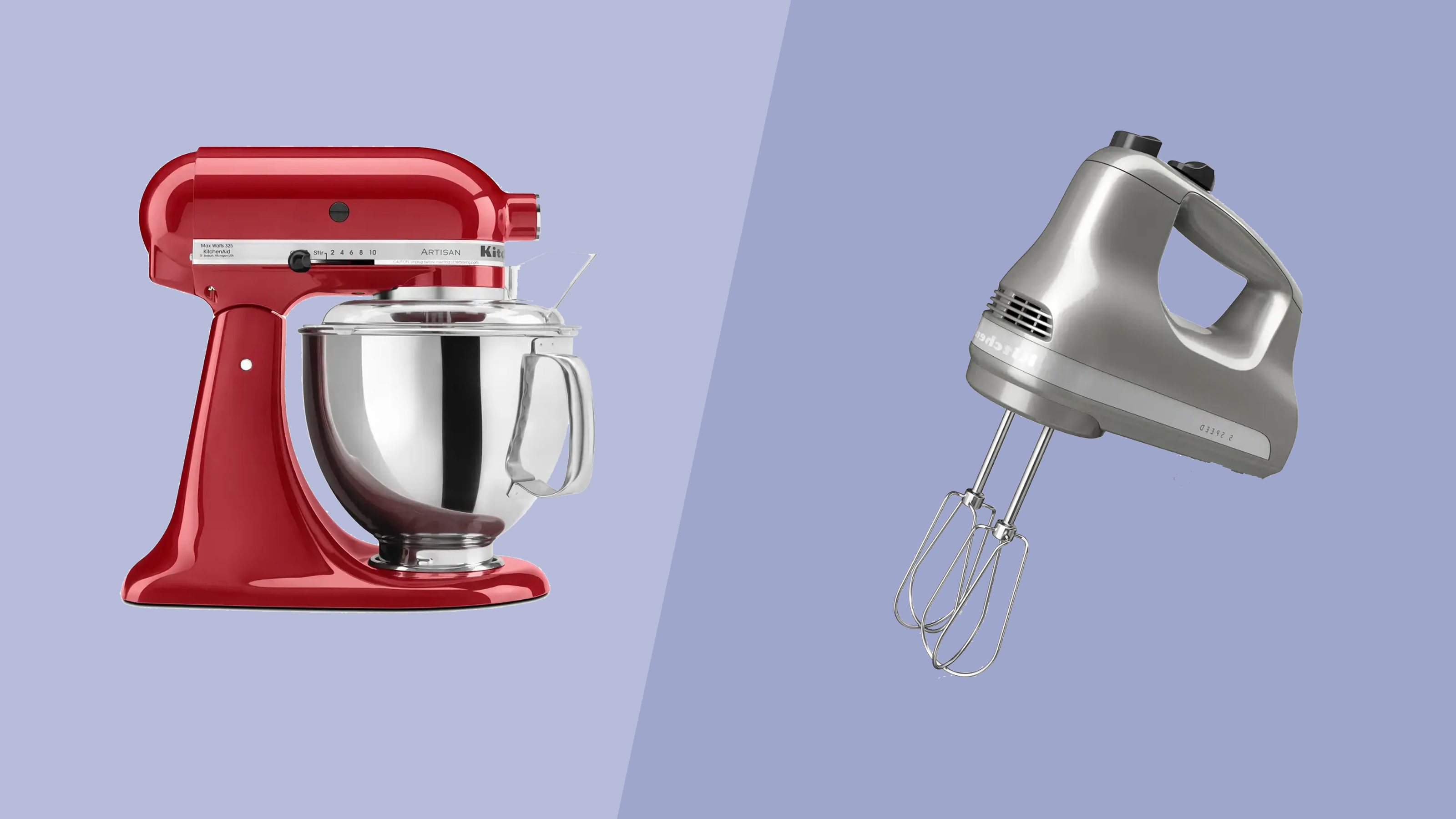
Understanding the key differences between a hand mixer and a stand mixer helps you pick the right tool for your kitchen. Each type has its own strengths and fits different cooking needs. This section breaks down the main differences in design, power, and versatility.
Design And Size
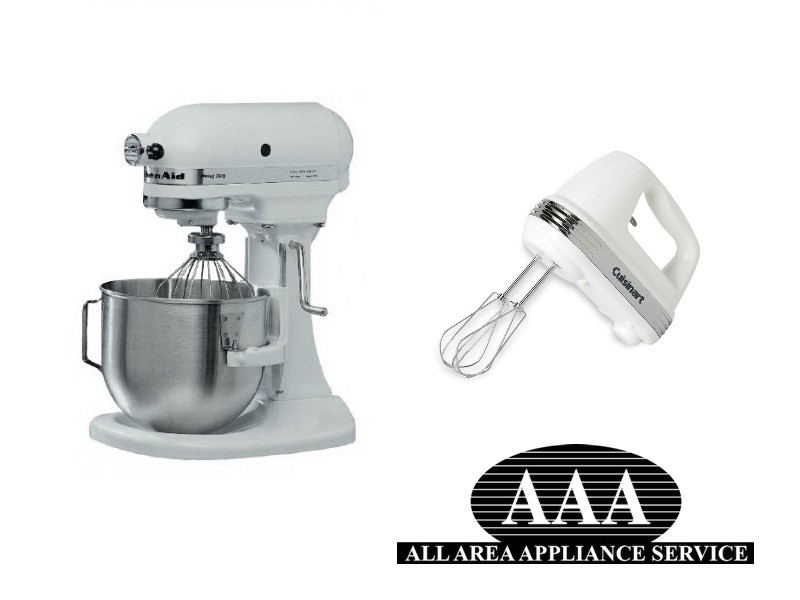
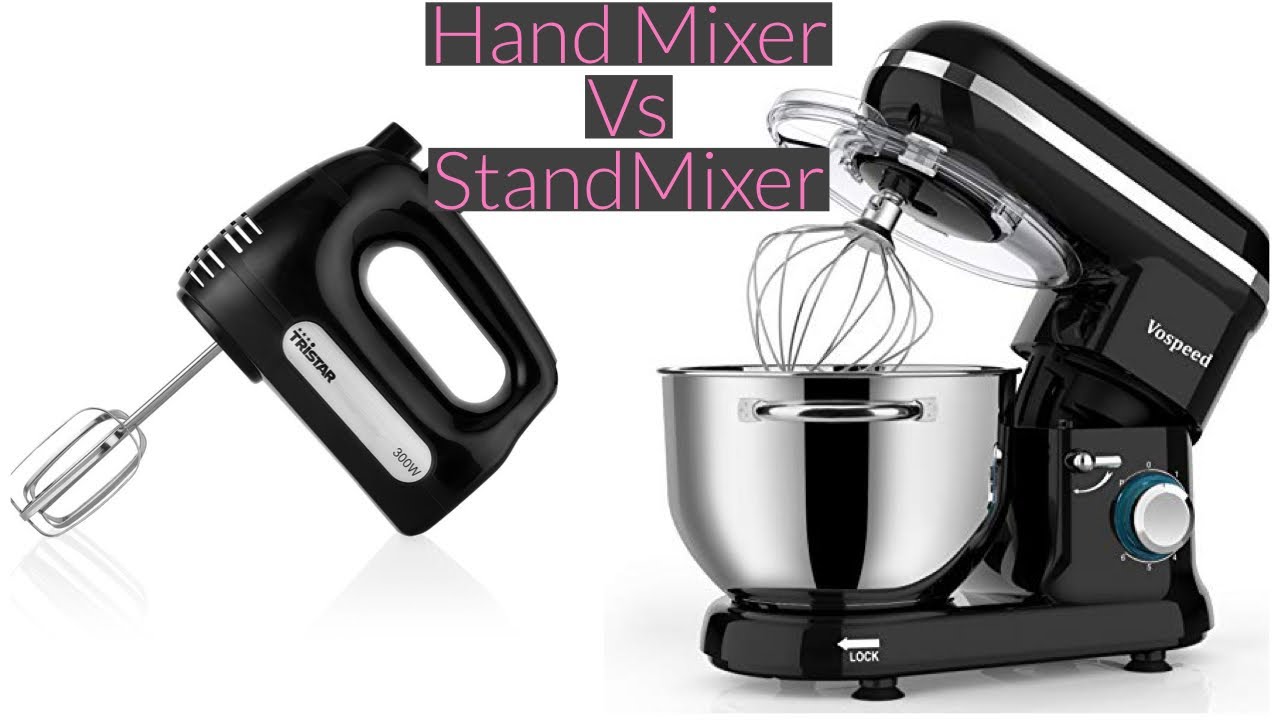
Hand mixers are small and lightweight. You hold them in your hand while mixing. They take up little space and are easy to store. Stand mixers are larger and heavier. They sit on the counter and stay in place during use. Stand mixers need more room but offer a sturdy base for mixing.
Power And Performance
Stand mixers usually have more power. They handle thick dough and large batches better. Hand mixers have less power but work well for light tasks. They are good for beating eggs or mixing batter. Stand mixers run steadily without tiring your hand.
Versatility
Stand mixers come with many attachments. You can knead dough, whip cream, and even make pasta. Hand mixers are simpler and mainly for mixing. They can’t do heavy dough or use many attachments. Stand mixers suit serious bakers. Hand mixers fit casual cooks.
Credit: allareaappliancellc.com
Pros And Cons
Choosing between a hand mixer and a stand mixer depends on your needs. Each has benefits and drawbacks. Understanding these pros and cons helps you pick the right tool for your kitchen. Below is a clear look at what each mixer offers and where they fall short.
Hand Mixer Advantages
Hand mixers are light and easy to use. They take up little space in your kitchen. You can move them around easily. Hand mixers are great for small jobs. They are usually less expensive than stand mixers. Cleaning a hand mixer is quick and simple. Perfect for quick mixing tasks like beating eggs or whipping cream.
Hand Mixer Disadvantages
Hand mixers are not very powerful. They can struggle with thick dough or large batches. Holding the mixer for a long time can be tiring. Some models have fewer speed options. They can be noisy during use. Not ideal for heavy-duty baking or long mixing sessions.
Stand Mixer Advantages
Stand mixers are strong and stable. They handle thick dough and large quantities easily. You can use them hands-free, which is convenient. Many models come with extra attachments for different tasks. They provide consistent mixing results. Stand mixers save time and effort in the kitchen.
Stand Mixer Disadvantages
Stand mixers are large and heavy. They need more counter space. They cost more than hand mixers. Cleaning can be more time-consuming. Stand mixers are less portable. Not the best choice for quick or small mixing jobs.
Best Uses
Choosing between a hand mixer and a stand mixer depends on the tasks you want to do. Each mixer suits different kitchen jobs. Knowing their best uses helps pick the right one.
Ideal Tasks For Hand Mixers
Hand mixers work well for light and quick jobs. They are perfect for beating eggs or mixing pancake batter. Whipping cream or making salad dressings is easy with a hand mixer. Small batches of cookie dough also fit well. Hand mixers are handy for fast stirring and blending. They are easy to move around and clean. Great for simple kitchen tasks that need less power.
Ideal Tasks For Stand Mixers
Stand mixers handle heavier and larger tasks with ease. They are best for kneading bread or pizza dough. Mixing thick batters like cake or brownie batter works well. Stand mixers can whip large amounts of cream or egg whites quickly. They come with attachments for slicing or grinding. Perfect for baking often or cooking big meals. Stand mixers save time and effort on tough mixing jobs.
Cost Considerations
Cost is a major factor when choosing between a hand mixer and a stand mixer. Understanding the price differences helps you pick the right tool for your kitchen and budget. This section breaks down the cost aspects to guide your decision.
Price Range Comparison
Hand mixers usually cost less than stand mixers. Basic hand mixers start around $20. More advanced models go up to $80. Stand mixers begin near $150. High-end stand mixers can reach over $500. The price depends on brand, power, and features. Hand mixers fit smaller budgets. Stand mixers require a bigger upfront cost.
Long-term Value
Stand mixers last longer and handle more tasks. They save time with heavy mixing jobs. This durability adds value over the years. Hand mixers suit quick, simple jobs but may wear out faster. Replacing a hand mixer often costs less than repairs. Consider how often you bake or cook. Frequent use may justify the higher price of a stand mixer. Occasional use may make a hand mixer the better choice.
Maintenance And Storage
Maintenance and storage are key to keeping your mixer in good shape. Proper care helps your appliance last longer. It also keeps it working at its best. Both hand mixers and stand mixers need regular cleaning and smart storage. This keeps your kitchen tidy and your mixer ready for use.
Cleaning Tips
Start by unplugging your mixer before cleaning. Remove beaters or attachments and wash them with warm soapy water. Use a soft cloth to wipe the mixer body. Avoid submerging the main unit in water. For tough spots, a damp cloth with mild detergent works well. Dry all parts thoroughly before storing. Clean your mixer after every use to stop food buildup. This keeps your mixer hygienic and extends its life.
Storage Solutions
Hand mixers are small and easy to store in drawers or cabinets. Keep all attachments together in a small box or bag. Stand mixers need more space and a sturdy surface. Store them in a kitchen corner or on a dedicated counter. Cover your mixer with a dust cover or cloth. This protects it from dust and spills. Organize your mixer and accessories for quick access. Proper storage saves space and keeps your kitchen neat.
Popular Brands And Models
Choosing the right mixer can make baking easier and more enjoyable. Popular brands offer many models of hand and stand mixers. Each brand has unique features and designs. Knowing the top options helps you find the best fit for your kitchen.
Top Hand Mixers
Hand mixers are light and easy to use. They are perfect for small tasks like whipping cream or mixing batter. KitchenAid offers reliable hand mixers with multiple speed settings. Their models are known for durability and style.
Hamilton Beach makes affordable hand mixers. These come with various attachments and good power. Their mixers are simple to clean and store. Black+Decker also provides compact hand mixers. They focus on ease of use and lightweight design.
Top Stand Mixers
Stand mixers are heavy-duty and great for large recipes. KitchenAid is the most popular brand in this category. Their mixers have powerful motors and many speed options. They offer various attachments for different tasks.
Kenwood produces strong stand mixers with metal bodies. Their models are known for stability and long life. Cuisinart offers stand mixers with user-friendly controls. They provide good value and versatility for home bakers.
Making The Right Choice
Choosing between a hand mixer and a stand mixer can be tricky. Both tools help mix ingredients but serve different needs. Understanding what suits your kitchen and cooking style makes the choice easier.
This section breaks down key points to help you pick the right mixer for you.
Assessing Your Needs
Think about what you cook most often. A hand mixer works well for simple tasks like whipping cream or beating eggs. It is light and easy to use.
A stand mixer handles tougher jobs like kneading dough or mixing thick batter. It saves your hands from tiring quickly. Consider how much you bake or cook regularly.
Budget And Space Factors
Hand mixers cost less and take up little space. They are good for small kitchens or tight budgets. Stand mixers are pricier but offer more power and features.
Also, stand mixers need counter or storage space. If your kitchen is small, a hand mixer might fit better. Think about your budget and space before deciding.
Credit: www.youtube.com
Frequently Asked Questions
What Are The Main Differences Between Hand And Stand Mixers?
Hand mixers are portable and lightweight, ideal for small tasks. Stand mixers are stationary, powerful, and perfect for heavy-duty mixing and baking.
Which Mixer Is Better For Baking Bread Dough?
Stand mixers excel at kneading dense bread dough due to their strong motors. Hand mixers struggle with thick dough and may overheat.
Can I Use A Hand Mixer For Whipping Cream?
Yes, hand mixers are great for whipping cream and beating eggs quickly. They offer good control for light mixing tasks.
Are Stand Mixers More Expensive Than Hand Mixers?
Generally, stand mixers cost more because of their power, size, and versatility. Hand mixers are budget-friendly and suitable for basic mixing needs.
Conclusion
Choosing between a hand mixer and a stand mixer depends on your needs. Hand mixers are light and easy to store. Stand mixers handle bigger jobs and last longer. Think about how often you bake and what you mix. Small kitchens may favor hand mixers for their size.
For frequent bakers, stand mixers save time and effort. Both tools help create delicious dishes. Pick the one that fits your cooking style best. Simple and smart choices lead to happy baking moments.