Last Updated on September 29, 2026
Are you tired of unevenly sliced vegetables and spending too much time in the kitchen? A mandoline can change the way you prepare food, making slicing faster, easier, and more precise.
But if you’ve never used one before, it might seem tricky or even a little scary. Don’t worry—this guide will show you exactly how to use a mandoline safely and effectively. By the end, you’ll be slicing like a pro and adding a professional touch to your meals.
Ready to transform your cooking? Let’s get started!
Credit: learn.surlatable.com
Mandoline Basics
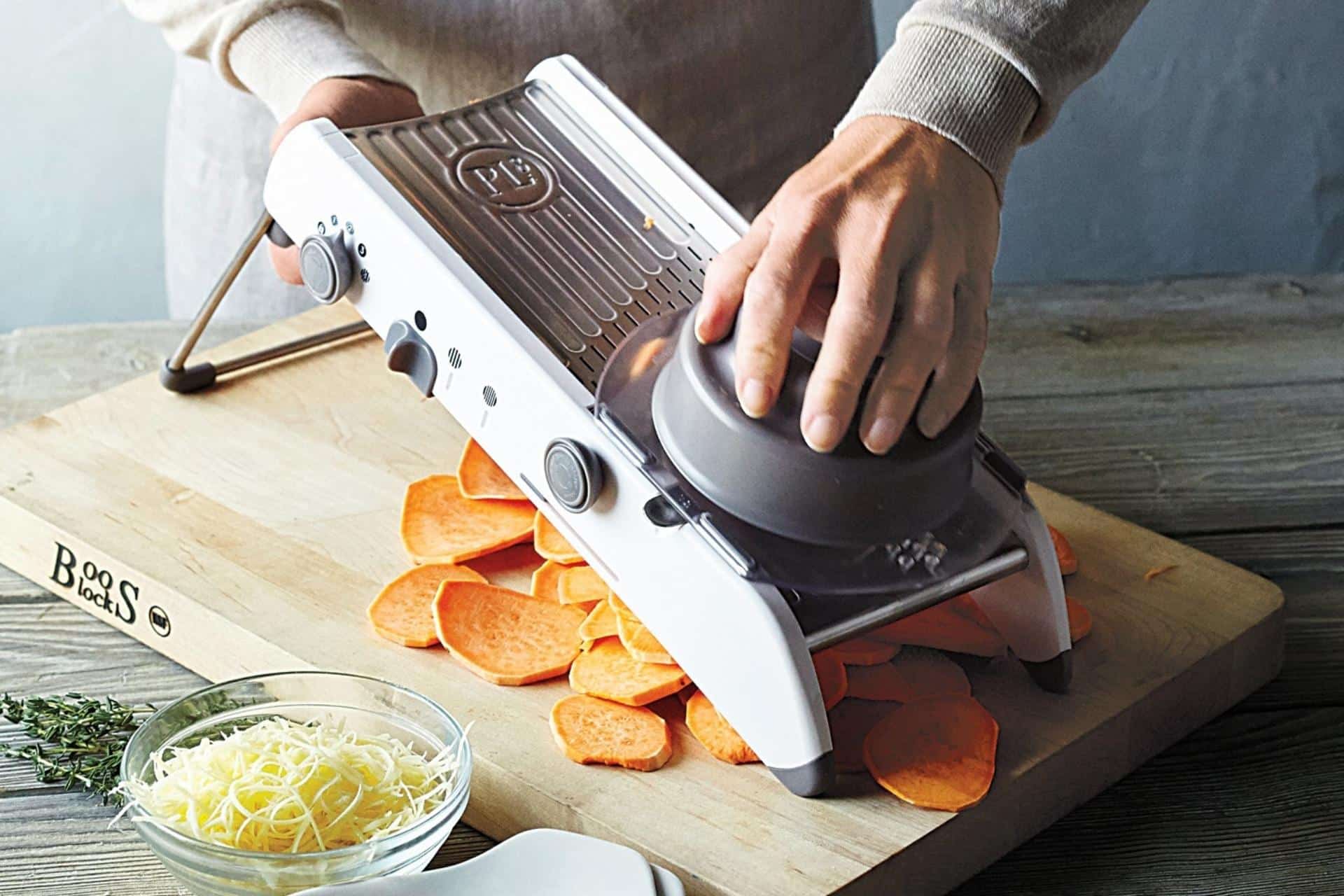
A mandoline is a handy kitchen tool for slicing fruits and vegetables quickly. It saves time and creates even slices. Using a mandoline properly means knowing its basic parts and features. This knowledge helps you slice safely and effectively every time.
Types Of Mandolines
Mandolines come in different styles. Some have a flat design, while others have a V-shaped blade. Manual mandolines require you to move the food back and forth. Electric mandolines slice automatically but cost more. Each type fits different needs and budgets.
Essential Parts
The blade is the most important part. It can be straight, wavy, or julienne style. The food holder keeps your fingers safe and holds the food steady. The base supports the mandoline and prevents slipping. Thickness adjusters let you change slice size. Knowing these parts helps you use the tool well.
Safety Features
Safety is key when using a mandoline. Most models include a hand guard or food holder. Non-slip feet keep the mandoline steady on the counter. Some have blade covers for storage. Always use the hand guard to avoid cuts. These features protect your hands during slicing.
Credit: www.youtube.com
Preparing Your Mandoline
Preparing your mandoline is the first step to safe and efficient slicing. Proper setup helps you get even cuts every time. It also keeps your fingers safe while you work. This section covers the basics of assembling, choosing blades, and setting thickness.
Assembling The Tool
Start by placing the mandoline on a flat surface. Attach any legs or stands firmly. Make sure the food holder or guard is in place. This part protects your hands while slicing. Check that all parts fit snugly and do not wobble.
Choosing The Right Blade
Mandolines come with different blades for slicing, julienne, or waffle cuts. Select the blade based on the cut you want. Snap or slide the blade into the holder carefully. Handle blades with care; they are very sharp.
Adjusting Thickness Settings
Most mandolines allow you to change the thickness of slices. Use the dial or lever to pick your desired thickness. Test with a small piece of vegetable first. Adjust until you get uniform slices every time.
Slicing Techniques
Slicing with a mandoline can be quick and precise. Using the right techniques helps you cut evenly and safely. Proper slicing makes your food look better and cooks evenly. Let’s explore key ways to slice correctly.
Proper Hand Position
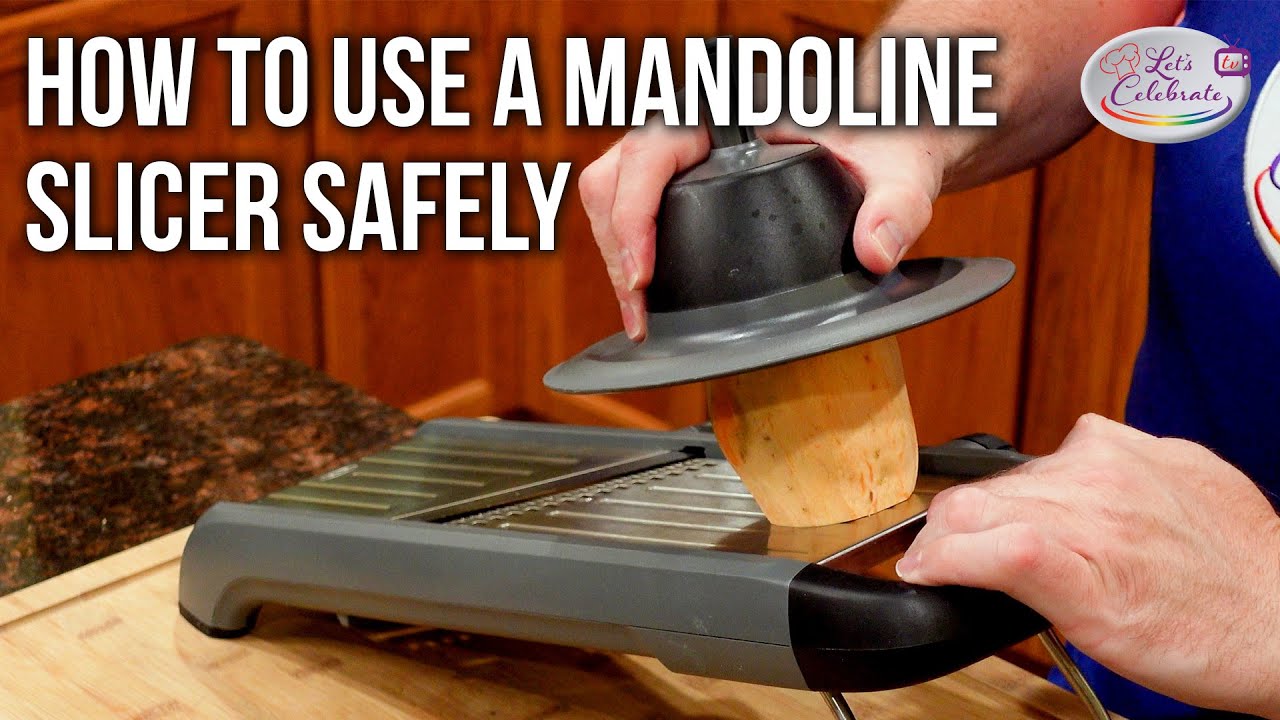
Hold the food firmly but not too tight. Keep your fingers away from the blade. Use a flat surface on the food for stability. Move the food slowly along the blade. This prevents slips and uneven slices.
Using The Food Holder
The food holder protects your fingers from the sharp blade. Attach the food securely to the holder. Press down evenly to keep the food stable. Slide the holder smoothly on the mandoline. Never skip using the holder for safety.
Consistent Slicing Tips
Keep a steady speed while slicing. Apply even pressure throughout the cut. Check the thickness setting before you start. Slice similar-sized pieces for uniform cooking. Clean the blade regularly for smooth slicing.
:strip_icc()/bhg-mandoline-slicing-zucchini_BVdjxVXaKAKBYjHptpokng-1ad34384737a4d3ca595608ec093112f.jpg)
Credit: www.bhg.com
Slicing Different Foods
Slicing different foods with a mandoline makes kitchen work faster and neater. This tool helps create thin, even slices with little effort. It is perfect for many types of food, from crunchy vegetables to soft fruits. Using the right blade and technique is important for good results.
Vegetables
Vegetables like carrots, cucumbers, and potatoes slice easily on a mandoline. Adjust the blade thickness to suit your recipe. Use the safety guard to protect your fingers. Thin slices cook faster and look great in salads or chips. For harder vegetables, press gently but firmly.
Fruits
Fruits such as apples, pears, and kiwis also work well on a mandoline. Slice them thin for desserts or snacks. Soft fruits need careful handling to avoid squishing. Use a slow, steady motion for smooth slices. Remove any seeds or pits before slicing.
Cheese And Other Items
Firm cheeses like cheddar or gouda slice neatly with a mandoline. Set the blade for thicker cuts to avoid crumbling. Other items like cooked meats or tofu can be sliced too. Always clean the mandoline blade after use to keep it sharp and safe.
Cleaning And Maintenance
Cleaning and maintenance keep your mandoline safe and sharp. Proper care helps it last longer and work better. Regular cleaning stops food bits from building up. This also prevents rust and dull blades. Follow simple steps for cleaning and storing your mandoline.
Safe Cleaning Practices
Always unplug or separate parts before cleaning. Use a soft brush to remove food pieces. Avoid using your fingers near the blades. Wash parts in warm, soapy water. Rinse well to remove all soap. Dry each part completely to prevent rust. Some mandolines can go in the dishwasher. Check your model’s instructions first.
Blade Care
Handle blades carefully to avoid cuts. Wipe blades after each use with a dry cloth. Sharpen dull blades using a sharpening stone or tool. Do not use harsh chemicals or abrasive pads on blades. Keep blades dry to stop rust from forming. Replace blades if they become too dull or damaged.
Storage Tips
Store your mandoline in a dry place. Keep blades covered or in a protective sheath. Avoid stacking heavy items on top of the mandoline. Store all parts together to avoid losing pieces. Consider a dedicated box or drawer for your mandoline. Proper storage keeps your mandoline safe and ready to use.
Common Mistakes To Avoid
Using a mandoline can make slicing fast and easy. Yet, many people make mistakes that cause accidents or poor results. Avoiding these errors helps you slice safely and perfectly every time.
Ignoring Safety Measures
Safety is the top priority with a mandoline. Always use the hand guard or food holder. Never slice with bare hands near the blade. Keep fingers away from the sharp edge. Wear cut-resistant gloves for extra protection. Slow down and focus on your task. Rushing can lead to serious cuts.
Improper Blade Use
Choose the right blade for the job. Different blades create different cuts. Using the wrong blade can damage food or the mandoline. Check if the blade is sharp and clean. Dull blades cause uneven slices and require more force. Replace or sharpen blades regularly for best results.
Uneven Slices
Uneven slices ruin the look and cook time of food. Keep the food flat and steady on the mandoline. Cut food into sizes that fit well on the platform. Move the food slowly and evenly across the blade. Use consistent pressure to get uniform slices. Practice helps improve your slicing technique.
Advanced Tips For Pros
Using a mandoline goes beyond basic slicing. Advanced users can explore creative techniques that bring variety and speed to their kitchen work. These tips help produce precise cuts and beautiful presentations. They also save time during meal prep.
Creative Slicing Styles
Try different blade settings for unique cuts. Julienne creates thin, matchstick shapes perfect for salads or stir-fries. Waffle cuts add texture and style to fries or chips. Use the crinkle-cut blade for ridged slices that hold sauces well. Mixing styles gives dishes an interesting look and feel.
Speed And Efficiency
Keep your mandoline blade sharp for smooth slicing. Use a steady, even pressure to avoid uneven pieces. Prepare vegetables in similar sizes to speed up the process. Use the safety guard to protect fingers and slice faster with confidence. Clean the mandoline right after use to keep it working well.
Using Mandoline For Garnishes
Create thin, delicate slices for elegant garnishes. Use the mandoline to make paper-thin rounds of cucumber or radish. These slices add color and texture to plates. Fold or roll slices for attractive shapes. Garnishes made with a mandoline look professional and enhance any dish.
Frequently Asked Questions
What Is A Mandoline Used For In Cooking?
A mandoline is used to slice fruits and vegetables evenly. It saves time and ensures uniform thickness. It’s perfect for salads, chips, and garnishes. Using a mandoline improves presentation and cooking consistency.
How Do You Safely Use A Mandoline Slicer?
Always use the hand guard or food holder provided. Keep your fingers away from the blade. Slice slowly and steadily to avoid slips. Wearing a cut-resistant glove adds extra safety.
What Types Of Cuts Can A Mandoline Make?
A mandoline can make slices, julienne, waffle, and crinkle cuts. Adjustable blades allow various thickness settings. This versatility helps create diverse textures and presentation styles in dishes.
How Do You Clean A Mandoline Properly?
Disassemble the mandoline carefully before cleaning. Wash blades and parts with warm soapy water. Use a brush to remove stuck food safely. Dry thoroughly to prevent rust and store securely.
Conclusion
Using a mandoline makes slicing vegetables quick and even. Always hold it safely and use the guard. Start with simple cuts and try different thickness settings. Clean it carefully after each use to keep it sharp. With practice, your meals will look neat and professional.
Enjoy cooking with this handy kitchen tool every day.