Last Updated on October 2, 2026
If you’ve ever tried kneading dough by hand, you know it can be tiring and messy. What if you could make that process easier, faster, and more consistent?
Using a stand mixer to knead dough might be the game-changer you’re looking for. You’ll discover how to get perfect dough every time without breaking a sweat. Ready to transform your baking experience? Keep reading and unlock the secret to effortless kneading with your stand mixer.
Choosing The Right Stand Mixer
Choosing the right stand mixer is important for kneading dough well. A good mixer saves time and effort. It also helps you get soft, smooth dough every time. Not all mixers work the same for dough. Some are better than others. Knowing the types and features helps you pick the best one.
Types Of Mixers For Kneading
There are two main types of stand mixers: planetary and spiral. Planetary mixers have a beater that moves around the bowl. They can do many tasks like whipping and mixing. Spiral mixers have a hook that spins while the bowl turns. They are made mainly for kneading dough. Spiral mixers work faster and keep dough cooler. Planetary mixers are good for many kitchen jobs but may take longer to knead.
Key Features To Consider
Power matters. Choose a mixer with strong motor power, at least 300 watts. A powerful motor handles heavy dough well. Bowl size is important. A bigger bowl lets you make more dough at once. Look for a mixer with a dough hook made of metal. It should be sturdy and easy to clean. Speed settings help control kneading. Multiple speeds let you start slow and then speed up. Stability is key. A heavy base keeps the mixer steady during kneading.

Credit: www.ciappisrl.it
Selecting The Best Dough Hook
Selecting the best dough hook for your stand mixer makes kneading easier and more efficient. The right hook handles dough without straining your mixer. It shapes the dough well, saving time and effort. Choosing the correct hook improves your baking results and helps create perfect bread every time.
Metal Vs. Silicone Hooks
Metal hooks are strong and durable. They handle heavy dough with ease. Metal hooks can sometimes scratch your mixer bowl. They are easy to clean and last long.
Silicone hooks are gentler on bowls. They reduce noise during kneading. Silicone hooks may not be as strong for thick dough. They are flexible and less likely to damage non-stick surfaces.
Size And Shape Matters
A large dough hook fits bigger mixer bowls. It can knead large batches at once. Smaller hooks work better for small batches. The shape of the hook affects kneading action.
Spiral-shaped hooks mix dough thoroughly. C-shaped hooks work well for softer dough. Choosing the right size and shape improves dough texture. It helps develop gluten evenly and quickly.
Preparing Ingredients For Kneading
Preparing ingredients for kneading dough in a stand mixer starts with accuracy. Precise measurements ensure the dough has the right texture and consistency. Careful preparation helps the mixer work efficiently and creates better bread.
Each ingredient plays a role. Flour provides structure, while liquids activate yeast and form gluten. Balancing these components creates smooth, elastic dough ready for baking.
Measuring Flour And Liquids
Use a kitchen scale for exact flour measurement. Spoon flour into the measuring cup, then level it off. Avoid packing flour, which adds too much and makes dough heavy.
Measure liquids like water or milk with a clear cup. Check the level at eye height. Using the correct amount helps dough rise properly and keeps it soft.
Adjusting Hydration Levels
Hydration means how much liquid is in the dough compared to flour. Higher hydration makes dough sticky but creates open, airy bread. Lower hydration produces denser, firmer bread.
Start with the recipe’s liquid amount. Add small amounts more or less to change dough feel. Watch how dough forms in the mixer bowl. Adjust for a smooth, elastic texture without stickiness.

Credit: www.americastestkitchen.com
Setting Up Your Mixer
Setting up your stand mixer correctly is the first step to kneading perfect dough. It helps mix ingredients evenly and saves your time. Proper setup also protects your mixer and ensures smooth operation.
Attaching The Dough Hook
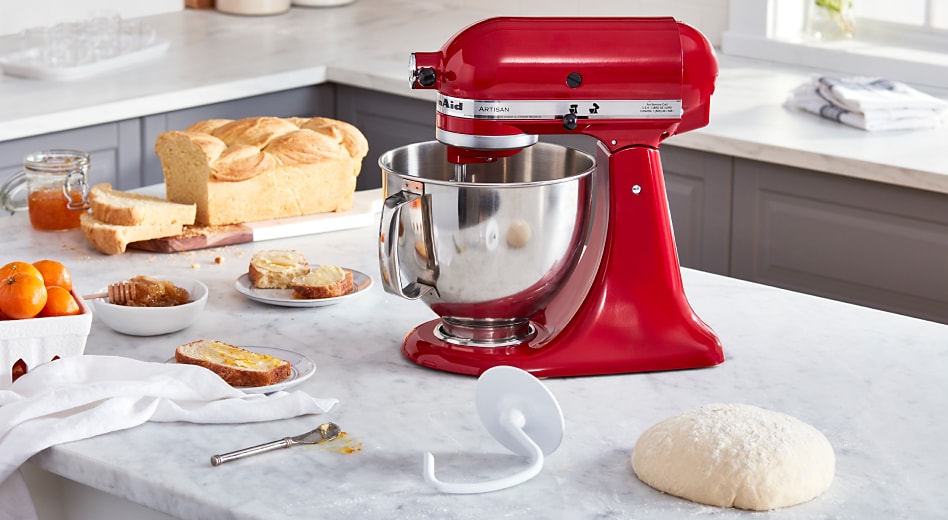
Start by unplugging the mixer for safety. Locate the dough hook attachment in your mixer kit. Remove any existing attachments from the mixer head. Align the dough hook with the attachment hub. Push it up and turn slightly until it locks into place. Make sure it is secure before adding ingredients. This hook mimics hand kneading by stretching and folding dough.
Speed Settings For Kneading
Choose a low speed to avoid flour flying out. Most mixers have a speed 2 or 3 for dough. Start slow to combine ingredients without splashing. Increase speed slightly if dough needs more mixing. Avoid high speeds; they can damage the dough texture. Watch the dough form a smooth, elastic ball. Stop mixing once dough pulls away from bowl sides.
Kneading Techniques
Kneading dough in a stand mixer is a simple way to prepare bread dough. It saves effort and gives consistent results. Good kneading helps develop gluten, which makes bread soft and chewy. Using the right technique ensures dough is mixed well without overworking.
Timing And Duration
Start kneading on low speed to combine ingredients. Then increase to medium speed for better gluten development. Most doughs need about 8 to 10 minutes in the mixer. Watch the dough closely. Stop kneading once it pulls away from the bowl sides. Over-kneading can make dough tough and hard to shape.
Recognizing Dough Texture
Properly kneaded dough feels smooth and slightly sticky. It should stretch without tearing easily. Press the dough with a finger; it should bounce back slowly. If dough is sticky and wet, knead a little longer. Too dry or crumbly dough needs more water or kneading. The right texture means dough is ready for rising.
Troubleshooting Common Issues
Troubleshooting is key when kneading dough in a stand mixer. Problems can stop your dough from rising or make bread tough. Knowing common issues saves time and improves results. This section helps fix sticky or dry dough and avoid overkneading or undermixing.
Dough Too Sticky Or Dry
Sticky dough sticks to your hands and the bowl. It feels wet and soft. Add flour little by little. Mix after each addition. Stop when dough is smooth and elastic. Dry dough looks crumbly and breaks apart. Add water slowly. Mix well until dough forms a ball. Avoid adding too much flour or water at once.
Overkneading And Undermixing
Overkneaded dough feels tough and tears easily. It loses its stretch and becomes dense. Stop kneading when dough is smooth and springs back. Undermixed dough is lumpy and sticky. It does not hold shape well. Knead longer until dough is even and elastic. Use the mixer’s speed settings to control kneading time.
Cleaning And Maintaining Your Mixer
Keeping your stand mixer clean is key for long-term use. Dough can stick in small spaces and cause problems later. Regular cleaning keeps your mixer working well and safe to use. It also helps avoid smells and old dough bits building up.
Cleaning and maintaining your mixer after kneading dough is important. It stops dough from hardening and keeps parts moving smoothly. Small steps can make a big difference in how your mixer performs.
Removing Dough Residue
Start by unplugging the mixer. Use a damp cloth to wipe off any dough on the outside. Check the dough hook for stuck dough. Soak it in warm, soapy water if needed. Use a soft brush or cloth to clean hard-to-reach spots. Avoid using sharp tools that may scratch the surface. Dry all parts completely before reassembling.
Regular Maintenance Tips
Clean the bowl and attachments after every use. Check the mixer’s base for dust and crumbs. Wipe with a dry cloth to keep it dust-free. Inspect the power cord for any damage regularly. Store your mixer in a dry place to prevent rust. Follow the user manual for any specific care instructions. Routine care helps your mixer last longer and work better.
Credit: www.kitchenaid.com
Frequently Asked Questions
How Long Should I Knead Dough In A Stand Mixer?
Knead dough in a stand mixer for 8 to 10 minutes. This time ensures gluten develops properly for a soft, elastic dough. Over-kneading can make dough tough, so watch the texture closely.
What Speed Setting Is Best For Kneading Dough?
Use low to medium speed, typically speed 2 or 3 on most mixers. This setting gently develops gluten without overheating the dough or straining the motor.
Can I Use A Stand Mixer For All Types Of Dough?
Yes, stand mixers work well for most yeast doughs like bread, pizza, and rolls. Avoid very stiff doughs, which may require manual kneading for best results.
How Do I Know When Dough Is Properly Kneaded?
Properly kneaded dough is smooth, elastic, and slightly tacky but not sticky. It springs back when poked and holds its shape well.
Conclusion
Kneading dough in a stand mixer saves time and effort. It helps mix ingredients evenly and develops gluten well. You get a smooth, elastic dough ready for baking. Remember to watch the dough closely to avoid over-kneading. Using the right speed and time matters.
With practice, you will feel confident using your mixer. This simple step makes baking bread easier and more enjoyable. Try it, and enjoy fresh bread at home. Baking can be fun and rewarding.